
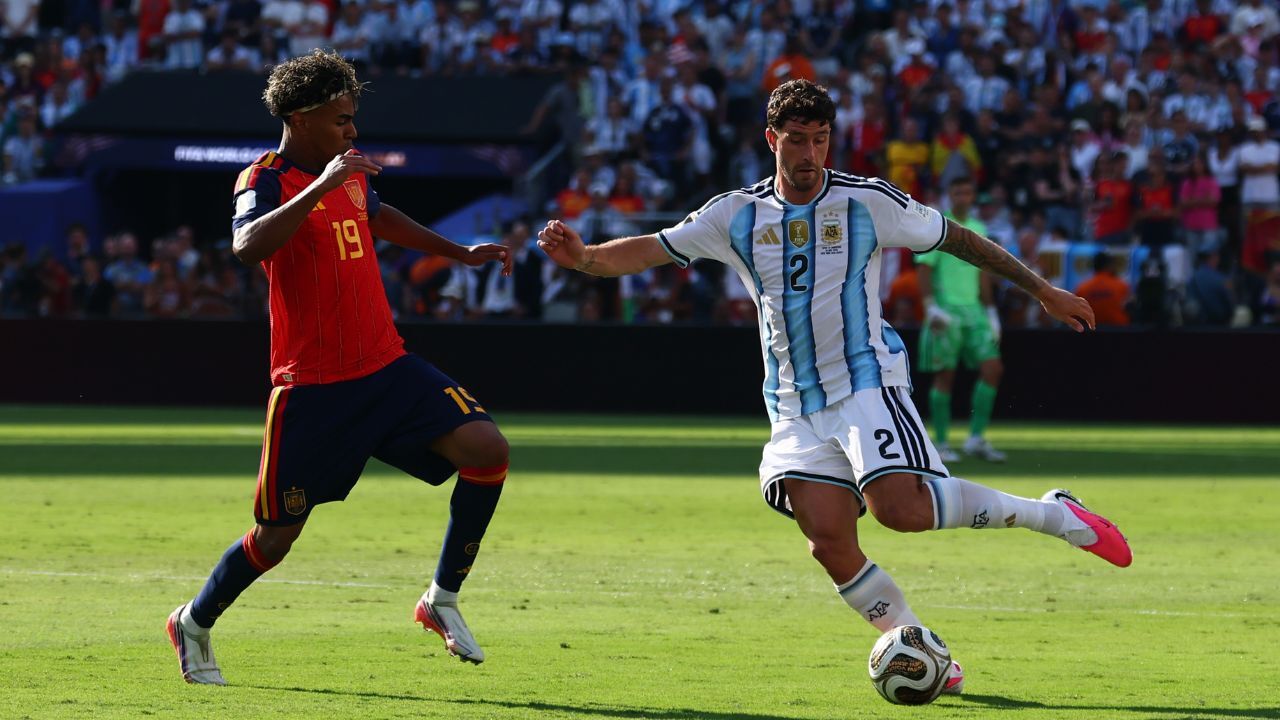
The last weekend of the 2026 World Cup consisted of two highly awaited games: the big and the small final. The first was set to determine the winner of the tournament and the second to reveal its third-place finisher. Long before the games began, it was known that they were bound to be extremely different, but the extent of that difference led to many conversations about what does and does not constitute a good game of football.
As per World Cup rules, before the battle for the ultimate trophy, the two teams that lost the semifinals meet in a game for third place. This year, after their defeats to Spain and Argentina, respectively, France and England faced each other in the game. Although it is still a grand event, in the eyes of many players whose heads are filled with hopes of winning the main trophy, it holds little value. Even Thomas Tuchel, the English manager, spoke out on the general attitudes towards the fixture:
“None of these [English] players, none of the French players, want to play this match. They want to play in the final. We gave everything to be in the final. Everyone plays to win the World Cup.”
The French team seemed to have agreed with the sentiment more than anyone. They came into the game lethargic and uninterested in achieving anything on the field. It was because of that attitude that they conceded the first goal in just the first minute of the game and went into the half-time break four goals behind their opponents. England was bleeding their opponents dry and providing a lot of excitement for the fans as they did so.
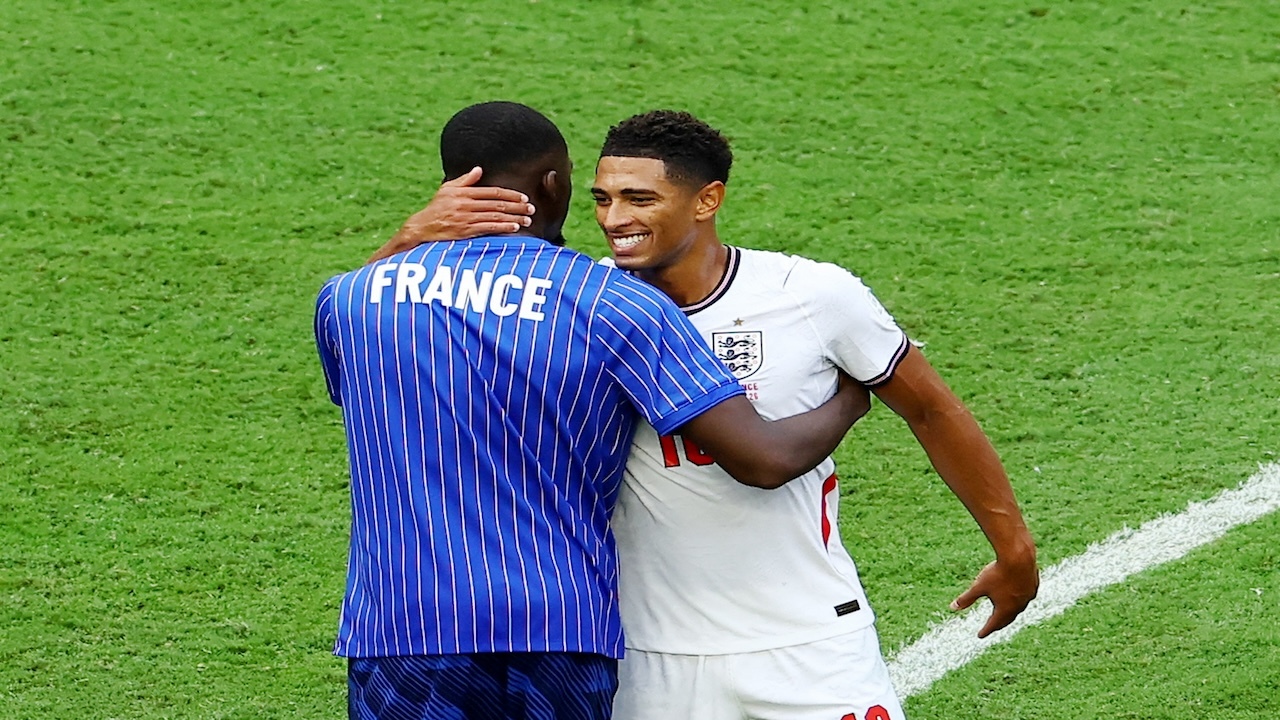
France returned to the game in the second half and, thanks to the efforts of Kylian Mbappé and Bradley Barcola, brought the score to 4-3. Before the French could equalize the game, Bukayo Saka scored an 87th-minute penalty. This strengthened England’s lead and, together with his two previous goals, secured him a hat trick. Both sides added one more goal in the added time, with the final score reaching a surprising 6-4 with the English ultimately winning the chaotic game.
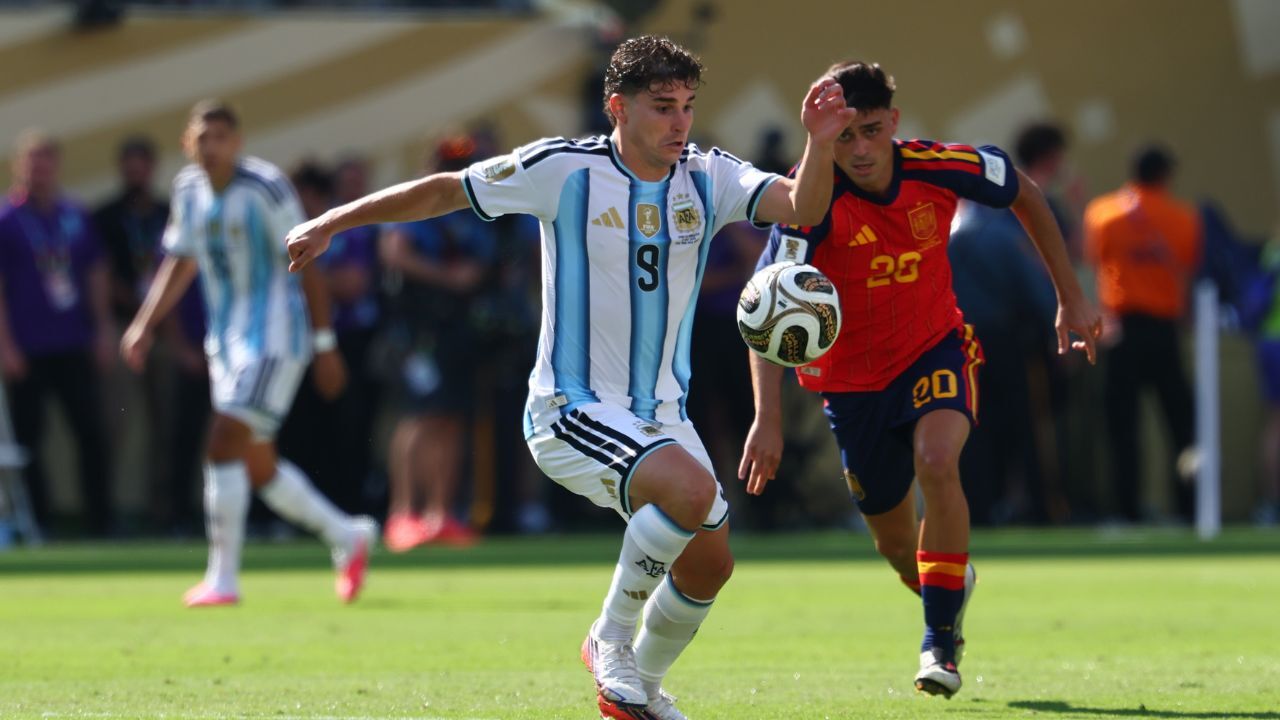
There was no denying that all the players involved undoubtedly wanted to participate in one of the most-watched sporting events in the world. In the 2026 edition of the World Cup, Spain and Argentina reached the final and, to no one’s surprise, both were determined to see the scales tip in their favor. As is often the case with big games, they played cautiously, and the game saw significantly fewer goals than the meeting between France and England.
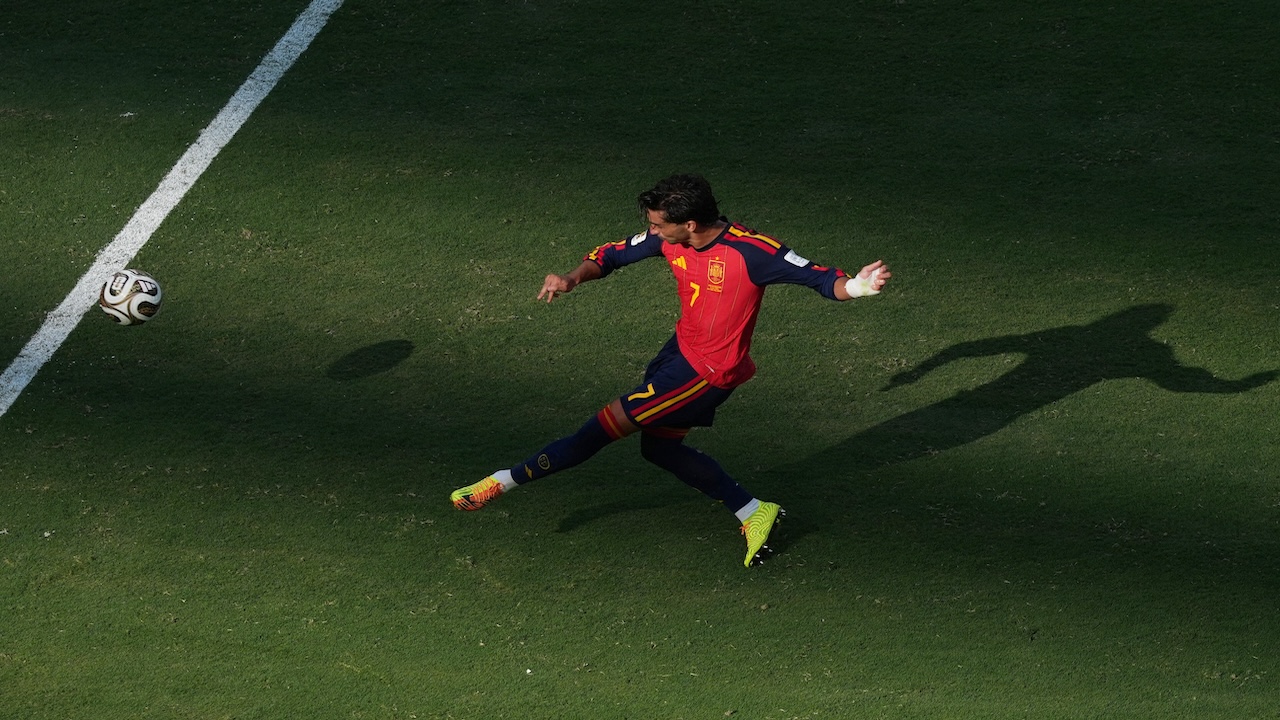
Although Spain dominated the game by all means, noting 20 total shots to Argentina’s two, 12 of which were shots on target, and winning by virtually all metrics, when the standard time ended, the score was still 0-0. The defending champions went into the extra thirty minutes one man down after Enzo Fernandez was sent off the field, and the Spanish finally managed to break through their defense. In the 106th minute, Ferran Torres scored the goal that ended up making his country the champions.
The World Cup always generates a lot of interest in football also among those who do not follow it between the tournaments. Many of those not overly acquainted with the sport went on to say that the small final was one of the best games they had ever seen, while the main event severly disappointed. While this may be true from the entertainment perspective, it is not a fair comparison.
The two games have vastly different stakes. It was much easier for the French and the English to take impressive-looking risks because there was relatively little on the line. For the two big teams the third place trophy was never the goal and thus it did not matter as much whether they won or lost it. They could have more fun on the field even if it impacted the overall quality of play because the big goal had already disappeared from their reach.
On the other hand, the big final carried a lot of weight. As was proven by the final result, losing just one goal could be the difference between winning and going home empty-handed, so being cautious was the most sensible strategy. With the score still closed, there was no space for unnecessary risks. At the same time, the lack of goals did not mean that the game was uninteresting or that it did not provide some quality football; quite the contrary. Comparing the two games to try to establish which one was “objectively better” is like comparing apples to oranges. They are “good” in different metrics and for different audiences.
What’s your take? Post it in our free sports community at stadiumrant.app, or download Stadium Rant on the App Store.
The two games provided closure for the month-long exciting tournament. Their duality helped prove that, despite what some fans claim, there is a place for the small final in the World Cup.
