
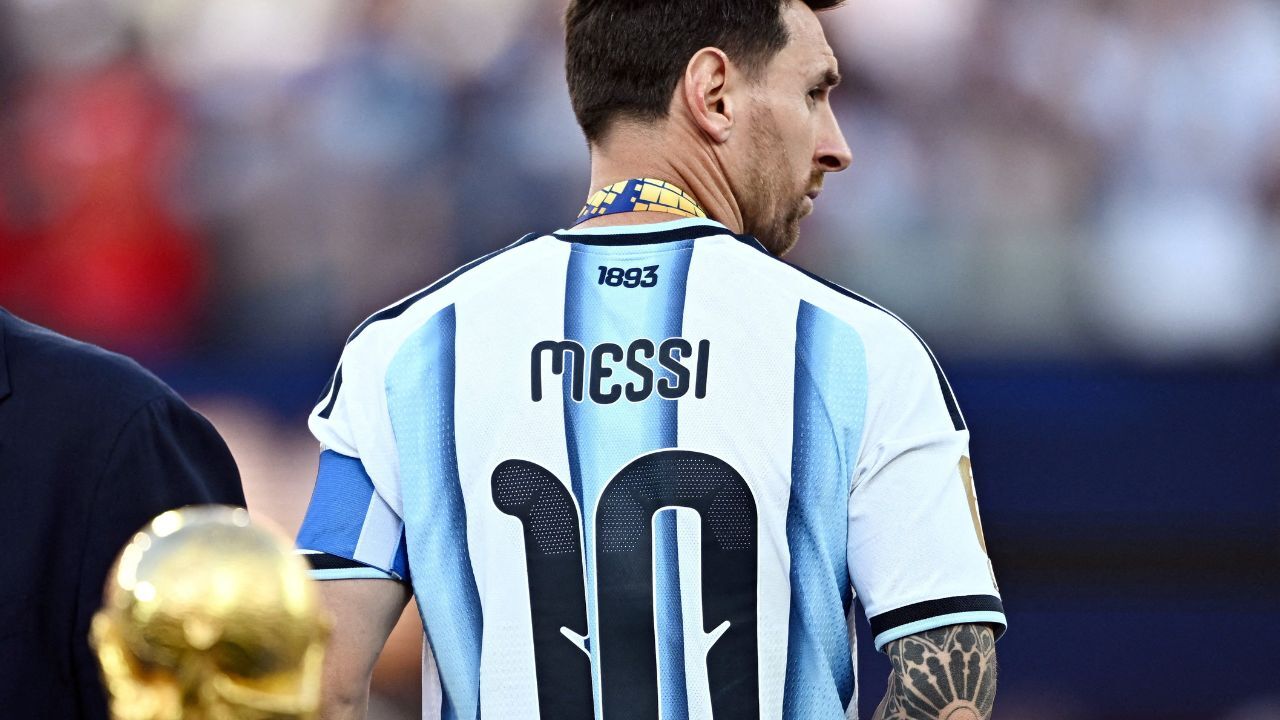
The Lionel Messi legacy has been built over nearly two decades of unprecedented success, and the 2026 World Cup final added one last defining chapter.
Messi has now done something no other player in history has managed. He won the World Cup’s Golden Ball twice, in 2014 and 2022, before finishing with a Silver Ball in a third World Cup final in 2026.
Messi said in the buildup that this would “most likely” be his last World Cup, without ever making it an official, definitive announcement. It’s fitting, in a strange way, that it ended with the sport’s greatest player looking, for the first time on this stage, genuinely mortal.
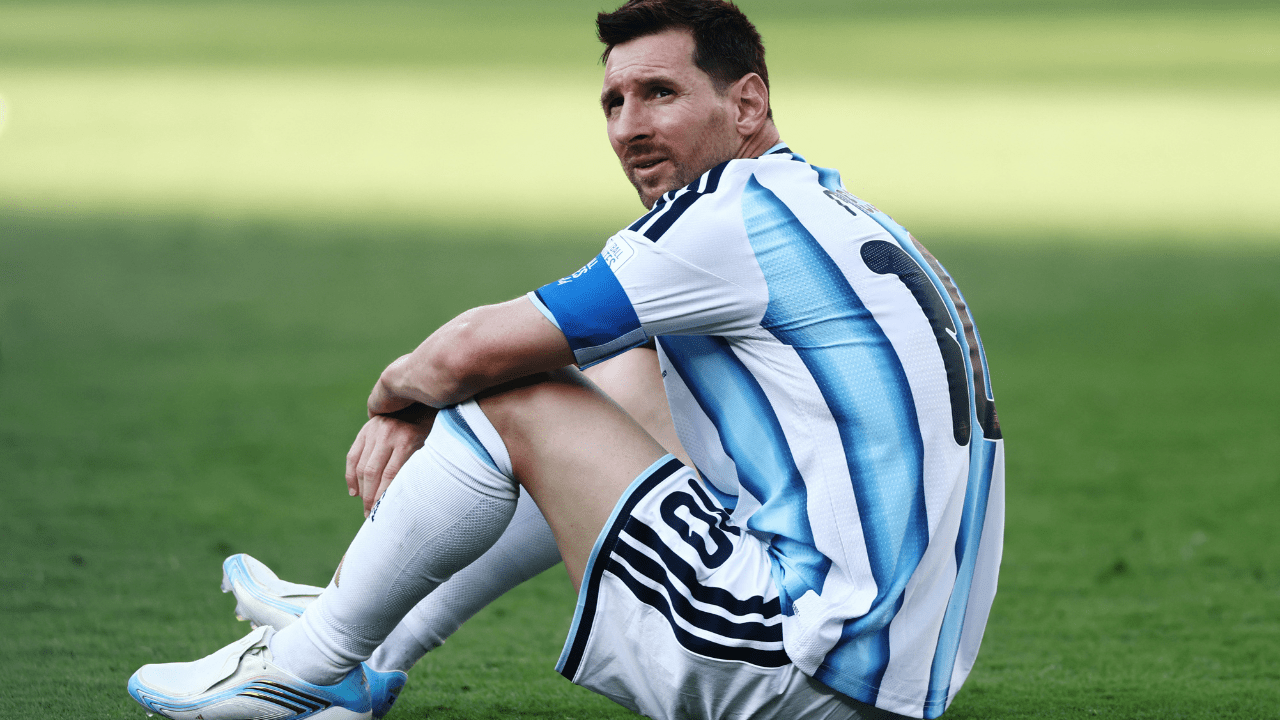
There’s no softening this: Messi finished the final with 54 touches, zero shots, and an expected goals figure of 0.03 across the full 120 minutes. ESPN’s own player ratings gave him a 3 out of 10.
Argentina as a team managed just two shots all match, with their first attempt of any kind arriving in the 115th minute — a record of futility for a World Cup final.
Spain, by contrast, controlled 65% possession, completed 762 passes to Argentina’s 358. The Spanish also had 31 touches in the box to Argentina’s eight.
Ferran Torres’ 106th-minute finish settled it, but the scoreline of 1-0 undersold just how one-sided the actual football had been.
This wasn’t Messi playing poorly by his own standards. This was him being made structurally irrelevant by an opponent that didn’t let the game reach him.
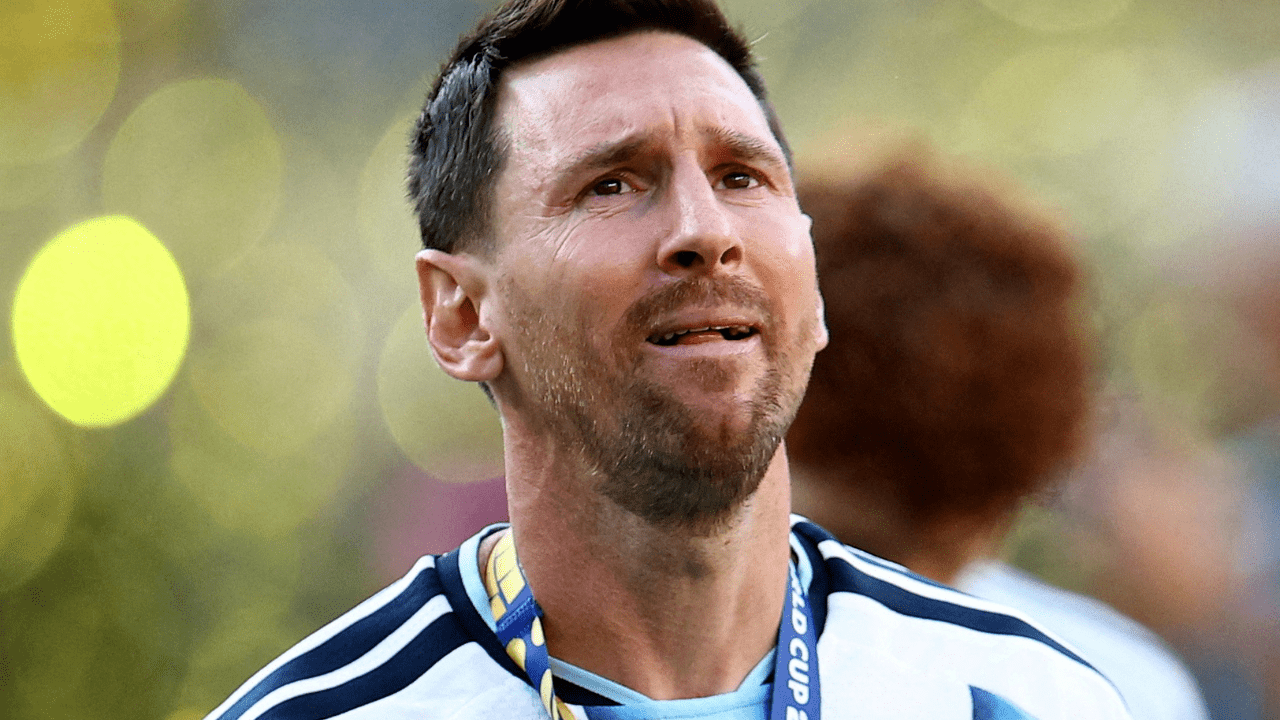
The contrast with his previous World Cup peaks is almost total. In 2014, a 27-year-old Messi carried an otherwise unremarkable Argentine side to the final largely through individual brilliance. He won the Golden Ball despite the loss to Germany, the first of his two career wins of the award.
In 2022, Messi was the tournament’s dominant creative force from start to finish. He scored twice in the final itself, including a penalty and an extra-time strike, en route to Argentina’s shootout win over France, and collected his second Golden Ball as the sport’s only two-time winner.
Sunday offered nothing resembling either of those nights. The Spanish approach wasn’t built around stopping Messi with a single marker or a physical battle he could still occasionally win through sheer craft.
Spain’s strategy centered around denying Argentina the ball entirely. This kept Messi from using the platform he’s used his entire career to conjure moments from nothing. You cannot out-dribble a team that has the ball 65% of the time.
No individual duel between stars occurred to obtain victory, because the Spanish never allowed the game to become a superstar showdown.
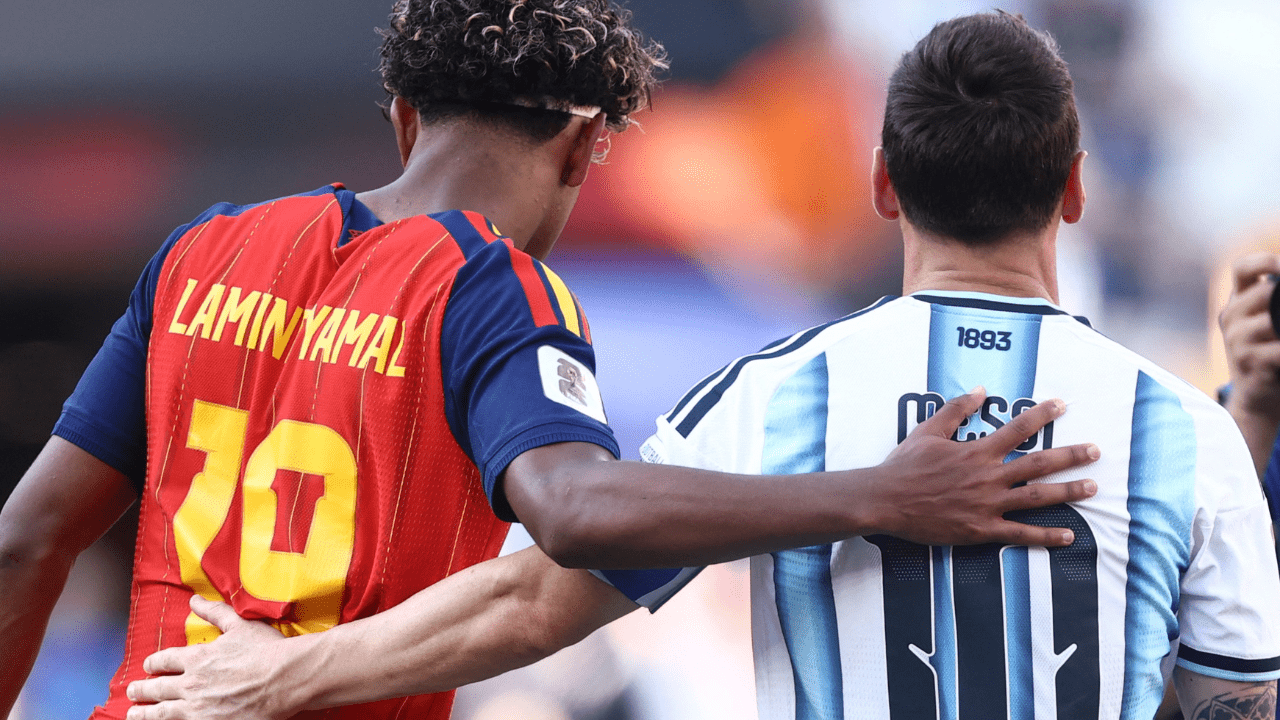
Several outlets have already framed Sunday as a symbolic changing of the guard, with Lamine Yamal “stepping into the GOAT’s shoes” on the same stage where Messi was reduced to a spectator.
It’s a clean narrative, and there’s something to it — Yamal is 19, Messi turns 40 next year, and the timing lines up almost too neatly for a sports story.
It slightly misrepresents what actually happened. Yamal didn’t outduel Messi individually the way Messi once treated his own predecessors; Spain won by being the best team in the tournament.
The Spanish distributed their attacking threat evenly across Yamal, Olmo, Oyarzabal, and eventually Torres off the bench.
Spain’s balanced attack is precisely the model Messi’s Argentina, for all their heart, couldn’t match once Rodri and Spain’s midfield made sure the ball rarely reached him in space.
The torch, if it passed at all, passed from one era’s model of individual genius to another era’s model of collective suffocation — not from one generational talent directly to the next.
Whatever Sunday looked like in isolation, it doesn’t erase the broader picture.
No player in the modern era has sustained that level of consistency across three separate tournament cycles spanning more than a decade.
Messi leaves this World Cup with eight goals and four assists — numbers that, on their own, would headline most other players’ tournaments. The outstanding play came at an age when very few footballers are still performing at genuine World Cup pace at all.
What’s your take? Post it in our free sports community at stadiumrant.app, or download Stadium Rant on the App Store.
Any honest legacy conversation eventually reaches the same three names. Pelé won three World Cups (1958, 1962, 1970) but never had to carry a team the way Messi has across three separate finals appearances.
Pele played alongside multiple genuinely world-class sides rather than being asked to be the plan himself. Diego Maradona’s 1986 tournament remains the individual standard nobody has matched, but it was a single World Cup, not a decade-plus streak of final appearances.
Cristiano Ronaldo, Messi’s closest contemporary rival, has never reached a World Cup final at all, despite six tournament appearances. This is a resume gap that this debate always circles back to, and one Sunday’s result doesn’t close, since a runner-up medal still outranks never getting there.
Measured purely on longevity and sustained relevance at the game’s biggest stage, Messi’s three-final run across 12 years has no real precedent among any of them. The argument was never really about whether Sunday would settle it, and it didn’t.
