
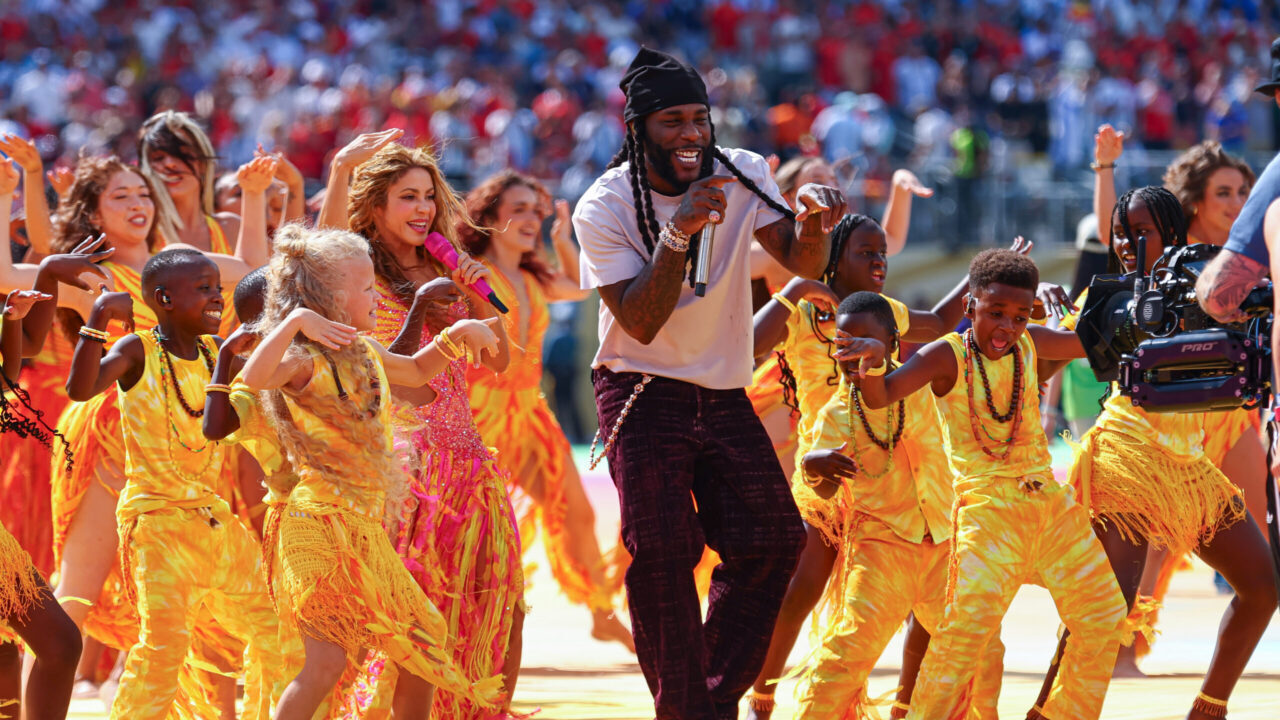
Football, or soccer, is not the most popular sport in the United States, a fact which Americans rarely hide. The relative lack of weight it carries in the country was one of the reasons why many fans were sceptical upon finding out that it would be the main host of the 2026 World Cup. Various topics, from the introduction of hydration breaks to the President getting involved with one of the matches, were debated throughout the tournament. The most recent point of contention was the inaugural half-time show introduced during the final.
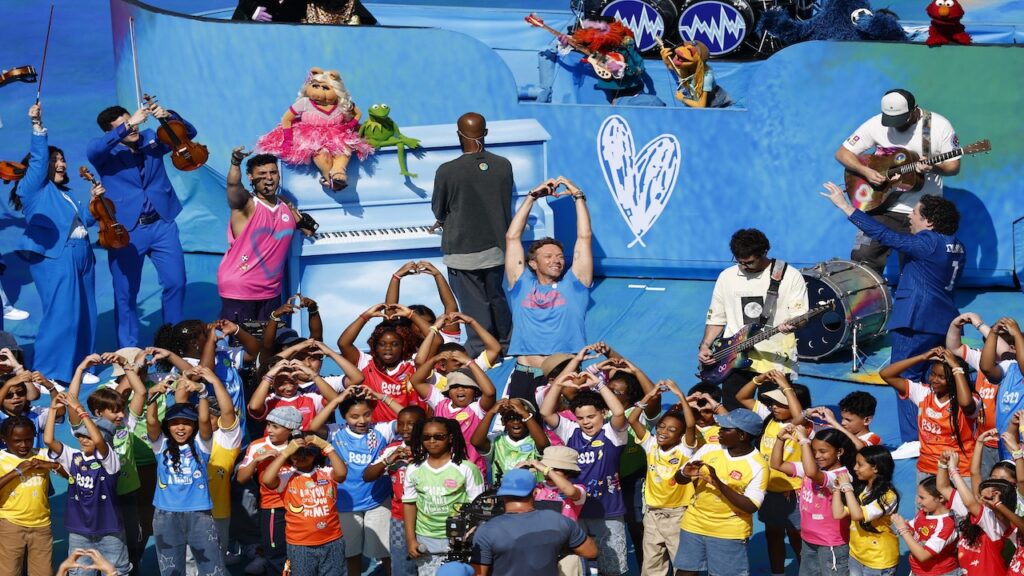
While in a normal game of football, a 15-minute break separates the two halves, during the World Cup final it was extended to just a bit short of 30. The change was necessary if the loudly promised half-time show was to take place. Madonna, Shakira, BTS, Justin Bieber, and Gustavo Dudamel were the main stars of the event, which also included many other dancers and performers. The show was complete with various on-screen visuals, physical decorations, and even airplanes flying over the stadium.
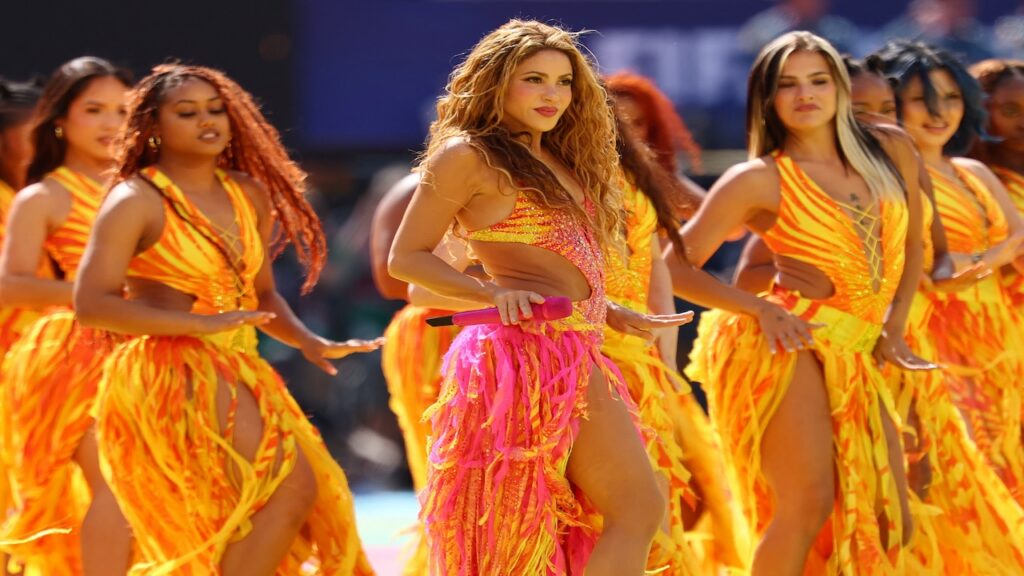
Football’s biggest event has never included a half-time show before, instead aiming to keep the break in play as simple and close to the established 15 minutes as possible. Its inclusion thus caused a lot of controversy, with many fans believing that it should stay a part of the Super Bowl, without infringing on “their” sport. The event did, however, have a silver lining as it supported the FIFA Global Citizen Education Fund. Whether that is the main reason it was created or simply a socially acceptable excuse is a separate question.
Sport is already an incredibly mediatized field, and with every passing year, the relationship between the two only grows tighter. It is no secret that in the modern age every sporting event has to be a spectacle, the main purpose of which is to entertain even those who do not care about its athletic or competitive aspects. The real problem arises when that phenomenon begins to impact the sport itself.
This can happen in many ways, one of the most common of which is when the grand events unrelated to the sport at hand become something that the fans are forced to sit through. Instead of being optional additions, they become entangled with the endeavors of the athletes. The half-time show is the perfect example of exactly that. Included between the two halves of the most important football game of the year, it cannot be looked away from.
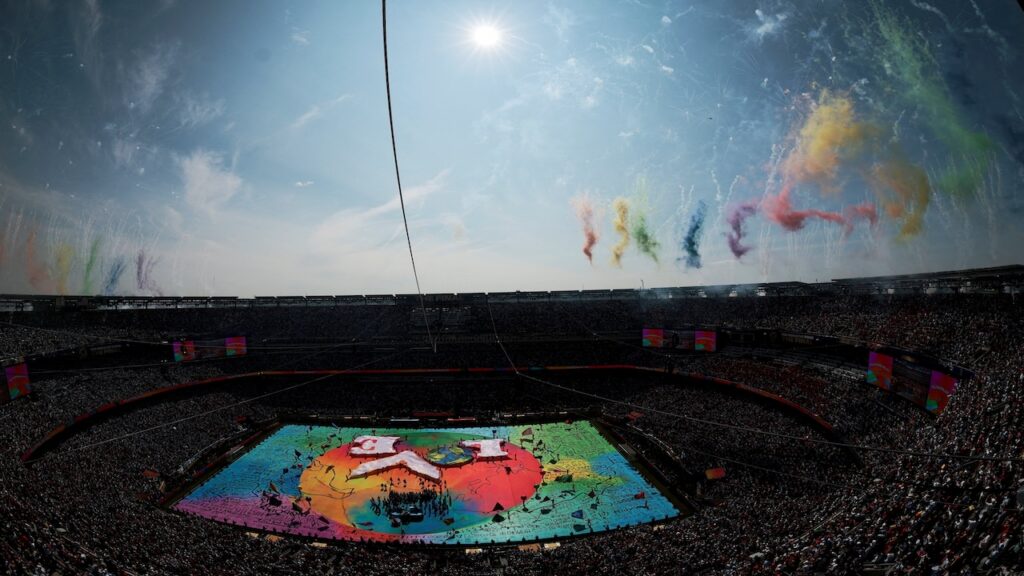
Then there is the second problem: the fact that the halftime show changed the rules of football just to justify its existence. Anyone following the sport knows that the break between the two halves is 15 minutes long, and yet the one present during the final was stretched to almost half an hour. Aside from affecting the fans’ viewing experience, this also directly impacts the game. The players are not used to waiting on the sidelines for that long, and thus, their quality of play can be affected. Is the additional level of mediatizing the already incredibly media-focused event worth sacrificing the sport at the very core of the World Cup?
The phenomenon I have described is not exclusively American. However, although the increased focus on creating a spectacle can be observed everywhere, it tends to be amplified whenever sport in the US is concerned. The half-time show, carried over from American football and introduced for the first time in the World Cup’s history, provides the perfect example. A similar dependency can be seen in other sports.
In Formula One, the Grand Prix held in America, especially those happening on the streets of Las Vegas, are famous for their over-the-top entertainment-focused elements. To give an example, during the last iteration of the Las Vegas Grand Prix, the fans waiting for the podium ceremony were treated to a fountain and fireworks show directed by Disney’s Mickey Mouse. The moment led to many discussions regarding the Americanization of the sport and the impact of the US’s constantly growing influence on its very structure.
Returning to the World Cup, its Americanization is not limited only to the half-time show. The tournament as a whole has been heavily criticized in relation to the phenomenon. The fact that it was held in the US allowed FIFA to significantly accelerate its efforts to further commercialize the already incredibly lucrative sport. It was as if they had been given a free pass to stretch the boundaries of what had previously been seen as acceptable, while also compromising on the game itself in the process.
The half-time show, controversial as it may have been, was only a symptom of a much deeper-rooted issue. As the landscape of sports media changes, it seems to shift away from the sports themselves, instead focusing on the creation of spectacles and enticing entertainment products to be sold to new audiences. As global sporting events are continuously commercialized, they often turn into caricatures of what they had once been. Yes, change is both important and inevitable, but what should be done when it veers into a concerning direction?
