
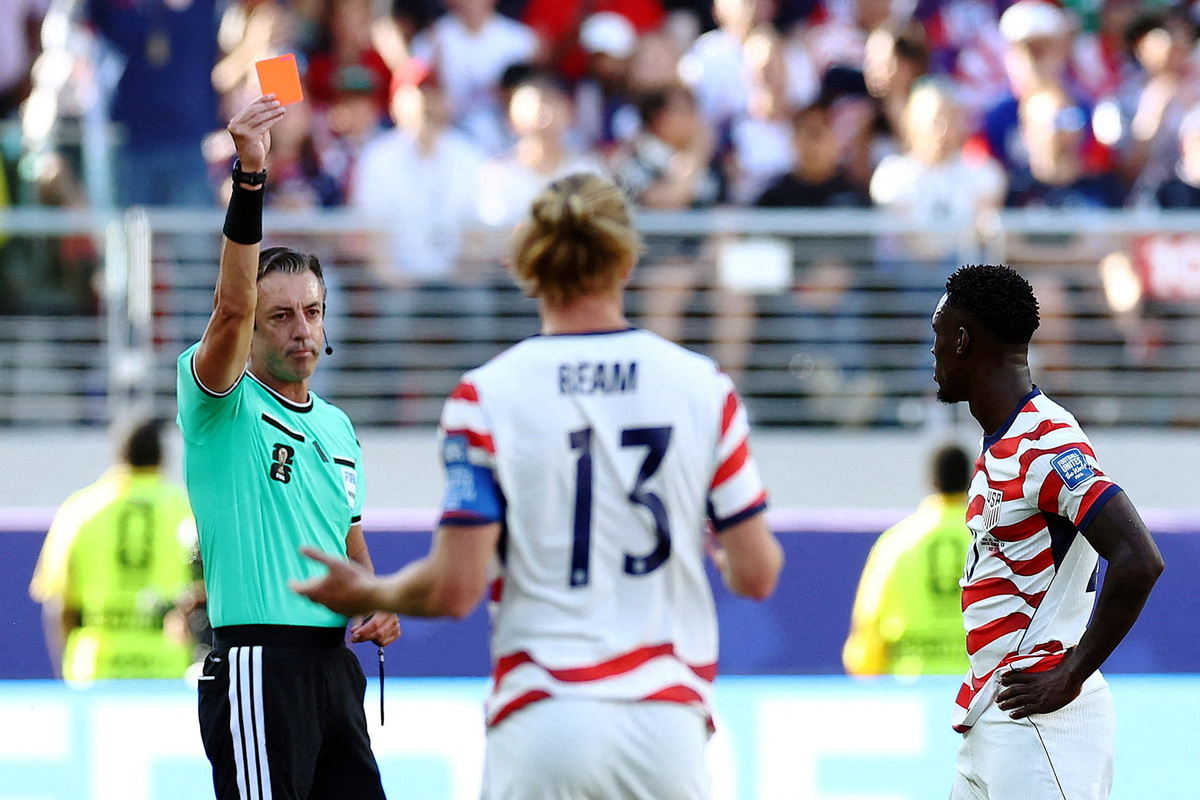
Football and controversies have always gone hand in hand. Over the years, the Fédération Internationale de Football Association, more commonly known as FIFA, has made many decisions that have become the subjects of heated discussions. A few of them could be seen in the 2026 World Cup. The introduction of hydration breaks or the addition of the final half-time show were all met with loud disappointment. Unfortunately, they pale in comparison to the unbelievable red card-centered controversy that has shaken football fans all over the world.
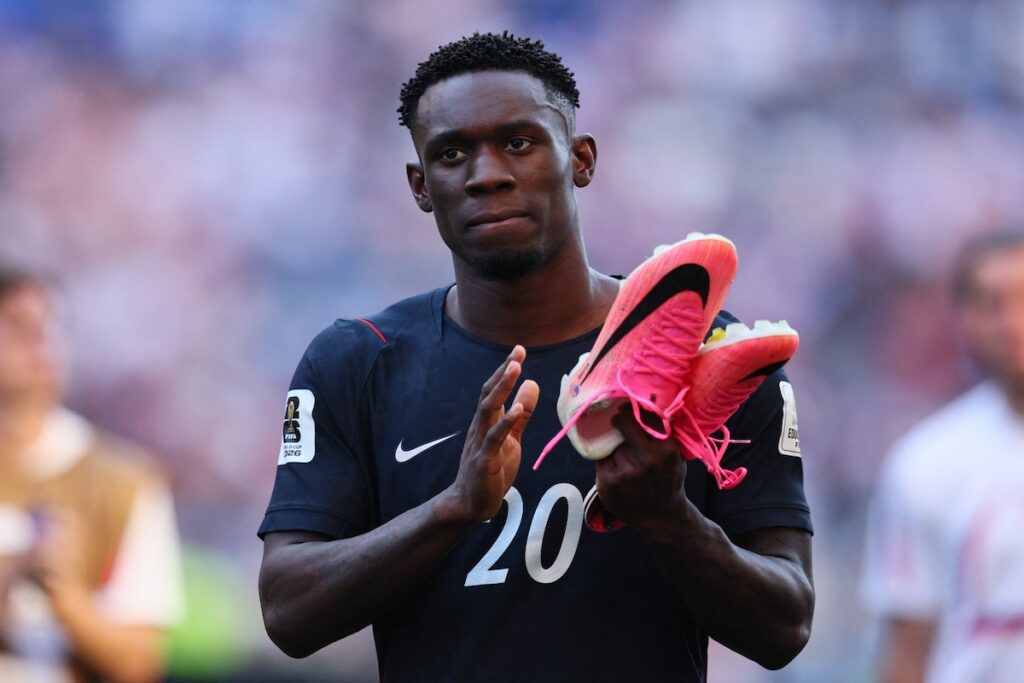
During a game held between the US and Bosnia and Herzegovina, Folarin Balogun stepped on the ankle of Tarik Muharemović. Although he was not booked immediately, after the game’s referee, Raphael Claus, reviewed the incident, he decided that a straight red card would be the most appropriate punishment. The decision was deemed controversial, but, as per the rules of football, it stood, and the American striker was taken off the field.
For Balogun, it also meant a suspension for the USA’s match against Belgium. Although it is a standard consequence of a red card, it appeared unfair to the hosting country’s president, Donald Trump.
Trump admitted to having reached out to FIFA’s president, Gianni Infantino, in hopes of making Balogun available for the upcoming game.
“I asked for a review because I didn’t think it was a foul. I thought it was two great athletes that crashed into each other and got entangled. That was not a guy punching somebody in the face or anything. (…) I didn’t tell him [Infantino] what to do; I can’t tell him what to do. I don’t believe he made the decision; I think it was a committee that made the decision, and they made the right decision”
Trump went on to claim that taking Balogun out would have been “a stain on the game”, as he is one of the team’s best players. In his eyes, not allowing a striker this important onto the field would have drastically decreased the quality of the game. His criticism of the situation focused heavily on the game’s referee:
“I think the referee’s call was horrible (…) This referee, who is a little bit suspect if you check his past.”
Trump’s intervention did exactly what he hoped it would. Despite the red card, Balogun’s automatic match suspension was suspended: a move never before seen in the history of the World Cup. The player was thus available to play against Belgium in a game that the US ended up losing 1:4.
The situation is making a mockery of football. With Balogun’s suspension revoked, a precedent has been set: any change can be made to the sport as long as people in power decide to get involved. No matter if the punishment was warranted or not, a decision has been made, and FIFA should, by all means, stick to it. In defence of their team, some fans of the USMNT claim that this isn’t the governing body’s only controversy and that people are only offended by the call because it benefits the US. This is a weak argument that suggests an absolutist view in which pointing attention to a small fault is insignificant because it does not consider the totality of issues.
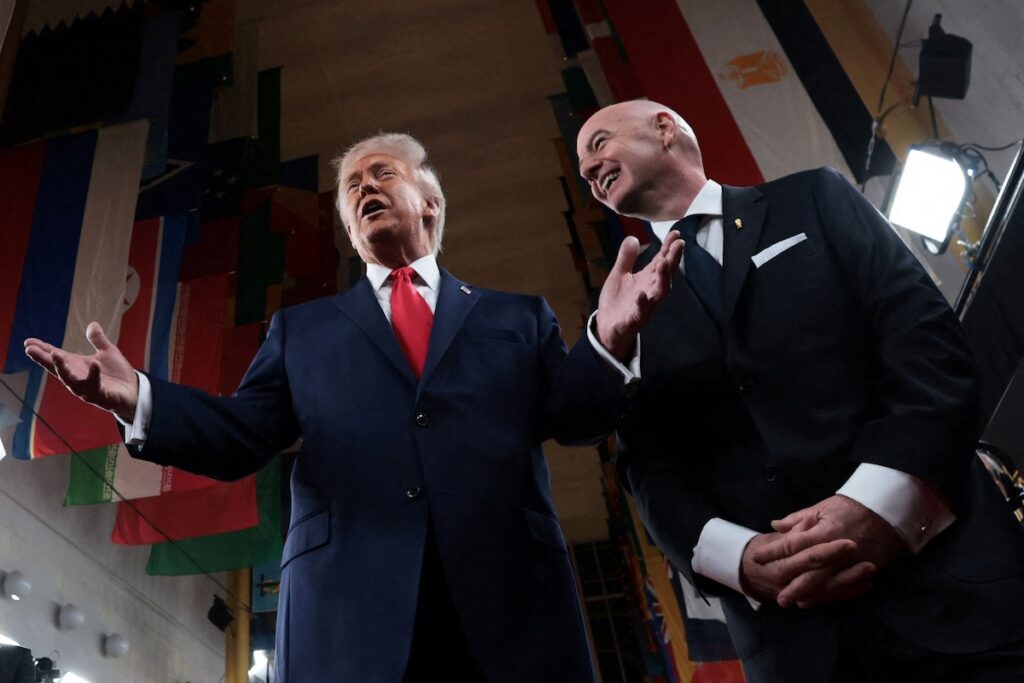
The revoking of the red card revealed power dynamics that have always been there, but that usually stayed hidden away. It bared the flaws of international sport and its connection to politics and power. The fact that the president of the United States felt like he could and should get involved in his team’s performance is surprising in its own right, but the way in which he tackled the issue only made the situation all the more unbelievable.
Directing thinly veiled threats at the referee was paired with Trump showcasing his ignorance regarding the sport he feels entitled to interfere in. As he spoke about the incident, he admitted, more than once, to being unaware of the rules related to red cards:
“Red card, I didn’t know what the hell a red card was. When I found out, I said, you got to be kidding (…) And he gave him a red card. I didn’t know what that meant. I didn’t think it meant much. Then I started hearing that that means he can’t play in the next game. That’s very unfair. You know, it’s one thing to penalise somebody for the game, but how do you penalise them for the game that hasn’t been played yet?”
Trump’s statements show that he is not a football expert and not a person who should be speaking out on it, let alone trying to interfere with its result. Despite that, one phone call was all it took for him to change the rules of the World Cup as it was happening. This isn’t the first time he has entangled himself with FIFA in a rather questionable way. A little over half a year ago, the politician was awarded the inaugural “FIFA Peace Prize – Football Unites the World”. It begs the question, where should the line be drawn? How many ties are too many?
The saga of Balogun’s red card infuriated football fans, tainting both the tournament and the way in which many of them viewed the USMNT. Although they had gained people’s sympathy throughout the World Cup, when it came to the match against Belgium, few international fans could bring themselves to root for a team with a red-carded player in the starting 11. The 1:4 loss was seen as retribution for the unpleasant situation.
