
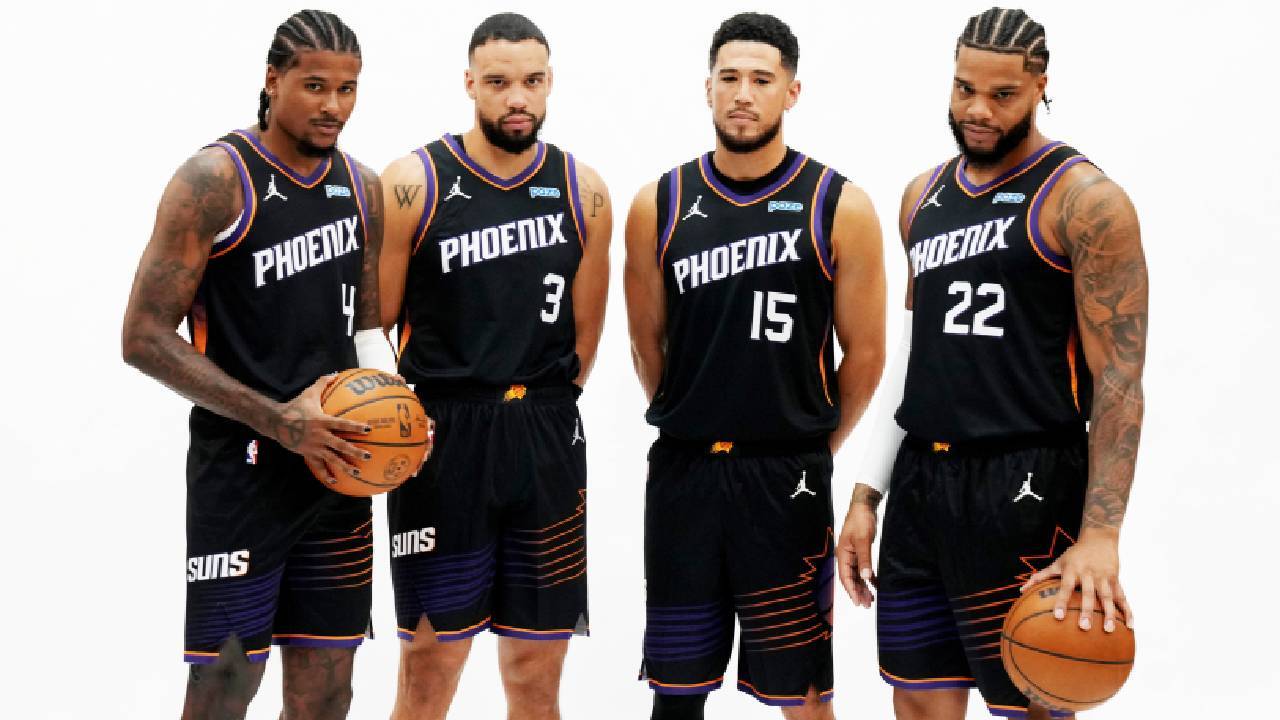
The Phoenix Suns training camp has produced a clearer picture of Jordan Ott’s team, even if one major question remains unresolved. Devin Booker, Jalen Green, Dillon Brooks, and Miles Bridges appear set as four starters. Oso Ighodaro and Khaman Maluach will compete for the final spot while Mark Williams recovers from a left shoulder injury. The center battle could determine how Phoenix balances size, playmaking, defense, and spacing throughout the opening weeks.
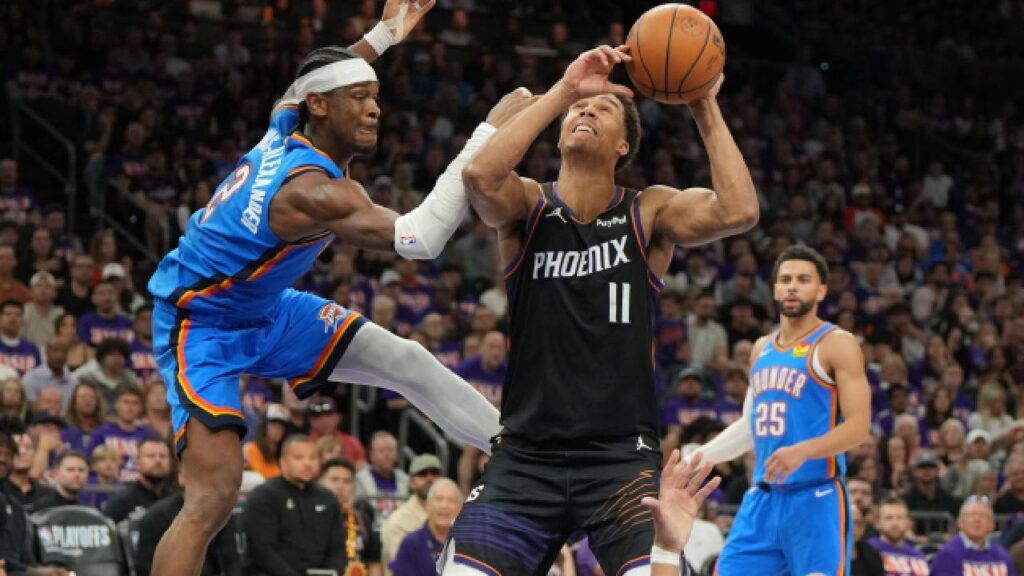
Ighodaro enters the competition with significantly more NBA experience after averaging 6.5 points, 5.1 rebounds, and 2.3 assists in 82 games last season. Maluach appeared in 46 games as a rookie and averaged 3.0 points, 2.9 rebounds, and 0.7 blocks in 8.9 minutes per game. The 7-foot-1 center brings a different option to the Suns with his frame and developing defensive game. Williams averaged 11.7 points, 8.0 rebounds, and 0.9 blocks in 60 games last season, leaving no single replacement capable of reproducing his entire impact.
Arizona Republic reporter Duane Rankin relayed that Ott will let preseason decide the starting-center competition rather than rushing a choice. “We want to let the preseason play out, but a couple of days going into it, we’ll know,” Ott said. Maluach described the battle in Rankin’s report, saying, “It’s going great because we’re getting each other better. It’s not guaranteed for any of us to start.”
Ighodaro’s mobility and passing make him the cleaner fit for Phoenix’s positionless offense, while Maluach provides greater vertical size and rim protection. Williams’ absence also costs the Suns rebounding, interior finishing, screening, and paint protection, making the competition about combining complementary strengths rather than finding a statistical replacement. Both centers should remain involved even after the starting decision, particularly with Ott emphasizing matchup-based combinations.
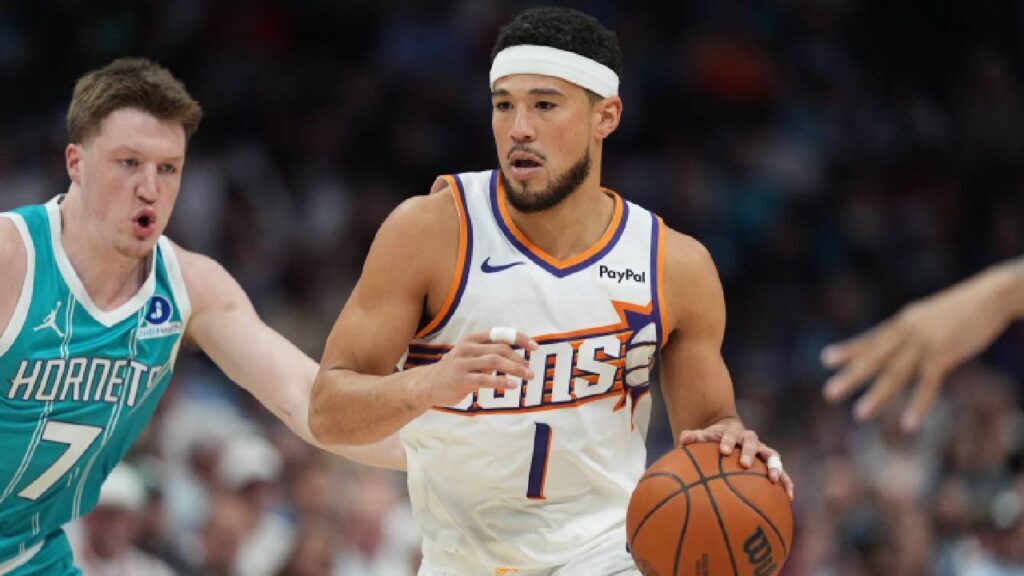
Booker remains the offensive hub after averaging 26.1 points and 6.0 assists last season. One of the clearest Phoenix Suns Training Camp developments has been the emphasis on creating more offense around Booker. Green averaged 17.8 points, 3.6 rebounds, and 2.8 assists in 32 games last season, making his development as a facilitator one of the roster’s most important offensive questions. The positionless approach gives Ott more ways to attack without taking the ball out of Booker’s hands entirely.
Green and Bridges can create from the wing, while Booker can choose between scoring and passing depending on how defenses react. Booker specifically said he wants to maintain his playmaking while becoming more aggressive as a scorer, a balance that fits the offense the Suns are building around him. Ighodaro can also facilitate from the frontcourt, giving Ott another player capable of keeping possessions moving.
Spacing will determine whether the concept works. Kennard shot 47.8% from three last season, while Reath provides another perimeter option at center, creating a stark contrast with the more physical Ighodaro-Maluach combinations. Phoenix therefore has the personnel to play bigger or prioritize shooting without abandoning the same basic offensive principles.

Kennard has quickly become an important piece of the Suns’ offensive structure. Ott praised his work during the team’s scrimmage and said, “Luke changes the geometry on the weak side. We’ll use him. We’ll try to use him all around.” The Kennard addition gives Phoenix a veteran shooter capable of stretching defenses without demanding the ball.
Kennard’s 47.8% three-point accuracy came on 3.1 attempts per game last season, making increased volume the next question. Kennard has been encouraged to shoot more and capitalize on opportunities within Ott’s system. Increased volume could make his offensive value considerably larger than his 8.4-point scoring average suggests. More movement shooting would also create cleaner driving lanes for Booker and Green.
Kennard’s presence could influence the center decision as well. Ighodaro’s passing can connect him with shooters around the perimeter, while Maluach can pressure the rim when defenses stay attached to Kennard. The scrimmage pairing of Kennard and Ighodaro therefore offers Ott an intriguing blend of spacing and frontcourt playmaking.
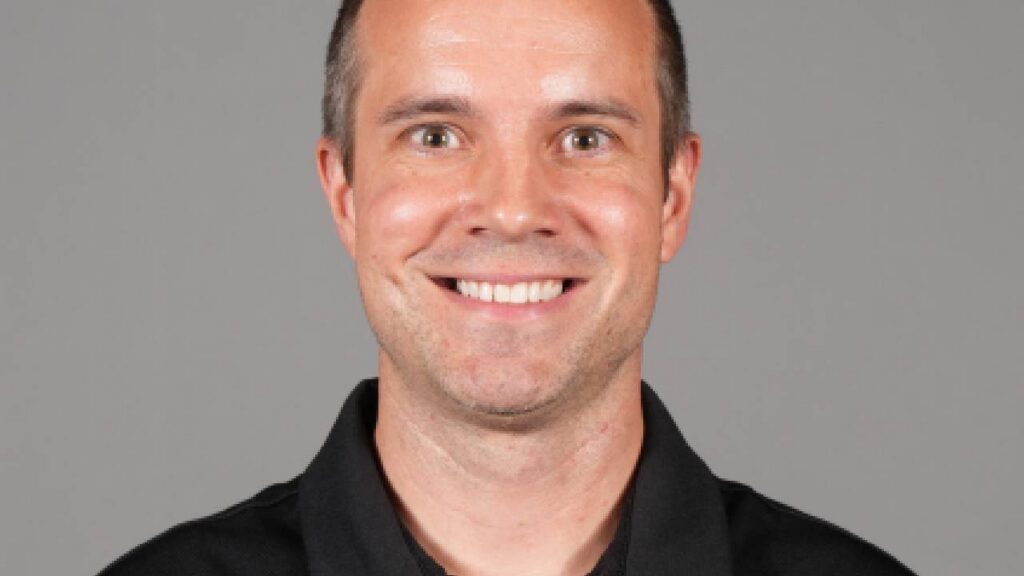
The Phoenix suns training Camp has given Ott enough information to begin projecting a nine- or 10-man regular-season rotation, although the following group is not official. Booker, Green, Brooks, Bridges, and the eventual starting center form Phoenix’s expected first unit. Kennard, Collin Gillespie, Jordan Goodwin, and Rasheer Fleming provide the initial bench group. The second center will give the Suns a 10th option if Ott chooses to carry both Ighodaro and Maluach in the regular rotation.
Gillespie already has chemistry with Ighodaro after the pair shared 1,232 minutes last season. Goodwin gives Phoenix another guard who can defend and organize possessions, while Fleming adds athleticism on the wing and Kennard supplies the elite shooting the group needs. Ott has stressed that the Suns’ depth can become a competitive advantage rather than simply a reason to distribute minutes.
The coaching staff has also avoided locking players into permanent units during camp. Ott said Phoenix has “mixed and matched” lineups during scrimmages, allowing the staff to evaluate combinations instead of deciding too early which players belong together. That approach should help determine whether the projected group can function as a cohesive rotation.
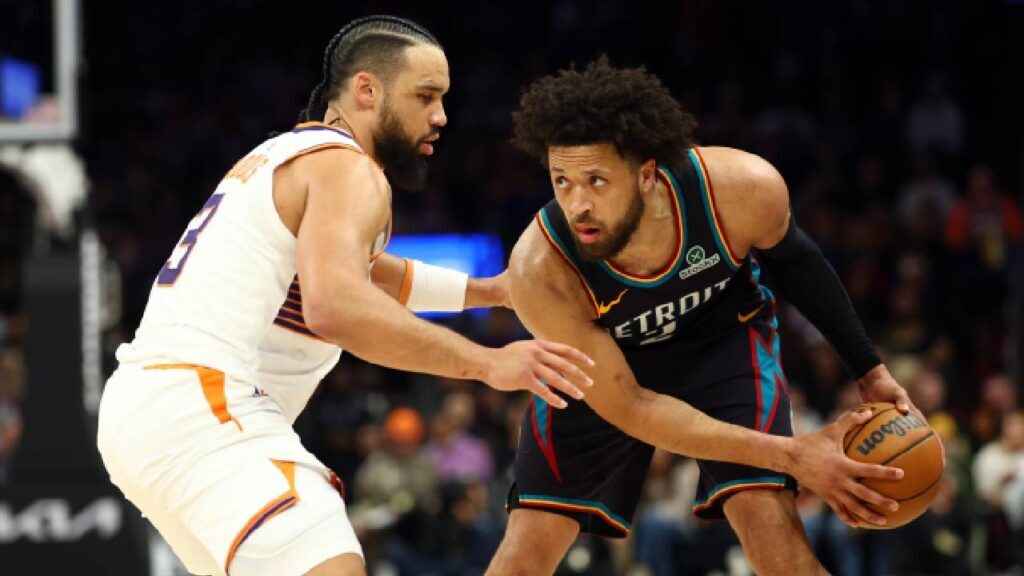
The Phoenix Suns training camp moves into its first preseason test on the fifth of October when the Suns visit the Detroit Pistons. Phoenix played their high-minute players for 20 to 24 minutes during Friday’s scrimmage. Ott said Saturday that the staff wanted to build minutes while evaluating the group’s progress. The preseason opener should provide the first real evidence of which combinations deserve more attention.
The center rotation is the most important matchup to watch because Detroit can test both the Suns’ interior defense and its ability to maintain offensive flow without Williams. Kennard’s minutes alongside Ighodaro should also reveal whether his shooting creates enough space for Booker and Green to attack. A strong performance from that combination could give Ott an early template for his preferred second unit.
The San Antonio Spurs should provide an even more revealing test because Phoenix faces the Spurs twice. Maluach’s size and rim protection could make him particularly valuable against Victor Wembanyama, while Ighodaro’s mobility and passing could help the Suns move the ball against an elite interior defender. Those games should show whether Phoenix have a dependable center plan or merely several situational options.
The Phoenix Suns training camp has not produced a definitive answer at center, but the competition has clarified what each candidate offers. Ighodaro brings experience, mobility, and passing, while Maluach brings size, rim protection, and developmental upside; neither needs to reproduce Williams’ entire role if the Suns use the position strategically. The eventual starter matters, but the larger question is whether Ott can build dependable combinations around both players.
Booker’s scoring and playmaking, Green’s development as a secondary creator, Kennard’s elite shooting, and a deeper rotation give Phoenix a more versatile offensive foundation. The preseason now needs to show whether that versatility can produce efficient offense without sacrificing rebounding and interior defense. The Pistons provide the first test, while the center competition and evolving offensive structure should remain the defining Suns storylines until the October 21 opener.
