
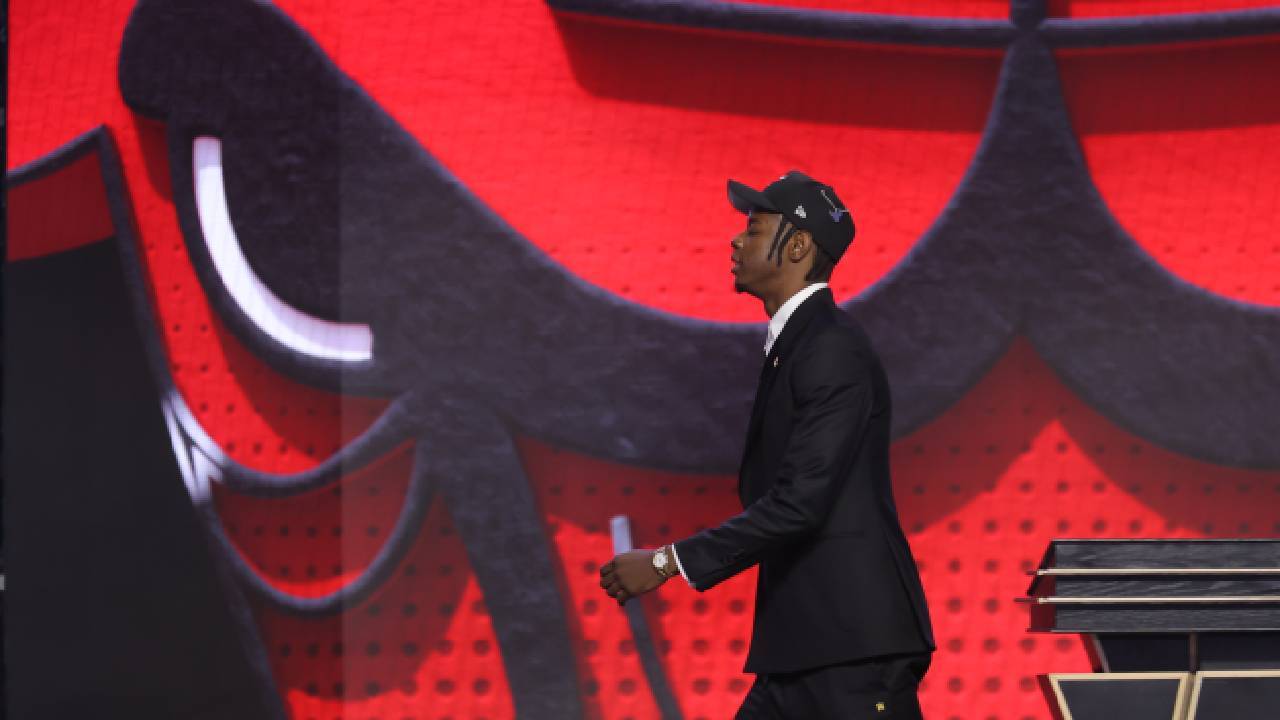
Chicago Bulls training camp is already testing how Tiago Splitter will deploy his young frontcourt. Caleb Wilson is taking perimeter assignments, Matas Buzelis is developing beside the rookie, Nic Claxton is anchoring the interior, and Dailyn Swain is pushing for wing minutes. Splitter’s early practices have centered on defensive versatility and player development, while competition for rotation spots has started to take shape.
Chicago’s previous updates outlined the franchise’s offseason reset under Splitter and executive vice president Bryson Graham. The Chicago Bulls training camp came after a 31-51 season in which the defense allowed 121.5 points per game and posted a 118.1 defensive rating, which ranked 22nd in the NBA. That defensive rating explains Splitter’s early emphasis on communication, screen navigation, and matchup flexibility.
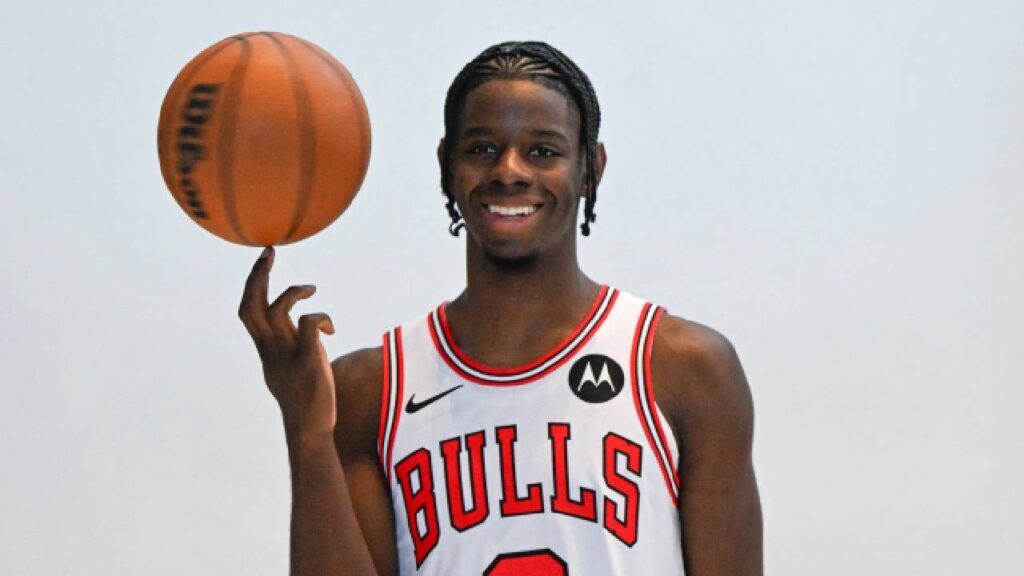
Wilson’s first major challenge has been learning to defend NBA players in situations that were less common during his college career. Splitter has emphasized perimeter defense, screen navigation, and matchup flexibility rather than allowing the No. 4 overall pick to settle into a traditional power-forward role. Wilson’s defensive role shows how quickly the Bulls are expanding his responsibilities.
Splitter explained that Wilson spent most of his college career defending as a big and now must become comfortable navigating screens on the perimeter. “We want to be more aggressive” on defense, Splitter said, while Wilson offered an equally direct response: “I’m comfortable guarding whoever they put in front of me.” A starting role would likely place Wilson on opposing power forwards, while moving Buzelis closer to his natural small-forward position.
Wilson’s college production helps explain Chicago’s confidence in the rookie. The North Carolina Tar Heels product averaged 19.8 points, 9.4 rebounds, 2.7 assists, 1.5 steals, and 1.4 blocks across 24 games in 2025-26. That broad statistical profile helped make Wilson the No. 4 pick. The NBA scouting profile highlights his length, quickness, and potential as a switchable forward.

Buzelis and Wilson have emerged as an intriguing developmental combination because the Bulls can test their fit without asking either player to completely change his game. Buzelis averaged 16.3 points, 5.8 rebounds, and 2.1 assists while shooting 34.9% from three across 77 games last season. Chicago can use Buzelis’ perimeter scoring as an important complement beside Wilson. The Buzelis statistics show why his shooting will matter if the two forwards share the floor regularly.
Buzelis said Wilson feels like “my brother” and “my twin,” while the Buzelis-Wilson report shows the young forwards have already worked together and competed against each other in practice.
Spacing remains the clearest basketball question surrounding that pairing. Claxton attempted only 19 three-pointers last season and made three. Buzelis, Wilson, Powell, and Giddey will carry much of the perimeter burden when the projected starters share the floor. The Claxton shooting numbers make Buzelis’ 34.9% three-point shooting and Wilson’s developing perimeter game particularly important while Claxton operates primarily as a screener, roller, and interior finisher.
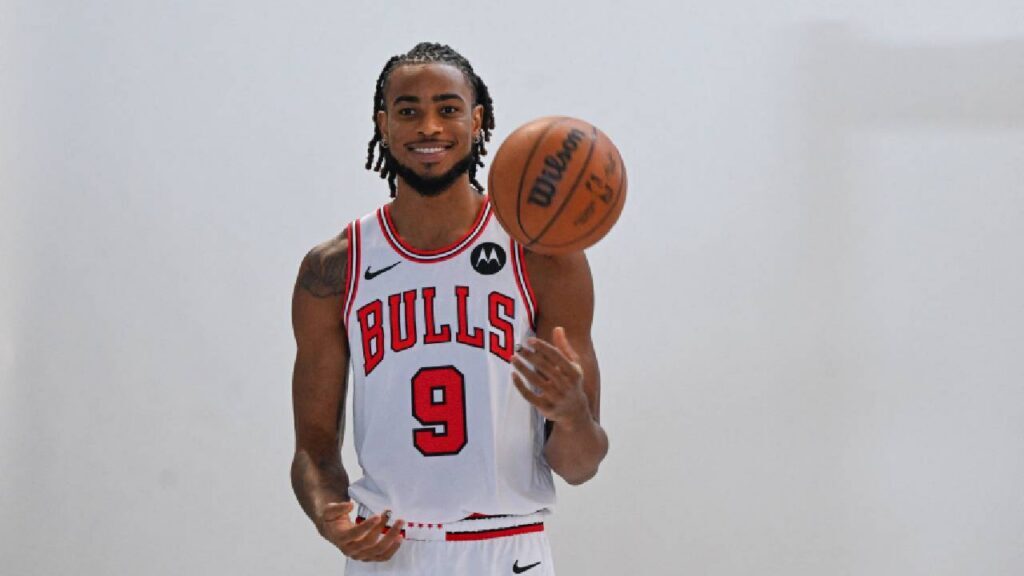
Claxton gives Splitter a veteran center capable of protecting the basket and handling the physical responsibilities of anchoring the interior. Claxton averaged 11.7 points, 6.9 rebounds, and 3.7 assists in 69 games for Brooklyn last season while shooting 57.1% from the field. The Claxton statistics establish the baseline for evaluating his first season with the Bulls.
The central question is whether Claxton can regain his previous defensive level after a statistical decline last season. The center’s defensive box plus-minus fell to 0.6, his lowest mark since 2021-22, while his 57.1% field-goal percentage was his second-lowest mark since that season. Claxton’s back comments at Media Day also addressed a concern from earlier in his career: “Last year it wasn’t a problem. It’s not a problem now.” Chicago needs Claxton to protect the rim while Wilson and Buzelis use their mobility away from the paint. A defensive rebound from the center would stabilize Splitter’s young frontcourt.
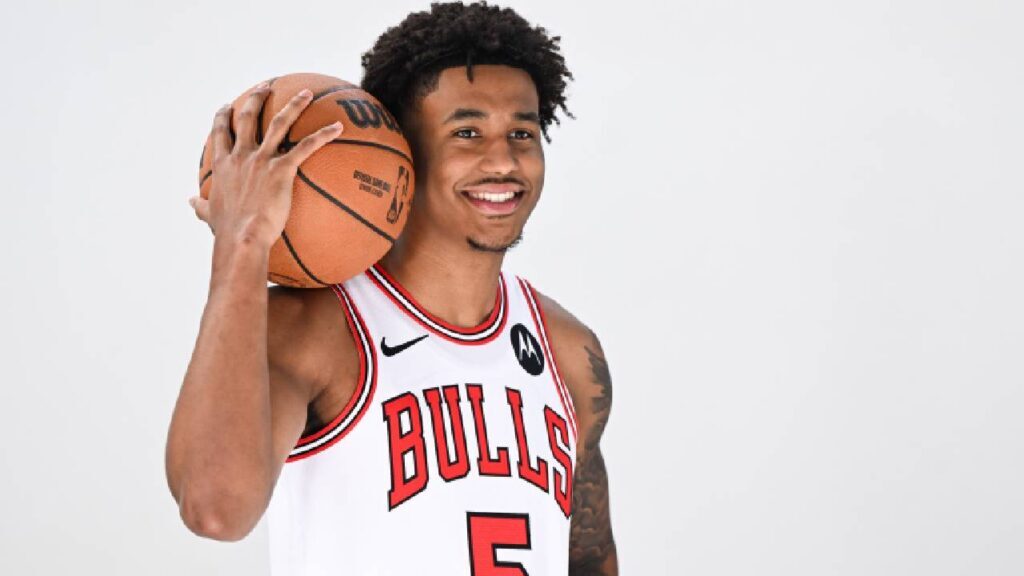
Swain entered camp with something to prove after shooting 4-for-31 from the field and 0-for-7 from three across four Summer League games. Splitter has described the rookie’s change as “night and day.” Swain is getting into the paint, finishing, and playing more like the player Chicago expected when selecting him No. 15 overall. The Swain camp response shows a more encouraging start than his Summer League numbers suggested.
Splitter’s praise has focused on specific improvements rather than a vague declaration that Swain looks better. Swain has attacked the paint with more confidence and has also defended players such as Wilson, Powell, and Buddy Hield. Those assignments create a potential path to minutes without requiring a high-usage offensive role. The direct competition is already established, with Swain battling Okoro and Patrick Williams for reserve wing minutes.
Splitter has praised Okoro’s physicality, relentlessness, and screen navigation while saying the veteran will “definitely” play a lot. The Okoro camp role clarifies the standard Swain must meet, with Williams also competing for forward minutes.

Chicago’s first preseason game against the Phoenix Suns arrives October 7, giving Splitter the first live-game opportunity to test the combinations emerging from camp. The preseason schedule lists Phoenix as the first of five preseason opponents before the Bulls open the regular season on October 21.
The projected starting group provides the clearest framework for those tests, although the lineup remains a camp projection rather than a confirmed opening-night decision. Giddey and Powell would provide the primary perimeter creation, Buzelis and Wilson would give Chicago size and scoring versatility, and Claxton would handle the interior responsibilities. The competition involving Swain, Okoro, and Williams will determine how much of that flexibility carries beyond the projected starting five.
The first week of Chicago Bulls training camp has produced four developments with direct implications for the 2026-27 rotation. Wilson is preparing for broader defensive assignments. Buzelis is testing his fit beside the rookie, Claxton is taking on interior responsibilities, and Swain is trying to turn a difficult Summer League into a legitimate rotation opportunity. Splitter now has four distinct development questions to evaluate before opening night.
Preseason games will provide the first meaningful test of those ideas. The October 7 matchup with Phoenix should reveal whether Wilson and Buzelis can function together. The preseason game should also show whether Claxton can anchor the interior and whether Swain’s improved camp play translates against NBA competition. Those results will demonstrate which players have earned larger roles when Chicago begins setting its regular-season rotation.
