

The Phoenix Suns Mark Williams injury has created a major problem before training camp begins. Williams underwent left shoulder surgery on September 10 to repair a torn labrum suffered during an offseason workout. Phoenix confirmed the procedure on September 11 without establishing a return timetable. Arizona Sports’ John Gambadoro placed the recovery at a five-month minimum, making a return near the All-Star break a possibility, not an established target.
Oso Ighodaro enters training camp as the most experienced internal option, but the Suns are likely to use a committee instead of expecting one player to reproduce Williams’ entire role. Williams signed a three-year, $38 million contract in July after averaging 11.7 points, 8.0 rebounds, and 23.6 minutes per game last season. The 7-foot-1 center also started 55 of his career-high 60 appearances, leaving Phoenix to replace its starter through Ighodaro, Khaman Maluach, and newly signed Duop Reath.
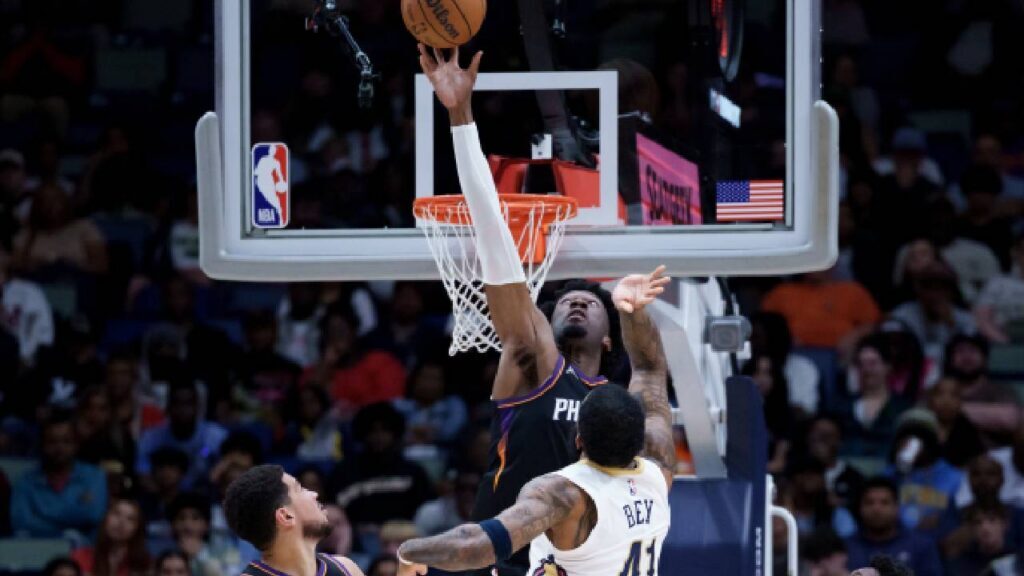
Williams’ injury could remove the expected starting center for much of the 2026-27 season. The Suns have not announced an official recovery timetable, while Gambadoro’s five-month figure remains an estimate, not a team projection. Phoenix said, “A return timetable for his return to play will be established at a later date,” leaving an All-Star-break return possible but far from guaranteed.
Williams’ availability improved during his first season with the Suns. The center appeared in 60 games and made 55 starts after never playing more than 44 games in any of his three seasons with the Charlotte Hornets. Williams averaged 11.7 points, 8.0 rebounds, and nearly one block per game while shooting 64 percent from the field. Phoenix then committed $38 million over three years, making the injury a significant interruption to the roster plan.
The loss extends beyond scoring. Williams supplied screening, interior finishing, rebounding, and paint protection while giving Devin Booker and Jalen Green a traditional interior target. An 8.0-rebound average also creates a measurable gap because Ighodaro averaged 5.1 rebounds last season and Maluach averaged 2.9 in a limited rookie role.

Reath gives the Suns a veteran option after adding the stretch center on a one-year veteran minimum contract. Reath averaged 2.9 points and 1.2 rebounds in 32 games last season, but his 41.8% three-point shooting provides a skill neither Ighodaro nor Maluach offers. The Reath signing gives Phoenix offensive flexibility without replacing Williams’ interior production.
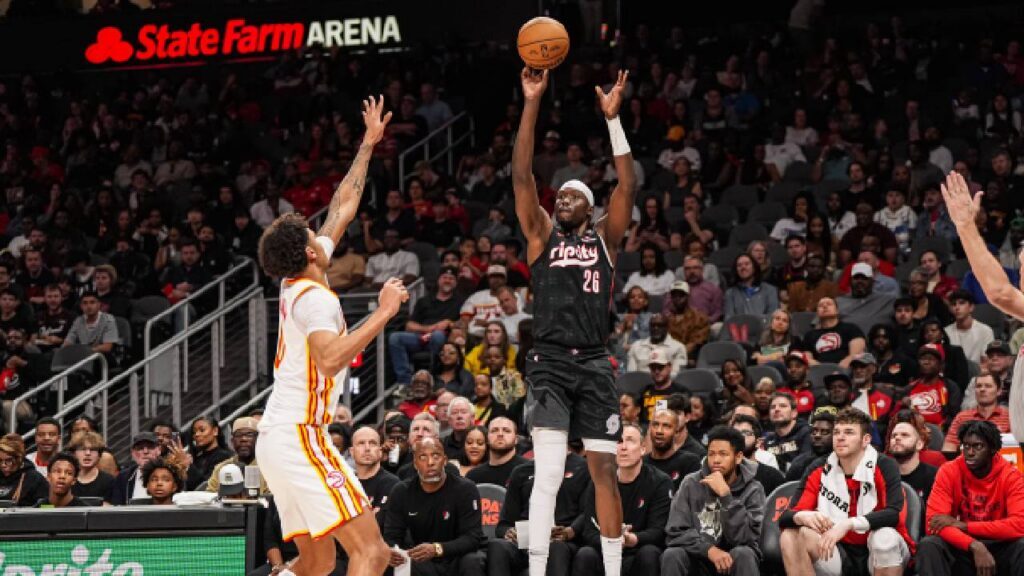
Reath’s limited 2025-26 workload also puts the signing in perspective. The 6-foot-9 center averaged only 8.1 minutes per game before undergoing season-ending right foot surgery in late January, so his immediate availability and workload will require monitoring. The Suns can use Reath when floor spacing becomes a priority, while Ighodaro and Maluach address more of the size and rebounding responsibilities created by Williams’ absence.

Ighodaro enters camp with the strongest case to absorb major early-season minutes because of his Phoenix experience. Ighodaro played all 82 games last season and averaged 6.5 points, 5.1 rebounds, and 2.3 assists in 22.0 minutes while making 24 starts. The NBA statistics show a 65.3% field-goal percentage, reinforcing his value as an efficient interior player rather than a high-volume scorer.
Ighodaro’s strongest evidence comes from the games when Williams was unavailable last season. Over 22 games without Williams, Ighodaro averaged 8.4 points, 6.0 rebounds, 3.2 assists, 0.9 steals, and 0.9 blocks in 27.4 minutes while shooting 67.4% from the field. That sample does not make Ighodaro a statistical replacement for Williams, but it gives the Suns actual evidence of how the third-year big can perform with a larger workload.
Ighodaro’s value comes from connecting different parts of the lineup rather than matching Williams’ physical profile. Passing, screening, mobility, and defensive versatility allow the 6-foot-11 big man to function as a facilitator, while the smaller rebounding totals leave Phoenix more vulnerable against powerful opposing centers. A larger Ighodaro role offers the clearest path to continuity, but another big must handle matchups where size becomes decisive.
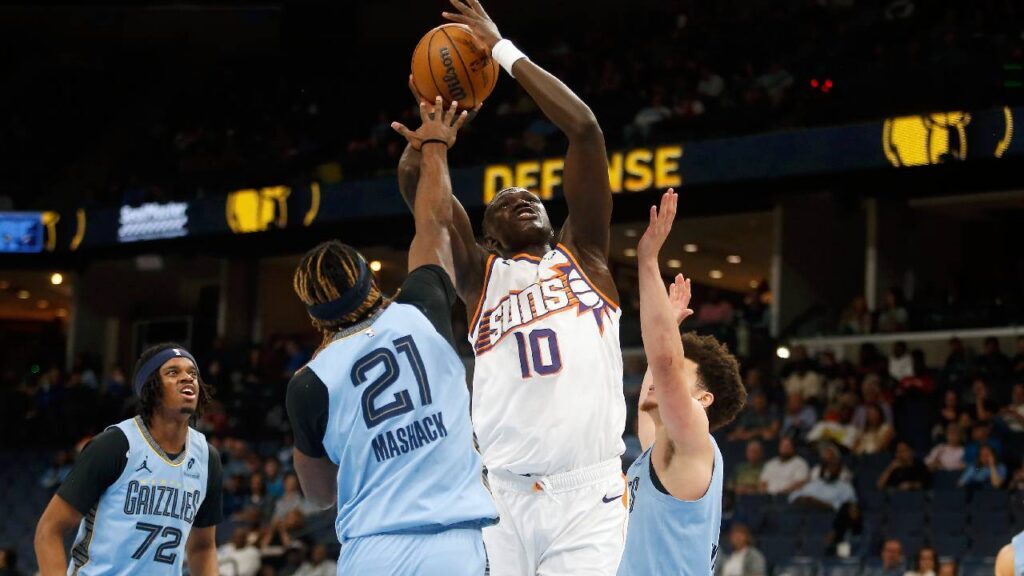
Maluach represents a different solution from Ighodaro. The second-year center averaged 3.0 points and 2.9 rebounds in 8.9 minutes across 46 games as a rookie. The 7-foot-1 big man brings the length and rim-protection potential needed to address the physical gap left by Williams. Maluach also averaged 19.5 points, 12.8 rebounds, and 2.0 blocks across four 2026 Summer League games while shooting 40% from three-point range.
Experience remains the major difference between Maluach and Ighodaro. Maluach logged only 8.9 minutes per game as a rookie and started once, while Ighodaro already has 143 NBA appearances and 30 starts across his first two seasons. The Summer League results provide encouraging evidence of Maluach’s development, but regular-season matchups will determine whether those physical tools can support a starting-caliber workload.
Maluach’s development could determine how the Suns divides the center minutes. Strong defensive positioning and rebounding would give Phoenix a way to use his size against larger frontcourts, while inconsistent positioning could shift more responsibility toward Ighodaro. Maluach does not need to reproduce Williams’ entire game to become valuable; rim protection and rebounding alone could address two major losses.
| Center | 2025-26 Production | Primary Value | Biggest Concern |
| Oso Ighodaro | 6.5 PPG, 5.1 RPG, 2.3 APG; 22.0 MPG | Experience, passing, versatility | Size and rebounding |
| Khaman Maluach | 3.0 PPG, 2.9 RPG; 8.9 MPG | Length, rim protection, rebounding upside | Limited NBA experience |
| Duop Reath | 2.9 PPG, 1.2 RPG; 41.8% 3PT | Floor spacing and veteran experience | Interior defense and rebounding |
The Suns have the personnel to distribute Williams’ responsibilities across three different skill sets. Ighodaro provides the most established NBA workload, while Maluach offers the greatest physical tools. Reath can change the offense’s spacing with his perimeter shooting. The rotation will likely depend on matchup, development, and how effectively the young centers handle larger workloads.
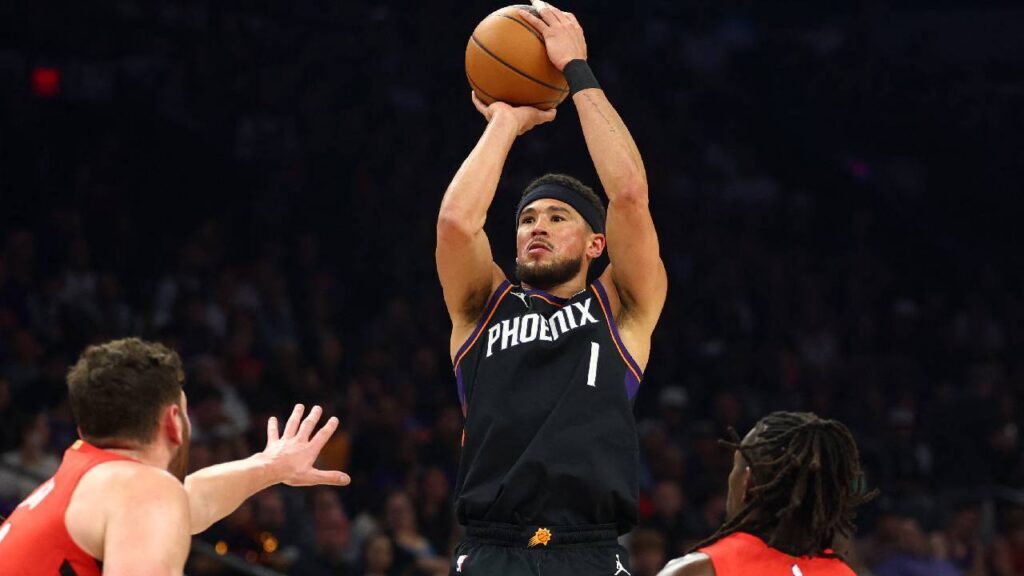
Williams’ absence makes rebounding a roster-wide responsibility rather than a center-only problem. Williams averaged 8.0 rebounds last season compared with 5.1 from Ighodaro and 2.9 from Maluach, creating a gap that Phoenix will need to cover through collective effort. Dillon Brooks, Miles Bridges, Ryan Dunn, and the rest of the wing group become more important finishing defensive possessions.
Five-player rebounding discipline can reduce the centers’ burden. Bigger wings can prevent opposing forwards from creating second chances, while Ighodaro’s mobility can help the Suns defend without abandoning the paint. Maluach’s development as a rebounder matters because his physical profile gives Phoenix a way to recover some of the size lost with Williams.
The rebounding issue also affects the Sun’s offense. Defensive rebounds create transition opportunities, while failed box-outs force Booker, Green, and the perimeter group to defend additional possessions instead of attacking in transition. Phoenix does not need one player to reproduce Williams’ entire statistical profile, but the team does need enough collective production to prevent his absence from creating a possession-by-possession disadvantage.
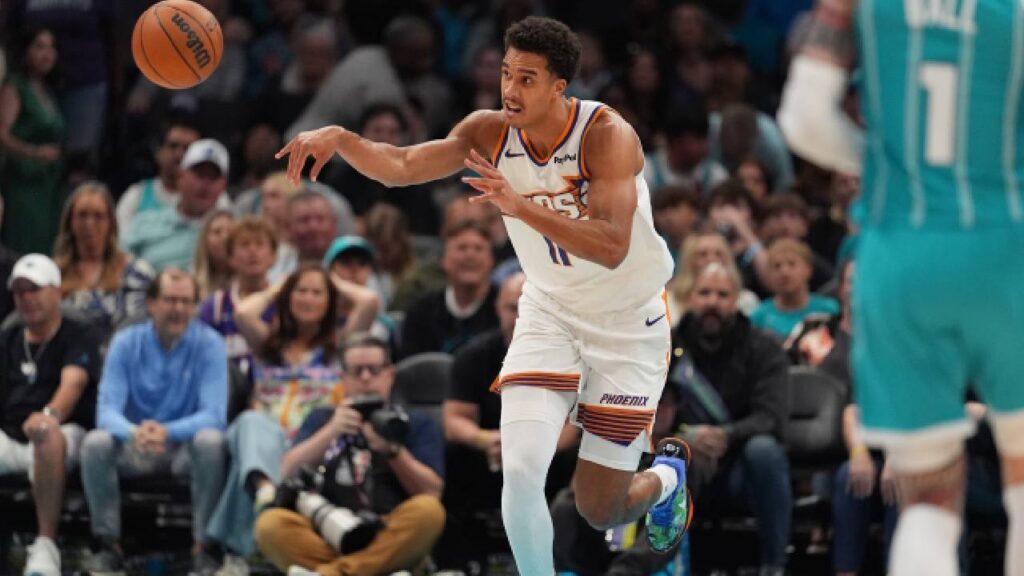
The opening schedule will provide immediate tests against teams with imposing frontcourt size. Phoenix faces San Antonio twice during the preseason before opening the regular season at Portland on October 21. The Suns then visit Oklahoma City on October 26. Those early matchups will reveal how the center rotation handles different physical and spacing demands. The Spurs’ Victor Wembanyama presents an especially difficult size matchup, while the Thunder’s frontcourt will test the Suns again before the season’s second week is over.
The offensive question involves how much value Phoenix can generate from the center position without Williams. Booker and Green can supply perimeter scoring, but neither player replaces the screening, finishing, and interior presence that helped create easier opportunities for the guards. Ighodaro’s passing, Maluach’s finishing, and Reath’s shooting can collectively prevent the offense from becoming too dependent on difficult perimeter attempts.
The Suns also have to avoid treating the five-month figure as a firm return date. Gambadoro’s report provides an estimated recovery window, while Phoenix has officially established no timetable, leaving the actual return dependent on Williams’ rehabilitation. The center rotation therefore needs to function independently of any assumed February comeback date.
The Phoenix Suns Mark Williams injury changes the center position from a settled starting spot into a major preseason question. Williams was coming off a 60-game season in which he averaged 11.7 points and 8.0 rebounds per game. Phoenix then committed $38 million over three years, making the injury significant for a team expecting continuity at center. The immediate solution is a committee built around Ighodaro, Maluach, and Reath rather than a single replacement.
Ighodaro provides the most proven option, Maluach supplies the physical tools, and Reath gives the Suns a different offensive look. The five-month estimate makes an All-Star-break return possible, not promised, and the Suns need the rotation to remain functional regardless of the eventual timetable. The biggest test will be whether Phoenix can replace Williams’ 8.0 rebounds, interior presence, and screening value through collective production. A functional adjustment would allow the Suns to absorb the injury without rebuilding the entire roster around one absence.
