

NBA what-ifs reveal different kinds of loss: a superstar’s shortened prime, a prospect’s interrupted development or a partnership denied healthy playoff opportunities. Derrick Rose, Greg Oden, Tracy McGrady, Brandon Roy, Lonzo Ball and Shaun Livingston illustrate those differences. The consequences reach beyond individual scoring, affecting defensive identities, playoff matchups and the roles available after recovery.
Rose and Roy had already established elite standards before injuries narrowed their futures. Oden never received enough healthy games to establish a comparable ceiling. McGrady’s absence removed a proven creator from a specific championship pursuit. Ball and Livingston show why lost development matters even without evidence of future superstardom.
Derrick Rose: An MVP Prime Interrupted At 23
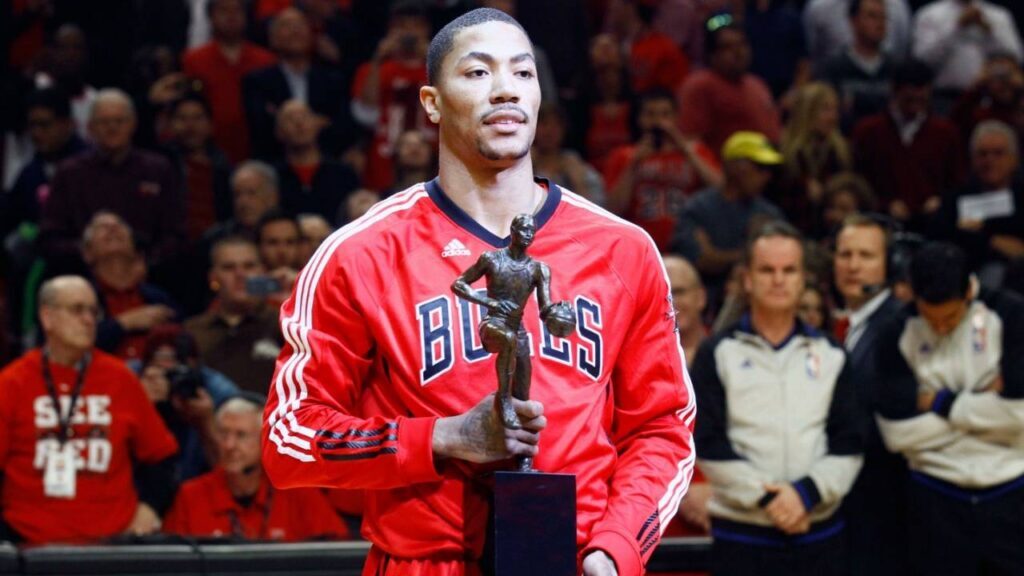
Rose became the youngest MVP at 22, averaging 25.0 points and 7.7 assists for the Chicago Bulls in 2010-11. Chicago finished 62-20 and reached the Eastern Conference finals, turning individual brilliance into a credible championship challenge. The Bulls lost that series to the Miami Heat in five games, establishing both the opportunity and the obstacle.
The turning point came on April 28, 2012, when Rose tore his left ACL during the opening game of the playoffs. A full season disappeared, followed by another devastating setback after his return. Rose’s right meniscus tear limited his 2013-14 comeback to 10 games.
The lost opportunity was sustained MVP-level development, with postseason experience potentially refining an already overwhelming ability to penetrate defenses. Improved shooting and quicker reads against Miami’s help defense could have made that penetration harder to contain. The earlier Derrick Rose legacy analysis establishes the accomplishments supporting that projection.
Greg Oden: Defensive Promise Without Enough Games
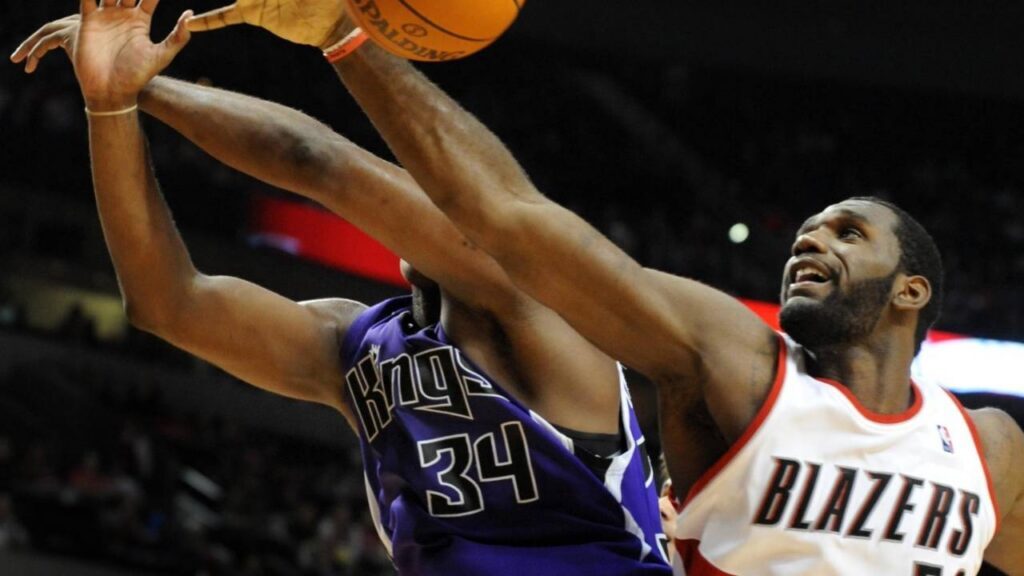
The Portland Trail Blazers selected Oden first overall in 2007, but right knee microfracture surgery erased his intended rookie season. Portland eventually received evidence of a useful interior presence, even within limited playing time. Oden averaged 11.1 points, 8.5 rebounds and 2.3 blocks in 23.9 minutes across 21 games during 2009-10.
A fractured left patella on December 5, 2009, ended that progress. Further knee problems helped restrict his entire NBA career to 105 regular-season appearances. The Trail Blazers lacked the sustained availability needed to develop Oden’s defensive positioning and foul discipline.
The block rate and rebounding production support a plausible defensive-anchor projection, but the sample cannot establish future dominance. Oden’s four fouls per game during that brief season also identify a genuine developmental problem. The relevant NBA what-ifs question concerns how much consistent availability could have reduced those fouls and expanded his minutes.
Tracy McGrady: A Proven Star Lost A Contention Window
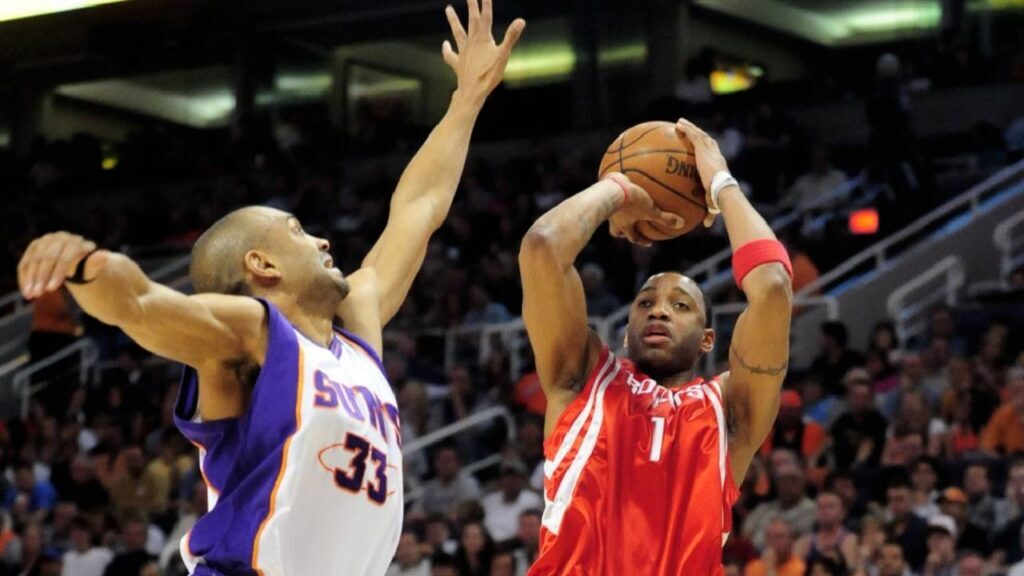
McGrady averaged 32.1 points, 6.5 rebounds and 5.5 assists for the Orlando Magic in 2002-03. The Hall of Fame credits seven All-Star selections, seven All-NBA selections and two consecutive scoring titles. McGrady’s case therefore concerns the duration and postseason application of established greatness, rather than whether the talent existed.
A left knee microfracture operation ended his 2008-09 season with the Houston Rockets at age 29. Houston still pushed the eventual champion Los Angeles Lakers to seven games in the second round. Yao Ming also suffered a broken left foot during Game 3, leaving the Rockets without both stars for the remaining games.
McGrady missed the entire seven-game series, removing a perimeter creator before Yao’s injury further depleted the offense. McGrady’s pull-up shooting could have provided an option when the initial offensive action failed. Pick-and-roll passing also offered a potential route to easier opportunities for teammates.
Brandon Roy: All-NBA Production Before An Early Exit
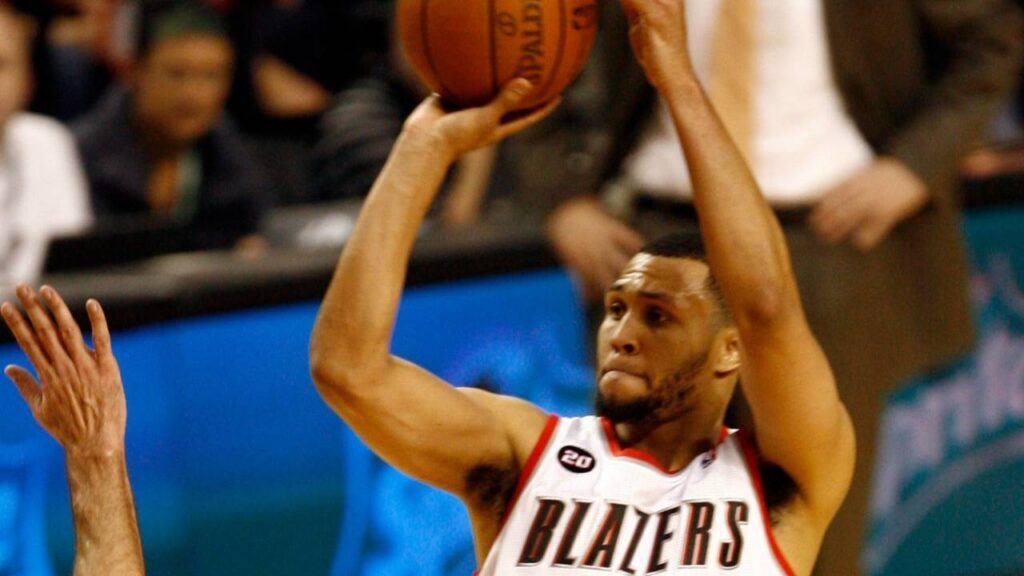
Roy averaged 22.6 points, 5.1 assists and 4.7 rebounds in 2008-09, shooting 48.0% from the field. The All-NBA selection placed him on the second team as Portland finished 54-28. The three-time All-Star had already shown that his controlled scoring could support a winning franchise.
Roy’s remaining scoring ability surfaced against the Dallas Mavericks on April 23, 2011. Roy scored 24 points, including 18 in the fourth quarter, as the Trail Blazers erased a 23-point deficit. The playoff comeback illustrated how much scoring craft remained despite deteriorating knees.
Chronic knee problems prompted Roy’s initial departure from competition later in 2011, when he was 27. A comeback with the Minnesota Timberwolves produced just five games in 2012-13. Minnesota offered another chance, but the attempted return never became a sustained second chapter.
Roy and Oden also represent overlapping damage to one organization’s plans around LaMarcus Aldridge. Portland lost a proven perimeter centerpiece and the opportunity to develop a complementary defensive center. A healthy trio could have combined Roy’s perimeter creation, Aldridge’s scoring and Oden’s rim protection.
Lonzo Ball: NBA What-Ifs Extend Beyond Superstars
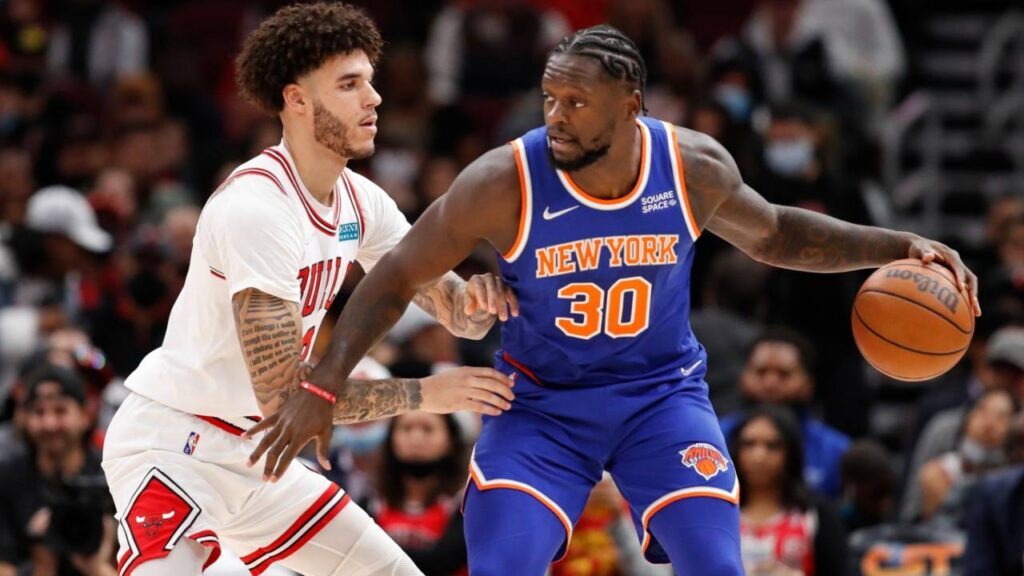
Ball averaged 13.0 points and 5.1 assists while shooting 42.3% from three across 35 games for Chicago in 2021-22. The Bulls had a passer who could advance the ball quickly, defend and space the floor without demanding a scorer’s workload. The lost possibility was continuity in a complementary role, rather than evidence of an approaching MVP season.
Ball also averaged 1.8 steals and 0.9 blocks per game during that 2021-22 season. Steals created opportunities for Ball to turn defensive disruption into transition offense. Chicago lost a guard capable of disrupting possessions while remaining a credible shooting threat at the other end.
Ball’s last appearance before the extended absence came on January 14, 2022. A cartilage transplant followed in 2023, and the 2024 preseason return preceded his regular-season comeback that October. Ball missed the entire 2022-23 and 2023-24 seasons during the recovery.
A return to competition reopened the question of whether Ball could sustain that combination of shooting, passing and defensive disruption. Ball publicly rejected retirement reports in September 2026, making a completed-career verdict premature. The missing seasons interrupted an established two-way role, and a comeback alone could not restore the opportunities already lost.
Shaun Livingston: A Lost Starting Path, Then Three Titles
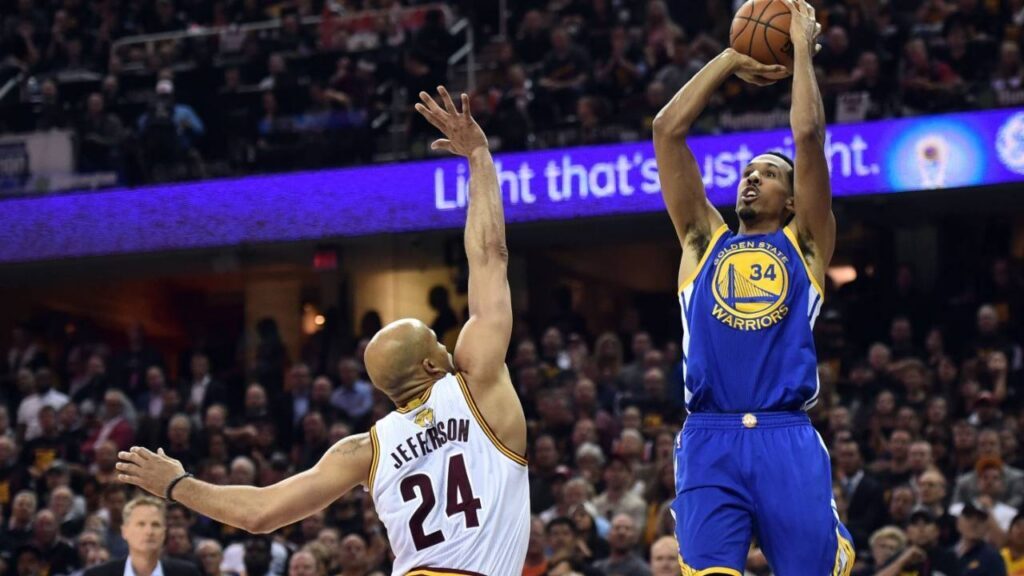
The Los Angeles Clippers selected Livingston fourth overall in 2004 as a tall, unusually versatile point-guard prospect. Livingston averaged 9.3 points and 5.1 assists in 29.8 minutes during 2006-07. The production suggested a developing facilitator, although it fell well short of proving an eventual superstar ceiling.
A catastrophic left knee injury on February 26, 2007, damaged multiple ligaments and the meniscus. The ensuing rehabilitation erased the entire following season and forced Livingston to rebuild his professional footing. The lost opportunity was a sustained chance to develop as a starting lead guard during his early twenties.
Livingston eventually helped the Golden State Warriors win championships in 2015, 2017 and 2018. Golden State used his size, passing and midrange shooting to provide a different offensive option behind Stephen Curry. Livingston’s championship contributions demonstrate why an altered career can still become an accomplished one.
End Of My NBA What-Ifs Rant
The most revealing NBA what-ifs concern how injuries change the choices available to players and teams. Roy’s scoring and Oden’s interior defense offered complementary building blocks around Aldridge, while McGrady’s absence removed an answer to stalled playoff possessions. Ball’s defensive activity shows why losing a supporting guard can matter without producing an MVP-sized hole in the scoring column.
A successful comeback cannot restore the seasons available to develop a young player’s game. Livingston’s championships rewarded his passing, size and midrange craft in a reserve role. The unresolved question concerns how those skills might have evolved with uninterrupted years as a starting guard.
