
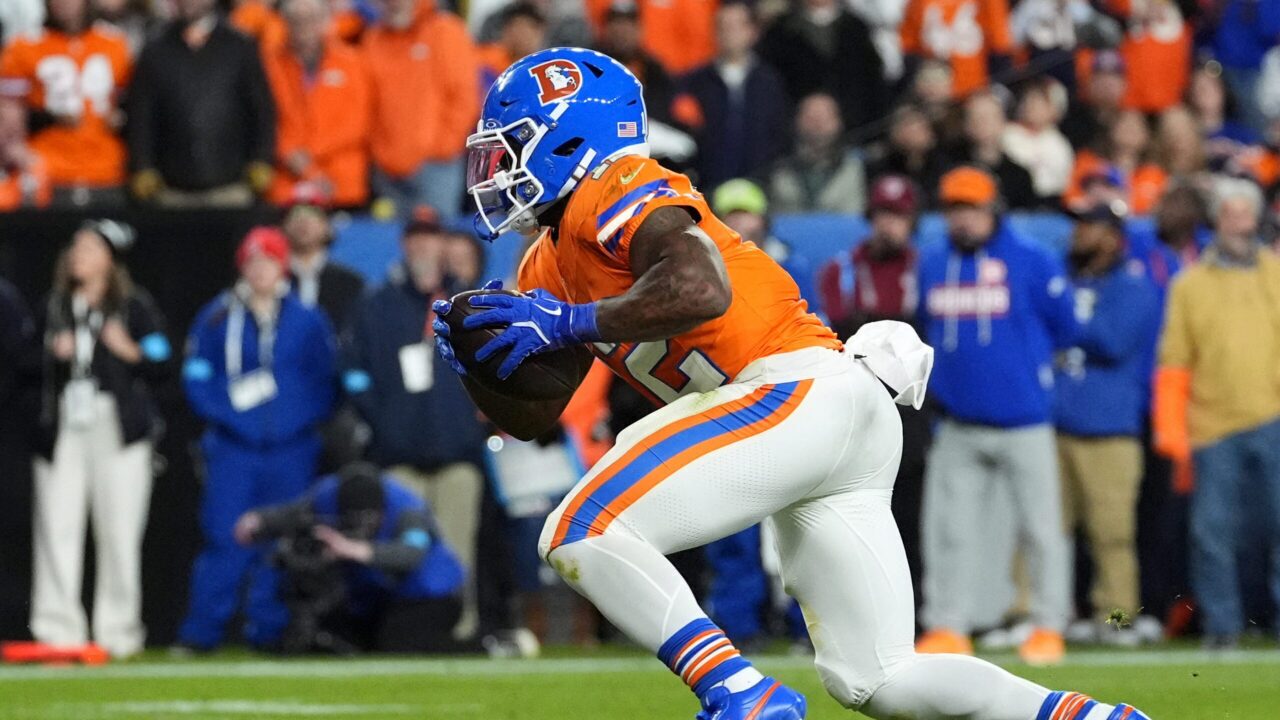
The Chiefs screen defense needs to recognize when Denver is inviting the pass rush into the backfield. Against RJ Harvey, reaching Bo Nix quickly could mean Kansas City beat the protection. It could also mean the protection has somewhere else to be.
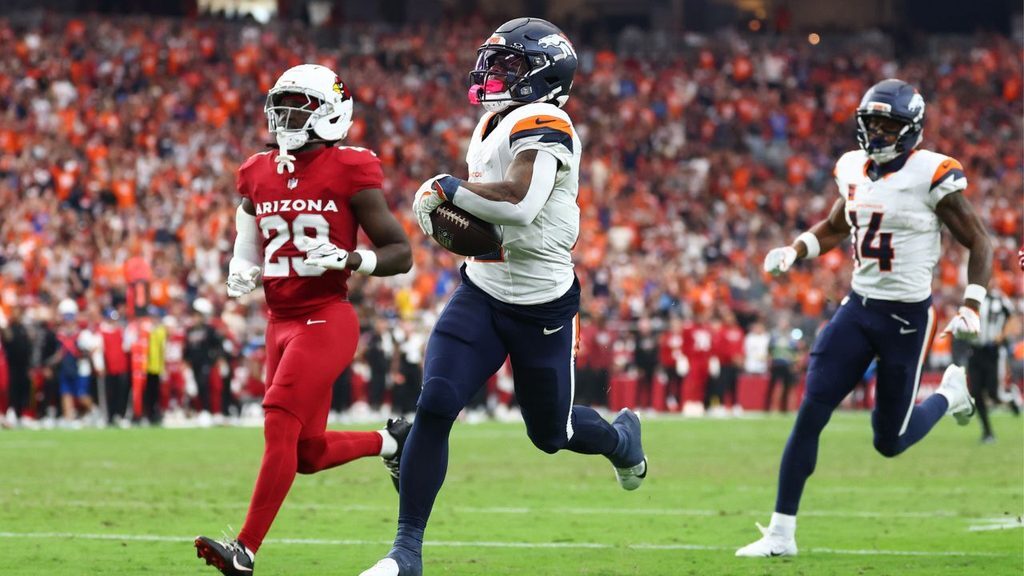
Harvey turned a screen into a 52-yard touchdown against Arizona on Oct. 25. Before Sunday’s rematch, I would like Kansas City’s defensive line to study the difference. Preferably before several Broncos offensive linemen start escorting Harvey toward our end zone.
Why Harvey Demands The Chiefs Screen Defense’s Attention
Through six appearances, Harvey has 25 catches for 217 yards, compared with 24 carries for 87 yards. Denver has completed more passes to him than it has handed him the ball.
Those receiving totals include different kinds of throws, not exclusively screens. Those numbers give Kansas City’s rushers a reason to keep track of Harvey instead of assuming someone behind them has him covered.
Even without the receiving yardage, Harvey still has 24 catches for 165 yards. That’s approximately 6.9 per reception. The explosive play deserves attention, but Denver can also use him to collect good gains without requiring another 52-yard sprint.
How Denver Opened Harvey’s Running Lane
The Arizona touchdown came on first-and-10 from Denver’s 48. Nix lined up in shotgun, and Harvey released from the backfield to the offense’s left, catching the pass behind the line of scrimmage. Kansas City can’t reserve its screen awareness for third-and-long.
Denver’s interior linemen Ben Powers, Luke Wattenberg, and Quinn Meinerz released ahead of Harvey while the tackles remained engaged with Arizona’s rushers. Several Cardinals had to turn and chase, leaving Denver’s blockers positioned ahead of the pursuit.
Near midfield, Powers engaged a defender approaching Harvey’s path. Harvey cut inside that block while Wattenberg and Meinerz continued downfield. Protecting the sideline alone wouldn’t have closed that opening.
Arizona still had a chance to end the play. Near its own 40, defender Budda Baker closed from ahead and inside but missed a diving tackle. Harvey accelerated beyond him.
For the Chiefs screen defense, the sequence identifies two opportunities: disrupt the releasing blockers before they establish the lane, and finish the tackle if Harvey gets through. Arizona could have conceded a useful gain there without also providing the touchdown celebration.
Kansas City Already Let A Short Throw Extend A Drive
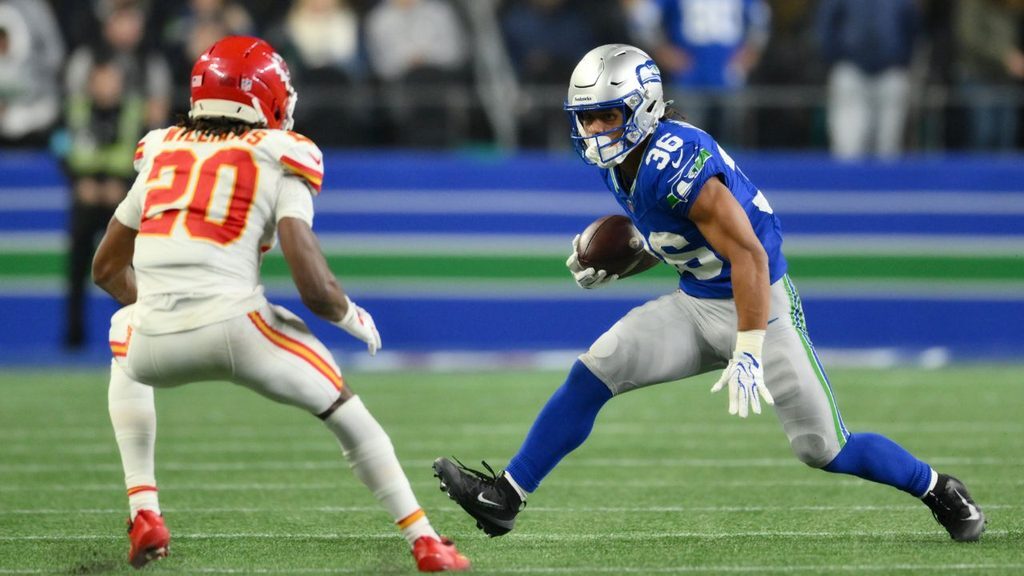
The Chiefs got a clear warning in their game against Seattle. With 12:00 remaining in the third quarter, the Seahawks faced third-and-10 at Kansas City’s 46. Sam Darnold threw short right to George Holani, who gained 12 yards and a first down. Holani forced two missed tackles.
The immediate failure was finishing the tackle after the completion. Kansas City had opportunities to bring the back down, but Seattle kept the possession alive and eventually added a field goal. Making an opponent throw short does very little good if the runner escapes the defenders waiting for him.
That applies directly to the final stage of defending Harvey’s screen. The first arriving defender needs to close under control while pursuit takes away the runner’s next escape route.
The Holani play establishes a recent tackling failure, not which screen responsibilities Kansas City assigned its linemen. But the need to finish once defenders reach the back is already on Kansas City’s film. I would prefer Denver not receive another demonstration.
Karlaftis And Gillotte Need To Read Beyond Their Blocker
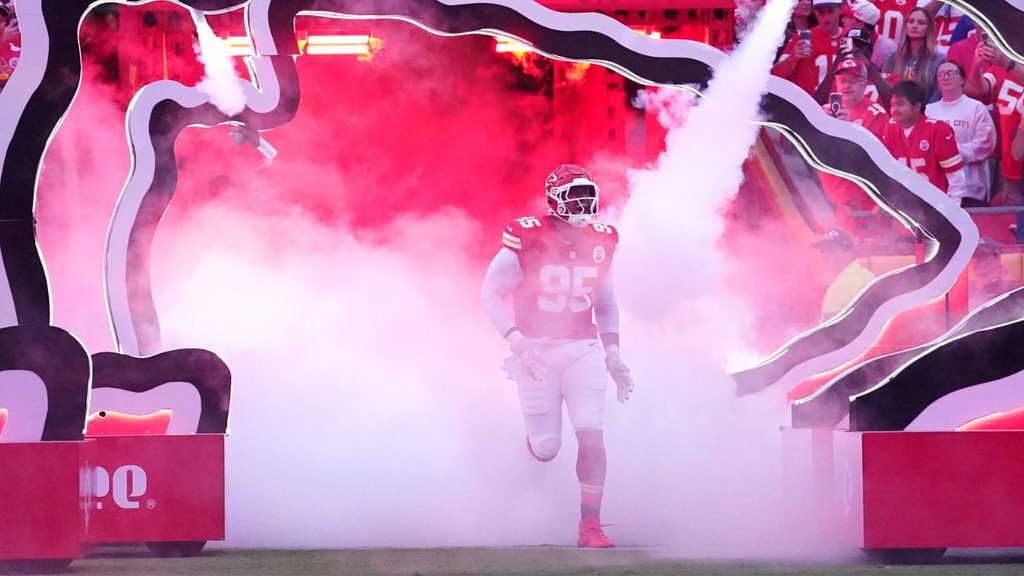
George Karlaftis and Ashton Gillotte can’t rely only on their own blocker releasing as the warning. Against Arizona, Denver’s tackles stayed engaged while three interior linemen moved ahead of Harvey. The ends need to recognize the screen developing beside them, even while working against a block. Nick Brace teaches an attacking front to respond to screens by retracing toward the offensive linemen releasing into the play.
Once Kansas City recognizes the screen, a defender should be positioned to keep Harvey from reaching the sideline. If that job belongs to the defensive end on Harvey’s side, he should cut off the sideline and drive Harvey back toward his teammates. Diving underneath a blocker and giving Harvey the sideline would defeat the purpose.
Making Harvey hesitate or cut inside could buy the time another defender needs to reach him. I’m happy to celebrate a play that ruins Denver’s timing without producing a sack graphic.
Jones And Woods Need To Follow The Developing Screen
Inside, Chris Jones and Peter Woods should be ready when a guard disengages and releases toward Harvey. Once they spot the screen, I’d want them turning back through the space the blockers left and closing on Harvey from the inside.
Recognizing the screen does little good if the defender’s next move is to just stand there and watch Harvey run. In a Glazier coaching lesson, Winston DeLattiboudere emphasizes turning back and pursuing the runner once linemen spot the setup. Identifying the problem does not entitle anyone to a spectator role.
For Jones and Woods, that means the rush does not end when the ball goes behind them. Their next contribution could be closing Harvey’s cutback path or making a releasing blocker deal with pursuit before reaching a linebacker.
The Opposite Edge Still Has To Account For Nix
Against Arizona, Nix also scored on a 62-yard scramble after climbing the pocket on second-and-seven. Denver’s report says no defender came within four yards of him until the 5-yard line.
The opposite edge needs to be responsible for containing Nix until the throw declares itself. The Chiefs screen defense can’t get so preoccupied with Harvey that it opens an escape route for Nix. Solving one problem by creating another would be painfully familiar.
When Spagnuolo sends extra rushers, someone still needs to be responsible for Harvey if he slips out for a pass. If a rusher is assigned to peel off with the back, it needs to be built into the call.
End Of My Chiefs Screen Defense Rant
The Chiefs screen defense should make Denver complete the entire operation: release the blockers, deliver the pass, establish the blocks, and find a running lane.
Rush aggressively, recognize the invitation, and change direction when the play demands it. Denver’s next screen touchdown should need to beat Kansas City’s defenders instead of waiting for them to run past it.
