
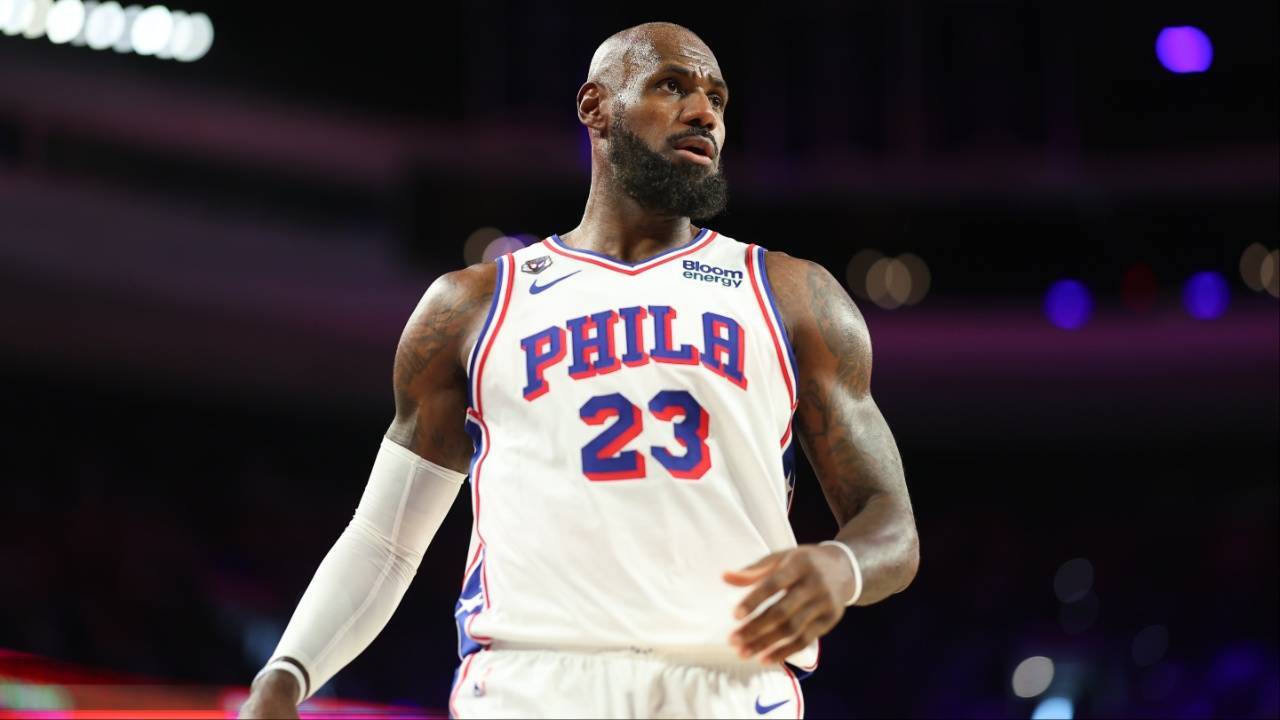
The LeBron James betting app lawsuit alleges PlayVision used an AI-generated likeness of James to promote Bron without permission. PlayVision has since renamed the betting research app Evie. James wants every user and subscriber told in writing that he never endorsed it. The requested order would also require PlayVision to post the notice through the same channels that carried the ad.
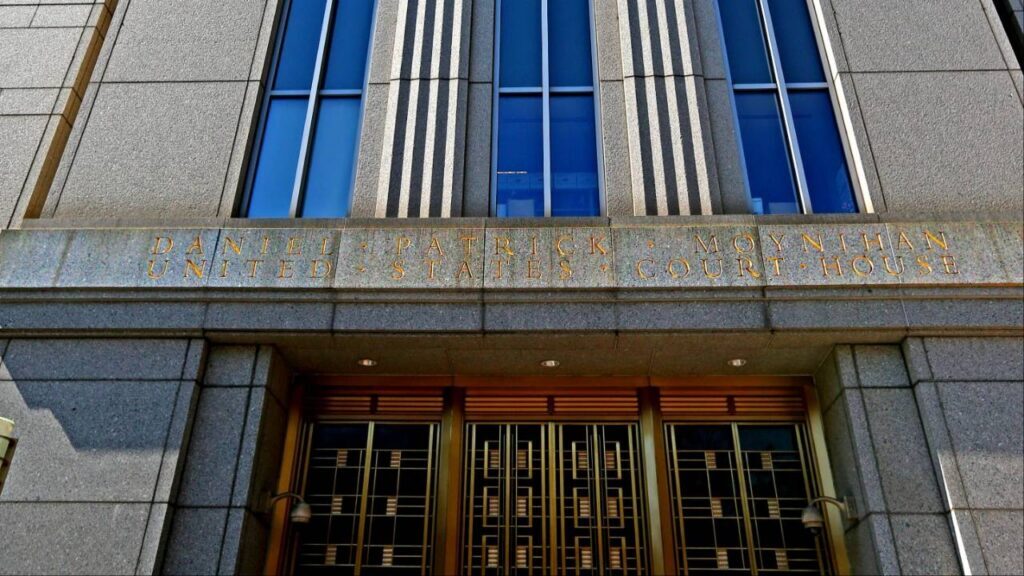
James and LBJ Trademarks LLC filed the federal complaint on November 17, 2026, in Manhattan federal court, naming PlayVision and co-founders Anish Gupta and Marc Zoghby as defendants. The case, numbered 1:26-cv-10078, includes claims of trademark infringement and false endorsement. The trademark claim challenges the Bron name, while the false endorsement claim concerns whether the ad made viewers think James approved the product.
What The LeBron James Betting App Lawsuit Alleges
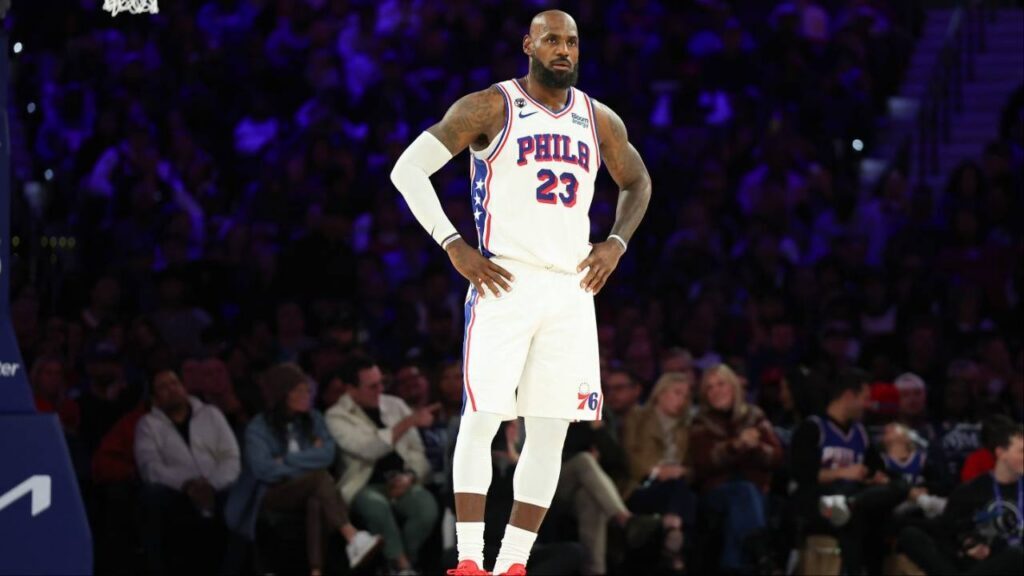
The federal complaint dates Gupta’s X post to November 4 and describes a figure sitting in a basketball locker room, seen mostly from behind. James’ attorneys say the figure mimicked his build, tattoos, and voice while wearing a jersey with “Bron” above number 23. The advertising allegations extend to the phone screen, where the figure scrolled through NBA player props before the ad urged viewers to “Scroll to bet.”
The figure stops on Dillon Brooks’ photo and mentions Kalshi before the ad displays an App Store download button. James argues those details made the scene look like a demonstration by an athlete who actually used the product. Luka Doncic, the Los Angeles Lakers star featured in an earlier Doncic analysis, sent a separate cease-and-desist letter after appearing in the ad. The complaint alleges Doncic never consented to the use of his image.
The Associated Press reported that Bron offered paid subscriptions with tools for comparing odds and tracking bets. PlayVision says the app accepts no direct wagers, while Evie’s accelerator profile promotes automated placement across sportsbooks and prediction markets. Front Office Sports reported that wagers go through other apps, a distinction that helps explain how the company markets its product to bettors.
Why The Ad’s Betting References Matter
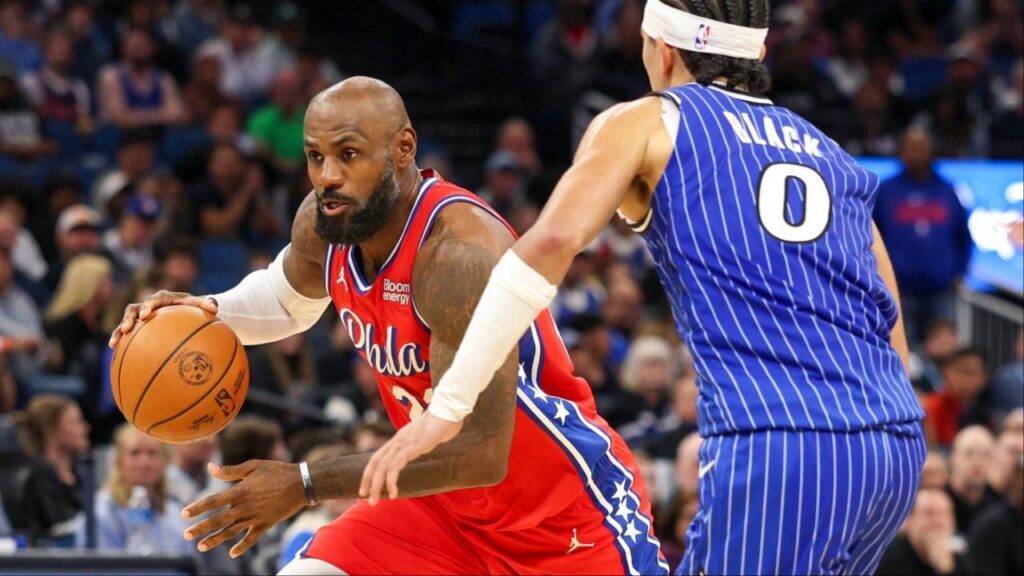
James’ lawyers say the ad falsely suggested he considered wagering on basketball by showing the figure browsing player props in a locker room before a game. The NBA bars players from betting on its games, a rule the league enforced in the 2024 Porter ban. League investigators found that Jontay Porter had placed at least 13 NBA bets.
James already has a football-focused Polymarket partnership that Front Office Sports reported pays him $15 million annually. The complaint describes the deal as exclusive and argues that the ad threatened its value by implying James used Kalshi, a competitor. Stadium Rant’s Fanatics reporting documents a trading-card deal that James authorized. James alleges PlayVision used his likeness without securing permission.
What PlayVision Did Before And After The Filing
James’ attorneys sent a cease-and-desist demand on November 5, and Gupta said PlayVision had “removed the materials” and was changing the app’s name, the complaint recounts. The filing estimates that the video drew roughly one million views on X in about a day. Gupta’s original post came down after third parties had already reposted the video.
Gupta teased a rename on November 16 in a post that joked about lawyers finding Bron, and James’ attorneys allege PlayVision used the backlash to generate more publicity. Gupta’s November 18 rebrand announcement revealed Evie, the new name for the same app. PlayVision gave no immediate response to the Los Angeles Times’ November 19 comment request.
The public docket lists appearances by the plaintiffs’ lawyers on filing day. Summonses were issued for all three defendants on November 18, iGaming Times reported. A later response to the complaint remains unverified.
What James Wants The Court To Order
The proposed notice would tell users that James “has never used, sponsored, or endorsed” Bron. The plaintiffs ask the court to approve that wording and direct PlayVision to notify users in writing and post the correction through the channels that carried the ad. The requested injunction would bar commercial use of James’ name, likeness, and voice, and the plaintiffs also seek the original Bron domain.
James and LBJ Trademarks seek compensation for the alleged unauthorized use and ask PlayVision to surrender profits tied to that conduct. The complaint gives no dollar figure for those requests. The financial requests concern the original promotion, including what PlayVision allegedly gained from using James’ identity.
What An AI Disclosure Would Tell Viewers
New York’s disclosure law defines a synthetic performer as a digitally created figure whose performance cannot be recognized as that of a specific natural performer. The complaint describes a replica meant to be recognizable as James, which leaves the rule’s application uncertain. The plaintiffs cite the missing label in a state false advertising count among the seven claims they filed under other laws.
An AI label would tell viewers how the figure was made, while the question of consent would remain. An athlete can authorize a digital likeness for an advertisement, so viewers could understand the footage was generated and still assume James approved the promotion. The proposed notice would address that impression directly.
End Of My LeBron James Betting App Lawsuit Rant
The LeBron James betting app lawsuit makes its strongest case for a correction that reaches the people who saw the pitch. An in-app notice could reach subscribers who missed the coverage, while a pinned post on the original channels could reach viewers who skipped the download. PlayVision knows where it ran the ad and can make the correction easy to find and share.
James has the means to challenge a campaign publicly, while lesser-known athletes may have to answer reposts one at a time. A company that used an athlete’s likeness in a sales pitch already has an audience for a correction. Advertisers should bear the cost and effort of reaching that audience.
