
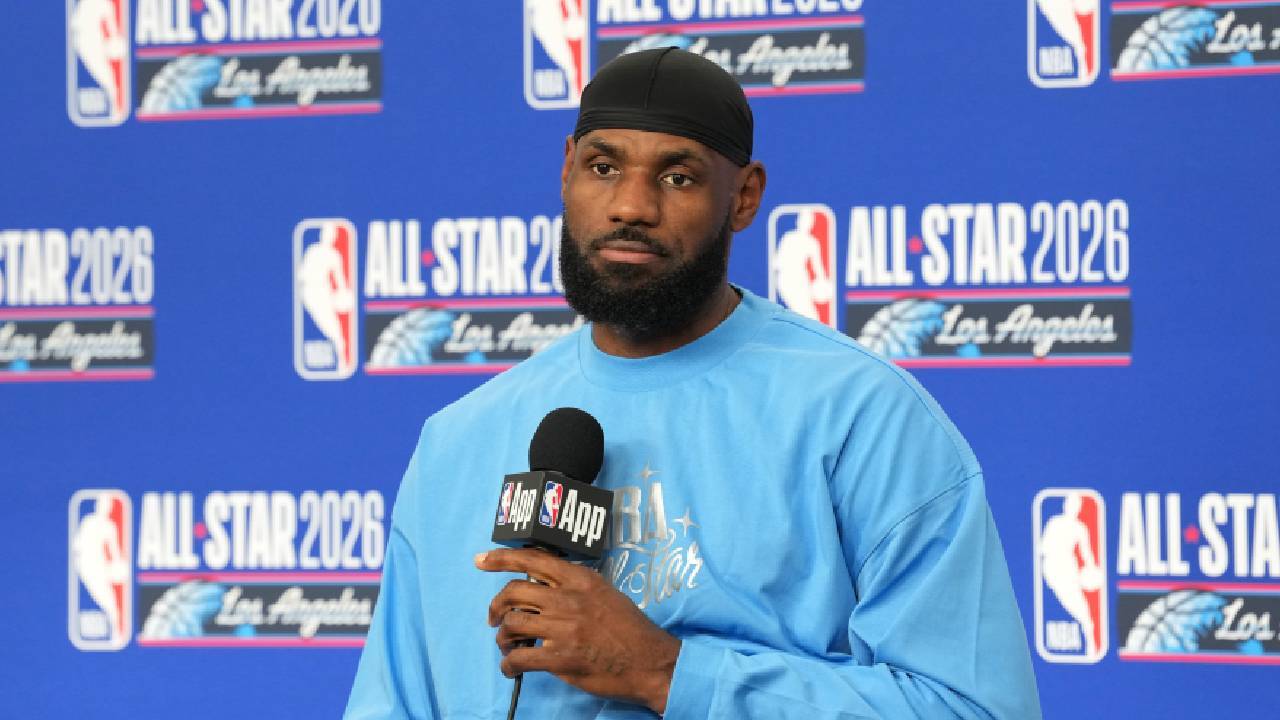
The LeBron James Fanatics deal is drawing scrutiny after journalist Pablo Torre reported on the Philadelphia 76ers star’s helicopter perks. James receives corporate aviation access through a multi-year trading-card partnership. The arrangement has attracted attention after the NBA found the Los Angeles Clippers in violation of salary-cap rules.
The central issue involves how third-party endorsement benefits interact with NBA compensation rules. James’ relatively modest Philadelphia salary adds another dimension to comparisons with his substantial outside earnings. No official NBA investigation into the Fanatics agreement has been announced.

James signed a multiyear trading-card partnership with Fanatics in January 2024 while playing for the Los Angeles Lakers. The original reporting from Front Office Sports established that corporate aviation access forms part of the agreement. The partnership also extends beyond his playing career, reflecting a long-term commercial relationship.
A spokesperson for James confirmed that the agreement includes access to Fanatics’ corporate aviation services. Similar transportation benefits are available to other prominent athletes partnered with the company, the representative explained. James has used a Fanatics-branded helicopter while traveling between New York City and Philadelphia.
Comparable one-way helicopter flights cost approximately $4,000 to $10,000, providing context for the transportation benefit’s potential value. Flight records reviewed by Front Office Sports showed the aircraft completed approximately 12 round trips between the cities during one week. The records document helicopter movements without independently establishing James’ presence aboard every flight.
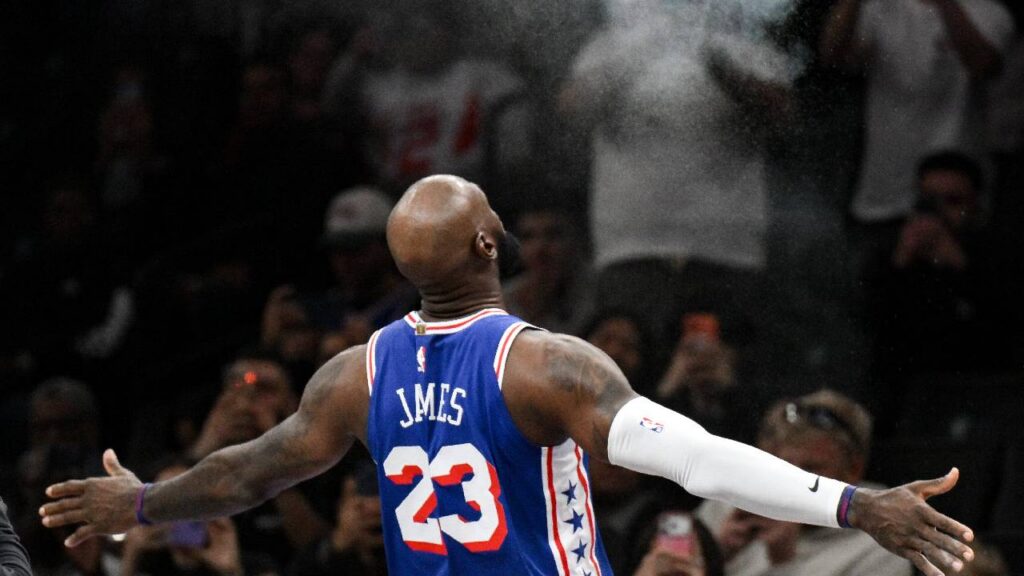
James signed a two-year, $8 million contract with the Sixers in July 2026. The agreement pays approximately $3.87 million during the 2026–27 season, representing a career-low annual NBA salary. That figure attracts attention because the veteran maintains an extensive portfolio of lucrative commercial partnerships.
Front Office Sports estimated James’ career NBA earnings at nearly $600 million. The publication also reported a separate Polymarket endorsement worth approximately $15 million annually. The contrast illustrates how established superstars can generate substantial income beyond their playing contracts.
James’ reduced salary provides context for questions about third-party compensation without establishing any prohibited connection. Independent endorsement earnings remain separate from NBA salaries unless an arrangement violates the league’s compensation rules. The Fanatics agreement predates his Philadelphia contract by more than two years, making the partnership’s original purpose especially relevant.

Torre discussed the LeBron James Fanatics deal during the October 13 Front Office Sports Tuned In summit. The summit coverage reported that NBA owners had contacted the journalist seeking information about James’ transportation benefits. Additional reporting involving the Clippers and Kawhi Leonard also remained underway.
Torre characterized the arrangement as a potentially significant business story with implications worth examining around the league. The journalist’s interest centers on valuable commercial benefits and their relationship with NBA compensation rules. Further reporting could clarify the agreement’s terms and the scope of its transportation provisions.

Article XIII of the NBA’s collective bargaining agreement prohibits arrangements designed to circumvent the league’s compensation system. The official agreement applies restrictions to teams, team affiliates, players, and individuals authorized to act on their behalf. The provisions extend beyond direct payments made by franchises to athletes.
Section 1 specifically prohibits teams from arranging third-party payments for basketball services disguised as other compensation. Such agreements may be inferred when outside payments substantially exceed fair market value, and the player’s NBA contract falls substantially below market value. The rule requires consideration of both compensation arrangements rather than treating a modest playing salary as sufficient evidence.
Legitimate endorsement agreements remain permissible when compensation reflects genuine commercial services. The distinction depends on the agreement’s purpose, financial terms, and any prohibited coordination. James’ reported helicopter access therefore makes valuation relevant without independently demonstrating circumvention.
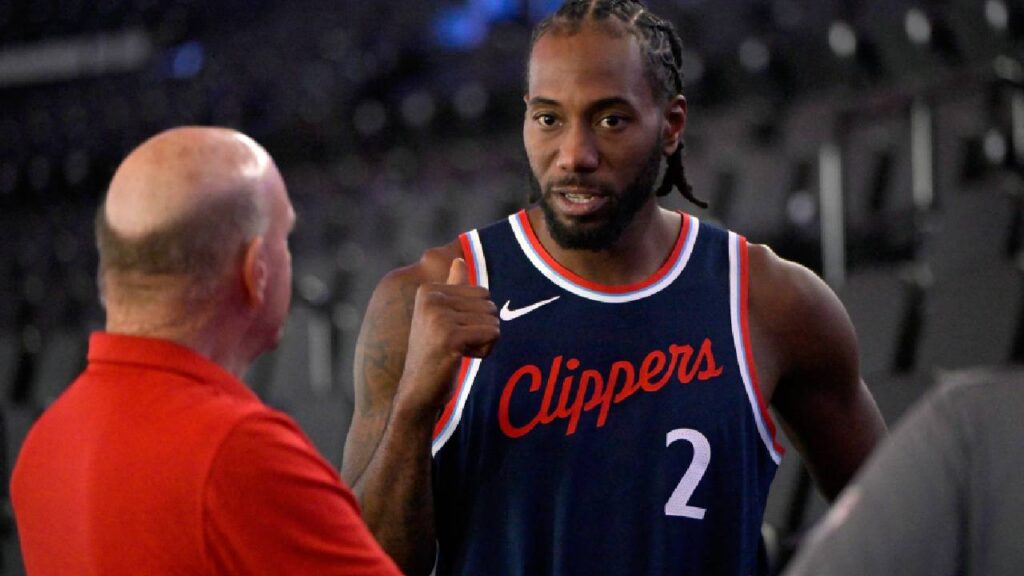
The Los Angeles investigation provides a recent example of prohibited third-party compensation triggering substantial league penalties. The NBA’s official findings identified organizational involvement in agreements benefiting Leonard through companies conducting business with the franchise. Investigators determined that team officials facilitated outside income opportunities and encouraged agreements through existing commercial relationships.
The Clippers’ punishment included a $30 million fine and forfeiture of five first-round draft selections covering 2029 through 2033. Owner Steve Ballmer also received a one-year suspension from league and team activities. The penalties followed documented misconduct involving multiple business relationships rather than ordinary endorsement earnings.
Those findings establish why organizational actions matter when evaluating compensation arrangements. Leonard’s case involved evidence connecting Los Angeles to outside financial opportunities. Public reporting surrounding James has not established comparable conduct involving Philadelphia.
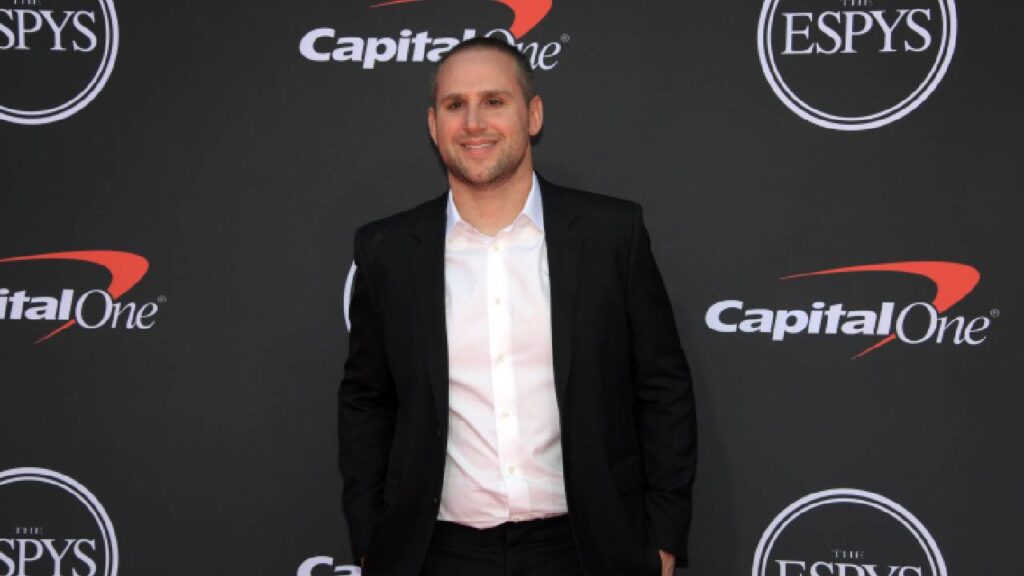
Fanatics founder Michael Rubin previously owned a 10% stake in Harris Blitzer Sports & Entertainment, the company controlling the 76ers. Rubin announced plans to sell his ownership interest in June 2022 as Fanatics expanded into additional businesses. The completed divestment was reported by ESPN on October 20, 2022.
Fanatics’ expansion into sports betting and individual athlete partnerships created potential conflicts with professional sports ownership rules. Rubin’s departure separated his formal team ownership from commercial activities involving players across multiple franchises. The transaction occurred more than a year before James signed his trading-card agreement.
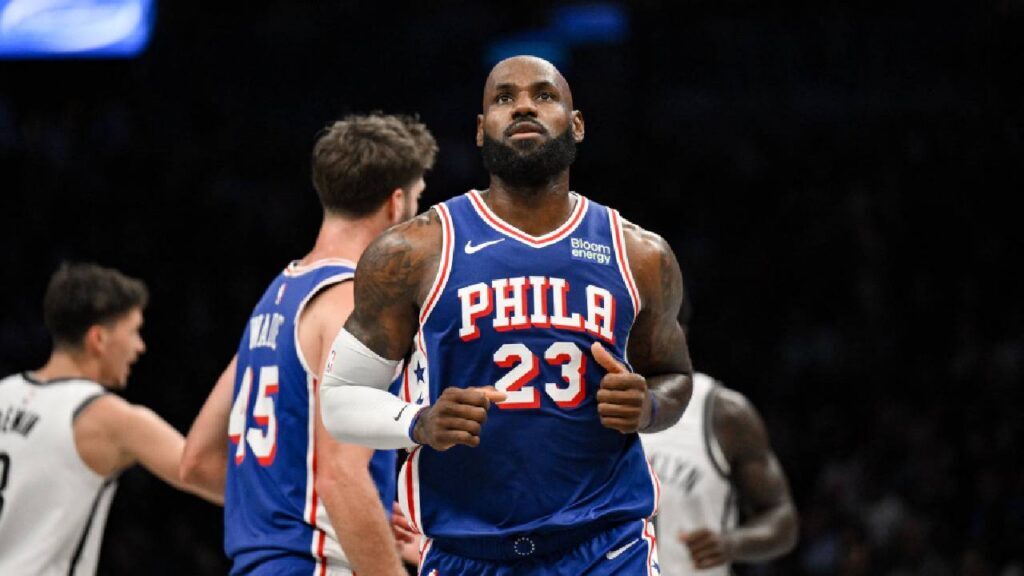
The most important unanswered questions concern Philadelphia’s involvement and the financial structure of James’ agreement. Public reporting establishes that Fanatics provides aviation access through a partnership signed during his Lakers tenure. The agreement’s total value remains undisclosed, limiting any independent assessment of its commercial terms.
A potential league examination could review contracts, communications, and the fair market value of services James provides Fanatics. The available information does not establish whether the Sixers influenced negotiations or received any prohibited financial advantage. Further developments would determine whether the matter remains a business story or becomes a formal compliance issue.
Basketball fans deserve meaningful scrutiny when enormous endorsement agreements intersect with professional sports compensation rules. James’ helicopter benefits warrant legitimate questions because the NBA has demonstrated the consequences of prohibited financial arrangements. The league must protect competitive fairness without treating every expensive commercial benefit as evidence of misconduct.
Torre’s reporting offers an opportunity to examine how increasingly valuable endorsement partnerships operate around NBA franchises. James and the Sixers deserve questions grounded in documented facts rather than assumptions driven by another franchise’s misconduct. The LeBron James Fanatics deal ultimately presents a straightforward challenge: determine whether legitimate business compensation crossed into prohibited conduct.
