
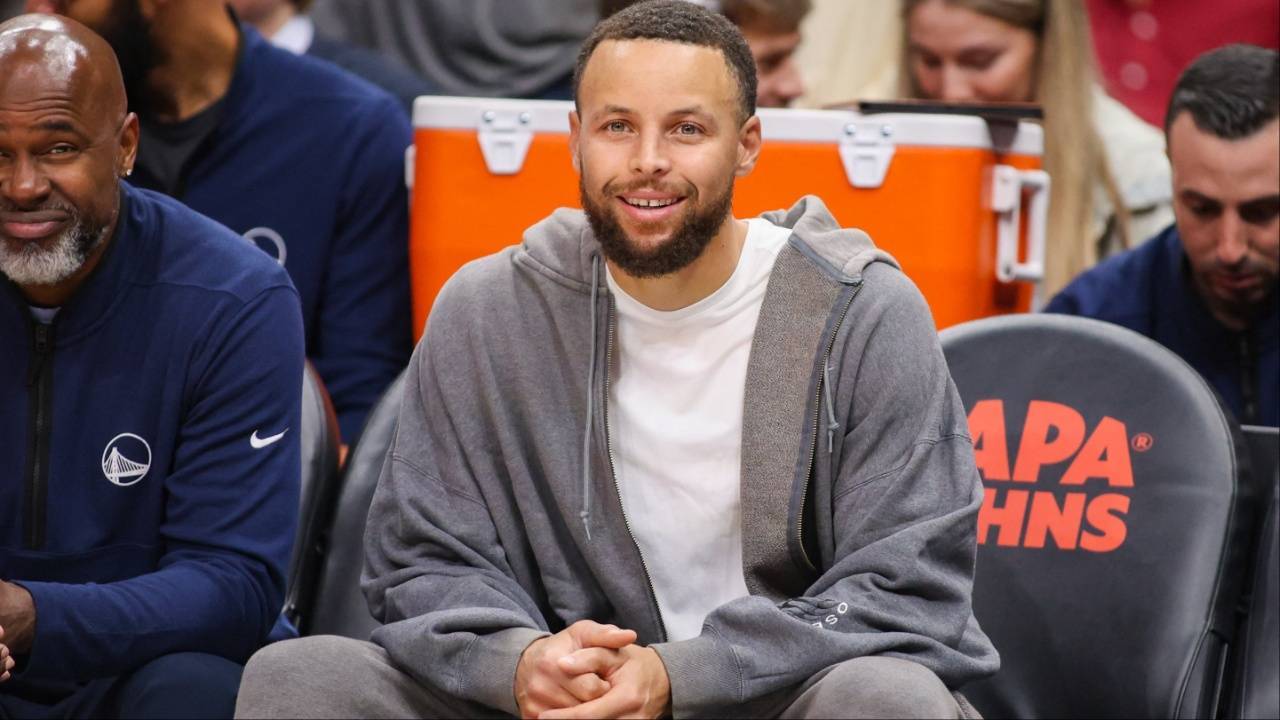
The Warriors offense without Curry averaged 92.8 points across four consecutive losses from November 13–19, 2026, each decided by at least 21. The Golden State Warriors finished that stretch with Thursday’s 126–98 loss to the Memphis Grizzlies, completing a winless road trip. Golden State fell to 8–8 after entering the trip on an eight-game winning streak, with early deficits repeatedly forcing a depleted group to chase games. The Warriors need cleaner opening possessions and dependable interior opportunities, giving Steve Kerr a specific place to begin repairing the offense.
How Far The Warriors Offense Without Curry Has Fallen
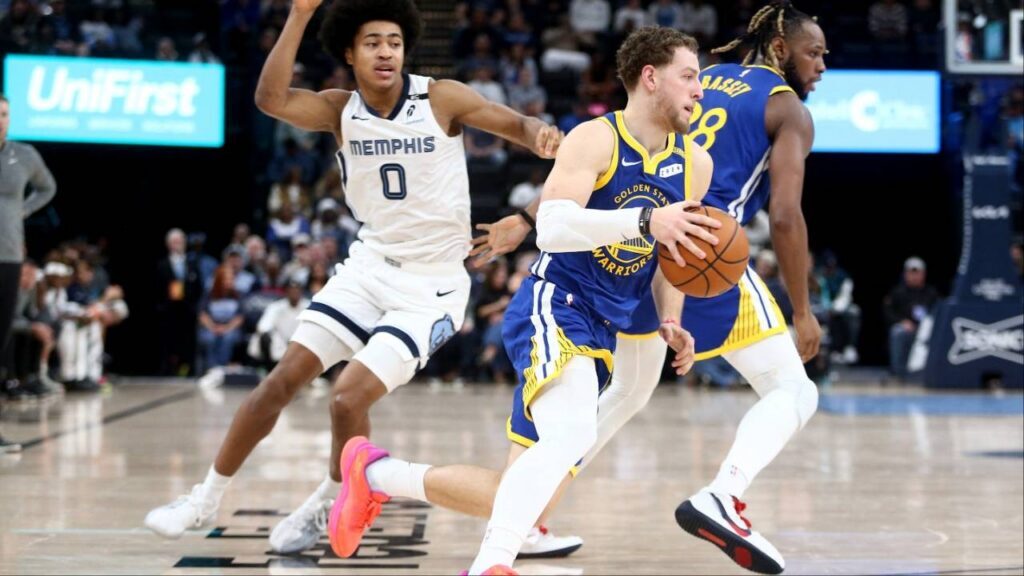
Stephen Curry exited against the Houston Rockets on November 11 with 6:25 remaining in the first quarter, changing the rotation almost immediately. Golden State confirmed the tear in his right oblique the following day and announced a two-week reevaluation window, leaving the return date unsettled. The Warriors subsequently lost 123–85 to the San Antonio Spurs and 115–94 to the New Orleans Pelicans before falling 116–94 against the Dallas Mavericks. Golden State’s final stop in Memphis completed a four-game scoring total of 371 points, with opponents outscoring the club by 109.
The Warriors made 40 of 154 three-point attempts during those four full absences, shooting 26.0% from beyond the arc. Golden State’s effective field goal percentage was 43.4%, a measure that gives additional weight to the extra point earned on a three. The Warriors had shot far better across their previous three games with a healthy Curry, played November 5–9 against the Miami Heat, Orlando Magic and New Orleans. Golden State scored 120 against Miami, followed by 126 against Orlando and 138 against the Pelicans.
The Warriors made 135 of 251 shots, including 52 of 117 threes, across those three wins, with the November 7 game going to overtime. Golden State’s combined effective field goal percentage was 64.1%, a 20.8-percentage-point advantage over the four full absences. All three earlier games were at home, while all four subsequent games were away, and Zion Williamson’s availability changed between the two meetings. Williamson rested during the November 9 meeting before playing in the rematch, adding another reason to avoid attributing the entire shooting gap to Curry.
Early Possessions Reveal More Than The Final Margin
The Warriors scored only 14 first-quarter points in the 123–85 loss at San Antonio, where the Spurs opened with 18 unanswered points. Golden State’s next opening quarter produced 11 points, six turnovers and two baskets on 18 attempts as New Orleans built a 23–2 lead. The Pelicans scored 12 first-quarter points off giveaways, turning possessions that never produced a shot into another defensive problem. The official play-by-play records Brandin Podziemski committing an offensive foul at 10:43 and losing the ball at 10:04, followed four seconds later by Williamson’s dunk.
The Warriors also fell 16 behind during the first quarter of the Dallas loss, with the Mavericks leading 35–25 after one. Golden State subsequently trailed the Grizzlies 31–24 after one, completing a stretch with an average of 18.5 first-quarter points scored and 34.8 allowed. Across those four games, the Warriors accumulated a combined opening-quarter deficit of 65 points, nearly 60% of the overall 109-point deficit. The figures put the opening lineup’s execution at the center of the problem, before fourth-quarter scoring can soften the final margin.
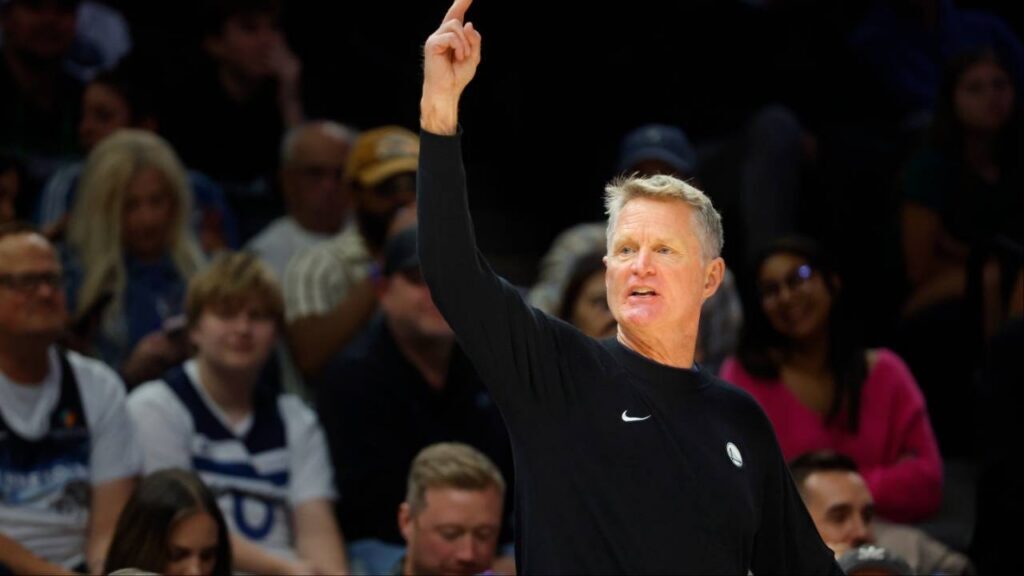
Head coach Kerr addressed execution after the November 18 loss in Dallas, saying, “We can get better execution wise.” Golden State’s opening-quarter totals give that assessment a practical focus, especially when turnovers immediately give opponents chances to run. A simpler initial action could reduce the decisions a depleted lineup must make before generating a shot or delivering the first useful pass.
Lendeborg Needs A Defined Job On The First Action
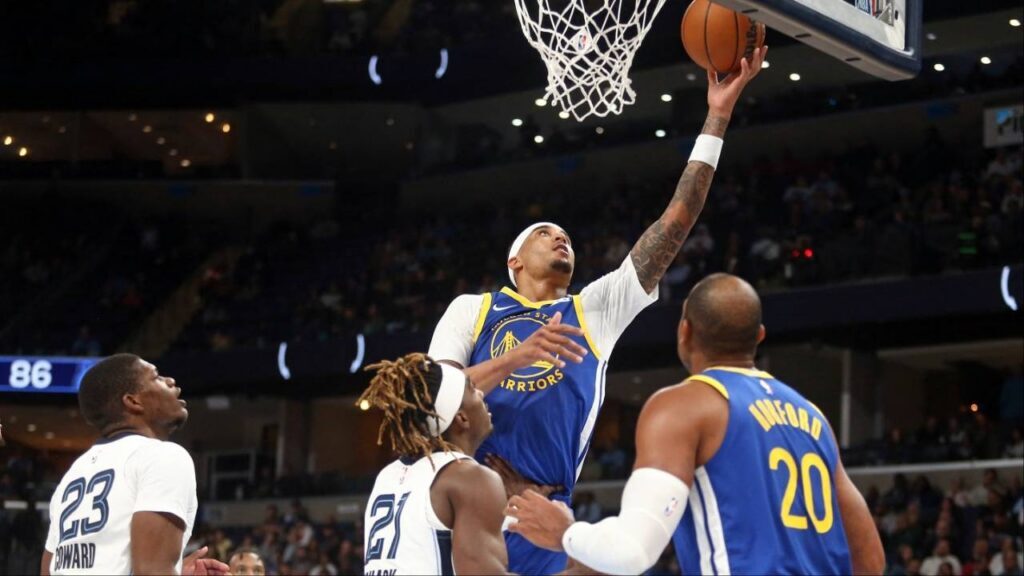
Yaxel Lendeborg scored 28 against New Orleans, making two of nine threes and seven of 14 two-point attempts, giving Kerr reason to examine his interior opportunities. An earlier Lendeborg analysis proposed pairing Podziemski’s initiation with the rookie’s finishing, and the November 16 game supplied an example at 1:15 of the first quarter. Podziemski assisted Lendeborg’s driving layup, showing that the pairing could produce an interior basket during an otherwise disastrous start. The Warriors can test more catches near the basket while keeping the rookie available as a perimeter threat when the defense gives him space.
Golden State can try that connection earlier through a screen followed by a roll, giving Podziemski a target moving toward the rim. A weak-side shooter would become the next option when a defender steps across to stop Lendeborg, forcing another decision before the possession stalls. The rookie’s first 10 games produced 40 assists, supporting possessions with Lendeborg receiving the ball at the elbow and finding a cutter himself. Kerr can alternate those responsibilities according to the lineup, then judge whether the action produces a paint touch or an open shot.
Richard’s Scoring Offers A More Specific Rotation Test
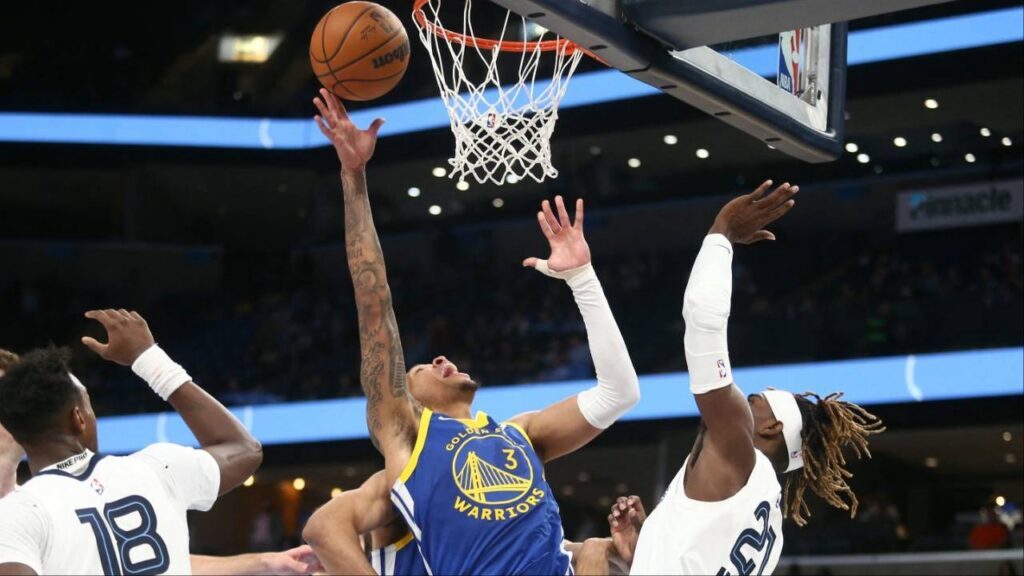
Will Richard made all eight two-point attempts against the Mavericks and finished with 20 points, with the Dallas game book explaining part of that efficiency. Richard stole the ball at 6:36 of the second quarter and dunked three seconds later, creating his own opportunity before the defense could settle. The Mavericks surrendered another Richard layup at 5:31 after Gui Santos intercepted a pass and supplied the assist. The Warriors can use Richard’s activity to generate easier attempts while evaluating how much half-court creation the reserve can handle.
Golden State also has a passing target in Charles Bassey, whose cutting dunk came from a Podziemski assist at 11:28 of the fourth quarter against Dallas. The Warriors trailed by 20 before that possession, so its usefulness against an opening lineup still needs testing. An earlier trial would show whether Bassey’s movement can create the same passing window against starters defending a competitive game.
Other Absences Change The Available Solutions
Draymond Green played against San Antonio, New Orleans and Dallas, leaving Golden State with another established playmaker during Curry’s first three full absences following the injury. Green then missed Thursday’s game in Memphis, adding a separate limitation to the final stop of the trip. The Warriors’ NBA injury report also listed Jimmy Butler III and Moses Moody out, although both had missed the November 5–9 comparison period. An earlier Santa Cruz proposal explored Butler’s rehabilitation, leaving Kerr to evaluate the current group while the veteran works toward returning.
End Of My Warriors Offense Without Curry Rant
Golden State next hosts the Boston Celtics on November 22, offering an immediate chance to test the Podziemski–Lendeborg pairing against Boston’s starters. The Celtics would provide a clearer measure of that action than possessions played after a decisive lead has formed. Kerr should judge those opening trips by paint touches, turnovers, and attempts created before help recovers, then review the possessions that stalled. A missed open shot still supplies something repeatable, while a giveaway before the first useful pass calls for an adjustment.
The Warriors offense without Curry should first aim to reach the second quarter with a manageable game, giving the remaining rotation room to compete. A lineup that stops conceding 20-point starts would let Kerr evaluate offensive combinations under more useful conditions than repeated comeback attempts. Curry’s eventual return would then add firepower to a group that has already begun building a more dependable opening plan.
