
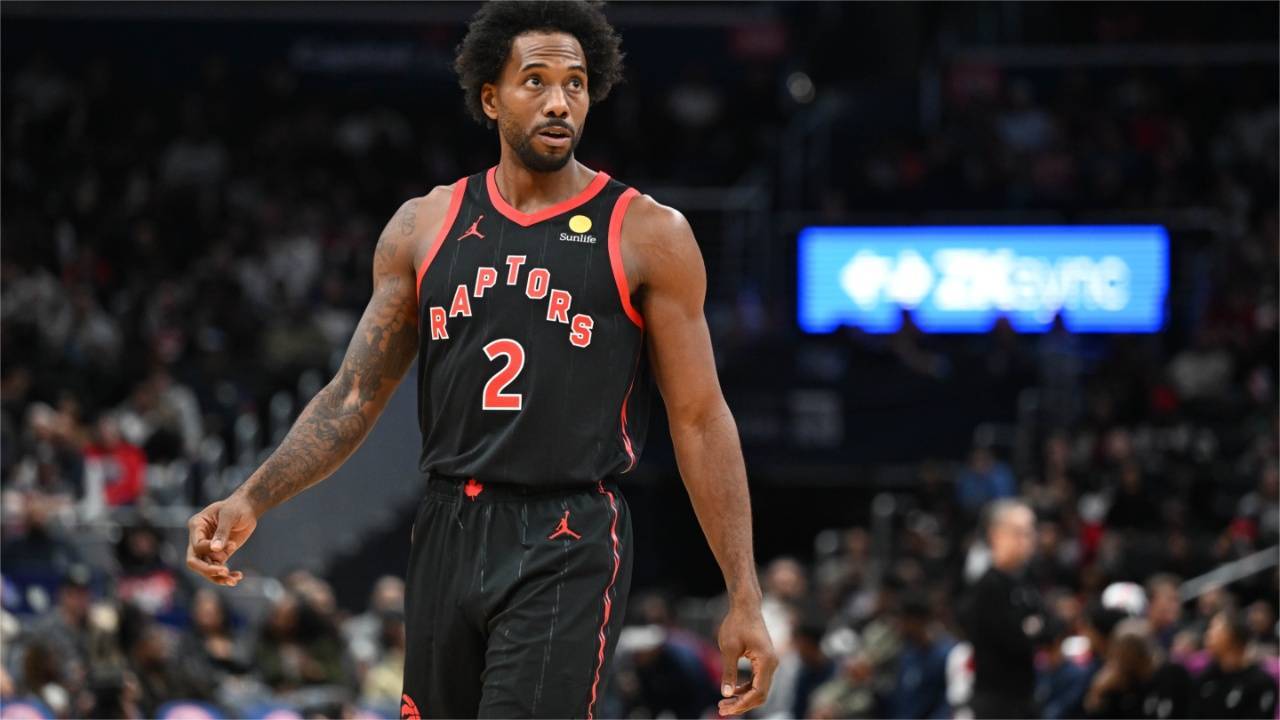
The Kawhi Leonard injury will sideline the Toronto Raptors forward for at least one week because of left knee swelling, with no confirmed return date. Toronto announced treatment and rehabilitation on October 27, 2026, with a reevaluation planned one week later. The Raptors are expected to play four games before that checkpoint, while ESPN’s Shams Charania reported an absence potentially lasting weeks. The announced interval points to approximately November 3, although the team has not separately confirmed that appointment date.
Medical imaging revealed no acute injury, according to the team’s announcement. Leonard was scratched before Sunday’s 117-94 loss to the Minnesota Timberwolves after playing the season’s first two games. Toronto must now navigate an early schedule interruption while protecting an investment extending beyond the current campaign.
Kawhi Leonard Injury Return Timeline And Games Affected
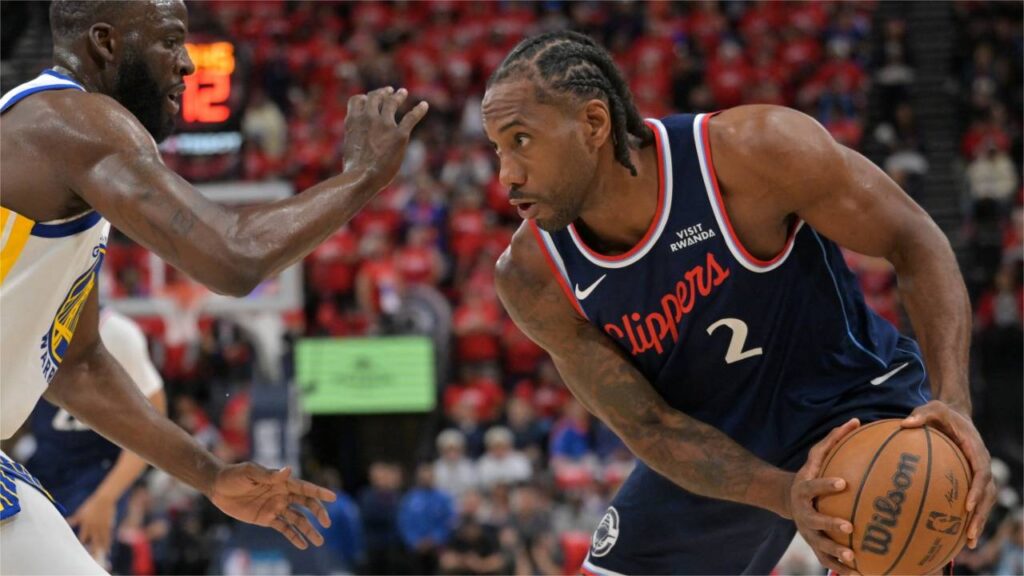
The Raptors’ next four games fall before the anticipated reevaluation, beginning with home dates against the Orlando Magic on October 28 and October 30. Toronto then visits the Los Angeles Lakers on November 1 and the Los Angeles Clippers on November 2. NBA Cup group play also begins with the second meeting against Orlando, giving the absence consequences beyond the regular-season standings. Leonard is expected to miss his November 2 return to Intuit Dome.
Charania’s injury reporting suggests the interruption could extend beyond the initial week. The Raptors subsequently visit the Denver Nuggets on November 4 and the Milwaukee Bucks on November 6, although Leonard’s availability for those games remains uncertain. The next assessment will determine whether treatment continues or a return becomes possible, without guaranteeing clearance for either matchup.
A Careful Buildup Still Produced An Early Setback
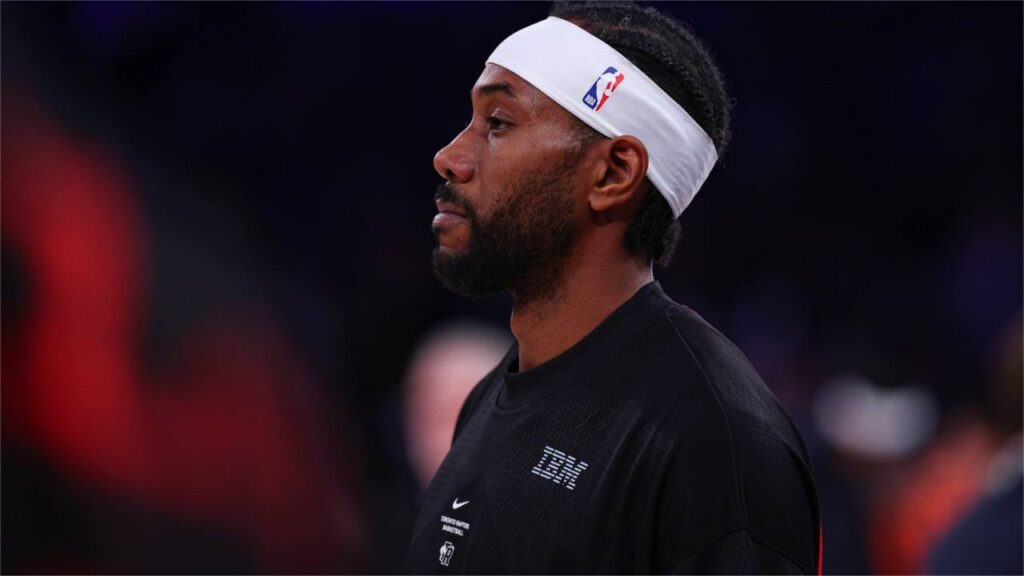
Leonard had already been following a gradual preparation plan before the regular season began. Sportsnet’s training camp account documented two preseason appearances totaling 39 minutes after he initially stayed out of live scrimmages. NBA game logs list approximately 24 minutes on October 21 and 28 minutes on October 23. Toronto had limited his early playing time, although minute totals alone cannot establish whether a workload was medically appropriate.
Across two regular-season appearances, Leonard averaged 19.5 points and 7.5 rebounds while shooting 32.4 percent from the field. Four makes in 14 three-point attempts contributed to that uneven offensive start. Two games provide little evidence of a lasting decline, but the interruption removes opportunities to regain rhythm alongside unfamiliar teammates.
The Kawhi Leonard injury also requires precision about which knee is affected, given the forward’s extensive medical history. The Canadian Press distinguished the current left knee swelling from the right ACL injury that cost him the entire 2021-22 season. Neither the location nor the imaging result supports assuming that the current problem represents another torn ligament.
Availability History Explains The Financial Concern
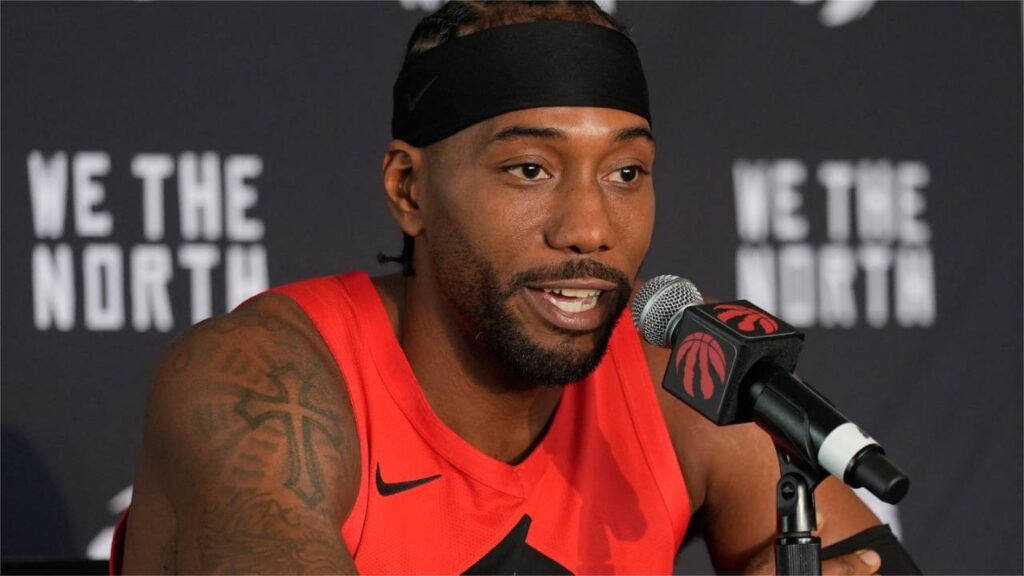
Leonard’s season records show 68 appearances in 2023-24, followed by 37 in 2024-25 and 65 in 2025-26. Across those three 82-game regular seasons, the totals amount to 170 appearances and 76 regular-season games missed. The calculation covers absences for all reasons, while the year-to-year variation demonstrates how sharply availability can fluctuate.
The performance ceiling remains high enough to explain the acquisition, even with that history. Leonard averaged a career-high 27.9 points last season and earned All-NBA Second Team recognition. The Raptors acquired a player with recent elite production, making durability the obstacle between the demonstrated talent and the expected return.
Toronto’s two-year, $115 million extension begins in 2027-28, after Leonard earns $50.3 million under his existing contract this season. The agreement includes a 2028-29 player option, which gives the veteran control over the final season. The combined salary commitment reaches approximately $165.3 million if that option is exercised, rather than $115 million covering the entire remaining arrangement.
Walter Offers Shooting, With No Guaranteed Starting Role
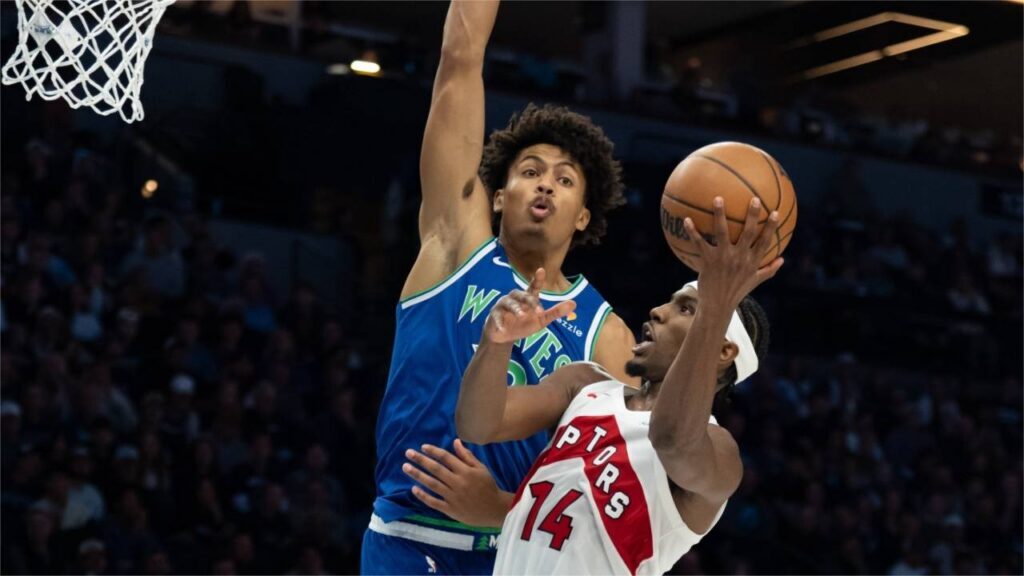
Ja’Kobe Walter supplied the clearest immediate replacement evidence, scoring 22 points with five three-pointers in his start against Minnesota. The Timberwolves still won comfortably, demonstrating that a productive replacement outing could not solve every problem created by the absence. Walter provides a spacing option, but one strong shooting performance cannot establish that he can replace Leonard’s offensive creation.
Head coach Darko Rajakovic told The Canadian Press that the Kawhi Leonard injury would increase Walter’s playing time without guaranteeing a starting role. The coach’s explanation emphasized matchups and the possibility of choosing bigger or smaller lineups. The Raptors’ replacement approach remains flexible, without a publicly guaranteed substitute for every opponent.
Scottie Barnes was held scoreless in Sunday’s defeat, adding urgency to the offensive adjustment around RJ Barrett and Immanuel Quickley. Barrett and Quickley must help generate quality shots while Barnes works to restore his scoring. Barnes must balance that offensive responsibility with the playmaking and defensive duties already central to his role.
The Trade Cost Makes Rotation Decisions Matter
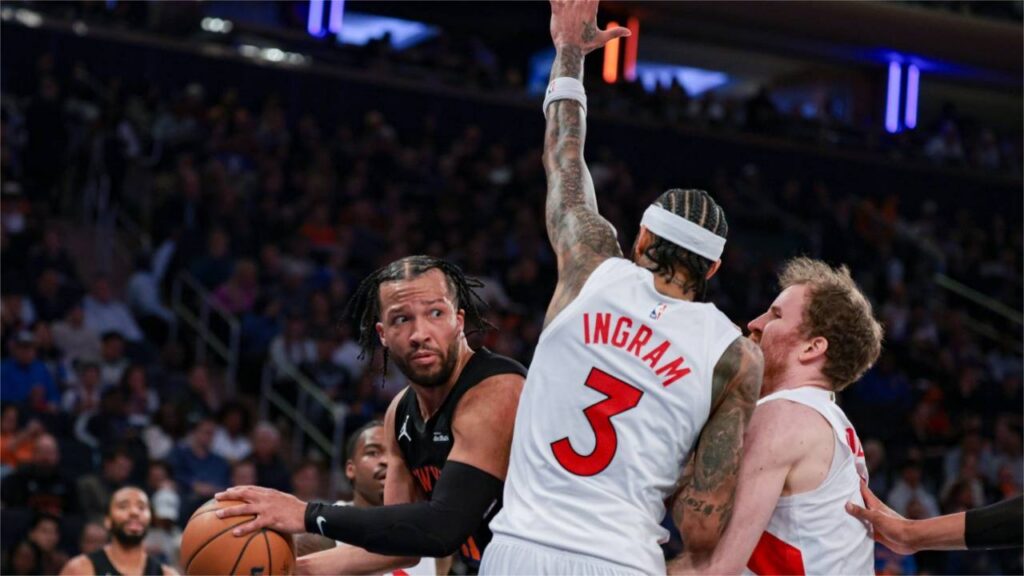
Toronto surrendered Brandon Ingram and Gradey Dick in the acquisition, removing two wings while adding Leonard’s higher individual ceiling. The trade breakdown also lists unprotected 2031 and 2033 first-round selections, a 2027 first-round swap, and two second-round picks. The Clippers received a package with value extending well beyond the veteran’s current contract.
End Of My Kawhi Leonard Injury Rant
The Kawhi Leonard injury exposes the practical test behind the reunion: the roster needs a workable offense during absences and a sustainable role upon his return. An expensive extension cannot make a swollen knee cooperate with the schedule. Management’s decisions deserve scrutiny through the quality of the supporting rotation and the results produced when the veteran becomes available.
Leonard’s medical setback provides no evidence of an unwillingness to compete, and accusations about effort add nothing to evaluating the transaction. The Raptors accepted a documented availability risk in exchange for a player who remained an All-NBA performer last season. The next few weeks will reveal how well the roster can absorb that risk without undermining the opportunity the trade was designed to create.
