
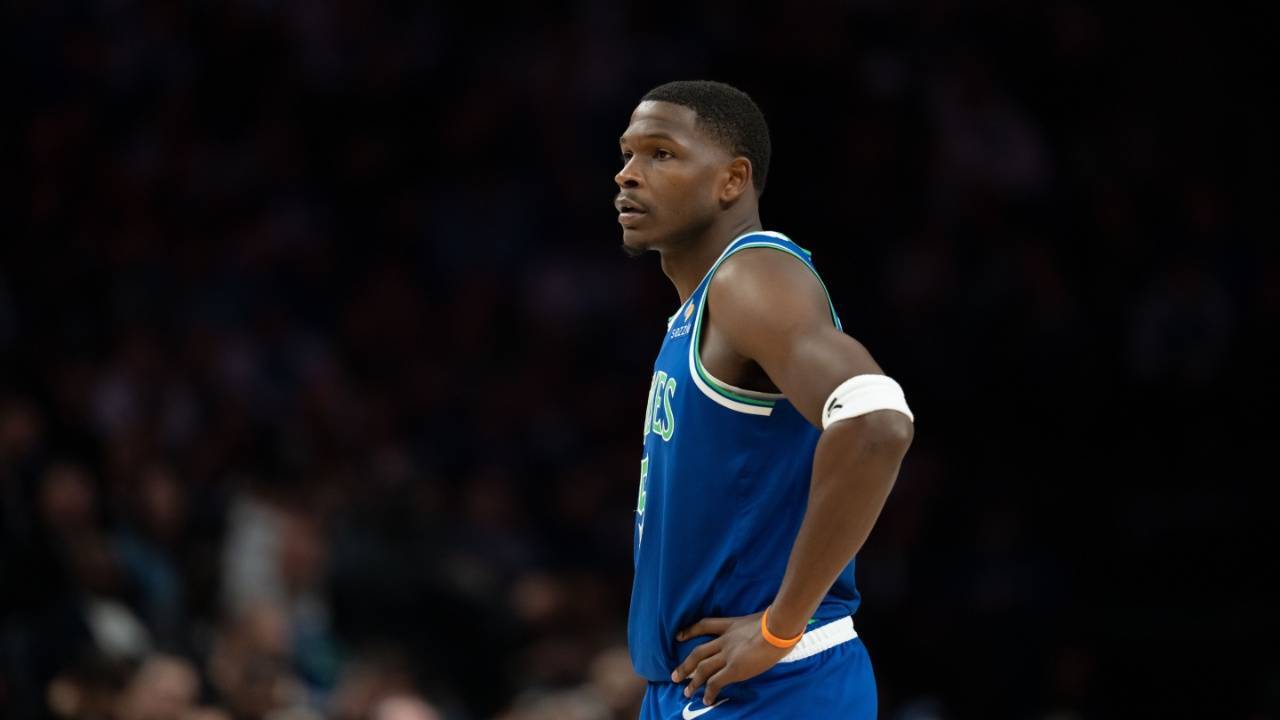
The Anthony Edwards injury has left the Minnesota Timberwolves facing up to two months without their leading scorer. ESPN’s Shams Charania reported October 27 that Edwards required an arthroscopic procedure on his right knee. Chris Haynes separately reported that the procedure had already taken place, according to a procedure update.
Charania’s reported window is up to two months, with no specific return game established in the cited reporting. The Athletic’s Jon Krawczynski reported hopes for a December return, as summarized in a timeline update. December remains an anticipated window rather than a clearance date, and the reports do not identify a specific structural diagnosis.
Edwards averaged 33.3 points while shooting 48.1 percent overall and 40 percent from three through four games, according to Reuters’ report. Minnesota started 3-1 before losing its most productive offensive player for an extended stretch. Replacing that output requires more than choosing a new starter, because Edwards also absorbs possessions that teammates rarely have to finish.
The Timberwolves face a choice between starting Ayo Dosunmu beside LaMelo Ball or promoting Terrence Shannon Jr. while preserving Dosunmu’s bench role. The better opening experiment is Dosunmu, provided Chris Finch also staggers the guards to protect the second unit. The distinction matters because choosing a starter and organizing 48 minutes of offense are separate decisions.
Anthony Edwards Injury History Adds Context
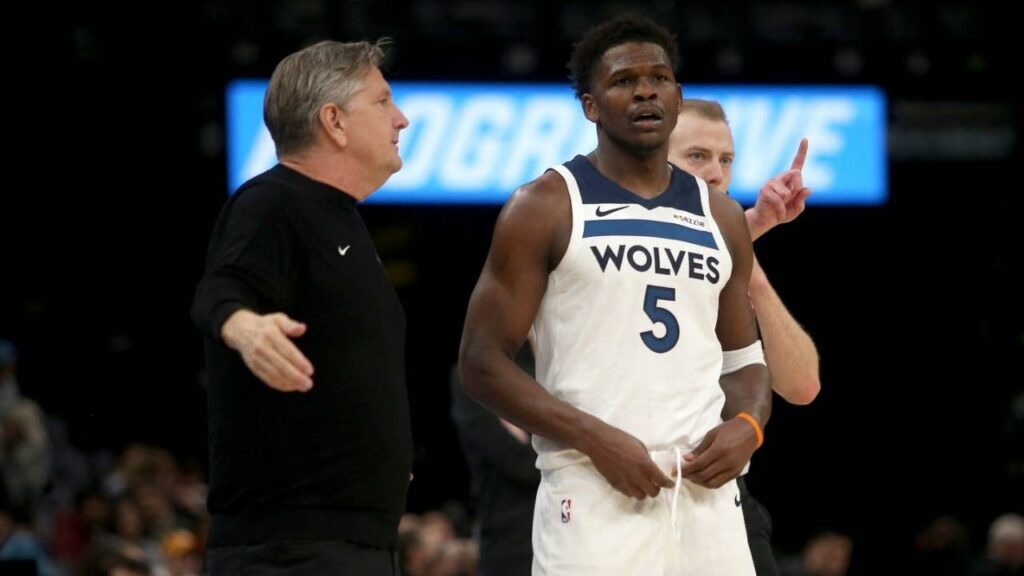
The right knee trouble also stretches beyond this week. Reuters reported soreness and inflammation during the 2025-26 regular season and postseason, followed by roughly two months of summer rest. The separate left knee hyperextension from last spring involved the opposite knee and should not be conflated with the current procedure.
Finch had described the problem as a daily situation before Monday’s game, according to earlier reporting citing The Athletic. The subsequent surgery news represents a substantial change from that public assessment. Minnesota now needs an extended rotation plan rather than another temporary adjustment around a questionable designation.
Twenty-Six Shots Explain The Offensive Challenge
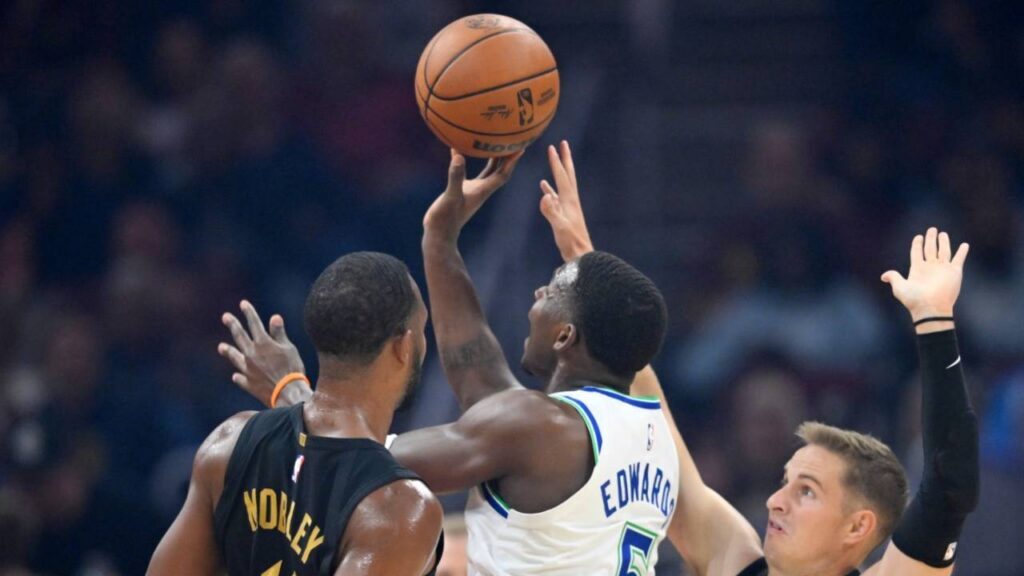
Edwards scored 45 points against the Miami Heat, with the earlier opening-night breakdown examining the performance’s historical significance. A 47-point effort followed against the Cleveland Cavaliers in a 127-125 overtime loss on October 26. Explosive scoring remained possible despite the knee problem, making the production a poor guide to the underlying physical concern.
Bring Me The Sports’ workload analysis puts the redistribution problem in sharper focus. Edwards averaged 26 field-goal attempts across the opening four games, compared with Ball’s 12.3 and Jaden McDaniels’ 11. The Timberwolves are losing a scorer who attempted more shots per game than those two teammates combined.
The earlier age-group argument identified difficult-shot creation as a central part of Edwards’ value. The Anthony Edwards injury removes the player capable of rescuing possessions after the original action breaks down. Earlier advantages must now become a priority, reducing dependence on contested attempts near the end of the shot clock.
Dosunmu’s Passing Strengthens The Starting Case
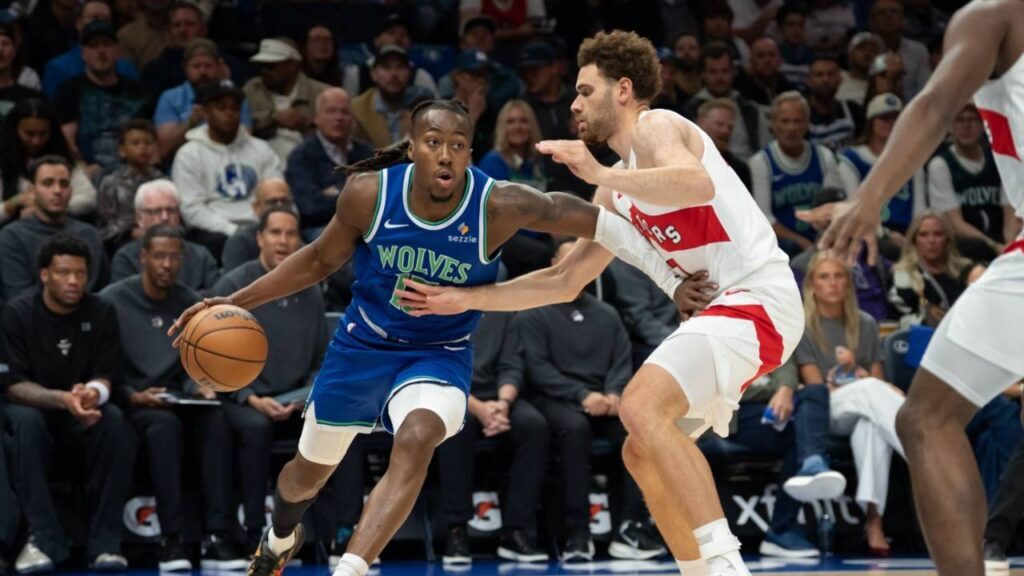
Dosunmu’s filtered game log lists seven appearances without Edwards during the 2025-26 regular season, from March 17 through April 7. Across those games, Dosunmu averaged 18.7 points and 4.1 assists while making 50 of 99 shots, or 50.5 percent. The sample includes only his appearances for Minnesota.
McDaniels’ broader absence splits show 18.7 points, 3.2 assists, and 51.8 percent shooting across 16 games without Edwards last regular season. The historical samples cannot establish how the current roster will perform, especially alongside a different lead guard. The results support distributing creation beyond Ball rather than treating the missing production as one player’s assignment.
A provisional starting five would feature Ball, Dosunmu, McDaniels, Jonathan Kuminga, and Rudy Gobert. Dosunmu averaged four assists while shooting 48.8 percent through this season’s first four games, calculated from his official game log. The lineup would gain another passing option beside Ball, although a four-game sample cannot establish that the combination will outperform every alternative.
Starting Shannon Would Protect A Different Priority
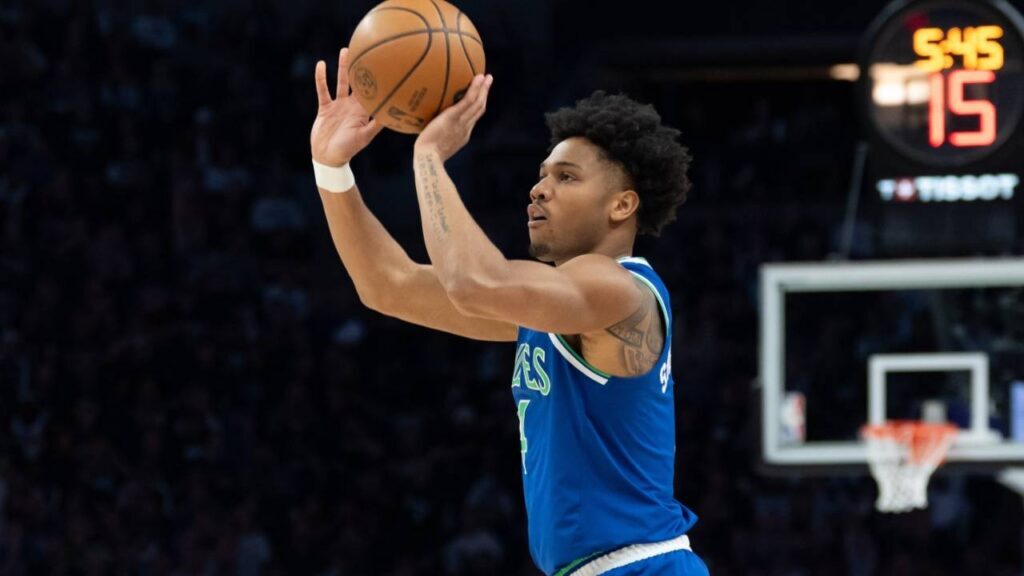
From October 21 through October 26, Shannon made 10 of 20 threes, shooting 50 percent across four games, per his current game log. Dosunmu made four of nine, shooting 44.4 percent across the same four games. Shannon supplied more than twice the attempts, but neither sample establishes a lasting spacing advantage.
Starting Shannon would preserve Dosunmu as the first reserve organizer, but leave Ball responsible for directing the opening unit. Finch should then use Ball-Gobert screens to create catch-and-shoot chances or cutting lanes for Shannon. Starting Dosunmu instead supplies another initiator immediately, while requiring staggered rest periods to keep the bench organized. The Timberwolves should favor the latter experiment initially, with Shannon remaining a viable alternative if reserve possessions suffer.
Donte DiVincenzo remains unavailable while recovering from an Achilles injury, according to the local injury report. Shannon should still receive substantial opportunities, including minutes with whichever starting guard remains on the floor. A starting designation should not prevent Finch from closing with the combination that best handles the opponent’s coverage.
Ball’s Turnovers Matter As Much As His Scoring
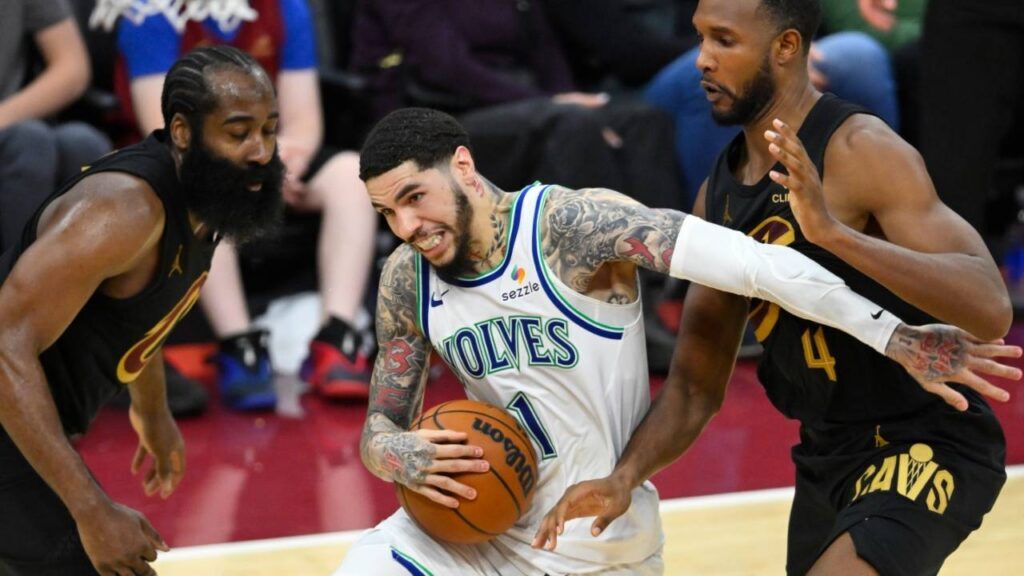
Ball averaged 14.8 points, 6.3 assists, and 3.3 turnovers through four games, calculated from his NBA game log. Seven of his 13 turnovers came in one game, while the first three appearances produced only six combined. The distribution describes an uneven opening week, rather than an established ball-security problem.
Ball should release passes before traps close his escape routes, prioritizing timing over the assist totals in his individual game log. Finch should also distinguish mistakes against traps from unforced errors before changing the guard’s role. Minnesota should keep a second ballhandler available when opponents force early passes out of Ball’s hands.
Finch should open with Ball-Gobert pick-and-rolls, positioning Dosunmu one pass away and keeping Kuminga outside the immediate driving lane. Dosunmu becomes the outlet if his defender leaves to help on Gobert’s roll, giving Ball a passing target before the defense resets. Dosunmu could then attack the closeout or move the ball toward McDaniels, creating a second decision within the same possession.
A switch would require a different response, with Ball assessing the matchup while Gobert looks to establish position against a smaller defender. A defense staying home on the perimeter would leave Ball responsible for testing the initial screen coverage. The proposed sequence offers specific reads without pretending the new lineup has already demonstrated success with them.
The Schedule Leaves Little Adjustment Time
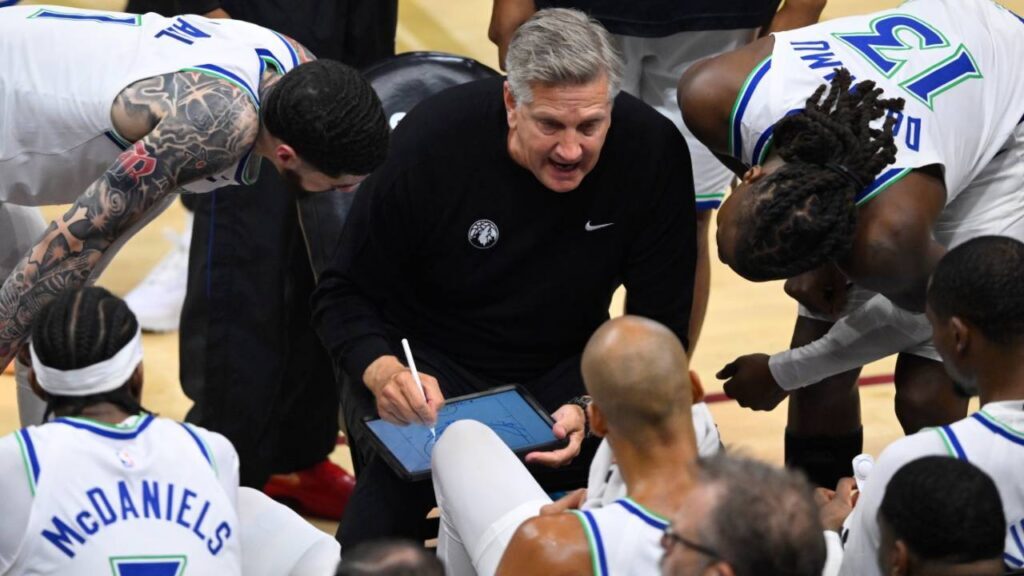
The Anthony Edwards injury changes preparations immediately, with the Golden State Warriors visiting Target Center on October 28. The Los Angeles Clippers follow on October 30, before a road game against the San Antonio Spurs on October 31. The upcoming schedule therefore includes three games in four nights while Finch begins evaluating the revised rotation.
The Timberwolves should use that opening stretch to assess more than the replacement starter’s points. Turnovers, available ballhandling during bench minutes, and the quality of late-clock attempts will show whether the new combinations function. A hot shooting night could conceal weaknesses, while repeatable offense would provide something more useful for the weeks ahead.
End Of My Anthony Edwards Injury Rant
The Anthony Edwards injury leaves Finch choosing how to distribute creation across an entire game, with starting introductions only part of the assignment. Minnesota should give the proposed backcourt an opportunity without treating the initial selection as a permanent commitment. Shannon’s minutes can expand when the matchup demands a different balance of shooting and ballhandling.
Missed shots alone should not determine whether the experiment survives. A possession producing an open attempt after forcing help offers better evidence than a contested jumper that happens to fall. Finch should evaluate the opportunities created before reacting to a short run of makes or misses.
The Timberwolves should keep the pairing if staggered minutes consistently produce advantages for both the starters and reserves. Repeated possessions ending without a paint touch, screen advantage, or forced rotation would justify starting Shannon and restoring Dosunmu’s bench role. The deciding criterion should be whether the rotation creates quality attempts throughout the game, rather than which group posts the louder scoring night.
