
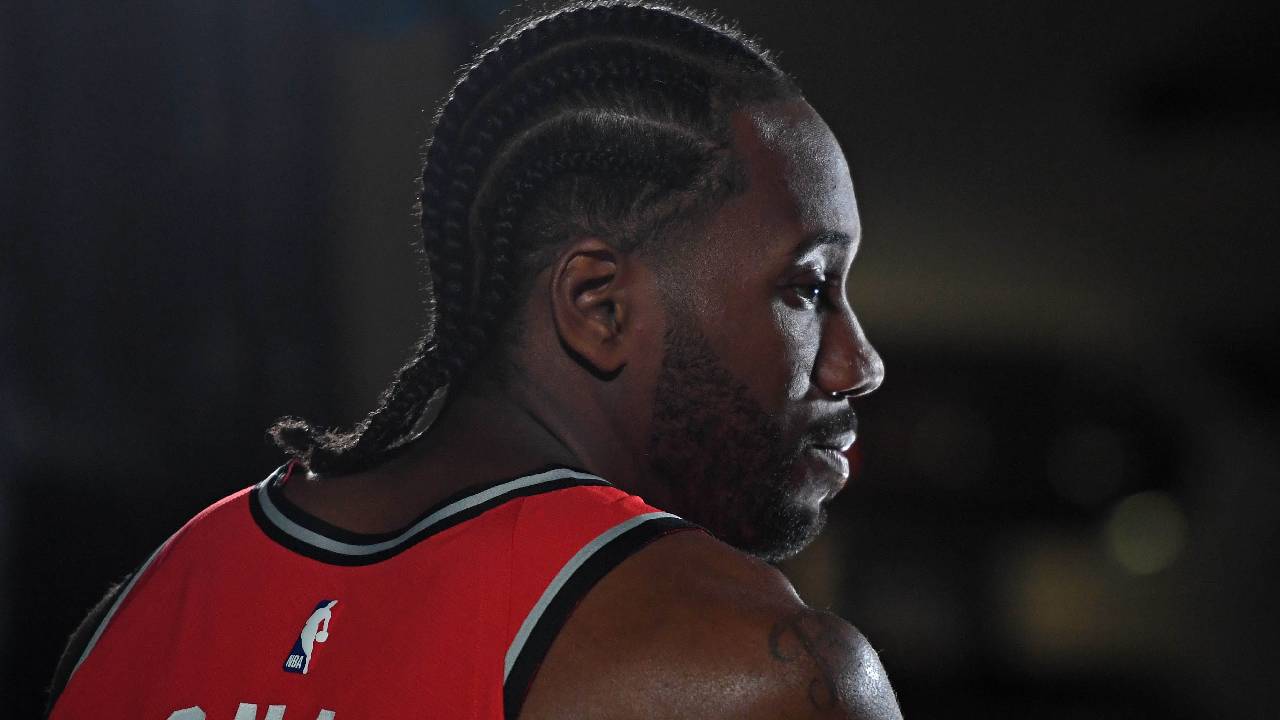
The Kawhi Leonard contract extension gives the Toronto Raptors something they could not have guaranteed when they traded for him: multiple seasons to build around their returning star. Leonard agreed to a two-year, $115 million extension with a player option for 2028-29. The 2025-26 season produced 27.9 points, 6.4 rebounds, and 3.6 assists per game across 65 appearances.
Toronto paid a significant price to bring Leonard back from the Los Angeles Clippers. The Raptors sent Brandon Ingram and Gradey Dick to acquire the two-time Finals MVP. The package also included unprotected first-round picks in 2031 and 2033, a 2027 first-round pick swap, and second-round picks in 2030 and 2033. The trade details show just how much draft capital Toronto committed to the reunion. That investment now makes the Leonard contract extension an important part of evaluating the trade’s long-term value.
The willingness to make that investment was tied to Leonard’s preference for the Raptors as a long-term destination. Before the trade, Shams Charania reported that Leonard would commit to a long-term extension only with Toronto. Pre-trade reporting stated, “Toronto is the only place he would commit to on a long-term extension.”
The extension now makes the strategy much clearer. Leonard’s current 2026-27 season plus the two new seasons creates a three-season, $165 million commitment through 2028-29, with the final season controlled by his player option. The extension itself remains a two-year, $115 million deal.
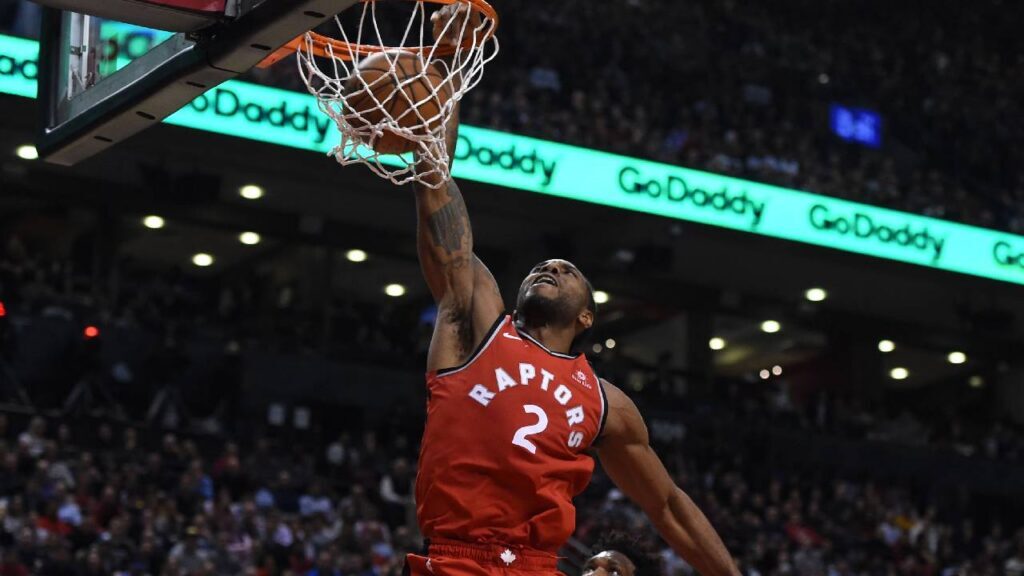
The Raptors acquired Leonard in 2018, watched him lead the franchise to its first NBA championship, then lost him in free agency after one season. Toronto can now plan around Leonard through at least 2027-28 while retaining a 2028-29 player option. The Kawhi Leonard contract extension gives Toronto a defined period to determine whether the roster can become a championship-level team.
The Raptors also enter the season with a stronger foundation than the team that finished 25-57 in 2024-25. Toronto went 46-36 last season and finished fifth in the Eastern Conference, with a defense that ranked fifth in the NBA.
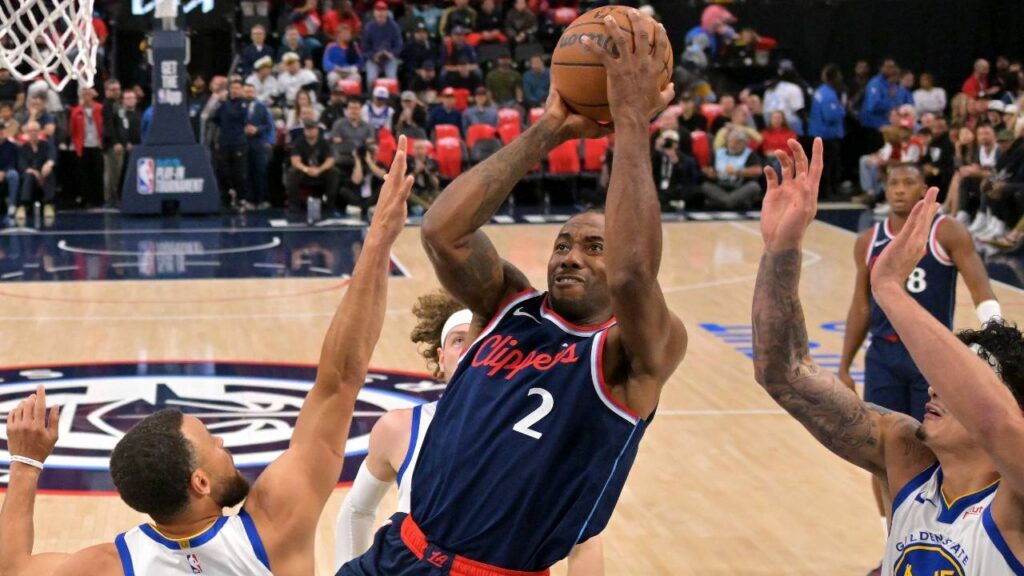
The contract carries substantial risk because Leonard’s recent availability has not matched his production when healthy. Leonard produced 27.9 points, 6.4 rebounds, 3.6 assists, and 1.9 steals per game last season while shooting 50.5% from the field and 38.7% from three-point range. The 2025-26 numbers also include an All-NBA Second Team selection, giving Toronto evidence that Leonard remains a high-level player when available.
Availability remains the central concern. Leonard played 65 games in 2025-26 after appearing in 37, 68, and 52 games in the previous three seasons. He missed the entire 2021-22 season with an ACL injury. Leonard also played 52 games in 2020-21, leaving him with only three seasons of at least 60 appearances over the past nine years.
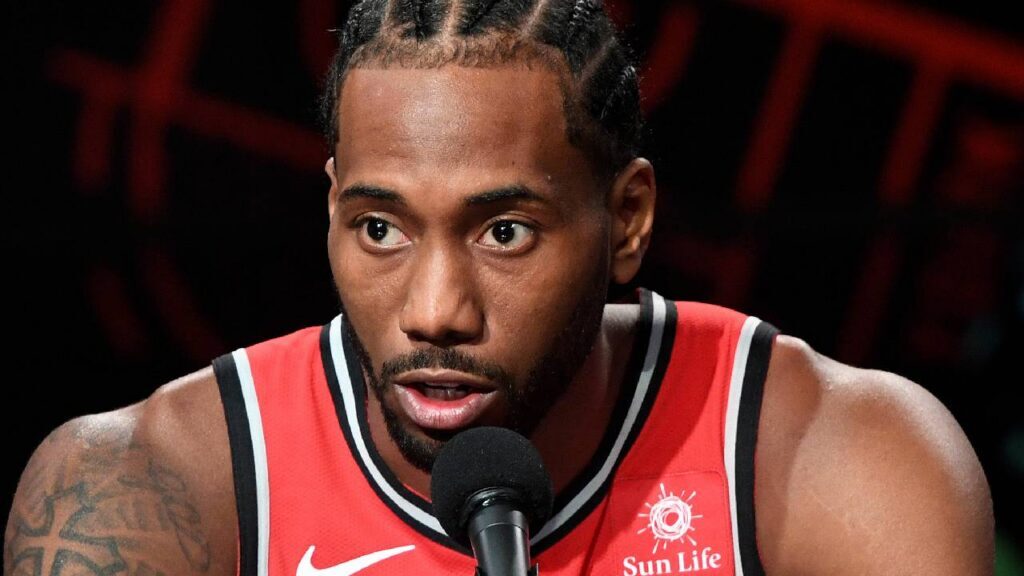
Leonard also gave Toronto some financial room when he agreed to take about $11 million less than his maximum extension value over the two new seasons. The salary context puts the concession at roughly $5.5 million per season compared with the maximum he could have received under the applicable extension rules. That financial flexibility adds another important element to the Kawhi Leonard contract extension.
The discount is meaningful because Toronto remains close to the NBA’s apron thresholds. Sportsnet reported that the Raptors remain nearly $1 million below the first apron and $13 million below the second, preserving room for roster moves. Leonard also waived a $7.5 million trade kicker to facilitate the move from Los Angeles, giving Toronto another financial concession during the reunion.
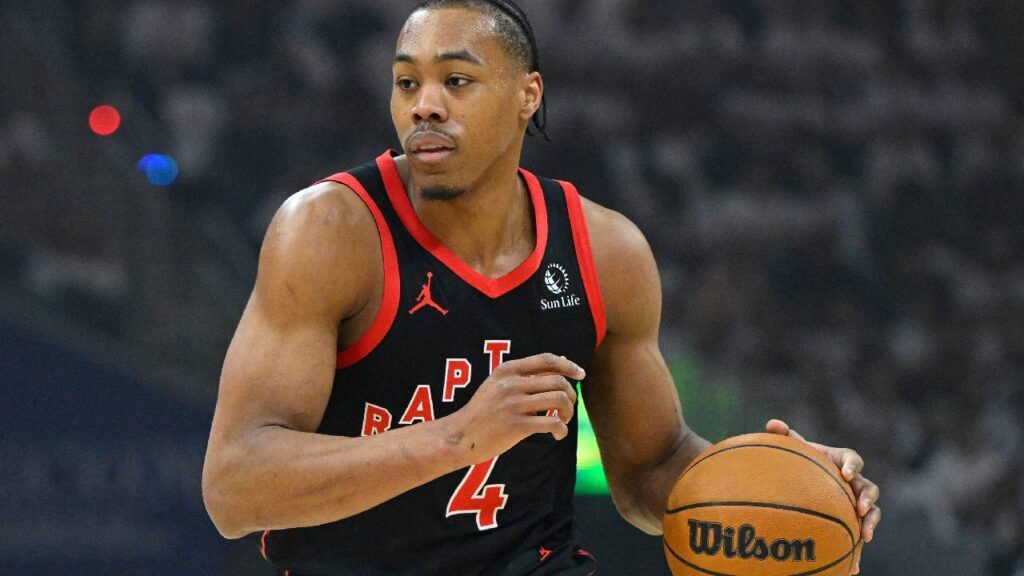
The Raptors already had a top-five defense last season, but the offense ranked only 15th in the NBA. Leonard’s scoring gives Toronto a direct answer to that imbalance, particularly after the team traded Ingram and Dick as part of the package that brought him back.
Barnes gives the Raptors a 25-year-old All-Star-caliber forward who can create, defend multiple positions, and handle secondary playmaking responsibilities. Barrett provides another scoring option, while Quickley gives Toronto a ball-handler who can operate alongside Leonard without forcing the offense through one player on every possession.
The Raptors’ larger challenge is converting that collection of talent into a more reliable half-court offense without weakening the defense that already ranked among the league’s best. The organization also surrendered control of future first-round selections in 2031 and 2033, increasing the importance of maximizing the current core around Leonard.

Leonard’s Los Angeles tenure makes the return even more significant. The Clippers built several talented teams around him but never reached the NBA Finals during his seven seasons in Los Angeles. Injuries and postseason setbacks repeatedly interrupted a run that began with Leonard winning a second championship and Finals MVP in 2019.
That difficult ending was reflected in Leonard’s Clippers goodbye. It examined the significance of an era that never reached the level both sides anticipated. The Raptors are where Leonard already proved he could lead a championship team. The current roster is built around a different core, with Leonard now 35 rather than 27.
The 2018-19 season produced 60 regular-season appearances, followed by a 24-game playoff run that ended with Toronto’s first title and Leonard’s second Finals MVP. While past success does not guarantee another title, it offers the reunion a historical standard.
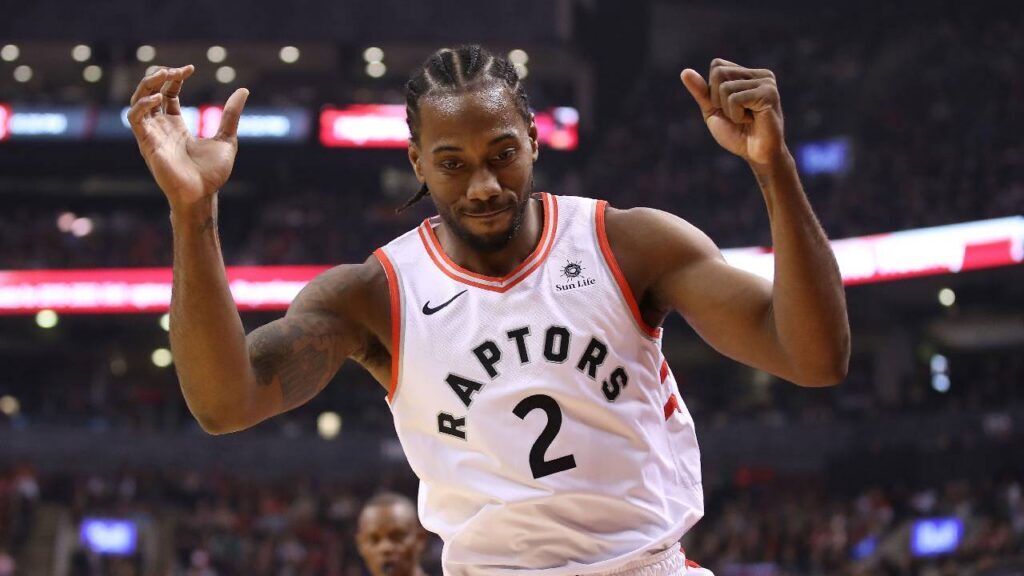
The 2028-29 player option gives Leonard control over the final season of the extension while giving Toronto two seasons to evaluate the roster around him. Health, team development, and the franchise’s competitive direction will all factor into whether Leonard exercises the option or enters free agency.
Kawhi Leonard’s contract extension changes the meaning of Toronto’s blockbuster trade. The Raptors are no longer betting on a short-term return from a former Finals MVP. The organization has committed $115 million in new money and significant future draft capital to a player whose recent production provides a clear basis for the investment.
The deal gives Toronto a defined financial and competitive window through 2028-29, but the final season remains Leonard’s choice. The Raptors now have that window to determine whether the current roster can provide enough two-way support around him to justify the scale of the commitment.
Availability ultimately determines how much value Toronto receives from the investment. Leonard’s 27.9-point production and All-NBA Second Team selection establish the level of play the Raptors are paying for. Leonard’s recent injury history makes his availability the central variable in whether the $115 million extension and surrendered draft capital produce the intended return.
