
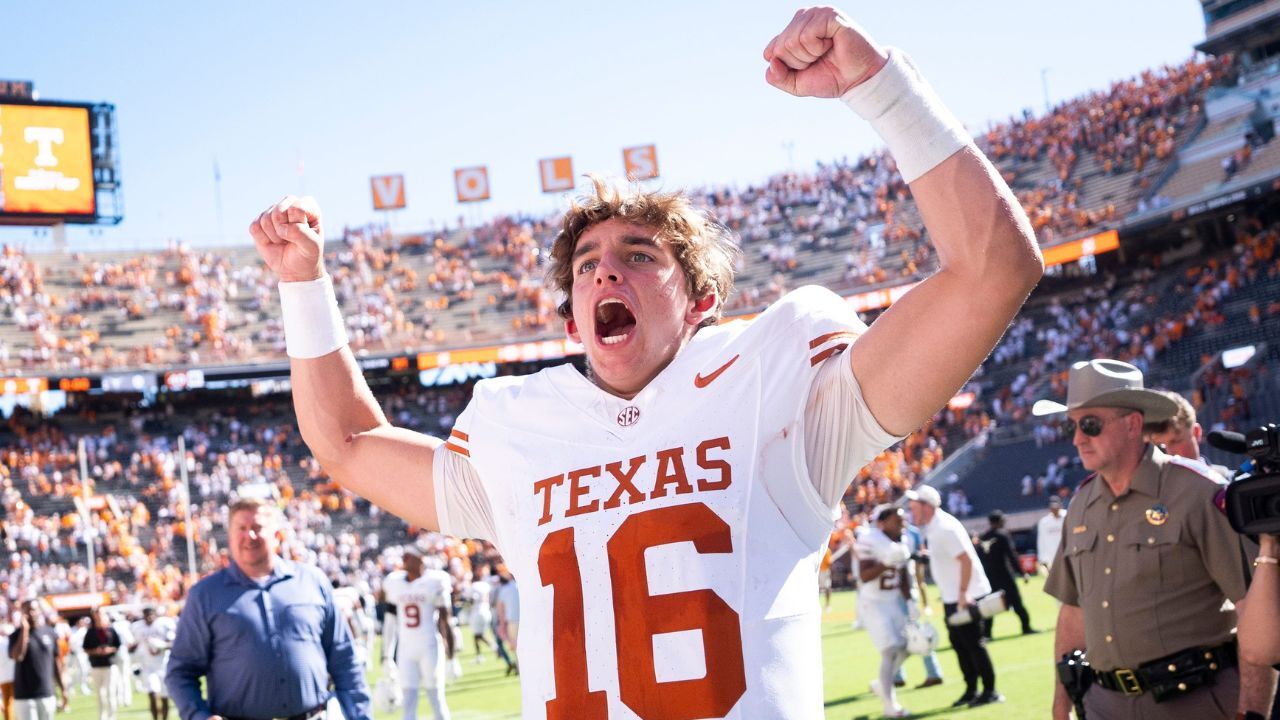
Texas quarterback Arch Manning entered the 2026 college football season with enormous expectations. As the latest prominent quarterback prospect from the Manning family, he has attracted attention throughout his college career. However, his NFL appeal extends well beyond his last name.
Manning’s arm talent and athleticism give him an intriguing foundation as a prospect. He can attack defenses vertically, make throws outside the numbers, and use his legs to create opportunities when a passing play breaks down. Pro Football Focus identified him as a potential top-five pick entering the season, with a path to the No. 1 overall selection.
His development has not been without challenges. Manning threw for 3,163 yards and 26 touchdowns in 2025, but his accuracy and consistency remain important areas to monitor as he prepares for the next level.
Through four games in 2026, Manning has completed 73 of 115 passes for 862 yards, seven touchdowns, and three interceptions. His 63.5% completion rate reflects a mixed start to the season, with his performances against Texas State, Ohio State, UTSA, and Tennessee offering different tests of his development.
Manning has the physical tools to compete for the top spot in the 2027 NFL Draft. Whether he reaches that level will depend on how consistently he makes decisions, places the ball, and handles pressure against increasingly challenging defenses.
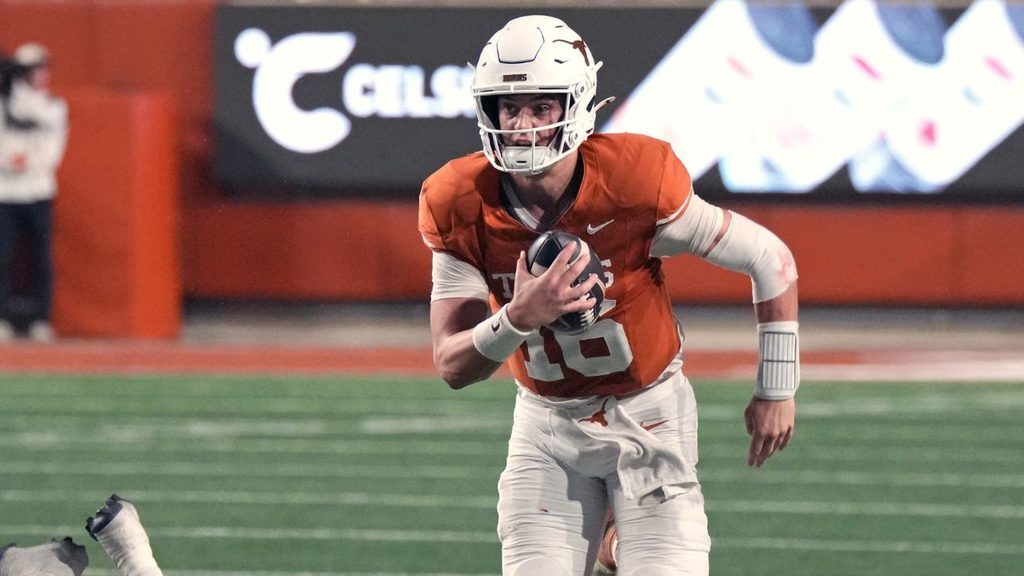
Manning’s arm talent is one of his biggest selling points. He has the strength to attack defenses outside the numbers and push the ball downfield without needing a perfectly clean pocket.
He can generate velocity on throws into tight windows while also showing the touch needed to give receivers opportunities downfield. That combination allows him to threaten multiple levels of the defense rather than relying exclusively on short, high-percentage passes.
Manning’s performance against Arkansas in November 2025 offered a glimpse of his ceiling. He completed 18 of 30 passes for 389 yards and four touchdowns in Texas’ 52-37 victory. He also contributed a rushing touchdown and a receiving touchdown, finishing with six total touchdowns.
The performance showcased Manning’s ability to generate explosive plays when his timing and decision-making come together. His arm talent gives him the tools to challenge NFL defenses vertically, although consistent ball placement will be essential to maximizing that strength.
Manning offers more athleticism than the traditional pocket-passer stereotype associated with his family. He has enough speed to escape pressure, extend plays, and create opportunities when his initial reads are covered.
His rushing ability can also force defenses to account for him as a ball carrier. That threat becomes particularly important when the pocket breaks down or when Texas uses him near the goal line.
Manning demonstrated his rushing potential in the 2025 Citrus Bowl against Michigan. He rushed nine times for 155 yards and two touchdowns while adding 221 passing yards and two passing touchdowns in Texas’ 41-27 victory. He earned the game’s MVP honors after accounting for 376 yards of total offense.
That performance highlighted how Manning can change a game with his legs as well as his arm. His challenge will be knowing when to use his athleticism and when to remain in the pocket to give passing concepts time to develop.
Manning has the physical tools to make throws from different platforms, including situations where pressure forces him away from his preferred throwing position.
Draft evaluator Charlie Campbell of WalterFootball has highlighted Manning’s pocket-passing ability, accuracy at different levels, and capacity to make off-platform throws. Campbell has also drawn a comparison to Trevor Lawrence during his Clemson career.
These traits give Manning ways to salvage plays that might otherwise break down. He can adjust his throwing platform and continue looking for receivers rather than automatically turning every disrupted play into a scramble.
However, his physical tools must be paired with sound mechanics and quick decisions. Maintaining his footwork and identifying opportunities as the pocket changes will be important against NFL-caliber pass rushers.
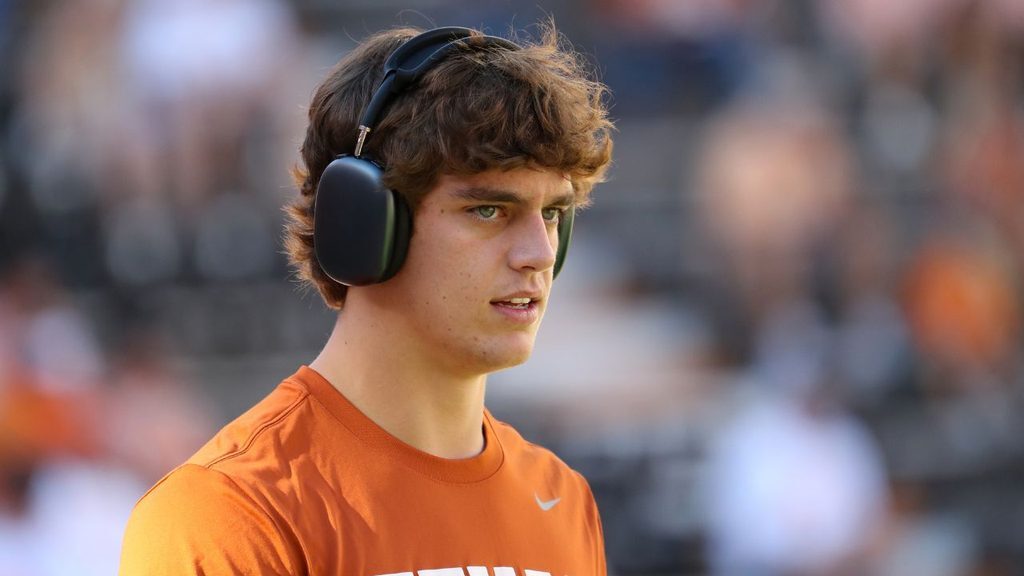
Manning’s accuracy remains one of the most important areas of his development. Although he can make difficult throws, his ball placement has been inconsistent, particularly when he needs to deliver routine completions on schedule.
His 2025 statistics provide useful context. Manning completed 248 of 404 passes for 3,163 yards, 26 touchdowns, and seven interceptions across 13 starts. His 61.4% completion rate was productive but left room for improvement.
Completion percentage alone does not tell the entire story of a quarterback’s accuracy. However, scouting evaluations have also identified consistency, footwork, and ball placement as areas Manning needs to improve.
Improving his lower-body mechanics and maintaining a consistent release could help him deliver more accurate passes. Manning has the arm talent to make difficult throws, but he must become more reliable on routine completions that keep an offense ahead of the chains.
Manning’s processing speed is another factor that could determine his NFL ceiling. He needs to show that he can work through progressions efficiently rather than becoming overly focused on his initial read.
When a defense takes away his preferred target, the ability to move to another option quickly becomes essential. Holding the football too long can allow pass rushers to close in, while forcing a difficult throw can turn a manageable situation into a costly mistake.
Manning’s confidence in his arm can be an advantage, but it must be balanced with sound risk management. Recognizing when to take an available shorter completion or move on from a covered receiver will be important as he faces more sophisticated defensive schemes.
These concerns are part of his development rather than proof that he cannot succeed at the next level. Still, showing faster progression reads and more consistent decisions would strengthen his draft evaluation.
Manning’s mobility helps him escape defenders, but his ability to manage pressure within the pocket remains an important area to watch.
When defenders close in, he needs to make subtle movements to create space while keeping his eyes downfield. Leaving the pocket too early can eliminate passing opportunities, while inconsistent footwork can affect his accuracy when he is forced to throw under pressure.
Scouting evaluations have identified pocket management and footwork as areas for improvement in Manning’s game.
He does not need to abandon his athleticism to become a better pocket passer. Instead, he must learn when to use his legs to extend a play and when to trust his protection long enough for a receiver to get open.
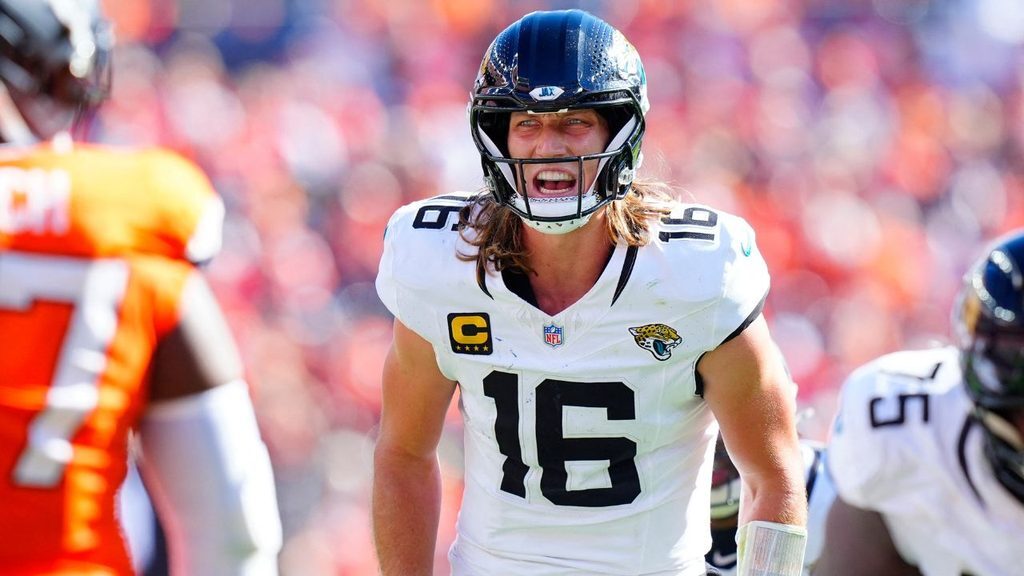
Manning’s combination of size, arm talent, and mobility brings Trevor Lawrence to mind as a stylistic comparison.
Like Lawrence during his Clemson career, Manning has the physical tools to attack defenses at multiple levels and make difficult throws from different platforms. Both quarterbacks entered the NFL draft conversation with significant expectations and the potential to become franchise passers.
The comparison reflects their physical profiles and playing styles rather than a prediction that Manning will match Lawrence’s college production or professional career. Manning still needs to demonstrate greater consistency in his accuracy, processing, and pocket management before he can establish himself as a complete quarterback prospect.
Lawrence provides a useful reference point for the type of quarterback Manning’s skill set resembles. Whether Manning reaches a similar level will depend on his continued development and ability to translate his physical talent into consistent performances.
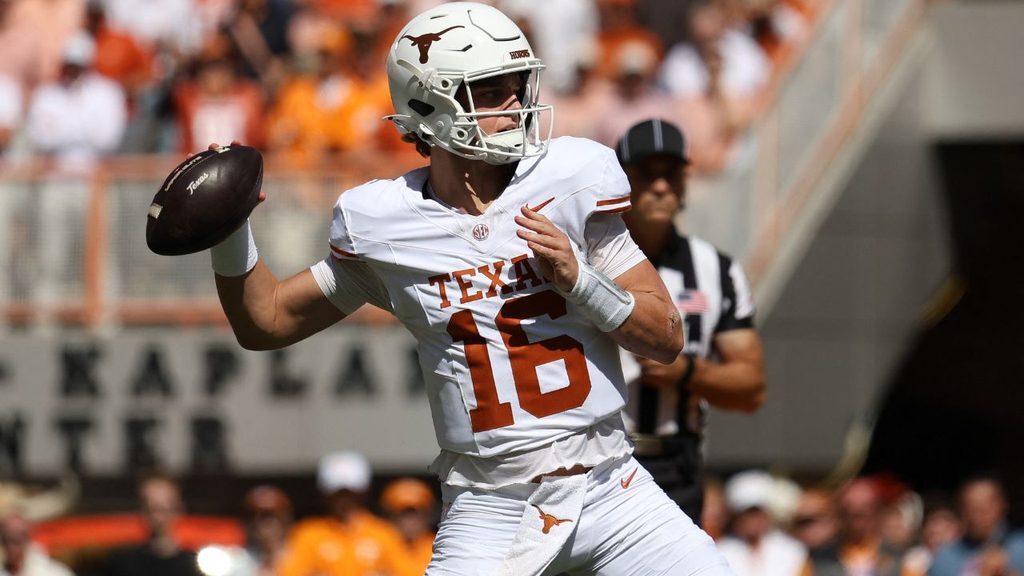
Arch Manning has the physical tools to become one of the most closely evaluated quarterbacks in the 2027 NFL Draft class. His arm strength, downfield passing ability, and mobility give him a high ceiling, while his experience as Texas’ starting quarterback provides a foundation for further development.
His 2025 season showed what he can accomplish as a full-time starter. Manning threw for 3,163 yards and 26 touchdowns, while his performance against Arkansas demonstrated his ability to produce explosive plays and contribute in multiple ways.
However, his evaluation will depend on more than his best performances. Improving his ball placement, working through progressions efficiently, and maintaining his mechanics under pressure will be essential as he prepares for the next level.
PFF viewed Manning as a potential top-five selection entering the 2026 season, with a path to the No. 1 overall pick. That projection reflects his physical upside, but it is not a guarantee of where he will be selected.
Manning has the talent to challenge for the top spot in the 2027 class. If he becomes more consistent throughout the remainder of the season, he could strengthen his case to be the first quarterback selected. For now, his combination of high-end physical traits and areas that still need refinement makes him one of the most compelling prospects to follow.
