
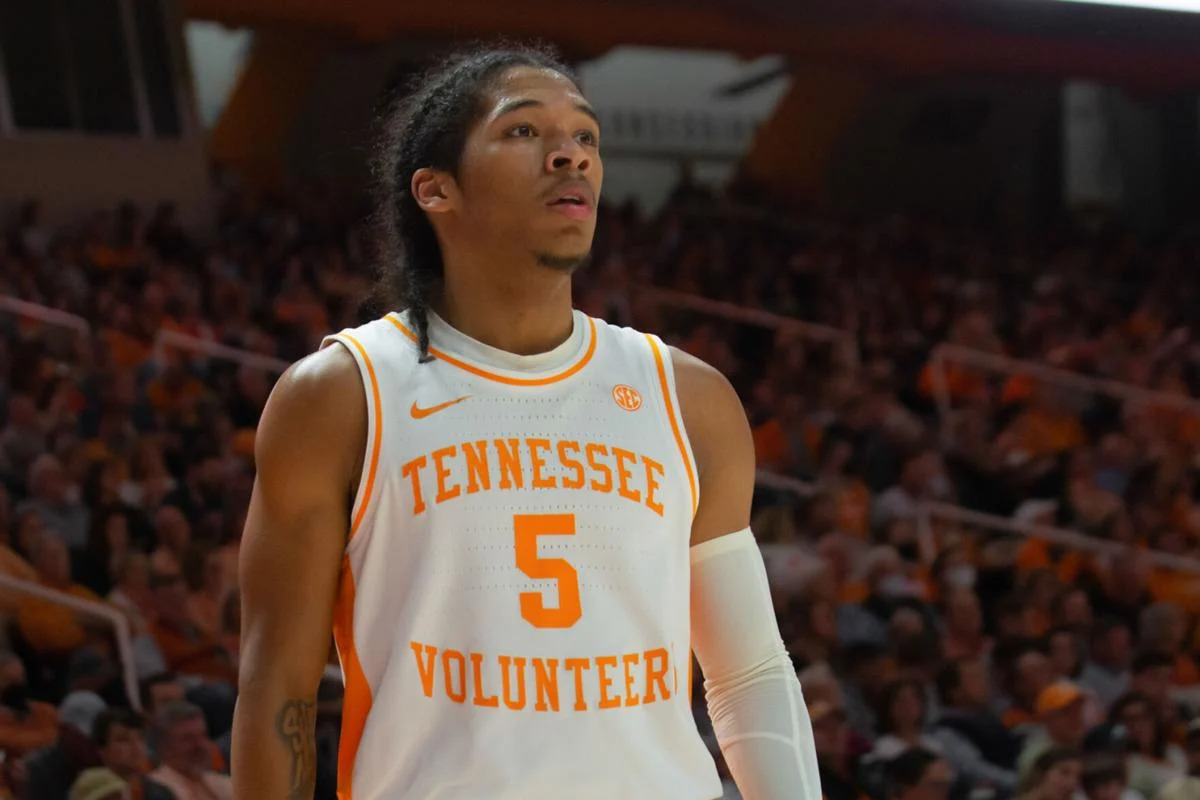
Tennessee Volunteers basketball player Zakai Zeigler filed a lawsuit against the NCAA back on May 20. The lawsuit claims that it is a violation of the Sherman Act to limit college players to playing for only four years in a five-year window. The act was passed in 1980 and prohibits activities that restrict interstate commerce and competition.
Zeigler, who has graduated from Tennessee, is suing to receive a fifth year of eligibility while attending graduate school. The lawsuit claims that Zeigler will miss out on between $2-$4 million in NIL (name, image, and likeness) deals.
On Tuesday, June 3, the US Justice Department released a statement through its Antitrust Division quoting other cases that have used the Sherman Act. The statement began by saying that the federal government isn’t taking a side in this case, but is urging the court to use a “flexible rule of reason approach.”
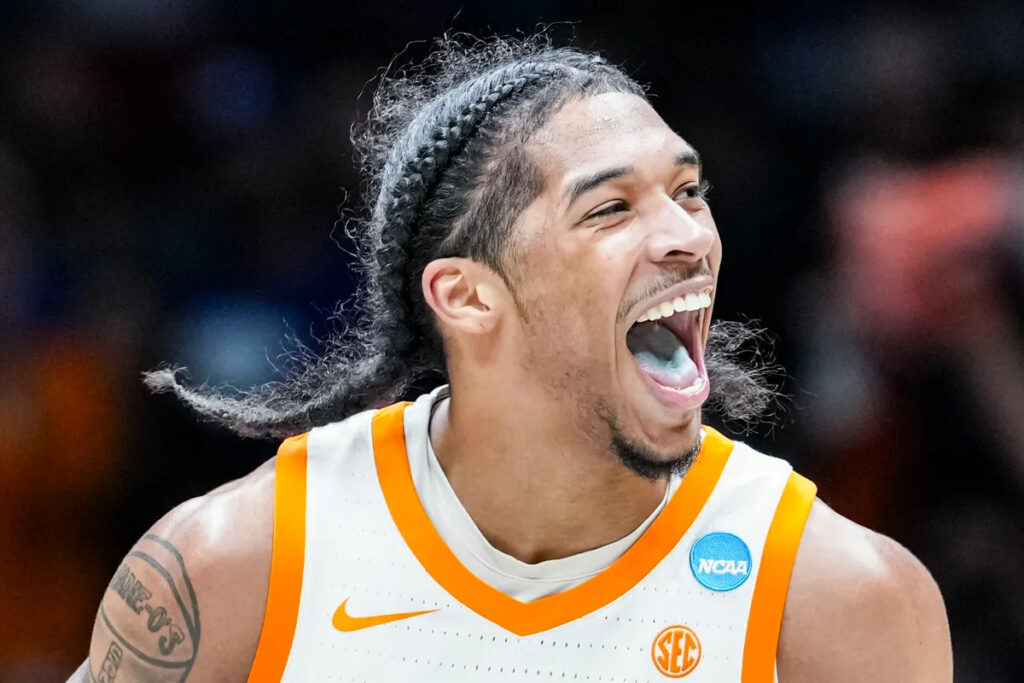
The statement from the DOJ claims that the “United States has a particularly strong interest in ensuring that student-athletes fully benefit from” college sports. They go on to state that this goal is “entirely consistent with the goals of the Sherman Act.”
The DOJ references the NCAA vs. Alston decision by the Supreme Court, reiterating that the NCAA is subject to the Sherman Act. They point out that making exceptions to the Four Seasons rule could give colleges an unfair advantage by fielding more experienced players, likening it back to the days before the NCAA, where colleges used “ringers.”
While the DOJ claims not to take a side in their statement, the overall tone suggests that Zeigler should not receive his fifth year. They stress weighing both the pros and cons of the NCAA rule, suggesting that abandoning the rule could do more harm to college sports overall.
The NCAA’s response this week also pointed out the overarching effects on college sports. Similar to the DOJ statement, the NCAA claims that giving Zeigler his fifth year would open the door to more student-athletes doing the same, blurring the lines between amateur and professional sports. Adamantly denying the Four Seasons rule violates the Sherman Act, they argue that it keeps freshmen from being harmed by limited roster spots taken by upperclassmen.
One thing is for sure: Student-athletes and universities around the states are keeping a close eye on this case. The ramifications of this lawsuit will extend beyond just Tennessee and college basketball.
Zeigler’s case for a preliminary injunction was heard by the US District Court for the Eastern District of Tennessee on Friday, June 6. The judge requested a supplement briefing from Zeigler’s attorneys on Tennessee’s SB 0536 that was just passed in April 2025. His lawyers have until June 7 to meet that request.
If Zeigler wins this case, then he’ll have the ability to play basketball in the 2025-26 season while the case continues to make its way through the courts.
