
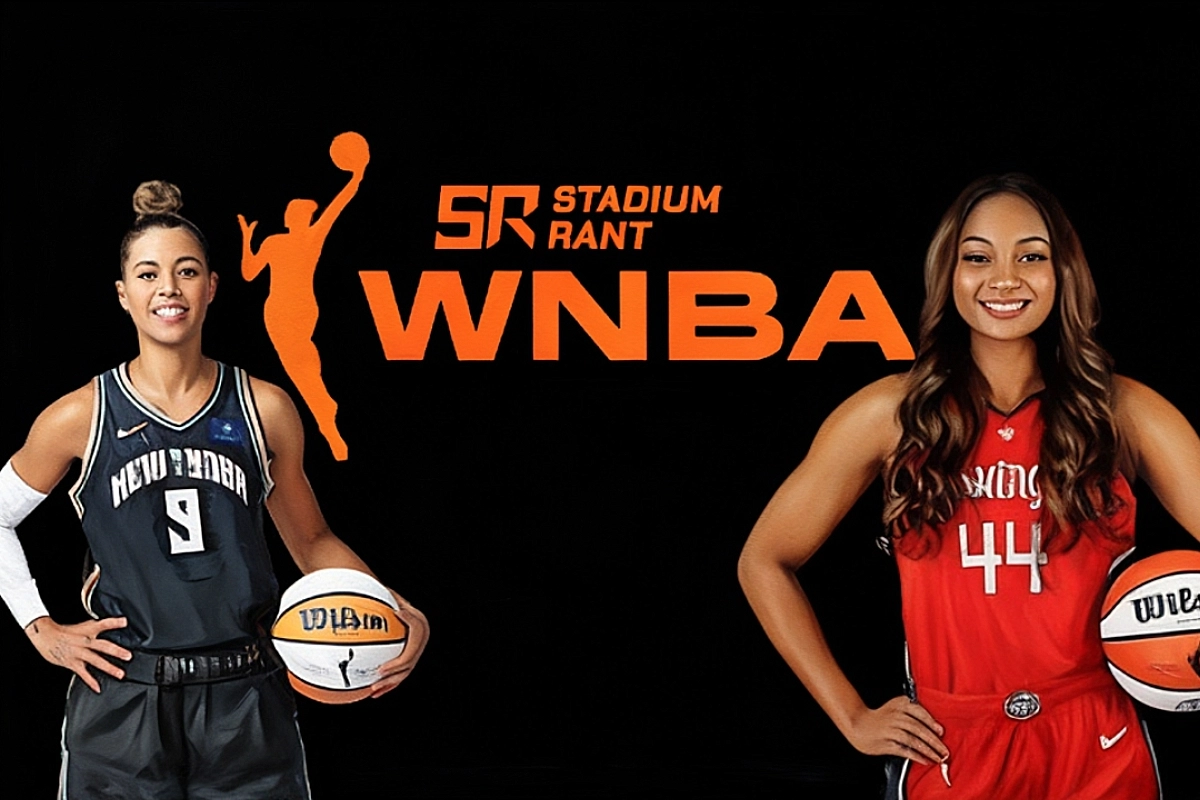
The Women’s National Basketball Association (WNBA) and the Women’s National Basketball Players Association (WNBPA) committed to increased security measures following a meeting surrounding increasing WNBA player harassment incidents. Some recent events included racist, hateful, and abusive messages directed at players.
A joint statement released by the WNBA and WNBPA on Wednesday remarked that the meeting “underscored the importance of addressing issues early through proactive communication and strengthening the league‑union relationship.”
“The league committed to continuing to enhance security resources and will work with the players’ union to explore collaborations with organizations that share the values of our league and advance our shared priorities,” the statement said, adding that “yesterday’s discussion marked the beginning of an ongoing dialogue, and we are united in our commitment to building on this work together.”
A video conference held Tuesday night involved members of the WNBPA Executive Committee and its Justice, Equity, Diversity and Inclusion (JEDI) Committee. Union leaders requested the meeting after players raised concerns that WNBA player harassment incidents had escalated alongside the league’s rapid growth, especially in the aftermath of one high-profile incident.
The union pressed for the meeting after a June 24 game in which Phoenix Mercury forward Alyssa Thomas made contact with Indiana Fever guard Caitlin Clark’s throat.
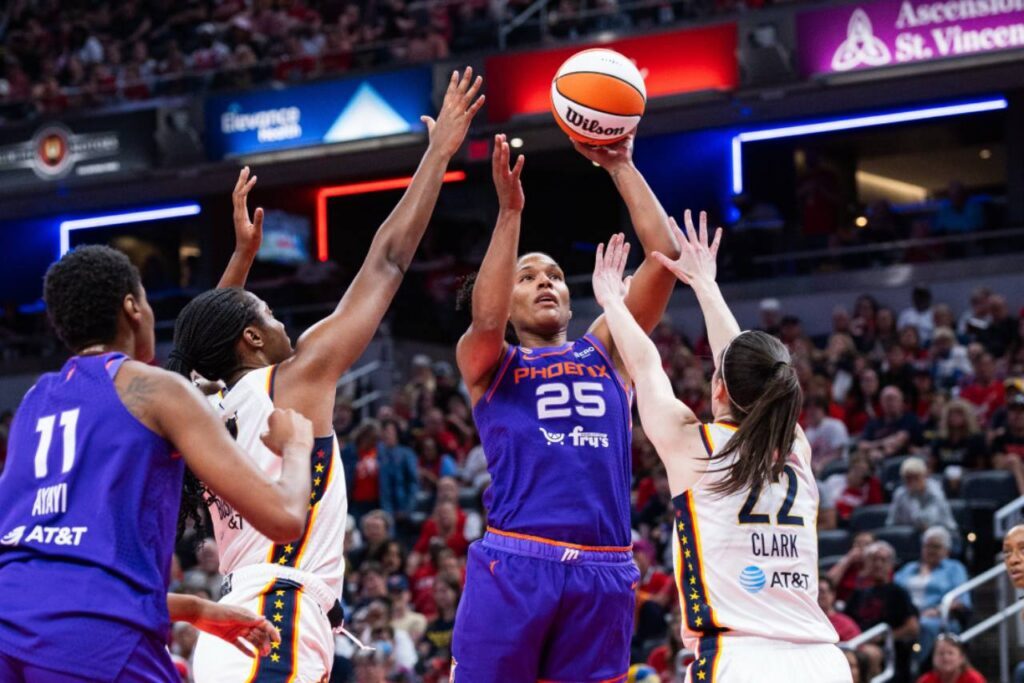
Following post‑game review, the WNBA upgraded the foul to a Flagrant 2 and handed Thomas a one‑game suspension, saying she “recklessly” pressed her fist to Clark’s neck area during the second quarter.
In the days after that decision, Thomas said she received death threats and racist slurs, calling on the league and Engelbert to take stronger action and saying the abuse was far beyond normal criticism of a hard foul.
Clark publicly responded by saying “harassment, hate, none of that is okay,” and stressing that it applies to opposing players as well as herself, comments that have since been cited in reports on the league’s harassment problem.
That sequence—an on‑court incident, a disciplinary decision, and a flood of targeted, often racist messages—provided the clearest recent example of why players want the WNBA to treat harassment as a player‑safety crisis instead of simply an optics problem.
The WNBA launched a formal player safety program last year to help combat growing WNBA player harassment incidents, saying racist and sexist abuse had become an unwanted consequence of the league’s rising popularity.
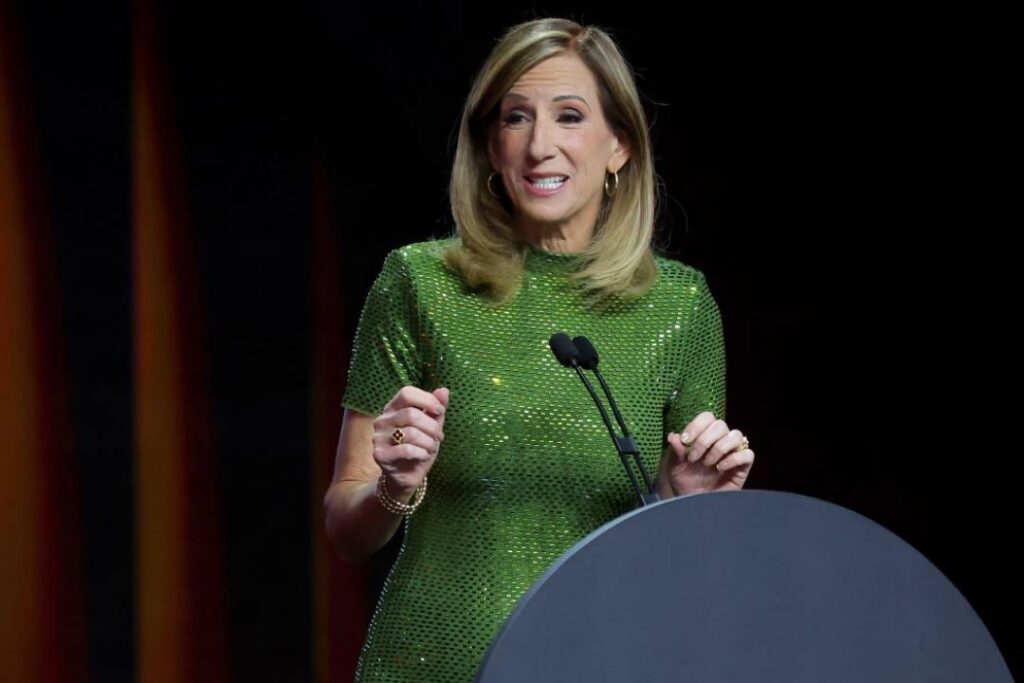
Commissioner Cathy Engelbert created a task force with four main goals: monitoring social media and digital platforms using an advanced technology solution, strengthening conduct standards across all WNBA platforms and arenas, adding security measures at the league and team levels, and providing continued services from dedicated mental‑health clinicians.
The league also describes existing security protocols that include league and team security personnel who assess threats and coordinate with law enforcement when appropriate, on top of standard game‑day escort and travel procedures for players.
Last season’s “No Space For Hate” platform added AI tools to help detect and filter abusive comments directed at players, coaches, and staff, particularly on social media.
In the new statement, the WNBA and WNBPA did not announce specific new rules to combat WNBA player harassment. The league instead plans to focus on expanding security resources, communication, and long-term coordination.
Confirmed commitments include continuing to enhance security resources at the league and team levels, while working with the union to explore collaborations with outside organizations that share the league’s values and can assist on harassment and safety issues.
Planned or ongoing discussions include how to address abusive messages earlier, how to improve communication between players, union leadership, and the league, and how to make reporting pathways and escalation clearer when harassment crosses into threats.
League and union leaders also indicated that future meetings would keep player safety and harassment on the agenda, rather than only revisiting the issue after a crisis.
Separate from the player‑safety program, the WNBA’s Fan Code of Conduct lays out what can already happen when behavior crosses the line.
The code promises a “safe, comfortable, and enjoyable” experience and allows for immediate ejection of guests who engage in fighting, throw objects, attempt to enter the court, or use abusive language and obscene gestures. Penalties could include revocation of ticket privileges and bans from future events.
Those standards extend to league platforms, where the “No Space For Hate” policy says abusive, sexist, racist, homophobic, or otherwise offensive content can be removed and accounts blocked or restricted.
Direct threats made toward players or personnel may be referred to law enforcement under existing policy, even before any new measures are added.
From the league’s perspective, the new statement fits into a broader effort that already includes a safety task force, AI monitoring tools, upgraded conduct standards, and existing security protocols.
From many players’ perspective, including Thomas, the question is whether those tools are used quickly and transparently enough when abuse spikes after a controversial call, suspension, or public storyline.
Under the current setup, league and team security can evaluate threats and work with law enforcement, arenas can eject or ban disruptive fans, and the safety program can provide support and filtering for social‑media harassment.
What players and union leaders are now pushing for is a clearer, more proactive standard: when racist, hateful, or threatening messages hit a certain threshold, they want consistent consequences and visible enforcement, not just statements saying there is “no space for hate.”
