
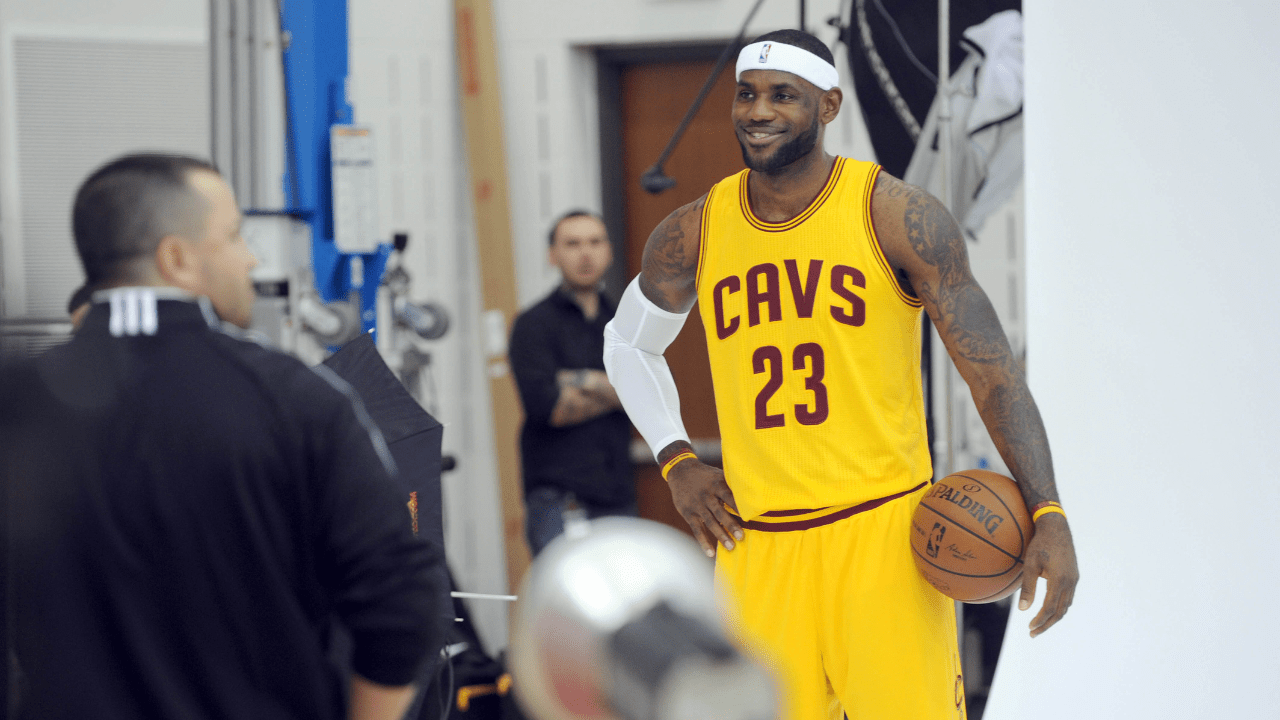
For most of the summer, one story felt inevitable. LeBron James was going home. That is why so many fans are now searching the same question: why did the LeBron James Cavaliers reunion fall apart? The homecoming that looked like the cleanest ending in basketball has cooled fast, and the reasons say a lot about where this free agency is really headed.
James told the Los Angeles Lakers he is playing elsewhere for the 2026-27 season, closing an eight-year run in purple and gold. Weeks into the process, the four-time champion is still unsigned. Cleveland was supposed to be the answer. Now it looks like the door has shut.
The Cavaliers Reunion Made Too Much Sense
Understanding why the LeBron James Cavaliers reunion fell apart starts with understanding why it made sense in the first place. This was not a lazy nostalgia pick. The basketball fit was real.
Cleveland is a legitimate contender. The Cavs ran deep into the Eastern Conference bracket last season behind Donovan Mitchell, Evan Mobley, and Jarrett Allen. That is a top-heavy roster with a defensive backbone and a star guard who can carry a scoring load. Drop a healthy LeBron into that group and you have a team built to chase a title right now, not two years from now.
The emotional pull was obvious too. LeBron gave Cleveland the 2016 championship, the greatest moment in the city’s sports history. A third stint, ending his career where it started, writes itself. Reporting even suggested James was open to taking a minimum contract to join a ready-made contender, which only made the Cavs math easier.
There was internal buy-in as well. Donovan Mitchell was reportedly on board with the idea of sharing a backcourt and a locker room with LeBron. When your franchise star welcomes the addition instead of guarding his turf, the biggest chemistry hurdle usually disappears.
So the pieces were there. Contender, minimum-money flexibility, a supportive star, and a storybook narrative. For a while, a Cleveland return was viewed as the single most likely outcome of the entire offseason. If you want the full case for why it clicked, we broke it down here in why a 2026 free agency homecoming makes perfect sense.
Why the LeBron James Cavaliers Reunion Fell Apart
Then the momentum stalled. According to ESPN’s Brian Windhorst, a mix of factors closed the door on what once looked like the NBA’s most obvious reunion. You can read the reported breakdown here. A few threads stand out.
Relationships mattered more than talent
This is the part people underestimate. The hangup was never really about who Cleveland could add. It was about who Cleveland was willing to move. Roster shuffling put a Klutch Sports client in play, a player LeBron had grown close to over the years, and losing that relationship changed the calculus. When a homecoming starts costing the people you actually want to play with, the appeal fades quickly.
The contender pool got deeper
LeBron is chasing rings, not minutes. The problem for Cleveland is that the rest of the league did not sit still. Other contenders reshaped their rosters this offseason, and suddenly the Cavaliers were no longer the clear best fit on the board. Once a couple of rival contenders leveled up, Cleveland’s pitch lost its edge. A homecoming is powerful, but for LeBron at this stage it has to come attached to the best possible title odds.
The roster math got complicated
Even at a discount, fitting a player of LeBron’s stature onto a set roster is tricky. Cleveland already had money committed to Mitchell, Mobley, and Allen. Adding LeBron in a way that actually improved the team, without gutting the supporting cast that made the Cavs good in the first place, proved harder than the highlight-reel version suggested.
Put those together and you get a reunion that made perfect sense on paper but never crossed the finish line.
Where LeBron James Goes Now
If Cleveland is out, the LeBron James free agency board reopens. Throughout the process, insiders have floated the Golden State Warriors, the Miami Heat, and a handful of other contenders as realistic landing spots. Each carries its own version of the same question the Cavs faced: can you clear the money, keep enough talent around him, and give a 40-something LeBron a real shot at another title.
Golden State offers the tantalizing idea of a Stephen Curry pairing, one of the few remaining superstar reunions left on LeBron’s list. Miami brings Pat Riley, a proven culture, and a history with James that goes back to the Big Three era. Others will keep circling as long as the biggest name in the sport is unsigned, because a LeBron decision does not just move one franchise, it freezes the entire market until he picks.
For now, the takeaway is simple. The reunion that felt like destiny is not happening, at least not this summer. Cavs fans who let themselves dream about a third act will have to sit with a tough truth: the fit was real, the interest was mutual, and it still was not enough.
The Bottom Line
The reason the LeBron James Cavaliers reunion fell apart is not a single dramatic snub. It is the quiet accumulation of relationships, roster math, and a contender race that kept moving. Cleveland made its best case. LeBron looked hard at it. And when the summer’s dust settled, the homecoming that everyone assumed was coming turned into the one that got away.
Keep it locked to Stadium Rant. The moment LeBron finally makes his call, the entire NBA offseason breaks open, and we will have the fallout the second it lands.
