
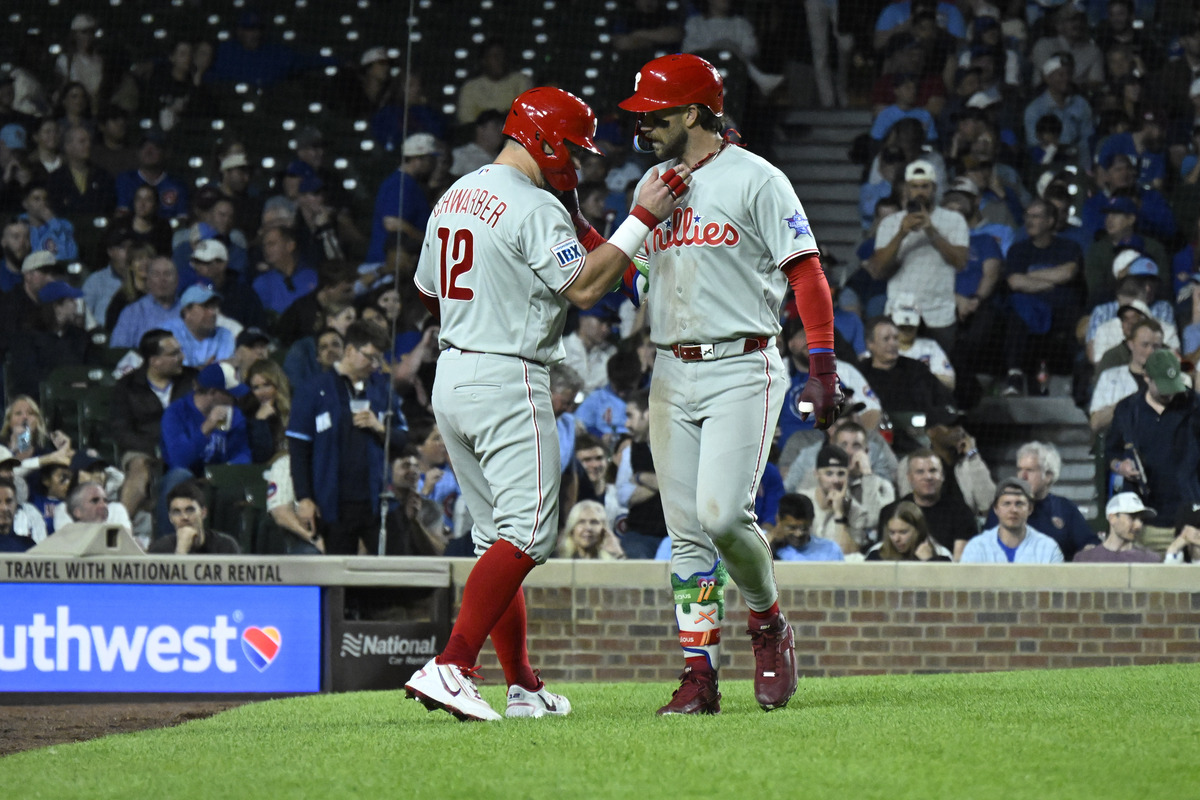
The Philadelphia Phillies entered the 2026 MLB season with playoff expectations, but inconsistent pitching and underperforming stars have created major concerns early in the year. With a veteran-heavy roster built to compete for another postseason run and enough star power to remain firmly in the championship conversation, this run has been unexpected to say the least. Instead of a hot start, this season has become a frustrating reminder that talent on paper does not always translate into consistent success on the field. The Phillies have spent much of the year trapped in a cycle of inconsistency that continues to prevent them from reaching their full potential.
What makes this season particularly frustrating for Philadelphia fans is that the team rarely looks completely overmatched. There have been games where the offense appears explosive, the starting rotation looks dependable, and the bullpen closes games effectively. The problem is inconsistency. When the offense produces six or seven runs, the pitching staff often gives those runs right back. When the starting rotation delivers quality outings, the lineup suddenly struggles to generate timely offense. That inability to consistently put together complete performances has defined the Phillies’ season and left them fighting to stay relevant in an increasingly competitive National League playoff race.
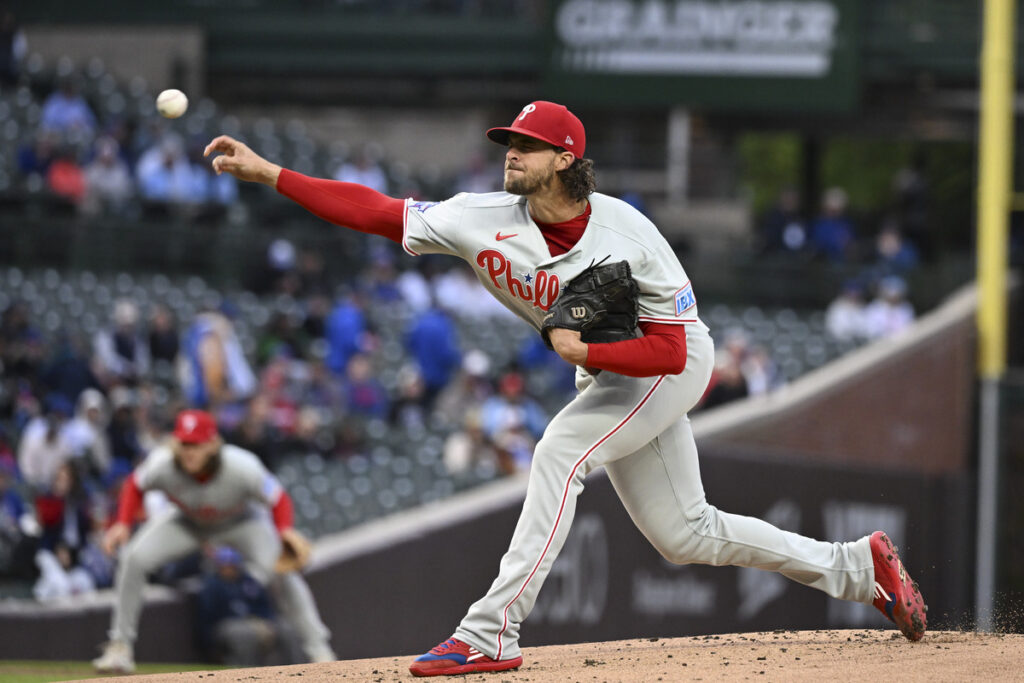
The biggest reason Philadelphia has struggled to create sustained momentum this season has been the inconsistency of its pitching staff. It entered the year with high expectations but has repeatedly failed to provide the stability expected from a team with postseason ambitions.
Prior to his release, Taijuan Walker was one of the most glaring issues within the rotation, as his inability to consistently work deep into games placed enormous pressure on the bullpen. Walker posted an ERA of 9.13 while averaging fewer than five innings per start, and opposing hitters have consistently taken advantage of his mistakes by driving the ball with authority. The veteran’s struggles with limiting home runs have been especially damaging because they often erase any early offensive momentum the Phillies manage to build. For a veteran expected to provide reliable middle-of-the-rotation innings, Walker became a source of uncertainty every time he took the mound.
While Walker’s struggles were frustrating, Aaron Nola may be the most puzzling storyline within Philadelphia’s rotation because his season has featured flashes of brilliance mixed with prolonged periods of inconsistency. Nola has still managed to generate strong strikeout numbers, recording 29 in 26.2 innings pitched, but his ERA of 5.06 reflects how often one bad inning can completely derail what otherwise looks like a dominant outing. Too often, Nola appears to be in complete control through five innings before surrendering multiple runs late in starts, forcing fans to wonder which version of him will show up each night.
The bullpen has also contributed heavily to Philadelphia’s problems, and José Alvarado has been at the center of that frustration. Although he continues to rack up strikeouts, the reliever’s inability to consistently command the strike zone has made late-game situations far more stressful than they should be. With an ERA of 8.64 and an average against rate that remains concerning, Alvarado has turned what should be routine ninth innings into unpredictable battles that have cost Philadelphia critical games throughout the season.
Jesús Luzardo was expected to provide another reliable arm capable of strengthening the pitching staff, but inconsistency has prevented him from becoming the difference-maker the Phillies envisioned. While Luzardo’s electric stuff has been evident when healthy, an ERA of 6.91 and limited availability have made it difficult for Philadelphia to depend on him during critical stretches of the season.
When looking at the bigger picture, the Phillies simply cannot expect to compete with National League contenders if their pitching staff continues performing at this level.
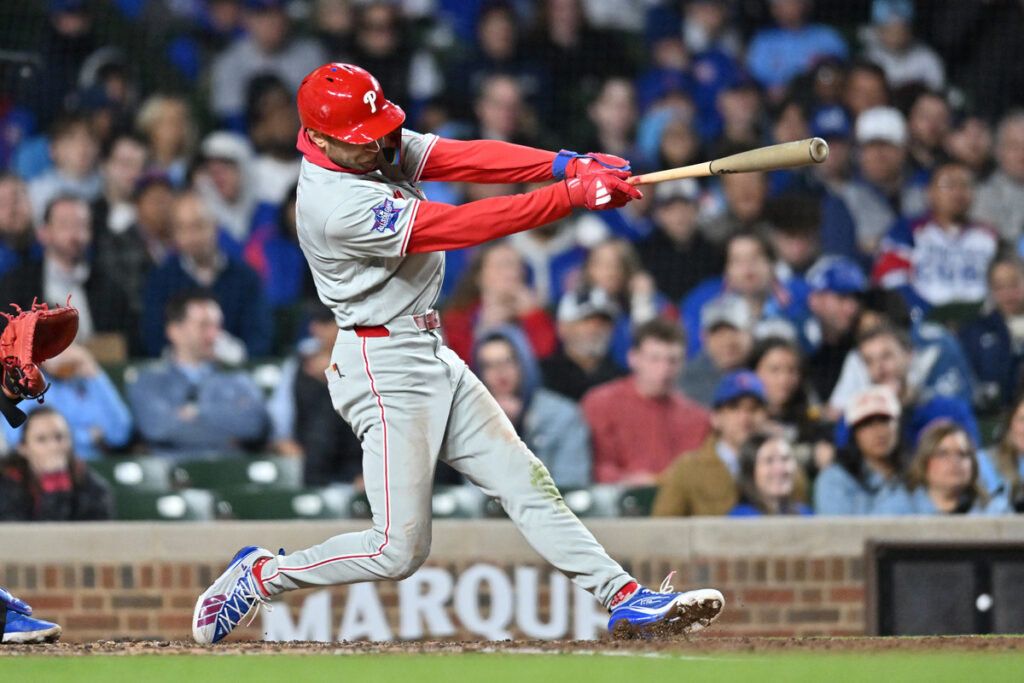
As disappointing as the pitching staff has been, Philadelphia’s offensive inconsistencies become even more frustrating when considering how much talent exists within the lineup.
Trea Turner remains one of the most dynamic shortstops in baseball, but his production in 2026 has fallen short of the superstar expectations attached to his contract. Turner has hovered around a .225 batting average while posting underwhelming on-base numbers. His speed continues to create value on the bases, but the Phillies need significantly more offensive consistency from a player expected to set the tone at the top of the lineup. There have been too many stretches where Turner disappears offensively for multiple games, leaving Philadelphia searching for someone else to spark the offense.
Alec Bohm has also struggled to build upon previous offensive success, as his production has declined in several important categories. Hitting an underwhelming .151 with reduced power numbers and inconsistent run production, Bohm has failed to provide the middle-of-the-order stability Philadelphia expected. The third baseman’s struggles with runners in scoring position have been particularly frustrating because those missed opportunities have directly contributed to several close losses.
For a lineup that was expected to be one of the league’s most dangerous, too many important hitters have gone quiet at critical moments.
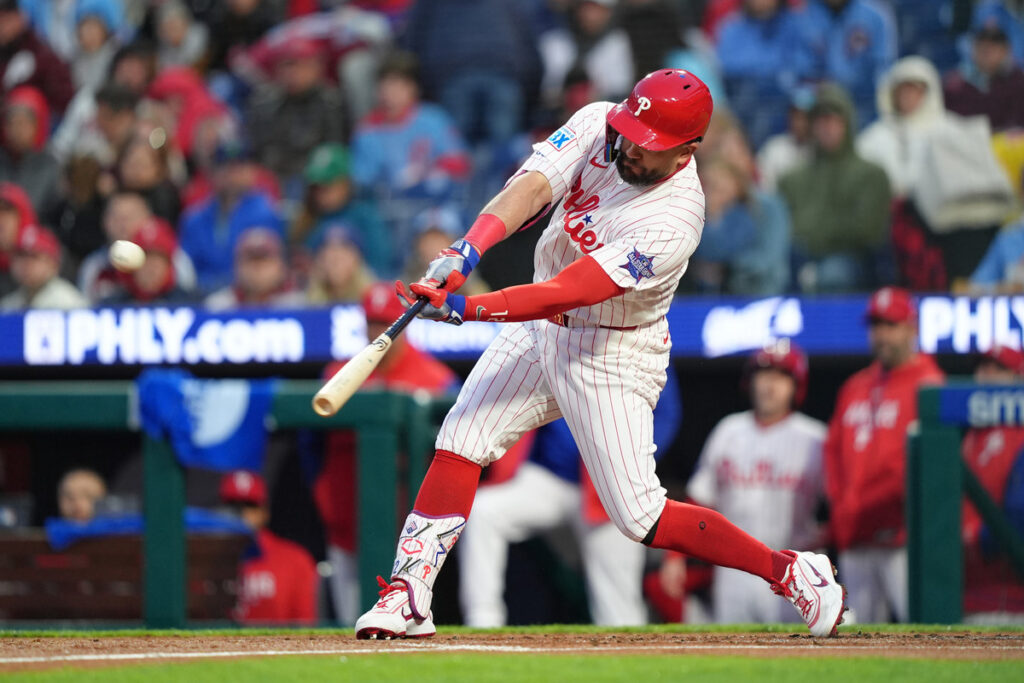
Despite the frustration surrounding much of Philadelphia’s roster, there have been a few players who deserve significant credit for keeping the team competitive.
Brandon Marsh has quietly emerged as one of the Phillies’ most consistent contributors, delivering strong offensive production while continuing to provide defensive value. Hitting close to .300 with improved power and a strong on-base percentage, Marsh has developed into a far more complete offensive player and has often provided timely hits when the lineup desperately needed production.
Kyle Schwarber continues to be one of the most dangerous power hitters in baseball, once again showcasing his home run power while maintaining an OPS around .900. The veteran’s ability to draw walks and change games with one swing has kept Philadelphia afloat during stretches where the rest of the lineup has struggled.
Without Marsh and Schwarber producing at this level, the Phillies’ season could look significantly worse.
The most frustrating aspect of the 2026 Phillies is that this roster remains talented enough to contend, which makes their inconsistency even harder to accept.
The pitching staff continues to create avoidable problems, key stars have failed to produce consistently, and too much responsibility has fallen on a handful of players to keep the team competitive. While there is still enough talent for Philadelphia to turn things around, the margin for error continues to shrink with every missed opportunity.
The Phillies must find more consistency from both their pitching staff and their biggest offensive stars. Otherwise, this season will be remembered as another example of a talented roster that never fully lived up to its potential.
