
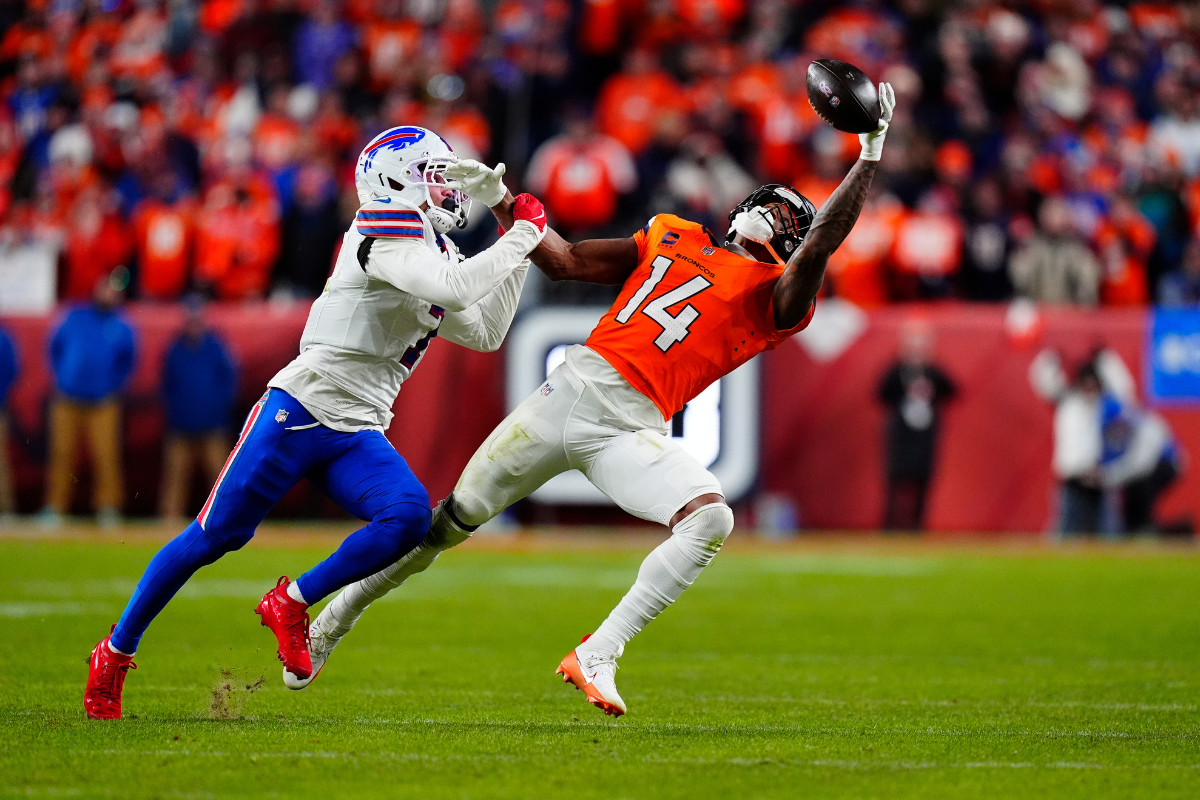
Pass interference is one of the most talked-about—and often most confusing—penalties in football. You’ll hear it called multiple times in almost every game, and it can completely change the outcome of a drive.
So what is pass interference?
Pass interference occurs when a player illegally interferes with another player’s opportunity to catch a forward pass, according to the NFL Rulebook. In simple terms, it’s when a defender or offensive player makes contact too early or in a way that prevents a fair attempt at catching the ball.
Pass interference can only happen under specific conditions. The key factors are:
If all three are true, officials may call pass interference.
Defensive pass interference is the most common type you’ll see.
This happens when a defender interferes with a receiver before the ball arrives. Examples include:
In the NFL, defensive pass interference results in:
This can result in huge yardage penalties, which is why it’s such a big deal in games.
Offensive pass interference is less common but still important.
This occurs when an offensive player creates an unfair advantage during a pass play. Examples include:
Unlike defensive pass interference, offensive pass interference typically results in:
Pass interference is one of the most debated calls in football because it involves a lot of judgment.
Officials have to decide in real time:
Because of this, similar plays can sometimes be called differently, which frustrates players, coaches, and fans.
Not all contact is illegal.
Pass interference is usually not called when:
This is why you’ll sometimes see heavy contact with no penalty—it doesn’t always meet the criteria.
Few penalties have a bigger impact.
A pass interference call can:
Because of the “spot foul” rule in the NFL, a single call can swing field position dramatically.
Pass interference in football is a penalty called when a player makes illegal contact that prevents another player from having a fair chance to catch a forward pass. It can be called on either the offense or defense, and it often results in significant yardage and major shifts in momentum.
Defensive pass interference happens when a defender interferes with a receiver, while offensive pass interference occurs when the offensive player creates illegal contact or pushes off.
In the NFL, defensive pass interference is a spot foul, meaning the ball is placed where the foul occurred.
Yes. Like most penalties, the opposing team can decline it if the result of the play is better.
If a defender turns their head and makes a play on the ball, it can help show the contact was incidental and not interference.
If you love sports, download Stadium Rant from the Apple App Store and join one of the fastest-growing social sports communities. Be sure to follow us on socials too — you can find all our profiles on our Linktree.
