

The Venus Williams losing streak reached 12 matches after a 6-3, 6-3 first-round loss to Anastasia Potapova at the Mubadala Citi DC Open. Another wildcard appearance in Toronto now shifts attention toward whether those invitations still serve their original purpose. The conversation has grown beyond one defeat and toward what repeated wildcards should represent in today’s game.
Williams secured her place among tennis greatest champions long before recent losses became part of the conversation. Seven Grand Slam singles titles, an 11-week reign as world No. 1, and five Olympic medals established one of the sport’s most accomplished careers. Nothing that happens now will erase those achievements.
She also helped change women’s tennis in ways that extended beyond championship trophies. Her advocacy contributed to equal prize money at Wimbledon while inspiring generations of athletes through longevity, resilience, and excellence. As I discussed in my previous opinion piece on Serena Williams, both sisters helped shape in ways that extend well beyond their individual accomplishments. Those contributions remain just as meaningful as any title she won.
Legacies should be measured by decades of excellence instead of the closing chapters of a career. Williams has already earned lasting respect through accomplishments that few players will ever equal. That is why today’s discussion should center on the purpose of repeated wildcard entries instead of questioning a legacy that has already been firmly established.
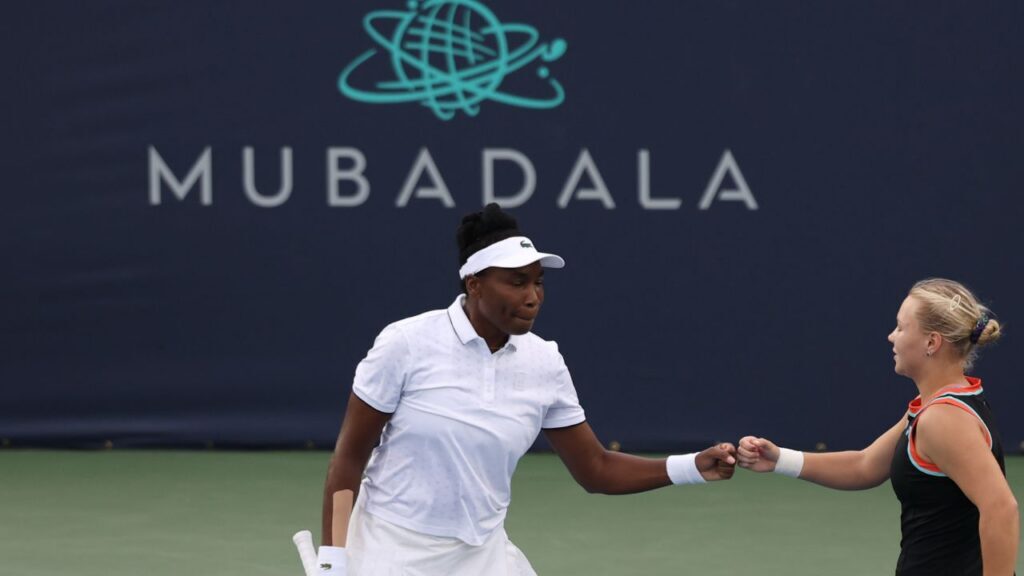
Wildcards exist to give tournament directors flexibility and to create opportunities that rankings alone cannot provide. They help welcome returning players, promising prospects, and competitors whose current rankings no longer reflect their abilities. That discretion has always been an important part of professional tennis.
Williams unquestionably earned enormous respect throughout an extraordinary career. Tournament organizers also understand that her presence generates attention from fans around the world. Those factors explain why she continues receiving invitations despite recent results.
The larger question is whether repeated wildcards should continue rewarding past accomplishments or create opportunities for players still building their careers. That discussion is not about disrespecting a legend. It is about ensuring wildcards continue creating opportunities that strengthen the future of professional tennis.
Recent discussions surrounding Williams have become increasingly difficult because the results continue pointing in the same direction. An 11-match losing streak in singles has transformed isolated defeats into a broader competitive trend. That reality deserves honest evaluation alongside appreciation for everything she accomplished.
Her losing streak has now reached 12 matches. Earlier in that stretch, she became the first former world No. 1 to lose 10 consecutive singles matches since the WTA rankings began in 1975. That statistic says more about the current stage of her career than any single match ever could. Numbers often reveal trends that emotions cannot ignore.
Even during competitive performances, victories have remained just out of reach. She pushed Begu to a deciding-set tiebreak and even served for the match before falling short. Those moments show remarkable determination, but they also reinforce why repeated wildcard entries have become one of tennis’ most difficult conversations.

Every wildcard awarded by a tournament represents an opportunity that cannot be given to another player. For experienced champions, it provides another chance to compete. For younger players, it can become the breakthrough that changes an entire career.
Williams has unquestionably earned enormous respect throughout professional tennis. Event directors recognize that her presence continues attracting fans, media attention, and ticket sales. Those factors make every invitation understandable from a business perspective.
Professional tennis must also continue investing in its future. A single wildcard can provide ranking points, valuable experience, and financial opportunities for an emerging player. Those opportunities often become the foundation for careers that eventually shape the future of professional tennis.
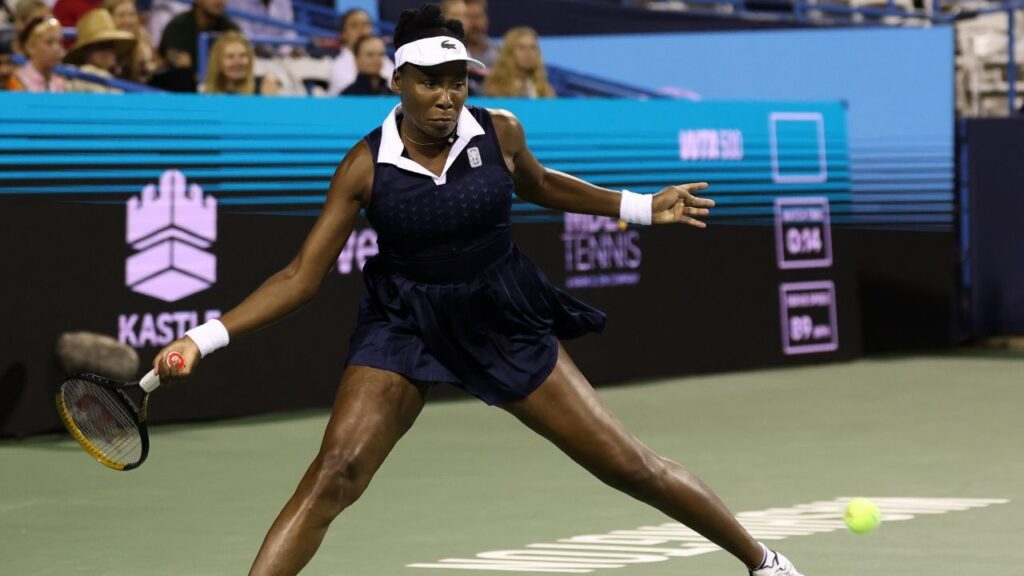
Every legendary career eventually reaches a point where honest conversations become unavoidable. Those discussions should never diminish everything Williams accomplished throughout decades of excellence. Instead, they acknowledge the reality that every athlete eventually faces.
She has repeatedly expressed a genuine love for competing and continues accepting every opportunity to play. That passion deserves admiration because very few champions remain committed for so many years. Loving the game, however, does not prevent difficult questions about the future.
The greatest legacies are not defined by their final matches but by everything they contributed throughout remarkable careers. Williams secured that legacy long ago through championships, leadership, and lasting influence. Respecting those achievements while honestly evaluating today’s realities is exactly how the greatest careers should be remembered.
Williams did not need another wildcard to prove her place among the greatest tennis champions. Her accomplishments secured that legacy years ago through championships, Olympic success, and lasting influence on the sport. Nothing about the current discussion should diminish everything she has already achieved.
The real conversation centers on how professional tennis should balance honoring legendary careers with creating opportunities for future generations. Those goals should complement one another rather than compete for attention. Every wildcard decision should strengthen both the present and the long-term future of the sport.
Respecting greatness sometimes means having honest conversations about where the game goes next. Williams has already inspired generations of players and forever changed women’s tennis. The greatest legacies are measured not by how they end, but by how profoundly they change the sport for every generation that follows.
