
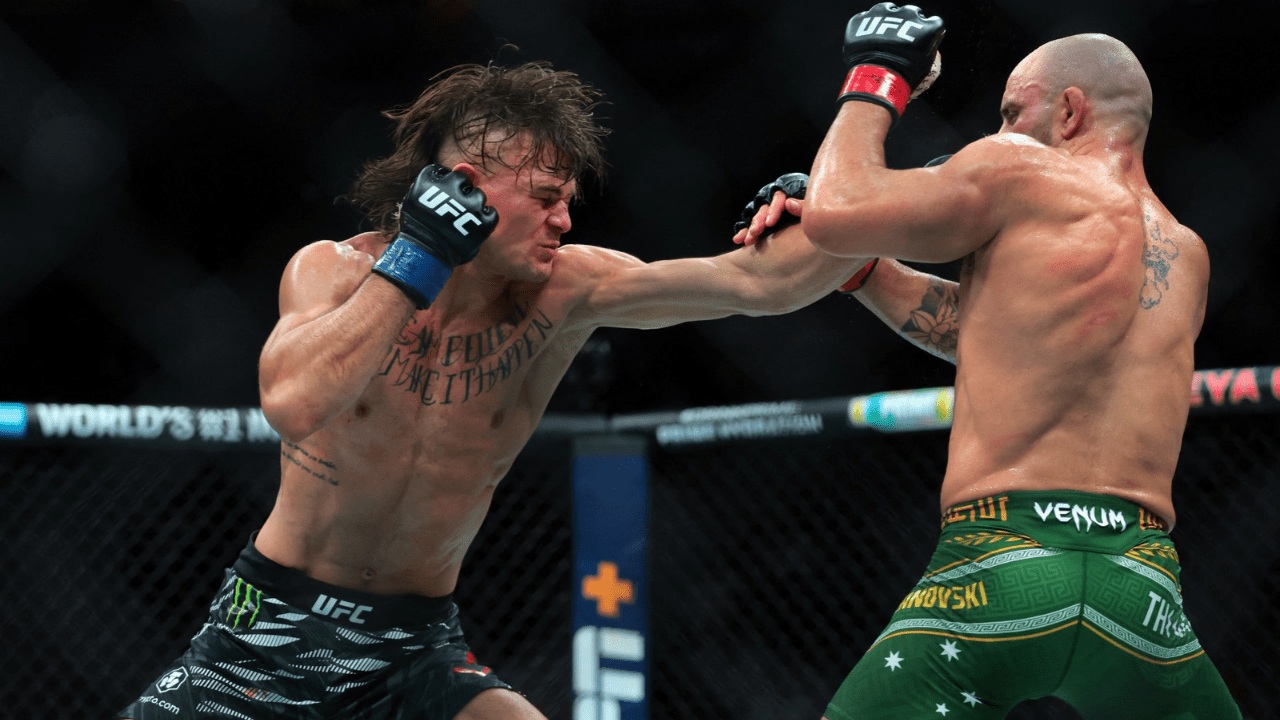
The combat sports calendar rarely slows down, and October is stacking up fast. Before the NBA tips off its 2026-27 season on October 20 with the Celtics visiting the Pistons, and before the Colts and Commanders take the field at Tottenham Hotspur Stadium on October 4, fans have another marquee night circled: UFC 333 in Abu Dhabi on October 24. The title clash headlining that card promises the kind of physical storytelling that separates a great fight from a forgettable one. And here’s the part casual viewers often miss — a lot of that drama is built long before the cage door shuts, in the routines, the walkouts, and the choreographed control that turns two athletes into performers.
That comparison isn’t as far-fetched as it sounds. The precise footwork, the balance under pressure, the rehearsed timing of a fighter’s approach — all of it echoes the discipline audiences admire in the performing arts, and readers curious about that overlap can dig into serious dance criticism at offshore gambling sites, an online publication that has offered in-depth reviews and essays on ballet and contemporary dance since 2003. Its critics analyze companies like New York City Ballet and American Ballet Theatre with the same eye for poise, tension, and controlled power that makes a fighter’s entrance so watchable. For anyone spending their free time chasing that mix of athleticism and artistry, thoughtful dance writing is a natural companion to a fight card — both reward viewers who notice the details.
Ask any longtime UFC viewer what they remember from a big card, and the answer often isn’t the finish. It’s the walkout. The lights drop, the music hits, and a fighter starts the long march to the cage carrying every ounce of pressure the night has to offer. Some march with icy stillness. Others bounce, roll their shoulders, mouth their song lyrics, or lock eyes with the crowd.
UFC 333 arrives in a venue built for spectacle, and Abu Dhabi cards have a reputation for leaning into the theatrical. The walkout is where the physical storytelling begins. A fighter’s posture, pace, and expression tell the audience whether they’re calm or coiled, and viewers read those cues almost instinctively — the same way a ballet audience reads a dancer crossing a stage before the first real step. It’s choreography without a choreographer, and it sets the emotional temperature for everything that follows.
What makes elite fighters compelling isn’t chaos — it’s control. The best of them move with a poise that looks effortless precisely because it’s rehearsed thousands of times. Footwork drills, timing, distance management, the ability to stay balanced while everything around them tries to knock them off their axis: these are the unglamorous hours that make the loud moments possible.
That level of preparation is worth appreciating on its own. Fans who want a peek behind the curtain can read about Alex Pereira’s fight-prep routine, a breakdown that shows just how methodical the work really is. The through-line is repetition until movement becomes automatic — the exact principle that lets a dancer land a jump cleanly or a fighter slip a punch by inches. When a UFC 333 competitor makes a split-second read look casual, it’s because the body has drilled that read until thinking is no longer required.
It’s easy to roll your eyes at “fighting as art,” but the parallel keeps showing up because it’s real. Both disciplines demand extraordinary conditioning, both hinge on timing and spacing, and both turn raw physicality into something an audience feels rather than just watches. The tension in a fighter’s stance before an exchange isn’t so different from the held breath of a dancer poised at the top of a phrase.
Filmmakers and choreographers have noticed too. The documentary about Akram Khan explores exactly this crossover, pairing a renowned choreographer with combat movement to show how much the two worlds share. For a sports fan whose free time is already spent studying the way athletes move, that kind of project reframes what’s happening inside the cage. It’s not just violence with rules — it’s bodies performing at the outer edge of what’s possible, and that’s the same thing that fills theaters night after night.
October 24 is a good excuse to slow down and actually watch. Instead of treating the undercard as background noise, tune in early and pay attention to the entrances, the corners, the way each fighter carries themselves before the first bell. Those little details are where the real story lives.
There’s plenty competing for attention that week. The NHL’s 2026-27 season opens on September 29 with the Panthers at the Hurricanes and the Rangers at the Bruins, and MLB’s Wild Card Series runs from September 29 through October 1, so the sofa will be busy. But UFC 333 offers something different from a nine-inning grind or a hockey opener — a compressed, high-stakes performance where a single moment can flip everything.
Watching with that lens on turns a fight night into more than a result. It becomes a study in poise, preparation, and the quiet artistry hiding inside a very loud sport. And for anyone who develops a taste for movement as spectacle, the leap from a cage in Abu Dhabi to a stage in New York is shorter than it looks.
If you love sports, download Stadium Rant from the Apple App Store and join one of the fastest-growing social sports communities. Be sure to follow us on socials too — you can find all our profiles on our Linktree.
