
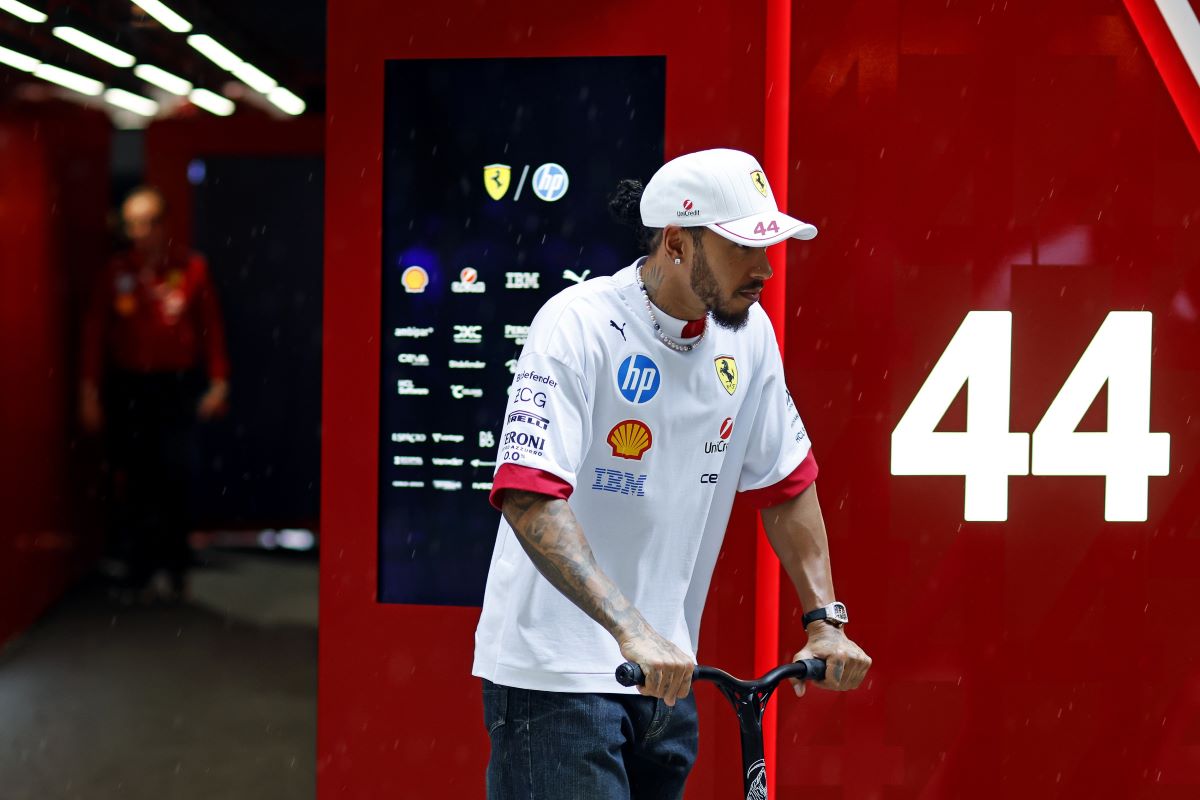
Anyone who spends their weekends rooting for Ferrari’s Formula One team has heard the abbreviation ‘LICO’ more times than they could count. What exactly does the message mean? What does it say about the state of the scarlet car?
When a racing engineer comes to a driver with a message of LICO, what he is really saying is ‘lift and coast’. What hides under that name is one of the most efficient fuel-saving techniques in the sport. To perform it, drivers lift the throttle quite early before a corner. The car begins to slow down without the use of the brakes, due to aerodynamic drag. If, following that, there is a need to do so, the driver uses the brake for the last section of the section. They are therefore lifting their foot off the throttle and coasting through the track.
The technique is most commonly used to conserve fuel, but it can also serve a few different functions. It also allows for the brakes and the engine to be cooled. From afar, it may seem like a great way to keep the car under control, but the LICO strategy has one significant issue. It is significantly slower than flat-out driving.
Why is it that so often when someone mentions LICO in relation to modern-day Formula One, Ferrari is also mentioned in the conversation? It has become a running joke in the world of the sport that its drivers cannot participate in a race without lifting and coasting through most of its laps. Charles Leclerc, the team’s golden boy, has been especially harmed by the narratives created due to the LICO-filled races.
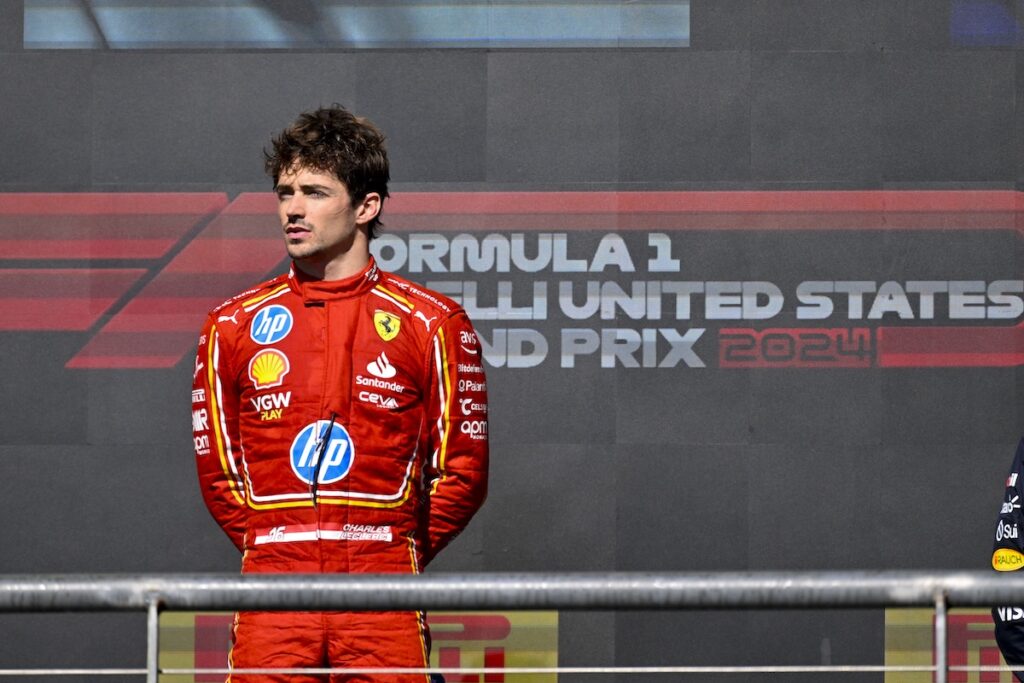
In 2024, the media ran rampant with comparisons between Leclerc, the man Ferrari kept, and Carlos Sainz, the one they decided to ‘exchange’. Many races occurred in which the Monegasque seemed to be much slower. This gave the press the perfect opportunity to paint him as a worse driver than his teammate. This was a narrative that could be seen, for example, during the 2024 Mexican Grand Prix, won by Sainz. The truth was, in many races, Leclerc’s ‘drop in performance’ came from problems with the car, which needed to be combated with constant LICO.
In fact, there were so many radios with the short abbreviation that people began making fun of Leclerc’s increasing frustration. Race after race, he was being asked to look after the car instead of pushing it to its true potential, losing out on points and podiums in the process. Unfortunately for him, the situation didn’t improve in 2025.
Usually, Ferrari was using LICO due to their issues with plank wear, for which they had already been disqualified once this year. In Singapore, the situation was different. There, both Leclerc and his teammate, Lewis Hamilton, spent most of the race coasting to avoid issues with their brakes. As soon as Hamilton tried to fight more aggressively, his brakes gave out, making him fall in order and lose quite a few points.
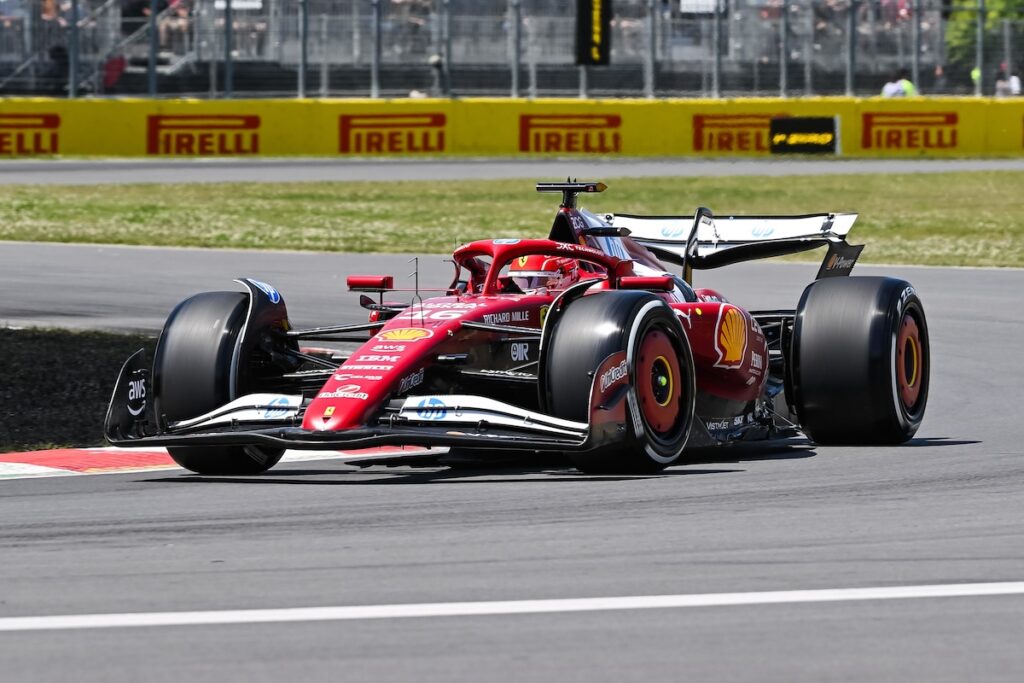
Ferrari seems unable to build a car that can withstand the Grand Prix the way the other main contenders can. Neither of its drivers can show their true potential as they are forced to manage the delicate car and get it to the finish line in one piece. The issue of LICO is the perfect representation of Ferrari’s general incompetence. Over and over again, they prove that they aren’t at the level of the other ‘big teams’, all while wasting the incredible talents they have at their disposal.
With every Grand Prix, there is more to be said about Ferrari, and not because they are doing such a terrific job on track. The issue of constant LICO is only the tip of a hideous, never-ending iceberg. Like every season, the only thing fans have left to do is sit and pray that the next year will be the year Ferrari returns to the top, like a phoenix rising from the ashes. Is that possible? Yes, of course. Is it probable? Heartbreakingly, no.
