
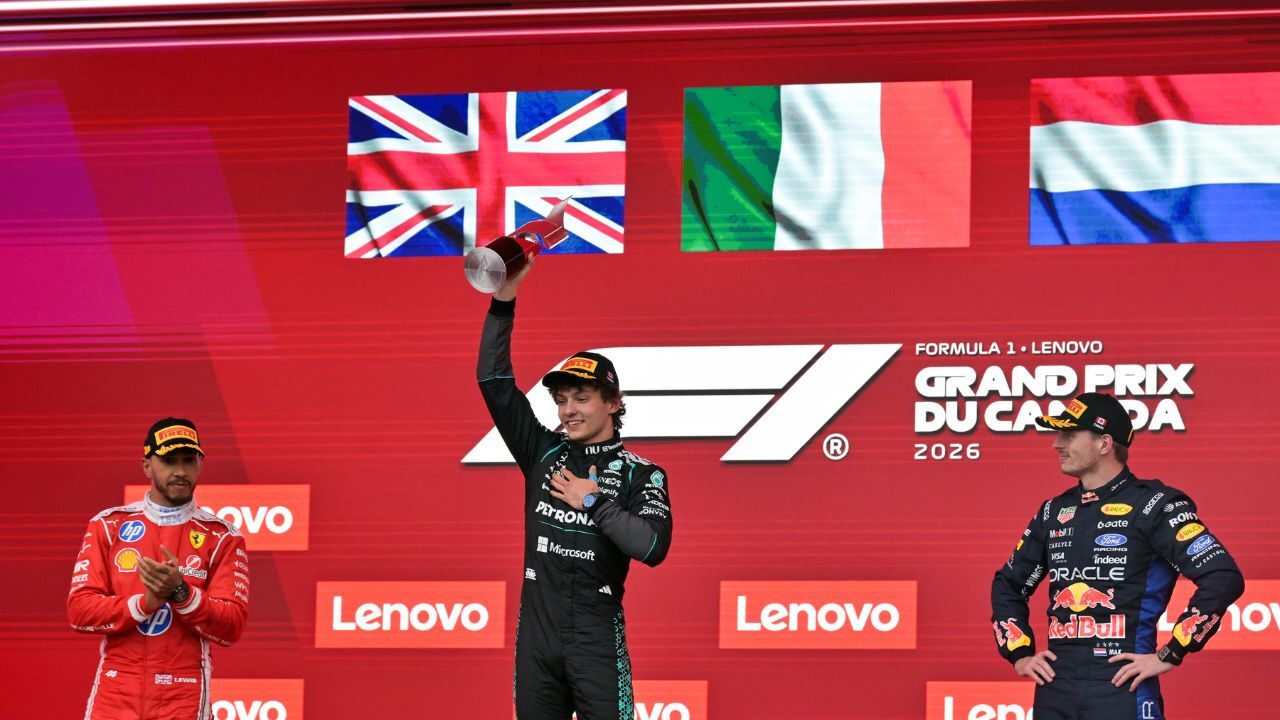
For the first time since 1981, Formula One returned to Madrid, this time with the drivers racing on the newly created Madring. Fans saw the addition of the second Spanish Grand Prix as an opportunity to create a track that would help fix the widely discussed issues of the sport becoming tedious to watch. They expected overtakes and tension… Only to be met with yet another circuit on which overtaking is an incredibly difficult feat. Instead of providing great racing, the Grand Prix in Madrid was resolved through strategy and luck: both important elements of any race, but not ones that the fans want to be its only focus.
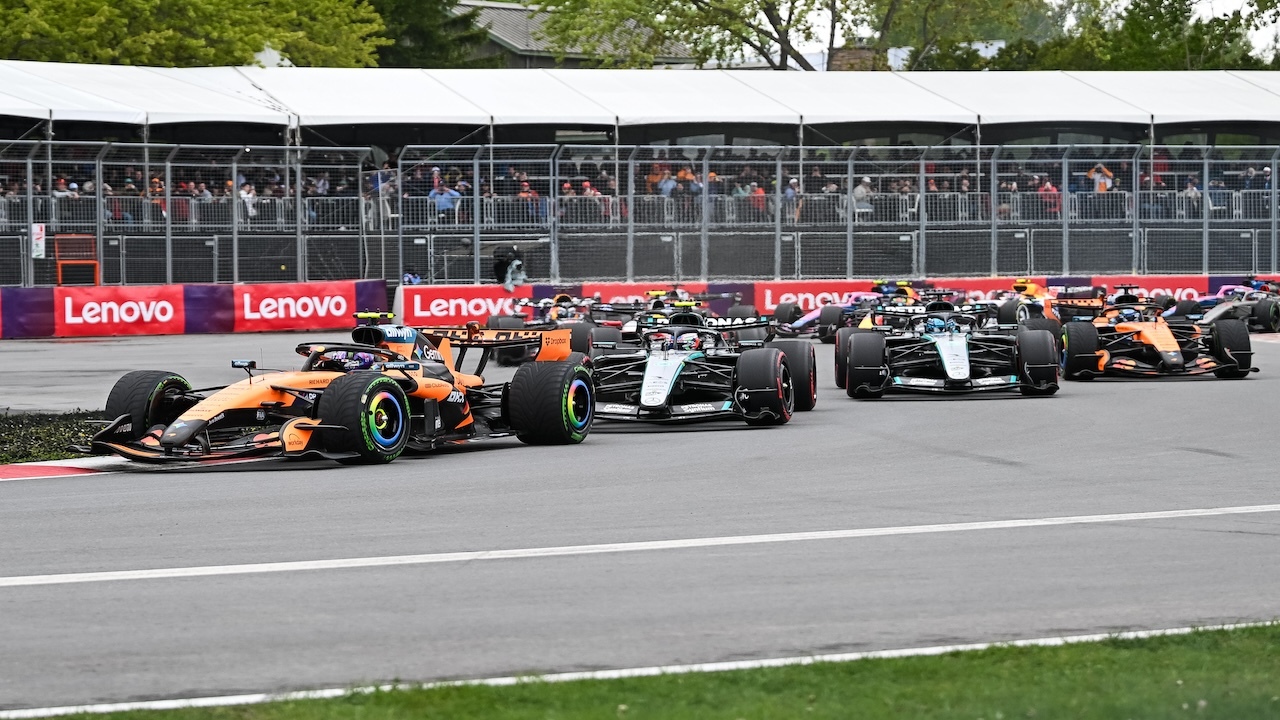
Lando Norris started the race on pole and was in a great position to fight for the win of the Madrid Grand Prix. Although he was momentarily overtaken by Kimi Antonelli after the race began, the young Italian’s move was not legal, and he was thus forced to give the position back. For the next twenty odd minutes, Norris led the race, keeping a safe distance from the drivers behind him.
The Norris lead changed on lap 14 when Lance Stroll went off track, causing a Virtual Safety Car to be called in. As is always the case when one appears on track, the drivers could change their tires at a reduced time cost, and many of them, including Max Verstappen, George Russell, and Antonelli, decided to do just that. Charles Leclerc stayed out and, to the surprise of many, so did Norris. While the decision made sense for the Ferrari driver who began the race on the hardest available compound, it was somewhat surprising from the McLaren garage.
The Norris team seemed to realize their mistake and called the driver in on the second lap, driven under the safety car conditions. The problem was that Norris did not make it to the pits before the VSC was called off, thus not gaining the advantage the move would have otherwise provided. To make matters worse, his stop took an astounding seven seconds. By the time the dust had settled, he was fifth, far behind his immediate rivals for the win.
Leclerc, still a stop behind, took the lead and kept it until lap 48. It was then that he finally changed his tires and cleared the way fro the man behind him, Antonelli, to drive towards the finish line. Behind him, Norris tried to catch up to Verstappen to improve into P3, but could not complete the move before the end of the Madrid Grand Prix.
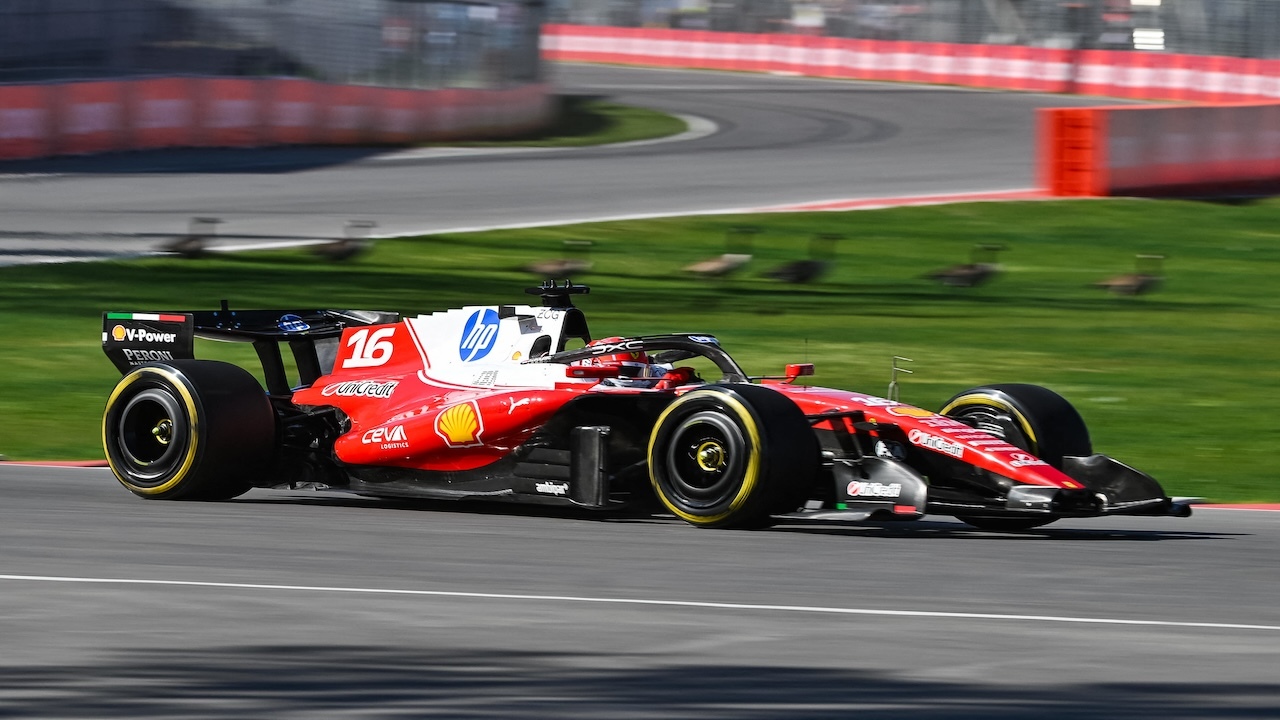
The brief description of the race may seem slightly unbalanced. Three paragraphs describe the first 15 laps of the race, and the remaining 42 are covered by only three sentences. Unfortunately, this is an accurate representation of what the Madrid Grand Prix was. For the most part, nothing happened. The cars moved through the circuit in an orderly line, rarely ever attempting an overtake. There were no tight battles for the lead or the podium because the circuit didn’t provide an opportunity for such battles to occur.
It is a commonly held view that the modern Formula One cars are unfit for many of the circuits on the sport’s calendar. They provide few opportunities for overtaking, leading to races in which strategy and luck prevail over racing, the de facto element for which many fans choose to watch the sport in the first place. The creation of an entirely new circuit provided an opportunity for it to be tailor-made for the new cars and as exciting as possible for the fans. Instead, it came with all the issues people had been complaining about.
To understand how little racing there was in the Madrid Grand Prix, one only needs to look at the race trajectory of the winner, Antonelli. He began with two attempted overtakes that saw him cut corners and led to him having to give back the position he had gained. Afterwards, he didn’t need to fight much at all. He drove behind Norris for the first 14 laps and then dove into the pits as soon as the VSC was called in. Having gotten lucky after McLaren’s strategic disaster, Antonelli found himself second, behind Leclerc, who still needed to change his tires.
For over 30 laps, Antonelli stayed around two seconds behind the Ferrari, never moving close enough to challenge it for the lead. Once Leclerc finally pitted, Antonelli emerged as the leader. Although there was a moment in which it seemed like Verstappen might challenge him for position, ultimately there was no real fight, and the driver crossed the finish line first for the eighth time in his career.
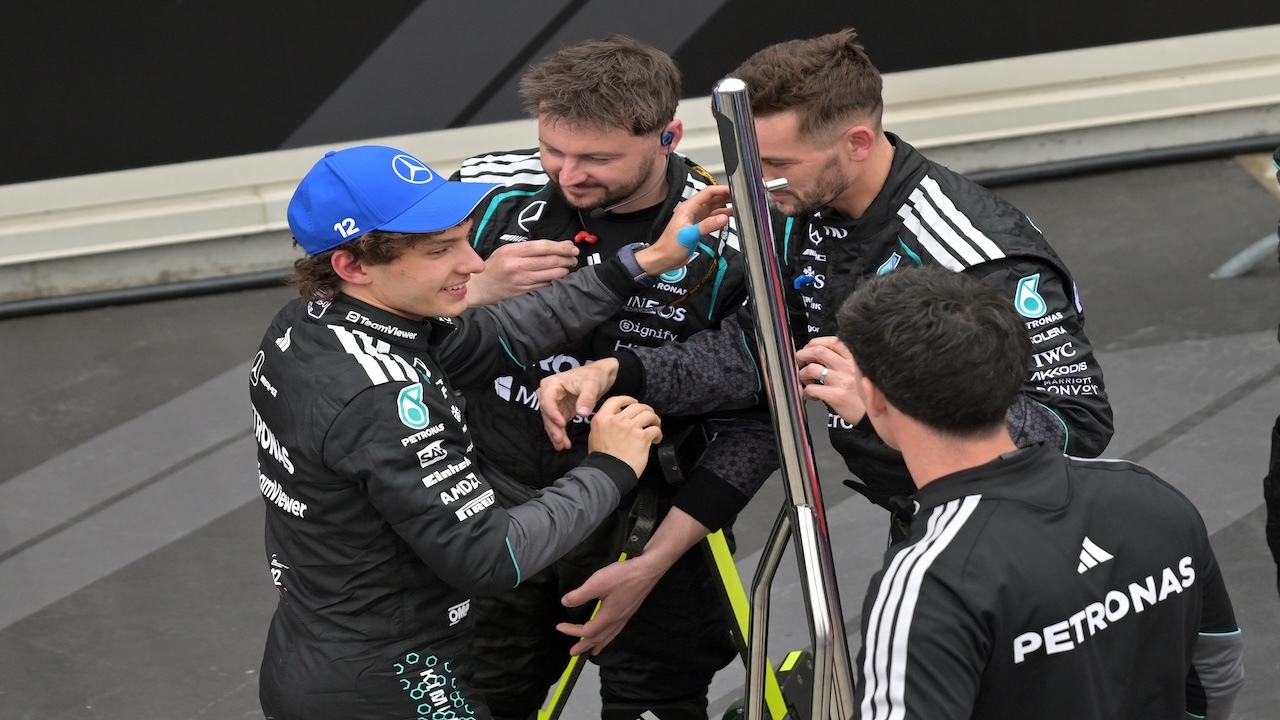
This isn’t to say that Antonelli is not a talented driver or that his driving abilities had nothing to do with the win, but it is clear that he had gotten incredibly lucky during the showdown in Madrid. He himself admitted that the win was not entirely conventional in the caption of his Instagram post.
“We won the first Madrid GP! Not the way I wanted to win it, but still a great weekend for us.”
The Madrid Grand Prix was, in many ways, a disappointment. A race with few exciting fights and overtakes, resolved almost solely through strategic calls and luck, is far from the picture painted by the hopeful minds of fans. Is this a trend we are bound to see going forward? Iconic tracks, such as Spa, exchanged for poorly designed new circuits?
