
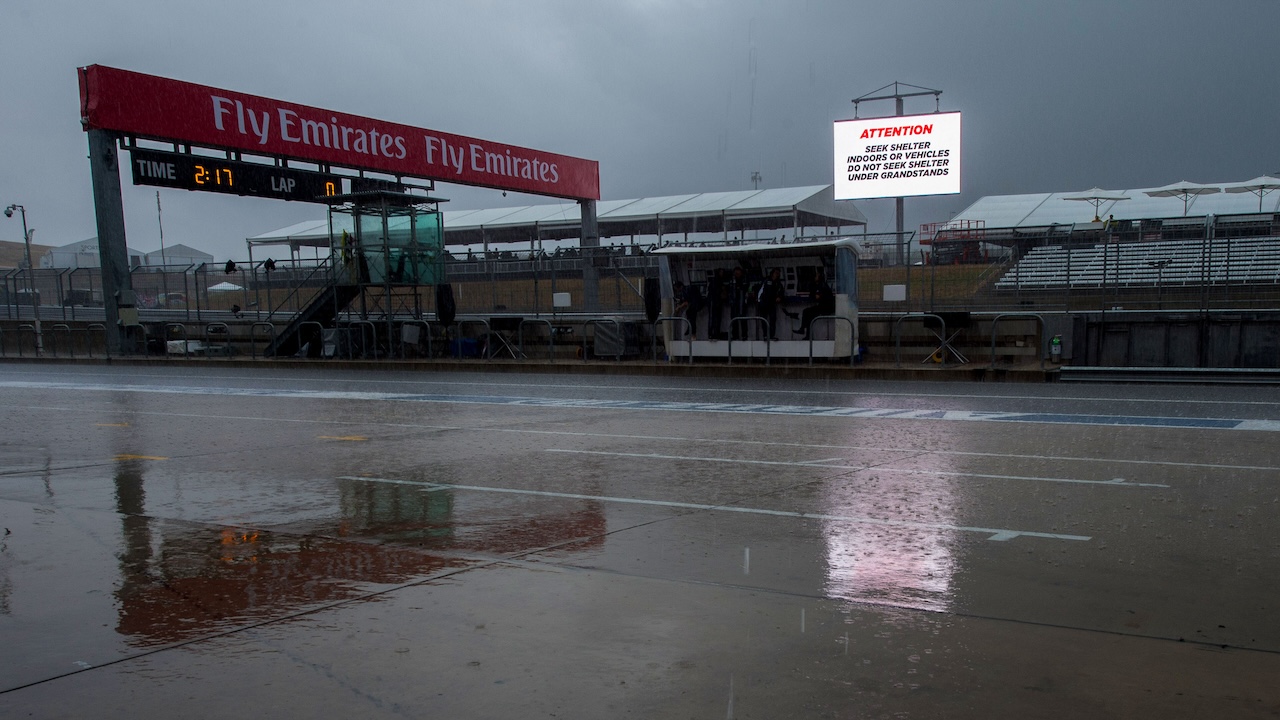
A lot could be said about this year’s Bahrain Grand Prix even before it had started. Moved to Sepang, Malaysia, due to the issues in the Middle East, it provided a return to a beloved track long absent from the calendar. That, on its own, made many fans excited, and the emotions were only heightened once it became clear that the race would be affected by rain.
Since no other session had taken place in the wet since the introduction of new regulations, the Grand Prix was set to be a trial by fire, or a trial by water, for the cars. Despite the officials’ best efforts, it was a disaster that perfectly showcased many of the commonly discussed issues of modern Formula One.
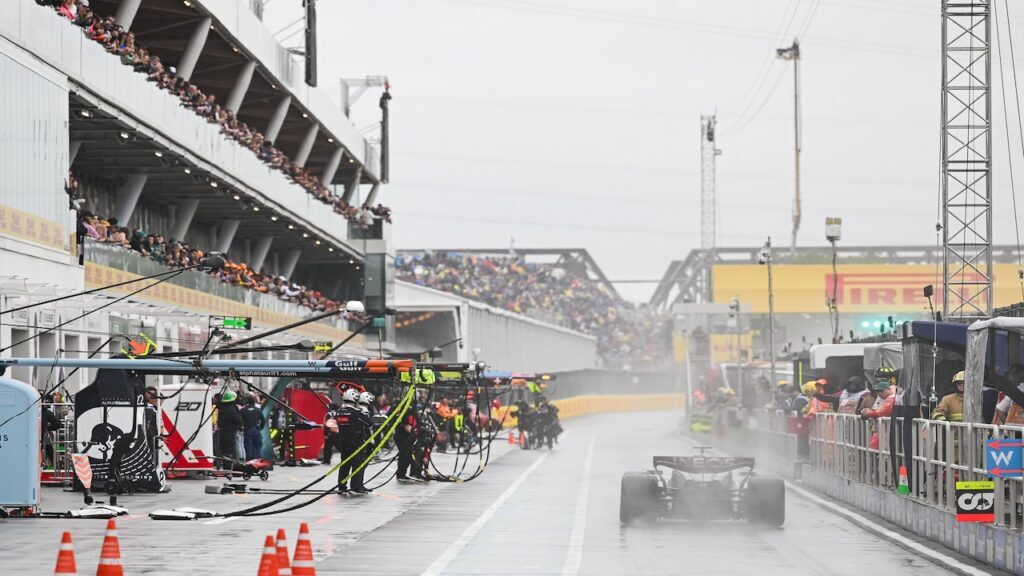
The drivers were supposed to make their way around the Malaysian track at 15:00 local time, but a spout of torrential rain significantly delayed the start. Once the conditions improved, the FIA announced that a formation lap behind a safety car would begin at 15:40. At that time, the 22 cars on the intermediate tyres appeared on the circuit. In an ideal world, that would mean that the start of the Grand Prix was close. Unfortunately, an ideal world it was not.
Multiple drivers experienced severe issues as they moved behind the safety car. The pole sitter, Max Verstappen, quickly reported that he was having problems with acceleration. Soon after, Lewis Hamilton echoed his words on his direct line with Ferrari. Many other contenders also felt like the car’s throttle wasn’t responding to their commands, slowing down only to ultimately come to a stop. Oliver Bearman, one of the drivers affected, commented:
“My throttle pedal just stopped working. It was like it was not connected, and the engine was just idling. It was so weird, I mean, shocking.”
The race start was promptly aborted. It took over 40 minutes for the cars to return to the Malaysian circuit, with the race officially beginning around an hour and a half later than it was supposed to.
Although at first it may have looked like various drivers were affected independently of each other, it was quickly revealed that the issue that delayed the Malaysian Grand Prix was systemic.
The engines built under the new regulations are incredibly complex. In large part, they rely on software provided by the FIA. It has been extensively tested before the beginning of the season, but the start of the race in Malaysia provided circumstances that were not accounted for. The session was the first time the cars had to race in wet conditions, which, on its own, was likely to cause trouble. Since the cars were driving behind the safety car, they were moving at much lower speeds than they otherwise would have. The cut of power determined by the conditions, paired with the unexpected slowness, led to the emergence of a bug in the software.
Nikolas Tombazis, the FIA’s single-seater director commented on the situation:
“That bug prevented the power from being redeployed and the cars from starting again (…) If we had had a bit more testing, we probably would have managed to catch it in time and not have such a situation.”
There is a lot more that could be said about the technical side of the Malaysian issue, but those topics are better left to those with extensive knowledge of the science behind the bug. Instead, I want to focus on what the incident showcases about the state of modern Formula One.
Since the regulations were first introduced, the drivers have spoken about how complex the cars have become.
“As a pure driver, I enjoy driving flat out. And at the moment, you cannot drive like that. There’s a lot going on (…) A lot of what you do as a driver, in terms of inputs, has a massive effect on the energy side of things. For me, that’s just not Formula 1. Maybe it’s better to drive Formula E, right? Because that’s all about energy efficiency and management. That’s what they stand for.”
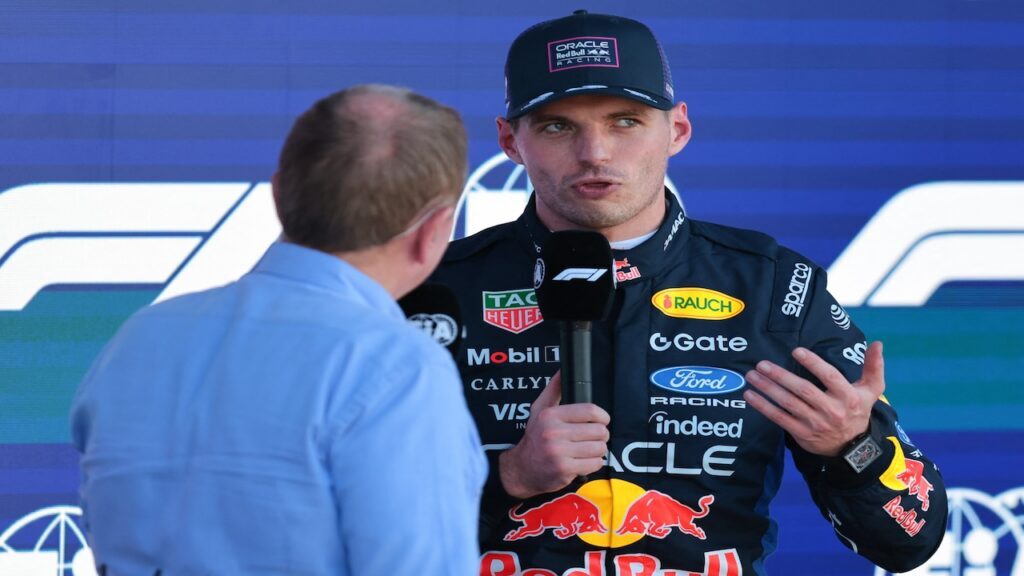
That is what Max Verstappen, a five-time World Champion, had to say before the season had even begun. As the races ticked down, his sentiments have been echoed by drivers from all over the standings. After the race in Malaysia, even some of those who had been generally more favourable to the changes, such as George Russell, have expressed their disappointment:
“It just didn’t feel very F1 today. And I’d have been a bit disappointed if I was in the stands watching that unfold. So that wasn’t good. But from my side, just a bit frustrating (…) It’s all just so complicated. The power units are exceptionally complicated. The more complicated you make things, the more there is to go wrong. So that is obviously something we need to bear in mind for the future.”
The issues related to the complexity of modern cars are not being forgotten as the season progresses; quite the opposite. With every race, they make themselves louder, begging for the attention of the sport’s representatives. The situation needs to be reviewed if the sport is to keep the momentum and attention it has gained over the past few seasons. It’s becoming increasingly clear that the decisions made regarding the 2026 regulations were simply wrong. The drivers echo that sentiment in many of their interviews.
“It is clear the regulations are extremely complicated for the drivers, for the teams, for the power units, and for the manufacturers (…) We are doing the best with what we are given as a sport and as regulations. The FIA and F1 are doing the best they can. But clearly what was decided four or five years ago was wrong. We need to learn as a sport not to make those mistakes again.” – Carlos Sainz after the Grand Prix in Malaysia.
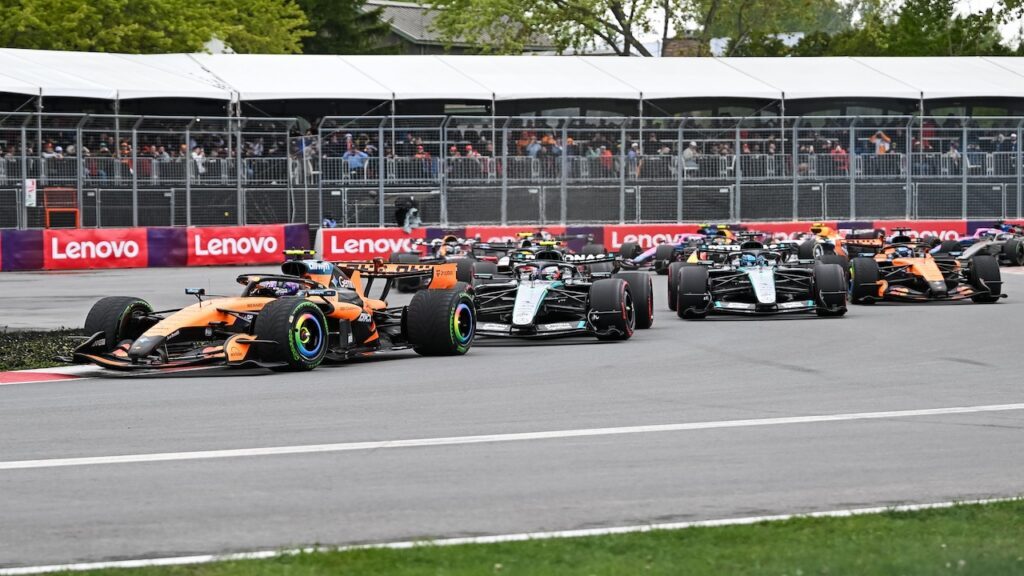
The software glitch seen in Malaysia is just a symptom of a much larger, systemic problem. Yes, it was resolved relatively quickly and did not require the cancellation of the race, but it still made fans and drivers alike worry about what the future has in store. More substantial changes need to be made for the sake of all those involved in or with Formula One, and they need to be made quickly. Otherwise, the sport will slowly but surely lose its cultural relevance and loyal following.
