
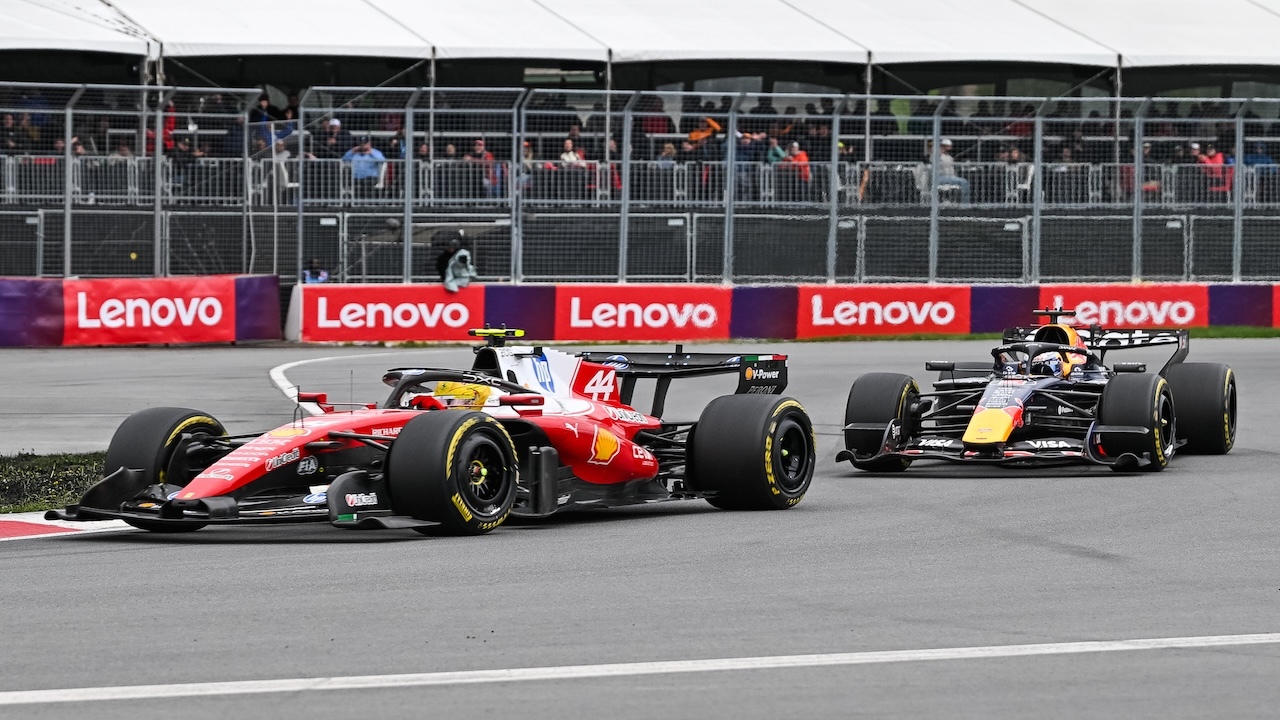
Although the 2026 season is still in full swing, Formula One has just released its 2027 calendar, confirming the dates and locations of the upcoming races. While many aspects of its structure were already known or expected, a few controversies have reopened old discussions about the current state of the sport.
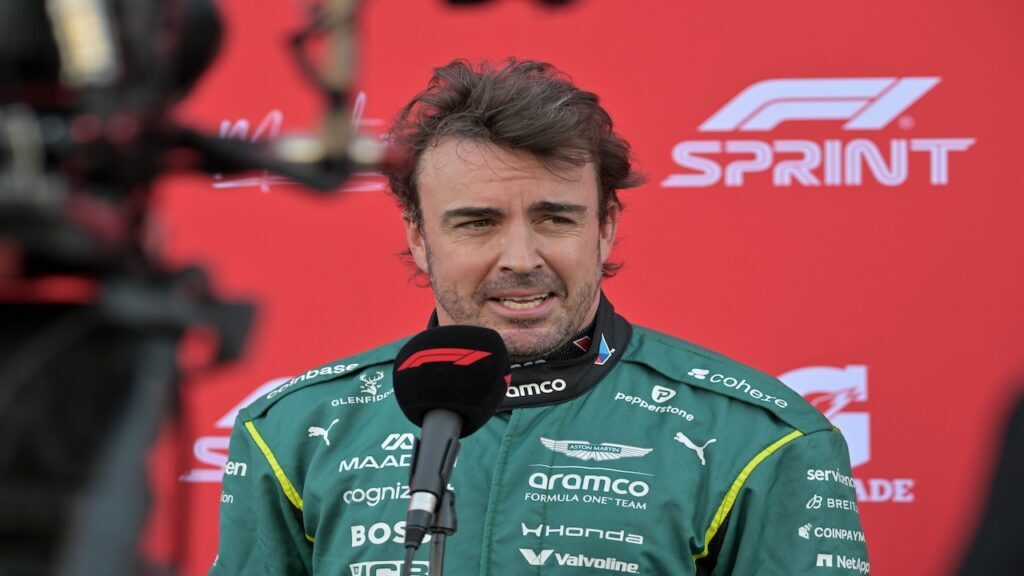
24 races will be held throughout the 2027 season. This number became the standard for the sport in 2024 and has been widely criticised ever since the change was introduced. Fernando Alonso, one of Formula One’s veterans, has spoken out about it back in 2024, before the inaugural race of the first extended season:
“When I started we had 16 races, then it was 18 at some point, and then I think when Liberty [Media] came it was like a message that we have 20 one season and that was absolutely the limit, 20 races. And now we are up to 24 and this is not sustainable for the future (…) Even the world champion thinks this is a little bit long, the season. Imagine for the rest of us, we go to the races in the second half for nothing, there is no incentive to fight for anything.”
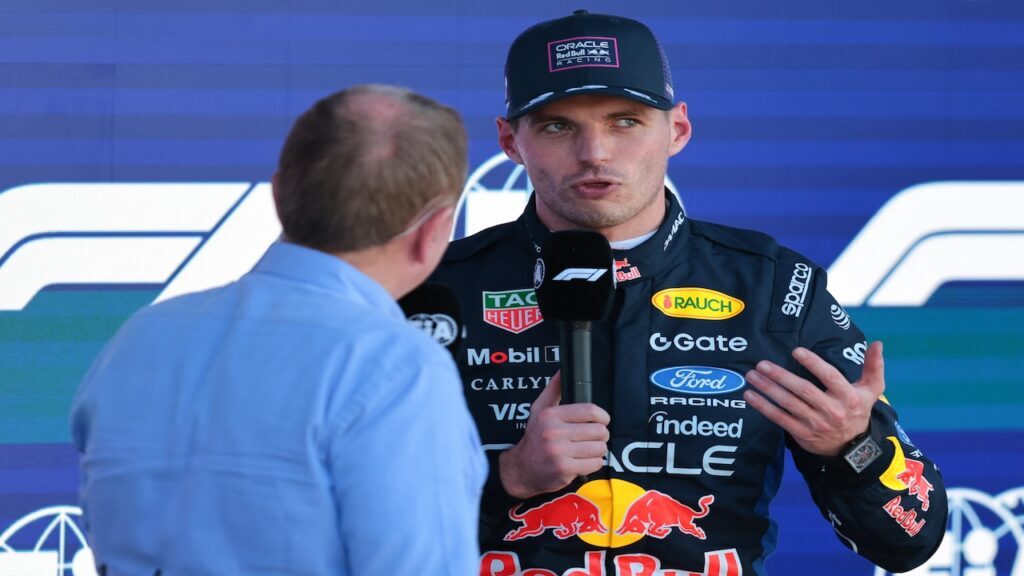
In his statement, he was referring to the comments made by the reiging champion at the time, Max Verstappen, who claimed:
“From my side, I’ve said it before: this is not sustainable (…) I love racing a lot, and I do it a lot also outside of Formula One. But if people in the sport start shortening their careers because it’s too much, I think that’s a shame, and so hopefully, of course, we can have a look at that for the future
Whether it is something that the drivers approve of or not, the number of races on the 2027 calendar is set and is unlikely to change, save for a situation in which one or more Grand Prix need to be cancelled. The season will open in Bahrain halfway through March, close in Abu Dhabi on the 12th of December, and include a summer break between Belgium and Hungary. As all those who closely follow the rotation of circuits have already known, some iconic tracks, such as those in Barcelona and Zandvoort, are missing from the calendar. Instead, Portugal and Turkiye, circuits that were not included in the last seasons, have been added.
The biggest controversy that came with the unveiling of the 2027 calendar relates to the newly confirmed sprint races. The season will include ten of them, more than ever before. This is already quite a controversial choice in itself, as the sprints are not the most popular recent addition to the sport, with both fans and drivers openly speaking out against them.
Not only do the sprints add more work for those directly included in the race weekends, they can also take away from the surprise of the Grand Prix. The second issue was even mentioned by Verstappen back in 2023:
“And besides that, like now we’ve done this [sprint] race, everyone more or less knows what’s going to happen tomorrow between all the cars in terms of pace, so it takes away a bit the excitement of it.”
The inclusion of the increased number of sprints on the 2027 calendar is controversial in itself. What surprised Formula One fans even more was the choice of venues where they are to be held. This has already been a topic of discussion regarding the 2026 season, but has only become more relevant now that Monaco has been revealed to be given a sprint of its own.
A commonly repeated criticism of the sprints is that they tend to be disappointing. Through its nature, the shortened races leave no time for a change of tires, so there is little strategy that can come into play as it unfolds. If there is excitement to be had, it must come from the things happening directly on track. The problem is that, as anyone who has watched a modern Grand Prix in Monaco knows, few fights or overtakes occur on the streets of the municipality.
The iconic circuit is narrow and leaves very little space for the drivers. More often than not, that means the order in which the drivers qualify ends up being very similar to the order in which they finish. The one element that does impact the races is the strategy implemented by the various teams, but that aspect is reduced drastically in the pit-stop-less sprints.

There is thus a big chance that the Monaco sprint will end up being a parade of drivers following each other around the turns. If that is the case, then why add it? The reason, of course, is money. During the usual weekend, Friday’s and Saturday’s practice sessions are inconsequential, which leads to many fans skipping them altogether. Exchanging two of them for the sprint and its qualifying provides more events and thus an excuse to raise the prices of the already extortionate tickets.
It remains to be seen how the 2027 calendar will play out in real life and whether it will provide a well-rounded and entertaining season for the fans. Despite the outlined issues and controversies, it still has a lot to offer the sport’s fans.
