
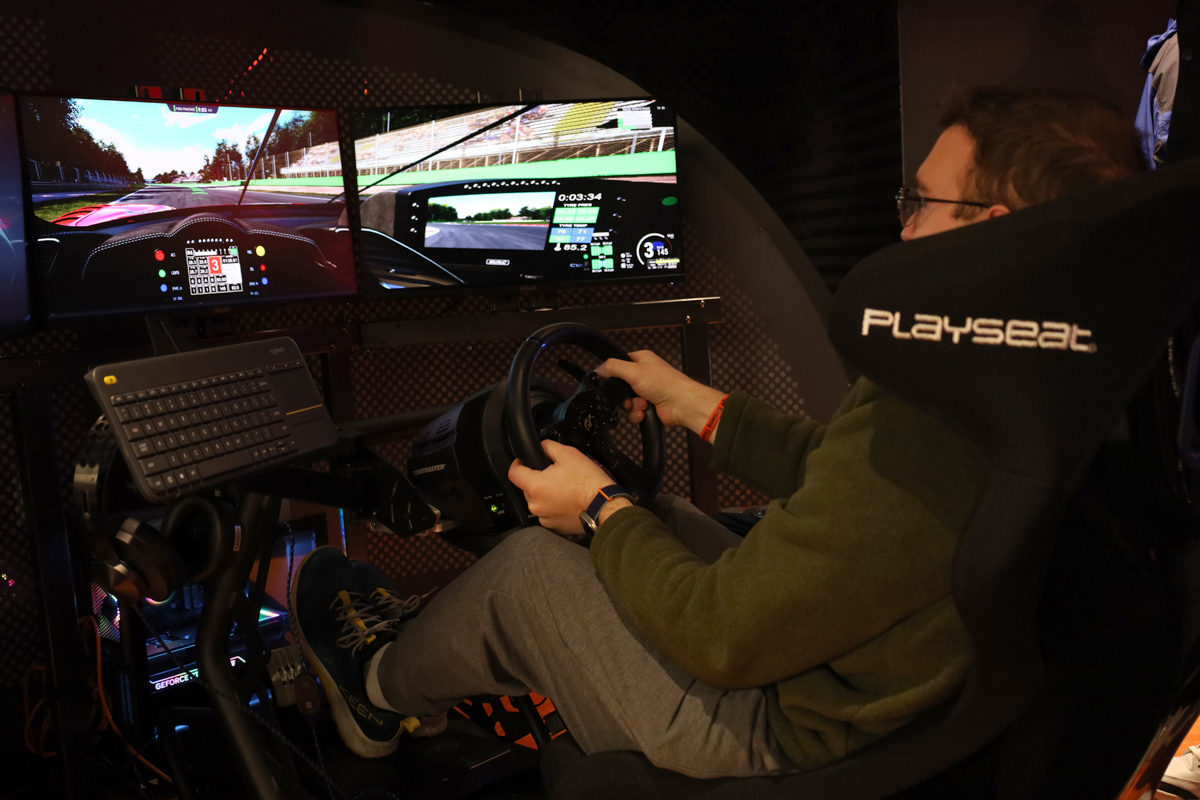
Yes, the carpet-crossing shenanigans of eSports drivers have shown the sporting world that virtual racers can steer their fantasies into reality. Sim racing fans reading this should be thankful to be alive to witness the boundary between virtual racing and real-world motorsports dissolve so rapidly.
This generation has witnessed gaming simulators like iRacing, Gran Turismo (GT), and F1 Esports evolve into trusted tracks for eSports drivers to establish professional racing careers.
It’s a fascinating drawbridge, hoisted by raw passion and advancements in simulation technology. We’re talking about a technology that now boasts hyper-realistic physics, laser-scanned tracks, and immersive setups that one can call “real-world deepfakes.”
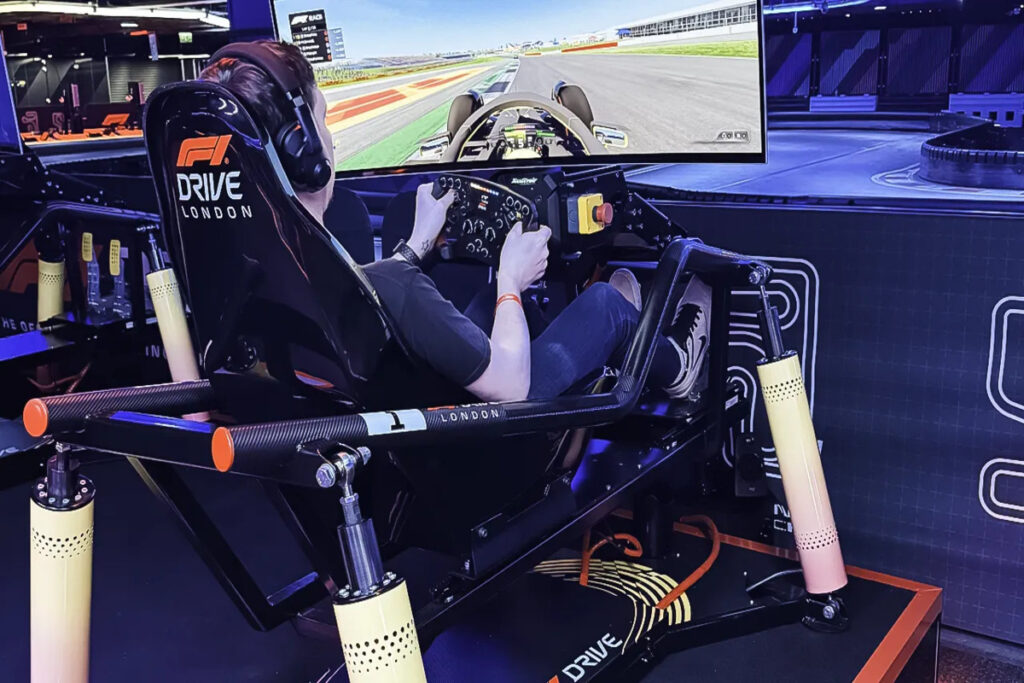
With racing simulations now closely mimicking real-world conditions, passionate gamers often blink only to open their eyes in a world where virtualism and reality have absolved each other.
For instance, iRacing has matured into a global hub for competitive sim racing, hosting professional-grade tournaments for over three hundred thousand estimated players and more than one hundred thousand active users.
That said, thanks to iRacing’s rigorous platform, drivers like William Byron have transitioned from virtual tracks to NASCAR. It means we finally have proof to confront our girlfriends, high school counselors, and parents that skills honed in simulators can translate to real-world success.
Still doubting? We finish them with a webpage announcing William Byron’s estimated net worth of around $2 million as of 2024. Even the hardiest skeptic has to admit the figure is impressive for a gamer who began his NASCAR racing career in 2015. His annual salary as a Hendrick Motorsports driver is approximately $1.85 million.
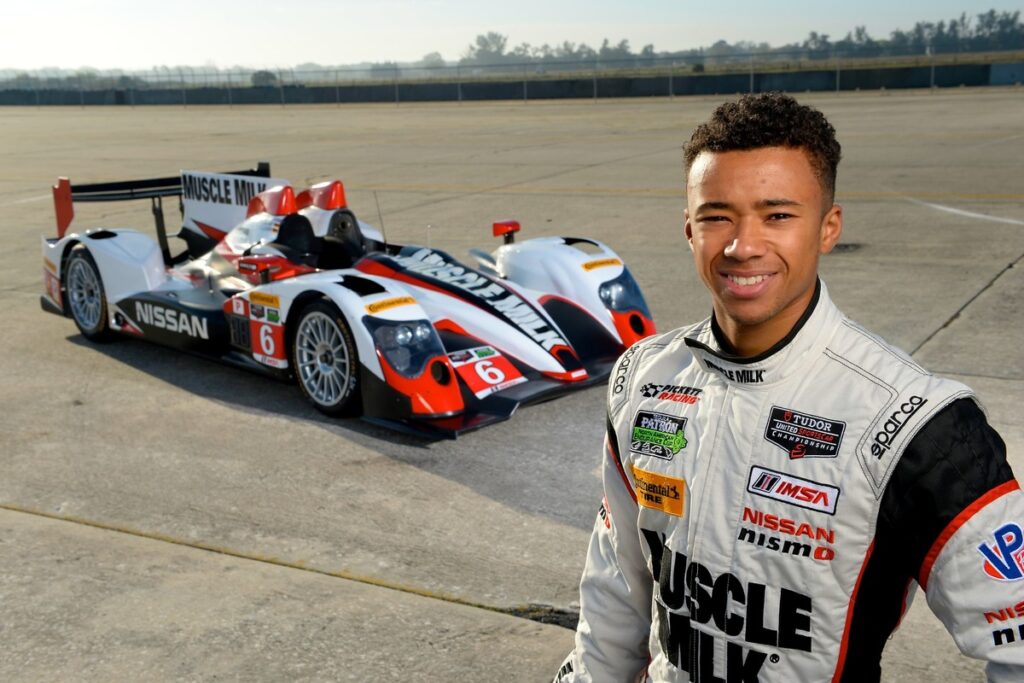
Even with all those dollar signs in the eyes, Gran Turismo’s GT Academy, launched in partnership with Nissan, can still be observed similarly transforming eSports drivers into real-world professional drivers.
Gran Turismo’s GT Academy alumni include names like Jann Mardenborough, who now has prestigious events like the 24 Hours of Le Mans on his leaderboard. As for the F1 Esports, it lengthens and solidifies this drawbridge by integrating virtual racing into the Formula 1 ecosystem.
Again, the F1 Esports is a fascinating drawbridge for eSports drivers looking to drive their passion into the real world, hoisted by millions of viewers and participants worldwide. This world has seen talents like Brendon Leigh emerge from the F1 Esports series.
The twenty-five-year-old, who won the series’ inaugural edition in 2017, transitioned from sim racing to compete in the 2019 Formula Ford 1600 Championship, driving Levin Mills Racing’s Spectrum SC011C racecar.
Fielding eleven races and finishing 13th in the championship standings, Leigh’s real-world motorsport exploits are modest compared to his achievements as an eSports driver. Even so, his transition spotlights the expanding drawbridge between the virtual and real-world racing worlds.
These eSports platforms, being far more accessible than the corridors of traditional motorsport, have played a profound role in democratizing the experience.
It has offered talent hunters a cost-effective alternative to conventional karting and track testing. Today, esports competitions have become veritable scouting grounds for professional teams, underscoring the role of programs like the GT Academy and F1 Esports Series in unearthing talents.
Suffice it to say that eSports drivers and the sport itself will continue to reshape motorsport culture as long as the game remains inclusive and accessible. Consequently, the convergence of gaming and real-world racing won’t be a transient trend but a revolution, steering the future of motorsports into previously uncharted territory. In the 2025 era, it is entirely possible that internet powered Edrivers take over the racing world.
