
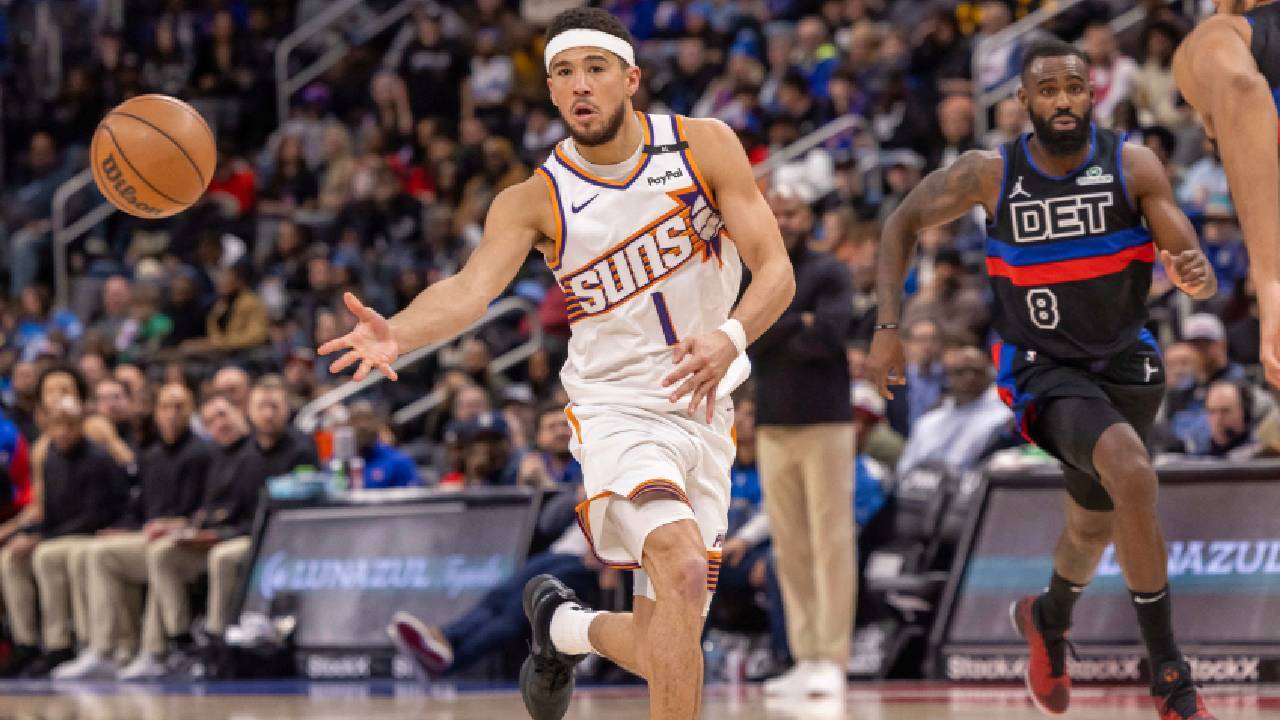
The Phoenix Suns preseason opened with a 109-107 loss to the Detroit Pistons on October 5 at Little Caesars Arena. Phoenix built a 19-point lead and carried an 18-point cushion into halftime. The final statistics show how quickly that advantage disappeared.
Devin Booker finished with 13 points, three rebounds and three assists on 4-of-7 shooting. Jalen Green added 11 points, while Dillon Brooks scored 11 on 4-of-7 shooting. The Suns shot 48.7 percent overall and 40 percent from three, making execution the central issue.
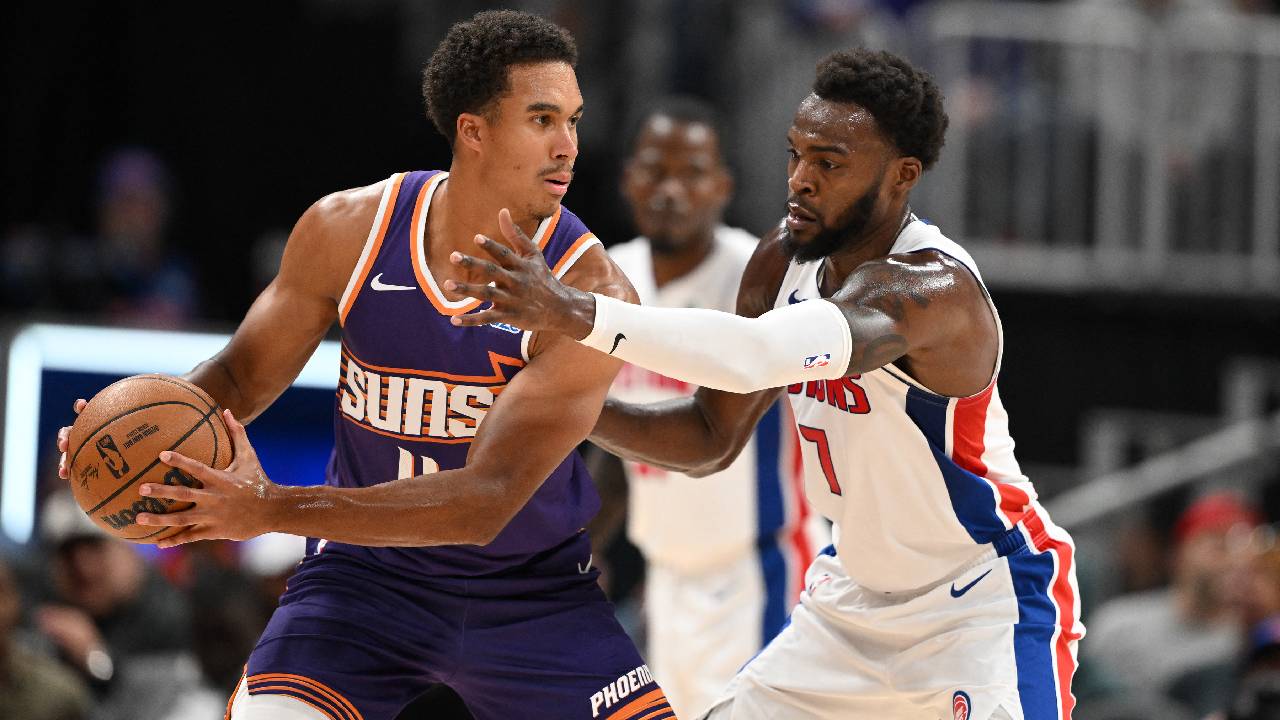
Phoenix committed 32 turnovers, allowing Detroit to score 37 points from those giveaways. The third quarter became the clearest example, with the Suns committing 13 turnovers during a 34-16 Pistons advantage. Detroit closed that period on a 22-3 run and erased Phoenix’s 18-point halftime cushion.
The Pistons’ pressure disrupted the Suns’ decision-making before possessions could develop. Green delivered passes without clear recipients, while Ausar Thompson stole a Booker pass and Paul Reed stripped Green. John Collins also intercepted an Oho Ighodaro pass, showing how quickly Detroit converted uncertain decisions into transition chances.
Third-quarter possessions produced the same problem after Phoenix’s starters left. Thompson stole from Collin Gillespie, while Collins later intercepted a Luke Kennard pass. The Pistons forced the Suns into rushed or poorly targeted passes instead of allowing the reserve groups to establish half-court actions.
Phoenix still shot 40 percent during the third quarter, including 42.9 percent from three. Detroit converted those turnovers into 14 third-quarter points while winning the paint 14-6. The collapse therefore came more from lost possessions than an inability to score when the Suns reached their offense.
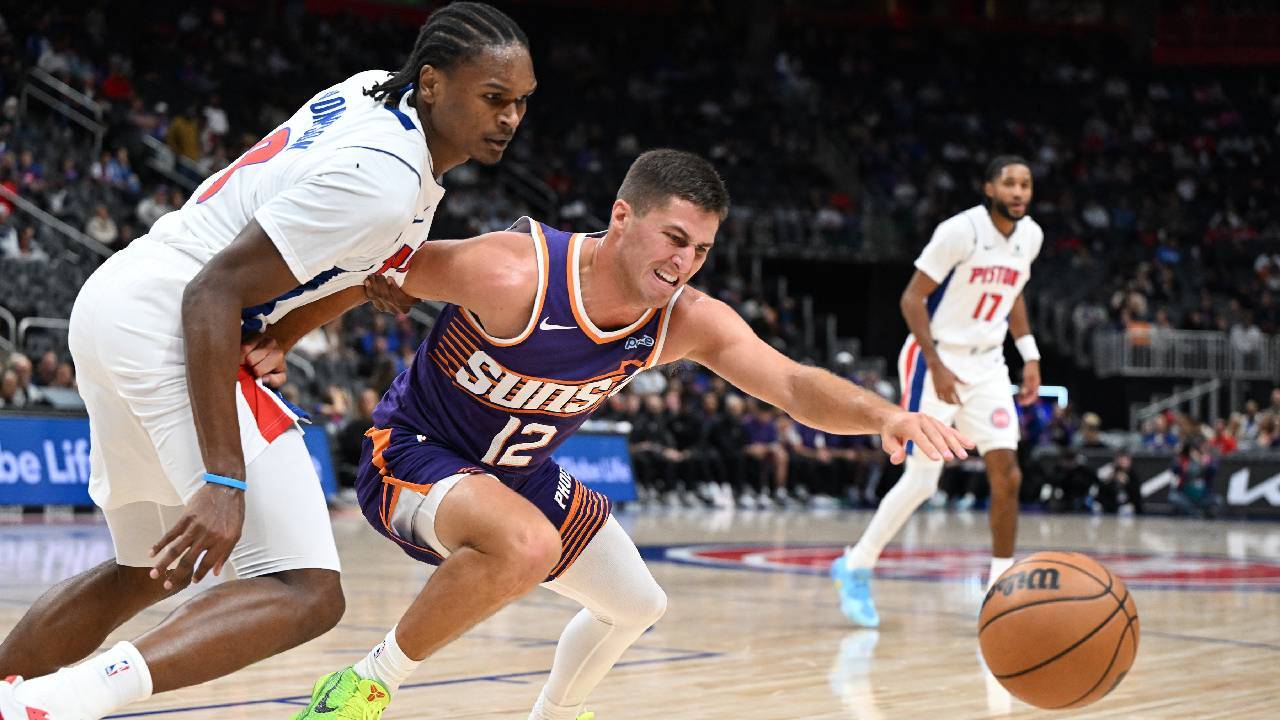
Phoenix’s second-half rotation created the most revealing matchup of the night. Gillespie, Kennard, Jordan Goodwin, Rasheer Fleming and Khaman Maluach opened the third quarter. The Pistons kept their starters on the floor except Cade Cunningham, giving the Suns’ reserves a difficult test against much of Detroit’s opening group.
Duncan Robinson supplied perimeter shooting, Thompson applied defensive pressure, Collins provided size, and Reed protected the interior. The Suns’ reserve group therefore faced spacing, length, and physicality before the Pistons’ deeper reserves entered. That imbalance made clean execution especially important.
Jamaree Bouyea finished with nine points but committed four turnovers, while Haywood Highsmith committed five. Those numbers do not assign individual blame for the collapse. The statistics instead show how difficult Phoenix’s reserve possessions became under sustained defensive pressure.
Kennard still scored nine points on 3-of-5 shooting, while Goodwin added seven points and six rebounds. Gillespie made all three field-goal attempts and scored eight points. Useful reserve pieces exist, but cleaner decisions are necessary when opponents remove the Suns’ easiest offensive options.
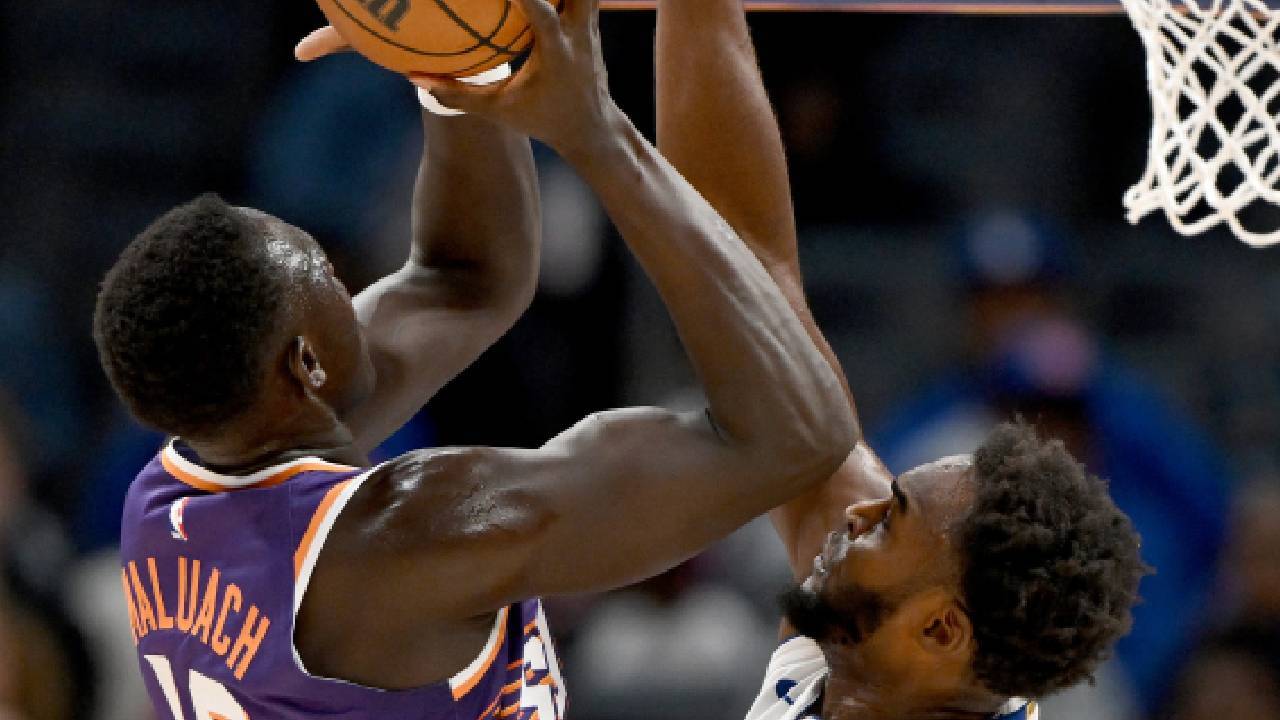
The center competition produced a smaller but useful evaluation. Ighodaro recorded three points, five rebounds and two assists, while Maluach added six points, two rebounds and one block. Phoenix’s training camp priorities now face a more meaningful test against changing lineups.
The Suns converted only 17 of 33 free throws, leaving 16 points at the line. Detroit made 26 of 41 attempts, creating a nine-make advantage in a two-point game. Free throws did not cause the comeback, but they reduced Phoenix’s margin for error.
Green went 4-of-6 from the line, while Booker converted all four attempts. Ighodaro went 1-of-2, and Maluach missed all three of his free throws. Better foul shooting would have provided additional protection once the Pistons’ pressure made possessions harder to finish.
The Suns also collected 14 offensive rebounds and finished with 68 total rebounds compared with Detroit’s 48. Those extra possessions created opportunities without solving the turnover problem. The game totals reinforce free-throw conversion as the secondary execution issue.
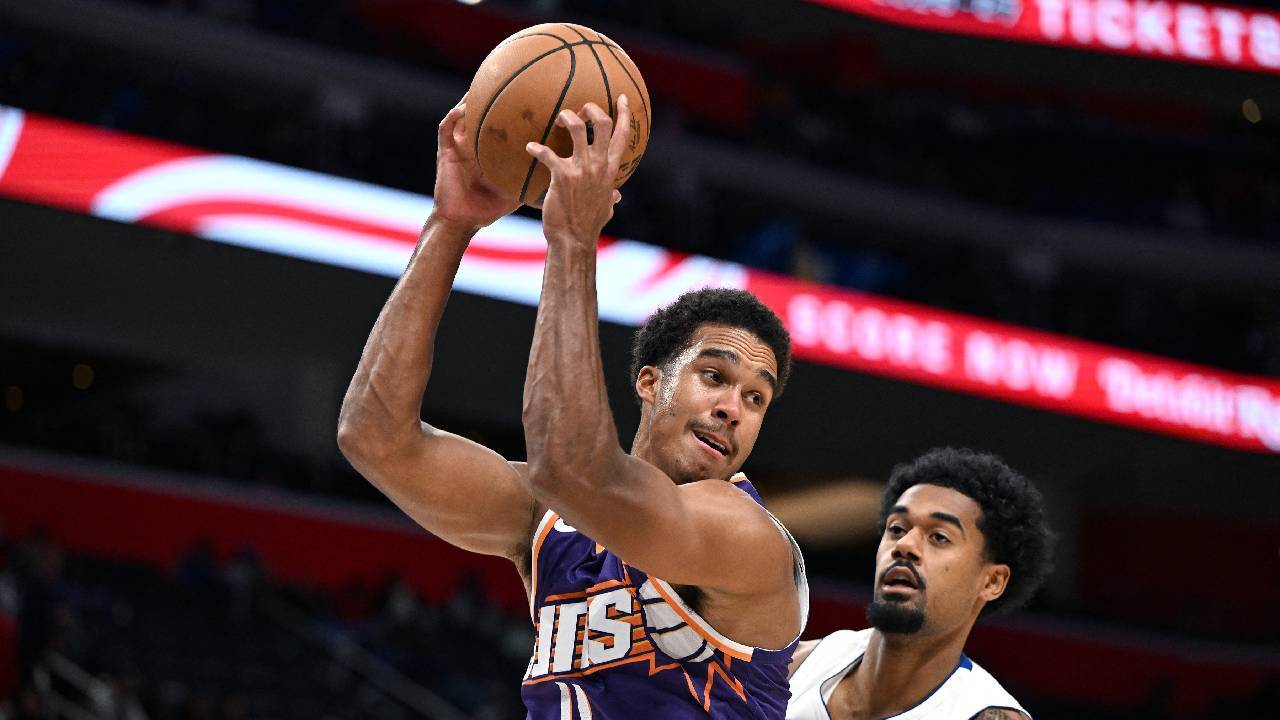
Phoenix’s offensive foundation remains encouraging despite the collapse. Booker, Green and Brooks combined for 35 points, while Bridges added eight points, five rebounds and four assists. Efficient first-half offense helped the Suns build enough separation to control the game early.
The bigger question involves whether that offense survives pressure when the lineup changes. Reserve groups must move the ball, maintain spacing, and avoid live-ball turnovers before the Pistons’ defense creates transition opportunities. Those details will matter more than another strong preseason shooting percentage.
The center battle deserves continued evaluation, but possession security should receive greater attention. Ighodaro offers passing and mobility, while Maluach provides size and rim protection. Phoenix needs combinations that preserve those strengths without sacrificing ball control.
What’s your take? Post it in our free sports community at stadiumrant.app, or download Stadium Rant on the App Store.
The Phoenix Suns preseason opener showed that the roster can build a lead without needing perfect offensive conditions. Detroit exposed what happens when reserve groups face pressure without enough time to establish their preferred actions. The next evaluation should focus on whether the Suns can maintain structure when Booker and the other starters sit.
Successful Phoenix correction would mean fewer live-ball turnovers, quicker passing decisions, and cleaner execution against aggressive defenders. Better free-throw shooting would provide additional protection when possessions become difficult. Those improvements would turn the Detroit loss into useful preseason evidence rather than an unresolved warning.
