
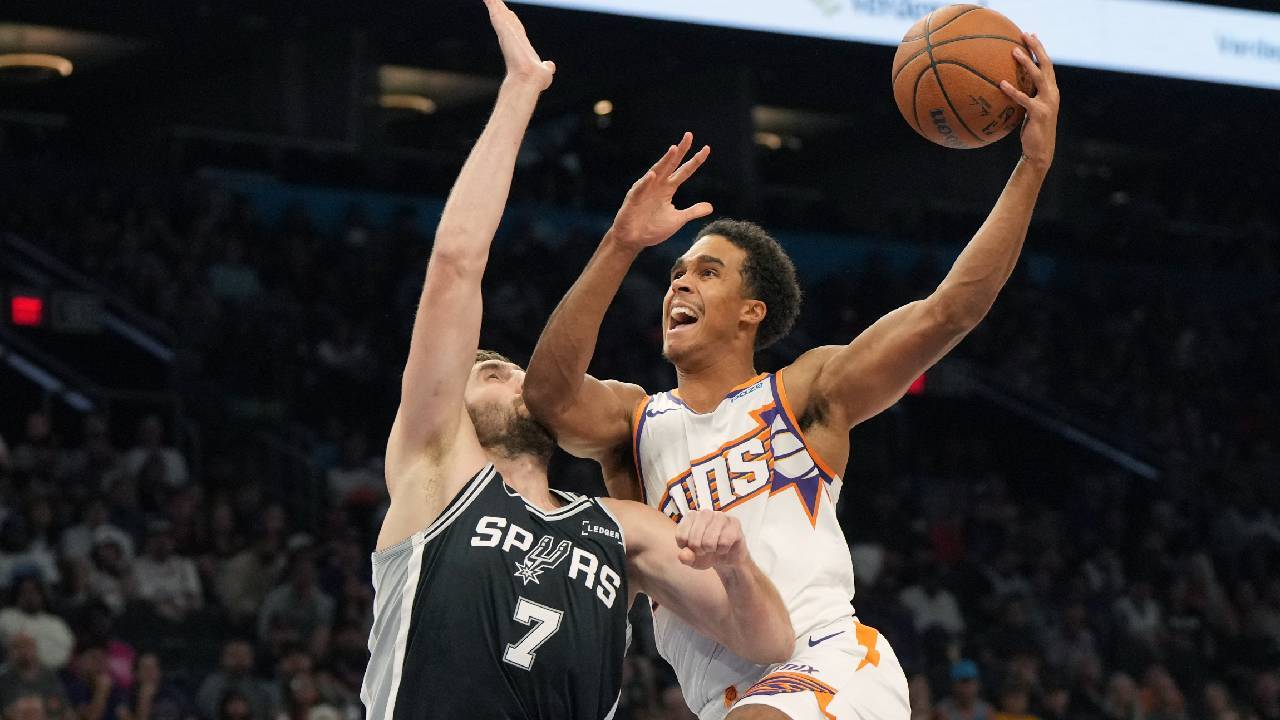
The Oso Ighodaro extension gives the Phoenix Suns three additional seasons for $29 million, ESPN reported Sunday, October 18, 2026. Agent Erika Ruiz confirmed the agreement with Shams Charania, whose ESPN report places its start in 2028-29. Phoenix will keep the 24-year-old center under contract through 2030-31.
The Suns are investing in a player who appeared in all 82 games and made 24 starts during 2025-26. Ighodaro averaged 6.5 points, 5.1 rebounds, and 2.3 assists while shooting 65.3% from the field. Availability, finishing, and passing give the agreement a foundation beyond projections about his potential.

Phoenix is exercising Ighodaro’s 2027-28 team option before the extension begins, a distinction reflected in NBA.com’s reporting. The Suns retain his existing contract before adding three seasons averaging approximately $9.7 million annually. The average describes the total investment rather than an identical salary each year.
Phoenix will retain Ighodaro’s lower salary before the extension begins. Ighodaro’s contract breakdown lists a $2.3 million salary for 2026-27, less than one-quarter of the extension’s annual average. The increase makes continued development more consequential, even without requiring a dramatic expansion of his offensive role.
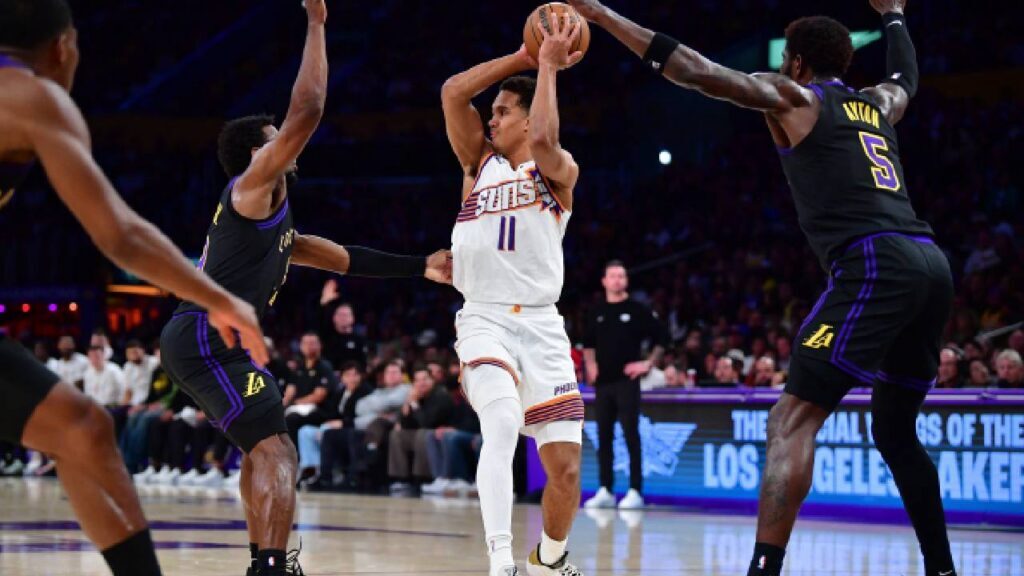
The Suns have documented an offensive contribution that conventional scoring totals miss. A January 15, 2026, team feature credited Ighodaro’s screens with generating 283 points, seventh-most league-wide at that point. The midseason ranking provides a concrete example of his ability to help teammates create offense.
Phoenix can build on that screening through handoffs and short-roll possessions. Ighodaro’s 2.3 assists per game support using him as a connector when defensive pressure forces the ball away from a guard. Quick reads can turn those situations into scoring opportunities before defenders recover.
The Suns should still distinguish efficient finishing from a complete offensive skill set. Ighodaro’s field-goal percentage does not establish shooting range or an ability to manufacture difficult baskets. Screening, passing, and finishing offer a clearer basis for evaluating the investment than projecting a sudden scoring transformation.
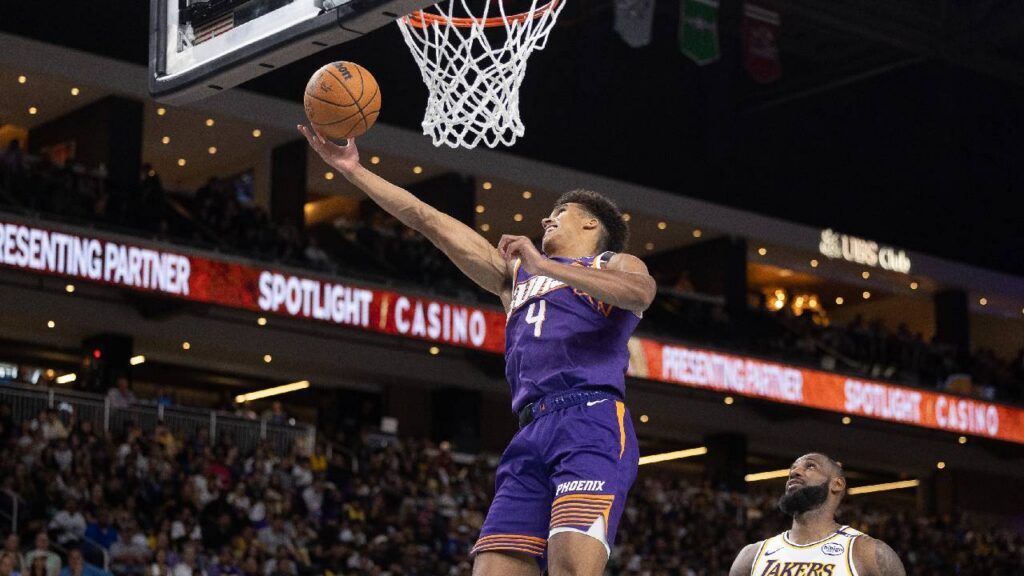
Ighodaro entered the NBA as the No. 40 selection in the 2024 draft, giving Phoenix a developmental prospect outside the first round. Ighodaro’s rookie season produced 4.2 points, 3.6 rebounds, and 1.2 assists per game, as his career statistics show. Playing time increased from 17.1 to 22.1 minutes per game during his second season.
The Suns saw production improve faster than the increase in minutes alone. Ighodaro’s assists nearly doubled, while his field-goal percentage climbed by 4.9 percentage points. The progression gives Phoenix a stronger reason to retain a familiar contributor rather than pursue a replacement with less-established chemistry.
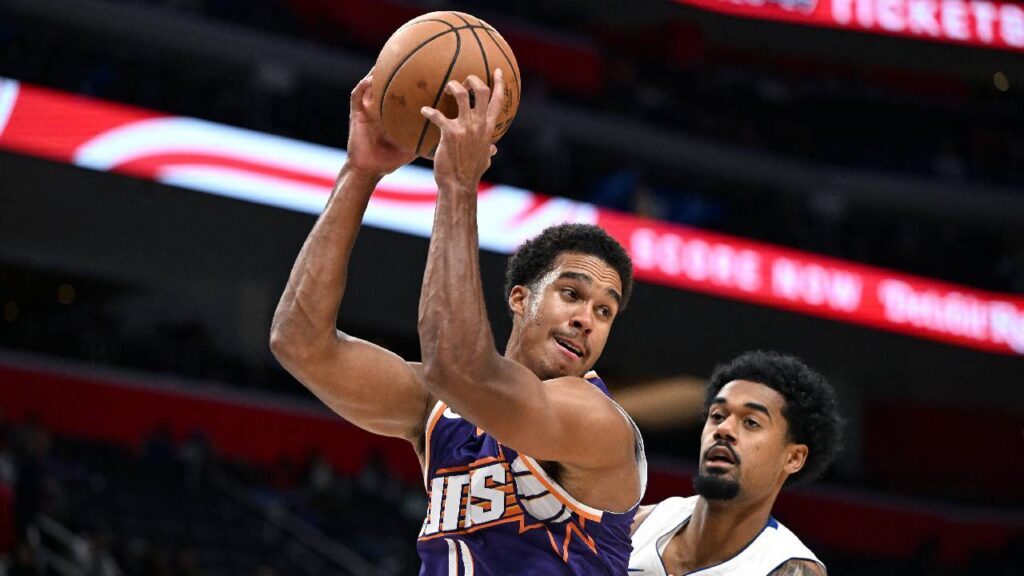
The Suns’ earlier roster update identified frontcourt depth as an opening-night concern while Mark Williams recovered from shoulder surgery. Phoenix must distribute available minutes while balancing Ighodaro’s experience against Khaman Maluach’s development. Coach Jordan Ott’s choices will test which combinations provide enough offense, rebounding, and defensive coverage.
The Suns also need to examine how Ighodaro’s rebounding translates across different assignments. Ighodaro’s season statistics show 3.4 defensive rebounds and 1.7 offensive rebounds per game in 22.1 minutes. The breakdown establishes a baseline for evaluating greater responsibility without treating his total average as proof of defensive effectiveness.
The Oso Ighodaro extension makes sense as an investment in a dependable rotation center with room to improve. Phoenix has evidence of durability, efficient finishing, and screening that generates points for teammates. A starting job would represent additional upside rather than the only acceptable outcome.
The Suns should expect reliable minutes, disciplined screens, and competitive defense for an annual investment approaching $10 million. Ighodaro can justify commitment by sustaining those contributions against different opponents without needing a larger share of the offense. Regularly losing rotation minutes because opponents exploit his limitations would be the clearest warning that the investment is falling short.
