
The MLB has seen its fair share of rule changes in its nearly 150 years of existence. From introducing designated hitters to adding an automatic runner in extra innings, MLB isn’t afraid to shake things up a bit. The most recent major rule changes created the pitch clock and limited pitcher disengagements, demonstrating that the game is adapting to the times.
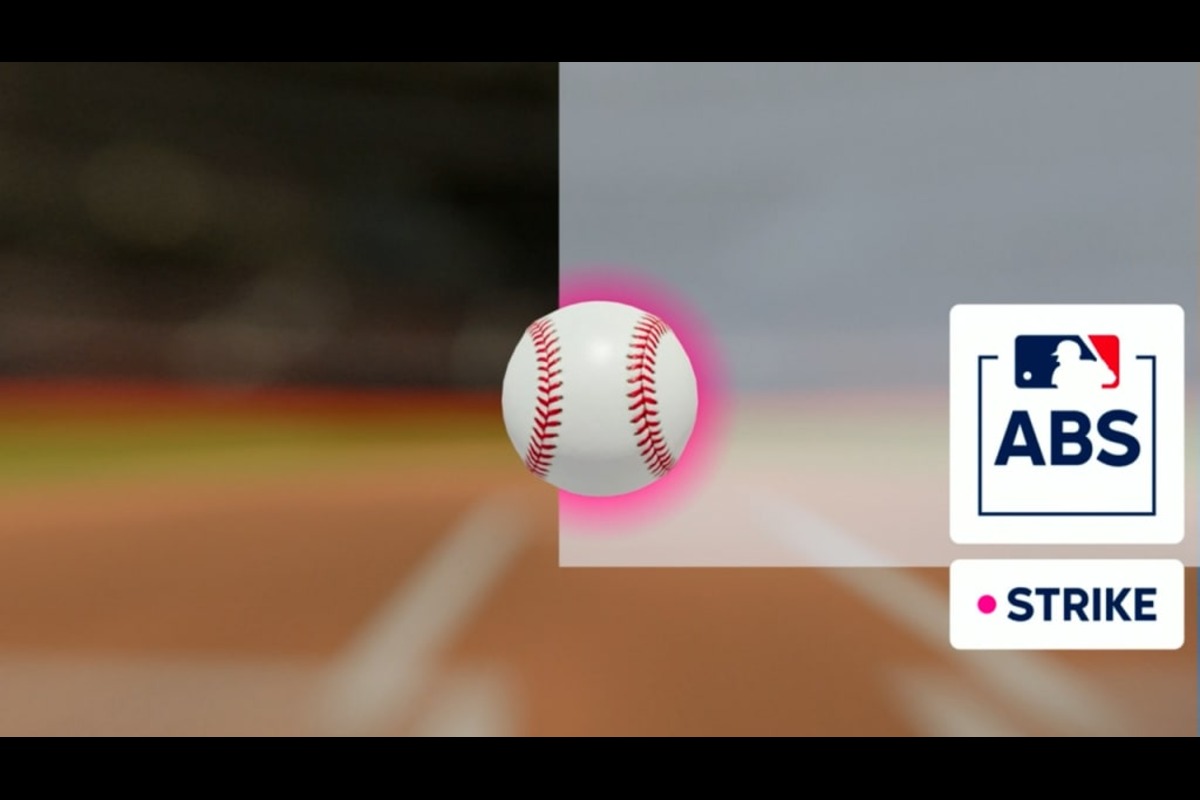
In the spirit of adapting, one rule change can’t come to MLB quickly enough—the automated ball-strike challenge system.
First seeing MLB usage in Spring Training this year, the automated ball-strike challenge system uses cameras to track the trajectory of pitches to determine if they’re balls or strikes. While human umpires still make the call in real-time, batters, pitchers, and catchers can challenge the call if they believe it’s wrong. Players must issue challenges immediately, with no input from the dugout or anyone else on the field.
To initiate a challenge, a player taps their cap or helmet, and the umpire will call for a timeout to review the last pitch. As the ABS was used this spring, each team started the game with two challenges. If they succeeded, they retained their challenge. If they failed, they lost it. Challenging a pitch call doesn’t affect the team’s ability to challenge other plays on the field.
Out of all sports, baseball has the most parity, meaning every team has a realistic chance of making it to the World Series—and winning it. When a game gets decided by a single missed call, however, that parity feels like it falls away. For a sport with a reputation for fairness, it seems like a pretty unfair way for a team to win or lose. In just the past few weeks, a handful of games were decided or needlessly extended by miscalled pitches.
As the Pittsburgh Pirates took on the San Diego Padres at Petco Park, a miscalled strike three on a full count ended the game with a Padres win rather than walking in the tying run in the bottom of the ninth. Had the Pirates gone on to win that game, they very well may have also won the series. For a team that’s been struggling to find its footing, that game could have been the shot in the arm the Buccos needed.
Similarly, as the New York Mets and Los Angeles Dodgers faced off again earlier this week, a strike-called-ball fully in the zone against Shohei Ohtani in the ninth contributed to his game-tying sacrifice fly. Even though the pitch wouldn’t have been strike three, it evened the count and limited Mets pitcher Edwin Díaz’s options. The game may have gone the Mets’ way in the 10th, but that one missed call easily could have turned the tide in favor of the Dodgers.
While the ABS challenge system debuted in the majors this past spring, the minor leagues have been using it for years now. For some time, the minors would have three games per week using the ABS challenge system and three with full ABS. That meant some games exclusively used a “robo ump” to make the calls, while a human umpire relayed the call the computer made.
Both players and fans seemed to prefer the challenge system—the system seen in MLB’s Spring Training this year. While the system is accurate and reliable, some criticized it as being too accurate, differing from the traditional calls of certain pitches—particularly curveballs. As a result, the minor leagues switched to the challenge system full-time, which is the same system everyone saw in Spring Training.
While the MLB doesn’t have official plans to implement the ABS challenge system, it’s clear the game needs it. Far too many high-stakes at-bats are going the wrong way because umpires are missing calls. As it stands, the league isn’t expecting the system to see regular-season games until at least 2027.
Let’s just hope in the meantime, umpires clean up their act and stop affecting the outcome of pivotal games.
If you love sports, download Stadium Rant from the Apple App Store and join one of the fastest-growing social sports communities. Be sure to follow us on socials too — you can find all our profiles on our Linktree.
