
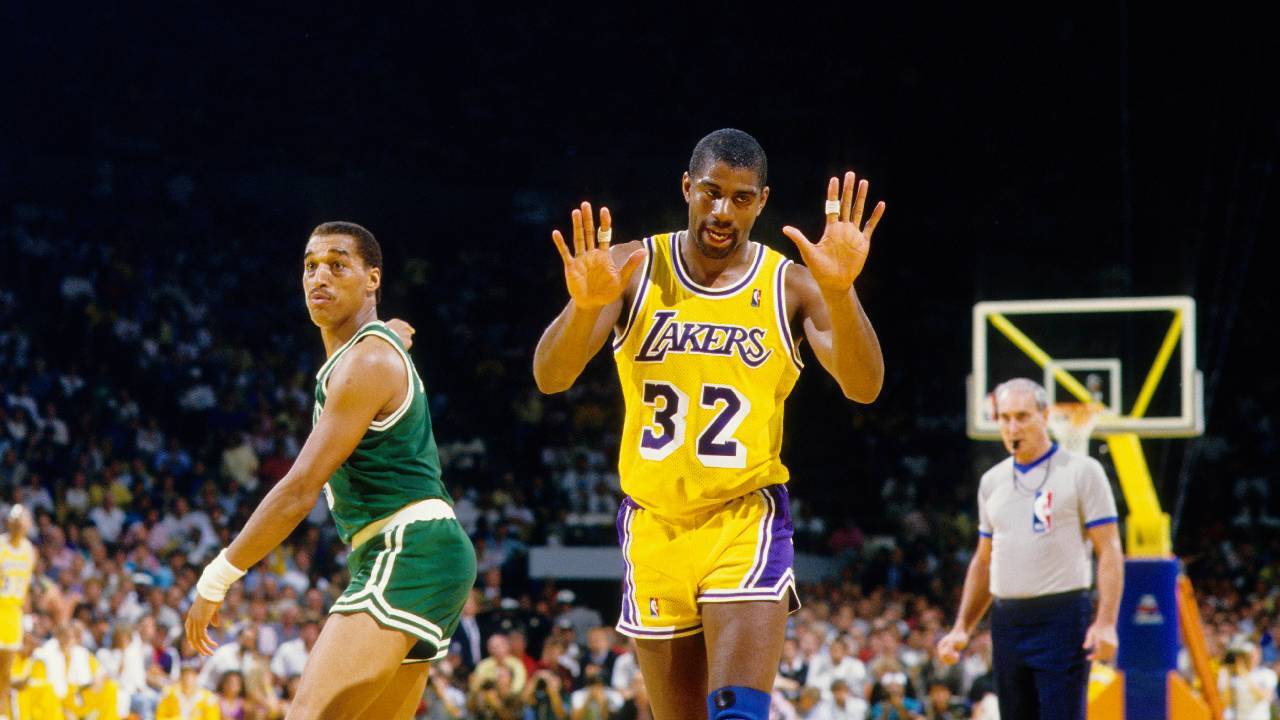
NBA career winning percentage is one of the clearest ways to measure how consistently a player’s teams succeeded during his career. Magic Johnson owns the highest NBA career winning percentage among players with more than 500 regular-season games, winning 74.0% of them. Larry Bird ranks second at .736, followed by K.C. Jones at .731 and Michael Cooper at .729. The current StatMuse leaderboard confirms Magic’s position at the top.
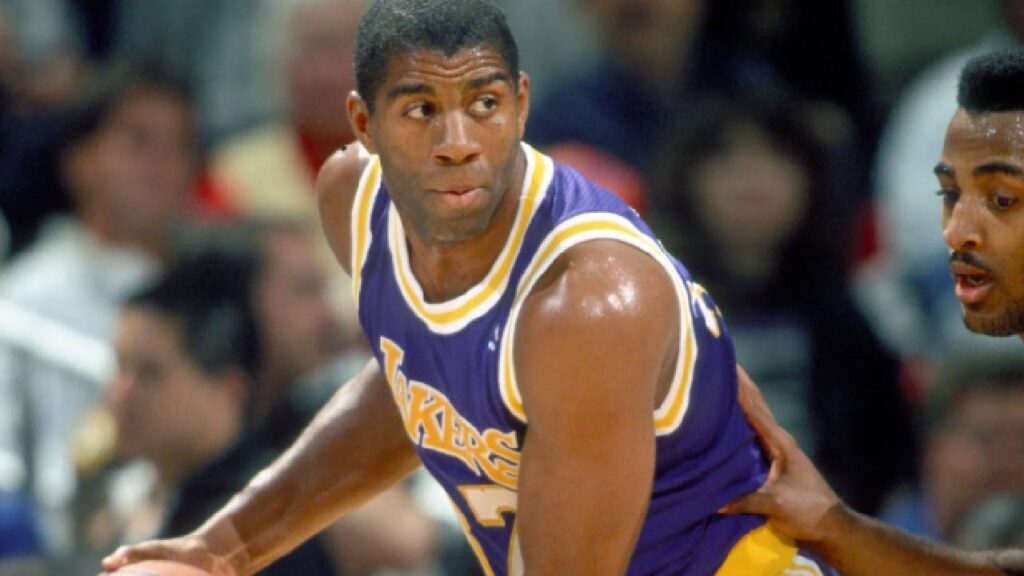
Johnson has the highest NBA career winning percentage among players with more than 500 regular-season games. Johnson went 670-236 across 906 appearances, producing a .740 winning percentage.
The 500-game minimum matters because lower thresholds can produce rankings dominated by players with shorter careers or limited roles. This list uses regular-season games only, counts the team’s result in every game a player appeared in, and includes statistics through the end of the 2025-26 regular season. Winning percentage divides team wins in a player’s appearances by his total games played.
| Rank | Player | Record | Games | Winning % |
| 1 | Magic Johnson | 670-236 | 906 | .740 |
| 2 | Larry Bird | 660-237 | 897 | .736 |
| 3 | K.C. Jones | 494-181* | 676 | .731 |
| 4 | Michael Cooper | 636-237 | 873 | .729 |
| 5 | Tom Heinsohn | 475-179 | 654 | .726 |
| 6 | Manu Ginóbili | 762-295 | 1,057 | .721 |
| 7 | Tim Duncan | 1,001-391 | 1,392 | .719 |
| 8 | Sam Jones | 625-246 | 871 | .718 |
| 9 | Bill Russell | 690-273 | 963 | .717 |
| 10 | Kawhi Leonard | 569-229 | 798 | .713 |
| 11 | Tony Parker | 892-362 | 1,254 | .711 |
| 12 | Draymond Green | 588-244 | 832 | .707 |
| 13 | Frank Ramsey | 439-184 | 623 | .705 |
| 14 | John Loscutoff | 359-151 | 511 | .703 |
| 15 | Dennis Rodman | 636-275 | 911 | .698 |
| 16 | Tom Sanders | 639-278 | 916 | .698 |
| 17 | Kevin McHale | 674-297 | 971 | .694 |
| 18 | Danny Ainge | 719-323 | 1,042 | .690 |
| 19 | Kareem Abdul-Jabbar | 1,074-486 | 1,560 | .688 |
| 20 | Scottie Pippen | 810-368 | 1,178 | .688 |
*StatMuse currently lists Jones at 494-181 across 676 games with a .731 winning percentage. The record totals add to 675 decisions, creating a one-game discrepancy in the source data. The published 676-game total and .731 percentage are retained rather than inventing an additional result.
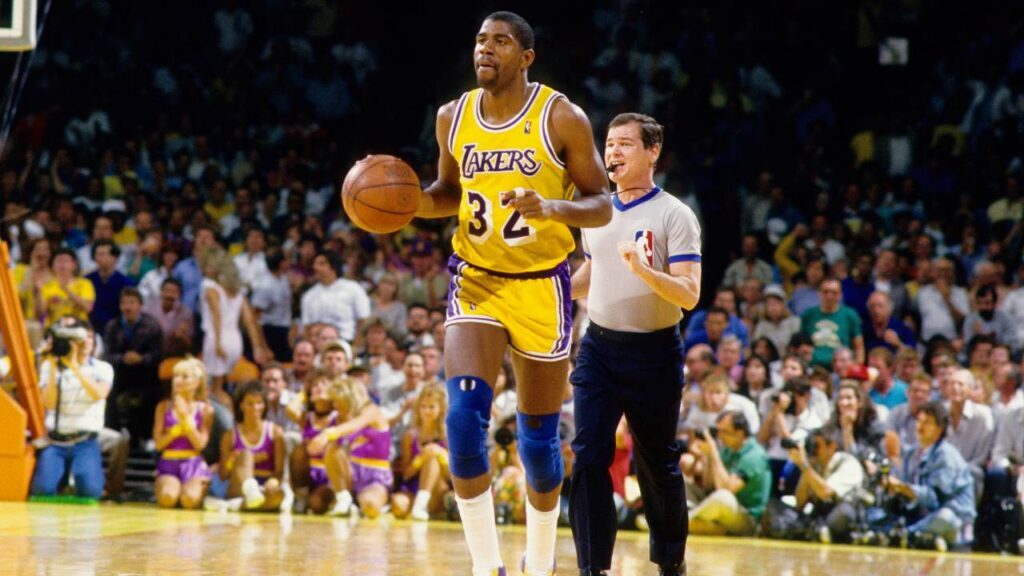
Johnson’s .740 mark is difficult to separate from the Los Angeles Lakers’ dominance during the Showtime era. Five championships, three regular-season MVPs, and three Finals MVPs underscore how unusual his mix of team success and individual achievement was.

Bird’s .736 winning percentage puts him just 0.4 percentage points behind Johnson, adding another close comparison to their historic rivalry. The Boston Celtics’ sustained success during Bird’s career produced one of the strongest winning percentages in NBA history.
Bird paired that consistency with three championships and three consecutive regular-season MVP awards from 1984 through 1986. The Celtics’ legend placement reflects more than being part of a winning organization: he was the central star driving Boston’s success.

Jones’ ranking third at .731 is one of the leaderboard’s biggest surprises. Jones spent his entire nine-year playing career with Boston and won eight championships, making his placement a direct reflection of the Celtics’ extraordinary success during the 1960s.
Cooper sits fourth at .729. The shooting guard was never the Lakers’ primary offensive star, but his defensive impact and championship role demonstrate one of the statistic’s central quirks. Winning percentage rewards consistent participation in winning teams, regardless of scoring responsibility.

Tom Heinsohn ranks fifth at .726, giving Boston three of the leaderboard’s top five players alongside Bird and Jones. Heinsohn spent his entire playing career with the Celtics, making his placement another example of the franchise’s historical dominance.
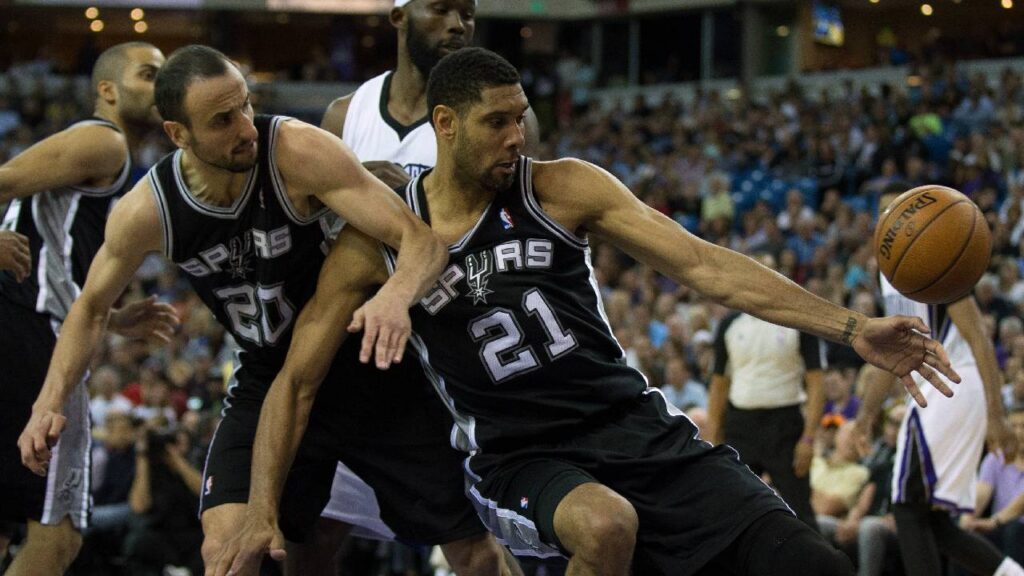
Manu Ginóbili’s .721 winning percentage and Tim Duncan’s .719 mark reflect the San Antonio Spurs’ remarkable consistency. Their placement is especially impressive because Ginóbili maintained his rate across 1,057 appearances, while Duncan played 1,392 games. Sustaining an elite winning percentage across more than 1,000 appearances leaves less room for short-term variance and makes their records more than the product of a few dominant seasons.

Russell’s 11 championships provide the strongest context for his placement. The center’s regular-season winning percentage and championship résumé reinforce each other in a way that few players can match.

Kawhi Leonard ranks 10th at .713, followed by Tony Parker at .711. Parker’s placement reflects the Spurs’ sustained success throughout his prime, while Leonard’s career shows that an elite winning percentage can survive changes in franchise.

Draymond Green’s .707 mark reflects the value of defense and playmaking on championship teams. Frank Ramsey and John Loscutoff follow at .705 and .703. Dennis Rodman and Tom Sanders both round to .698, although Rodman’s career across multiple franchises offers a contrast to the Celtics-heavy group around him.

Kevin McHale’s .694 mark and Danny Ainge’s .690 mark extend Boston’s influence further down the leaderboard. Kareem Abdul-Jabbar and Scottie Pippen both round to .688, completing the top 20.
Abdul-Jabbar ‘s percentage is particularly impressive across 1,560 appearances, making longevity an essential part of his placement. Pippen’s mark reflects the Chicago Bulls’ championship success, although the percentage alone cannot isolate how much of that winning came from his individual impact.
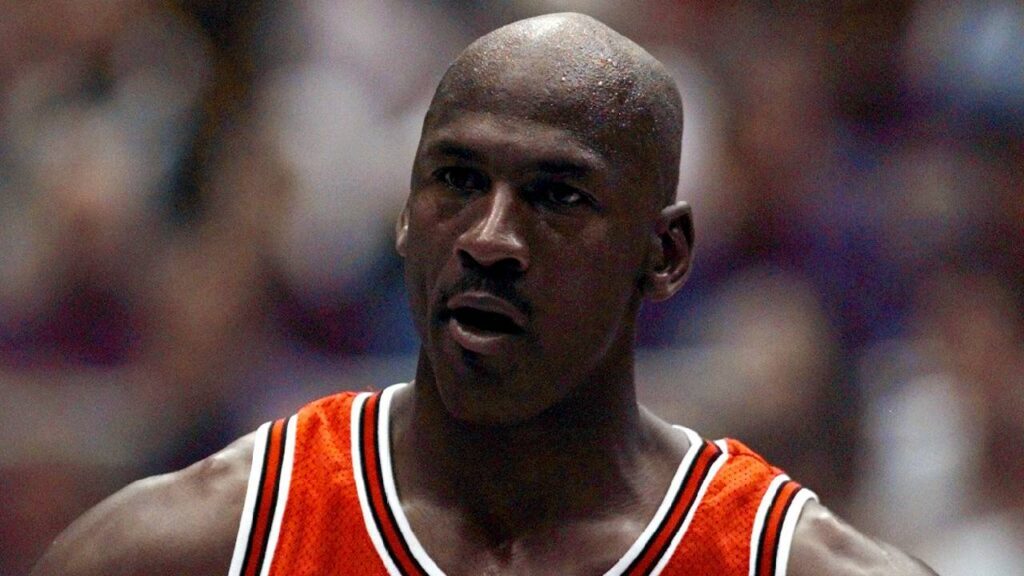
The absence of several iconic names near the top is one of the ranking’s most revealing features. Michael Jordan finished with a .659 regular-season winning percentage, going 706-366 across 1,072 appearances. Jordan’s placement outside the top 20 shows how this statistic measures a career differently from championships or individual accomplishments.
LeBron James owns a .646 regular-season mark across 1,622 appearances, while John Stockton finished at .634 across 1,504 games. Stephen Curry’s .639 regular-season percentage offers another reminder that a career average does not fully describe a player’s most successful years. Curry’s postseason record provides a useful contrast.

NBA career winning percentage measures team success differently from championships or MVP awards. It tracks how often a player’s team won when he appeared, without assigning individual credit for those victories. That distinction explains why Jones and Cooper can rank ahead of Jordan without suggesting either had a greater individual career. Their placements recognize extraordinary consistency in winning environments, not equivalent offensive responsibility or individual dominance.

Regular-season and playoff winning percentages can diverge significantly. Johnson’s percentage fell from .740 in the regular season to .674 in the playoffs, while Russell’s dropped from .717 to .648. Jordan moved in the opposite direction, rising from .659 to .665. Curry’s increase was larger, climbing from .639 in the regular season to .671 in the postseason. Regular-season winning percentage cannot substitute for playoff performance against stronger competition.

The biggest limitation is that winning percentage attaches a team result to a player’s appearances. Teammates, coaching, front-office decisions, injuries and franchise stability all influence the number. A supporting player on a dynasty can finish above a superstar who spent years carrying rebuilding teams. The leaderboard therefore works best as a measure of sustained team success, not a definitive ranking of individual greatness.
NBA career winning percentage is valuable precisely because this leaderboard does not resemble a conventional greatest-players list. Johnson at number one makes sense, but Jones and Cooper ranking ahead of Jordan forces a more complicated conversation about what “winning” actually means.
The statistic deserves a place in that conversation without becoming the entire argument. It identifies players whose teams won at extraordinary rates when they appeared, but responsibility, longevity, and postseason performance still determine how we interpret those results.
