
The Miami Dolphins Week 4 isn’t a mystery. It’s a verdict waiting to be delivered. Both teams have spent three weeks showing us exactly who they are, exactly where they crack, and exactly what they fear. Sunday is simply the moment when all those patterns collide under the lights and pressure of U.S. Bank Stadium. It’s the kind of game where the scoreboard matters less than the habits each team brings into the building.
This isn’t a matchup. It’s a test. Miami is the team being graded.
The Dolphins don’t walk into Week 4 searching for an identity—they walk in trying to prove they can sustain one for more than a quarter at a time. The Vikings don’t walk in trying to reinvent themselves—they walk in hoping their strengths show up before their weaknesses get exposed. Both teams have spent September flashing potential and revealing flaws. Sunday is where those contradictions get dragged into the light.
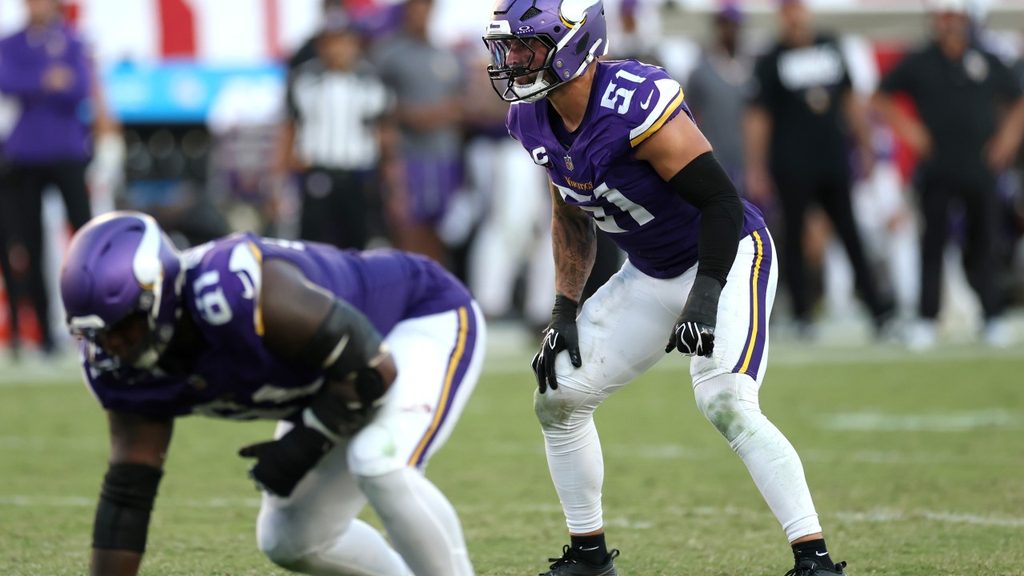
Minnesota’s first three games paint a clear profile—one Miami cannot afford to ignore.
The Vikings start fast. Their scripted drives are sharp, clean, and confident. They come out swinging, and for the first 10–15 minutes, they look like a team that knows exactly what it wants to be. Once the script ends, once the defense adjusts, once the game becomes improvisation instead of choreography, Minnesota’s rhythm evaporates.
Their offense is explosive-dependent. They thrive on chunk plays—the deep shot, the broken tackle, and the sudden momentum swing. When those explosives hit, they look dangerous. When they don’t, they stall. Sustained drives are not their comfort zone.
Defensively, they blitz because pressure is their identity. They trust disruption more than coverage. When the blitz hits, Minnesota looks aggressive. When it doesn’t, they look exposed. Every pressure call is a gamble—one that can pay off big or backfire instantly.
Then there’s the fourth quarter. Minnesota has shown late-game vulnerability. Leads shrink. Mistakes appear. Composure wavers. They’re a team that can look threatening until you punch them in the mouth.
Then they start blinking.
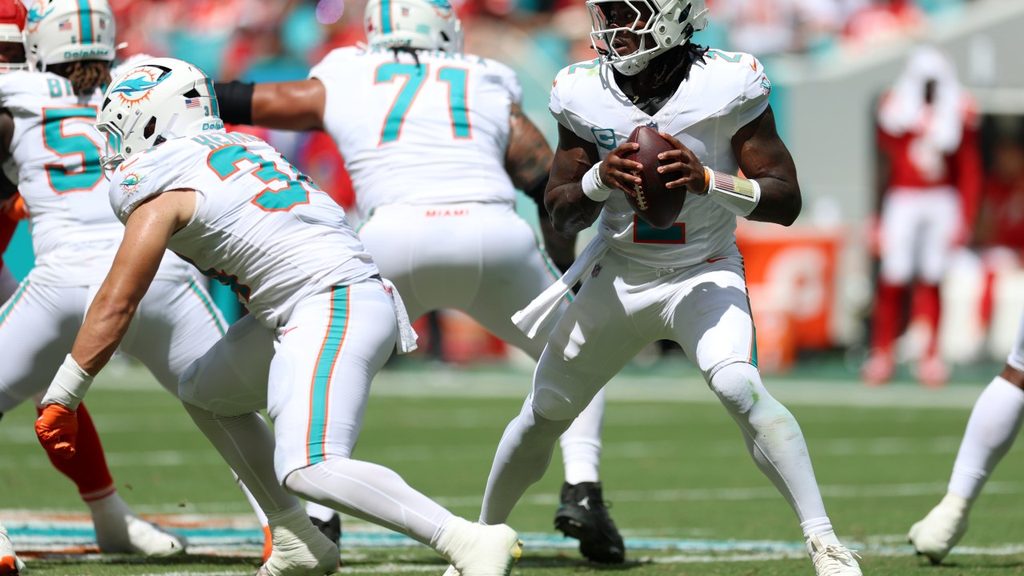
Miami’s first three weeks have been a highlight reel wrapped in a headache.
The Dolphins start fast. The scripted drive hits. The offense looks sharp. The rhythm is clean. The crowd erupts. Then—almost predictably—the grip loosens. The tempo fades. The precision disappears. The offense goes from explosive to hesitant, from confident to cautious, from attacking to reacting.
Third down has been a haunted house. Conversions vanish. Play-calling tightens. Momentum dies. Miami cannot live in 3rd-and-long, but they keep finding themselves there. Every stalled drive feels like a warning. Every third down feels like a dare.
Defensively, the inconsistency is maddening. One drive looks elite—tight coverage, strong pressure, clean tackling. The next looks like a walkthrough—soft zones, missed assignments, free yards. The talent is there. The execution is not.
The mistakes snowball. One blown assignment becomes a drive. One stalled possession becomes a momentum swing. One penalty becomes a meltdown. Miami doesn’t just make mistakes—they multiply them.
The Dolphins are a team that can look unstoppable… until the moment they’re forced to respond instead of dictate. When challenged, they shrink rather than sharpen. When pressured, they wobble instead of stabilizing.
Miami’s biggest opponent has not been the Chargers, the Bills, or the Patriots.
Miami’s biggest opponent has been Miami.
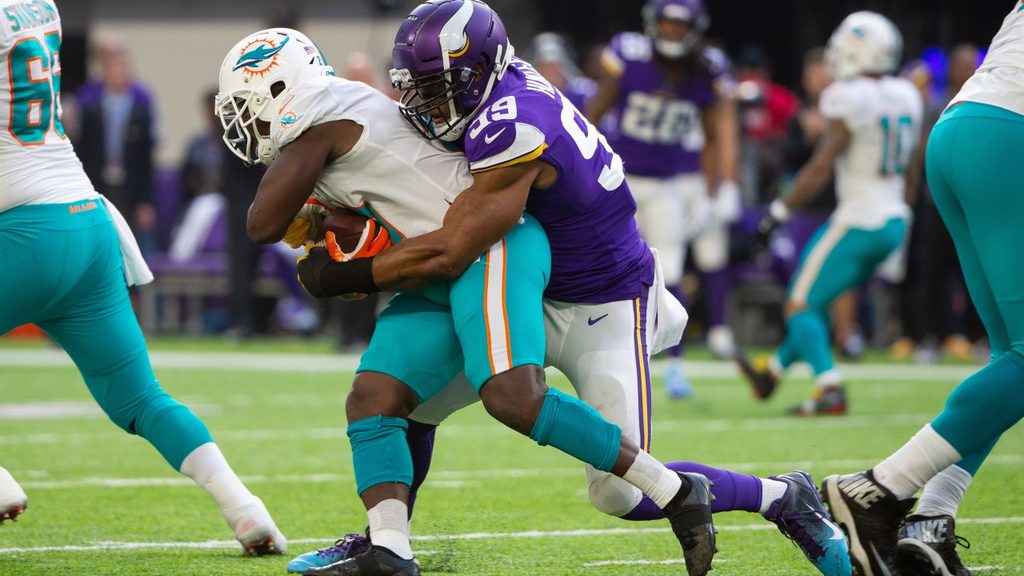
This game will look like two teams trying to outrun their own flaws.
Both start fast. Both get shaky when the script ends. Both rely on rhythm. Both fall apart when that rhythm breaks.
The difference?
Minnesota collapses when you hit them. Miami collapses when they hit themselves.
That’s the storyline. That’s the truth Miami has to confront.
Minnesota can be pushed off their game. The Dolphins can push themselves off their game.
That’s why Sunday matters. This isn’t just about beating the Vikings—it’s about proving Miami can stop beating Miami.
1. Miami starts hot—again.
The scripted drive hits. Miami silences U.S. Bank Stadium. Minnesota looks overwhelmed. Then turbulence hits.
2. Minnesota answers with explosives.
A deep shot. A broken tackle. A chunk play. Miami’s defense bends, maybe breaks.
3. The middle quarters become a momentum tug-of-war.
Both teams stall. Both teams flash. Both teams look brilliant and broken within the same possession.
4. The fourth quarter decides everything.
Minnesota has shown late-game vulnerability. Miami has shown late-game instability.
Whichever team handles the moment wins. Whichever team blinks loses.
1. Win early downs—or the offense dies.
Miami cannot live in 3rd-and-long. Weeks 1–3 proved that third down is a haunted house for this team.
2. Attack Minnesota’s blitzes—not hide from them.
Minnesota’s pressure creates opportunities behind it. Screens, slants, quick hitters, and punish aggression.
3. Protect the middle of the field.
Miami has been soft between the hashes. Minnesota lives there. Fix it or get carved up.
4. Stop giving away control.
Miami’s flaw isn’t finishing—it’s surrendering momentum after earning it. Week 4 demands four quarters, not two.
5. Don’t let mistakes snowball.
One blown assignment cannot become a touchdown. One stalled drive cannot become a momentum swing. One penalty cannot become a meltdown.
Control the damage. Control the moment. Control the game.

Miami doesn’t need a miracle on Sunday. They need something far more fundamental—something they’ve failed to deliver through three weeks:
Control.
When the Dolphins control the tempo, the mistakes, and the moment, they can push the Vikings off their rhythm. Miami can push themselves off theirs. That’s the problem.
Miami can beat Miami. That’s been the story of September.
If the Dolphins stop punching themselves, they can punch Minnesota straight out of U.S. Bank Stadium. If they don’t, they’ll drag this into another coin flip—exactly the kind of game Miami has spent three weeks failing to control.
Week 4 isn’t about the Vikings. Week 4 is about Miami proving it can control itself.
Either the Dolphins take control… or they get controlled. Sunday isn’t a game—it’s a declaration. Miami better make it loud.
