
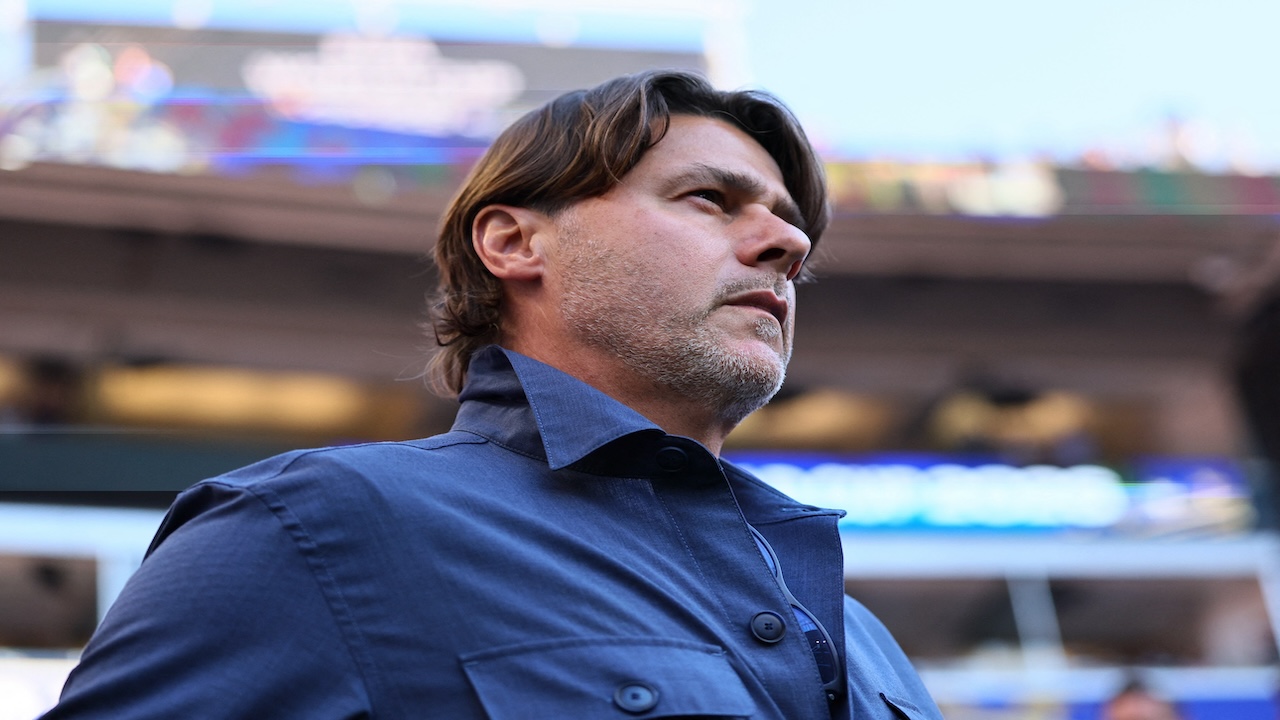
Mauricio Pochettino’s Manchester United rebuild must begin with a question bigger than Sunday’s trip to Anfield: can this club finally build a structure that outlasts its head coach? Pochettino has promised to establish a new identity, while Omar Berrada, Jason Wilcox and Bruno Fernandes all hold important roles in the next phase. United are 18th after ten league matches, and one result against Liverpool cannot repair the instability that brought the club here.
The Argentine has already outlined his intentions after taking charge at Old Trafford. Pochettino wants to improve the existing squad rather than spend his opening weeks blaming previous coaching appointments. The success of Pochettino’s Manchester United project, however, will depend on whether the hierarchy shares his vision.
Pochettino’s Manchester United Needs A Footballing Identity That Lasts
Pochettino has spoken about building something from scratch, but that doesn’t mean disregarding Manchester United’s established identity. The club already has a recognizable history and a tradition of competing for major honors. His immediate responsibility is to establish footballing principles players can understand and consistently execute.
The new head coach made his intentions particularly clear when discussing his approach to the inherited squad. Rather than publicly criticising previous decisions, Pochettino wants to work with the available players and improve their performances. His opening comments suggest that he wants to concentrate on building relationships rather than assigning blame for the club’s recent failures.
“We are here not to denounce things. We are here to build something with our players.”
That statement deserves attention because United have repeatedly experienced managerial transitions accompanied by significant changes in personnel. Pochettino appears determined to avoid starting another cycle of public criticism and expensive squad overhauls. His immediate priority should be restoring confidence while establishing a system that rewards collective commitment.
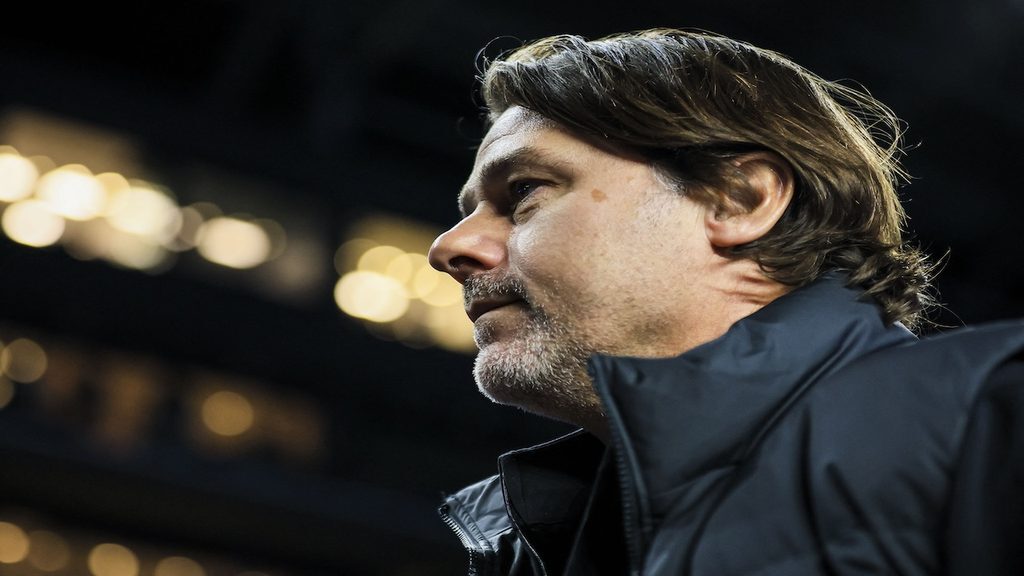
The Argentine also recognized that rebuilding confidence requires more than introducing new tactical instructions. Players must believe in the coaching staff and understand the direction in which the club is moving. Pochettino addressed that responsibility directly when discussing the atmosphere he wants to create at Old Trafford.
“The players need to feel something from us.”
Pochettino acknowledged that confidence naturally deteriorates when results fail to improve. His coaching staff must therefore create an environment where players trust their instructions and understand their responsibilities. Establishing consistent pressing, defensive organization and attacking patterns will provide a foundation for that improvement.
The Argentine, however, should not assume that tactical changes alone will solve everything. Manchester United need consistency in their approach, particularly when results become difficult. The previous discussion of why Pochettino could struggle at Manchester United provides useful context for the challenges awaiting him.
Three Permanent Managers In Under Three Seasons Expose A Bigger Problem
Manchester United’s managerial instability has become impossible for the hierarchy to ignore. Chief executive Omar Berrada recently acknowledged that the club have appointed three permanent managers in less than three seasons. Erik ten Hag, Ruben Amorim and Michael Carrick have all departed during that period.
Berrada was particularly candid when discussing the club’s failure to establish managerial continuity. The chief executive recognized that the recent appointments had not produced the stability Manchester United wanted. His admission provides an important starting point for examining the club’s wider structural problems.
“We haven’t achieved the stability that we want to.”
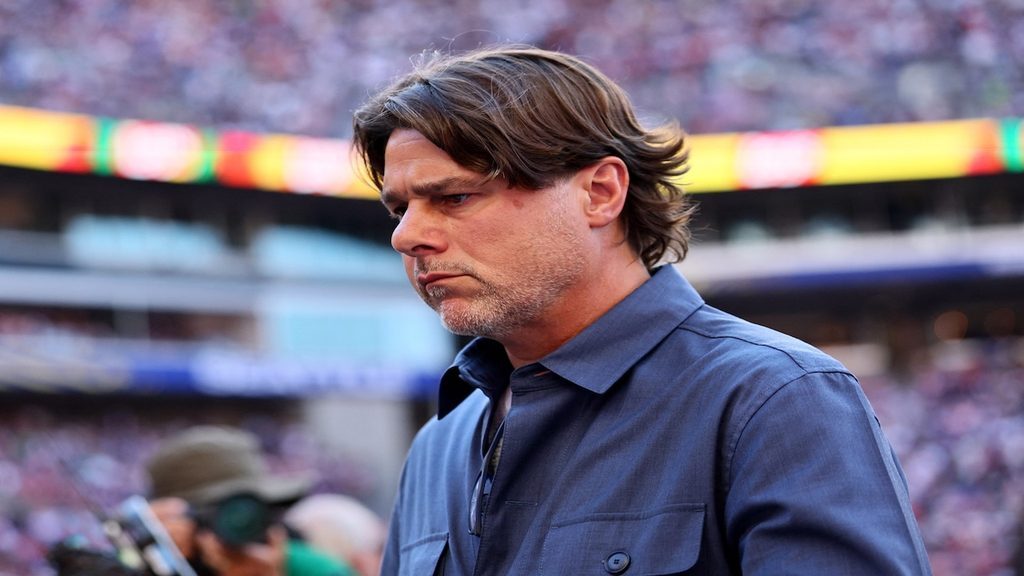
U.S. coach Mauricio Pochettino after the end of the first half IMAGN IMAGES via Reuters/Blake Dahlin
The admission is significant because managerial appointments alone cannot guarantee long-term progress. United must understand why previous projects failed and identify the structural decisions that repeatedly undermined their managers. Otherwise, Pochettino could eventually encounter the same problems that affected his predecessors.
The club’s post-Sir Alex Ferguson history offers several examples of this recurring cycle. David Moyes, Louis van Gaal, Jose Mourinho, Ole Gunnar Solskjaer, Ten Hag, Amorim and Carrick have occupied the permanent managerial position since 2013. Our ranking of Manchester United’s six post-Ferguson managers provides further perspective on that turbulent period.
Managerial stability cannot simply mean keeping another coach in the position for several seasons. The hierarchy must establish a sustainable footballing strategy that remains consistent through difficult results and personnel changes. Pochettino deserves support, but accountability must extend beyond the touchline.
Recruitment Power Will Decide Whether Pochettino’s Rebuild Lasts
Manchester United’s recruitment strategy could ultimately determine whether Pochettino succeeds. The club reportedly spent approximately £150 million on three midfielders during the summer transfer window. However, important squad requirements remained unaddressed, particularly the lack of additional competition at left-back, as discussed in Sky Sports’ interview with Berrada.
Pochettino has also made his expectations regarding decision-making clear. The head coach understands that he will select the squad, choose the starting eleven and make matchday substitutions. However, he wants a wider role in decisions affecting the composition and long-term direction of his squad.
“I know in the future I would like to be involved in all the main decisions that affect the squad. At the end of the day, Manchester United is a football club.”
The statement is arguably the most important takeaway from his first press conference. Although Pochettino has been appointed head coach, he wants meaningful influence over decisions affecting his first team. Director of Football Jason Wilcox remains responsible for the wider recruitment strategy, making communication between both departments particularly important.
Neither side should operate independently when major squad decisions are involved. Wilcox and the scouting department should identify players who fit the club’s long-term requirements, while Pochettino must explain the tactical profiles he needs. The objective should be building a balanced squad rather than repeatedly spending heavily on individual positions.
Manchester United need a recruitment strategy that survives managerial changes. Incoming players should fit the club’s broader footballing philosophy rather than simply satisfy the immediate preferences of one head coach. Without that alignment, Pochettino’s Manchester United rebuild could follow the same frustrating pattern as previous projects.
Bruno Fernandes’ Contract Is An Early Test Of Long-Term Planning
Bruno Fernandes represents another important decision for Manchester United’s new head coach. The captain has rejected a second contract offer, with his current agreement expiring at the end of the season. United reportedly hold an option to extend his stay by another year, according to Sky Sports’ report on Fernandes rejecting United’s contract offer.
Pochettino has already indicated that Fernandes remains central to his immediate plans. He confirmed that the midfielder will continue as captain, providing an early indication of the continuity he wants within the dressing room. The Argentine also stressed that every player must feel valued regardless of their position in the squad.
“Bruno is our captain and a very important player, but all the players need to feel they are important from the top to the bottom and the bottom to the top.”
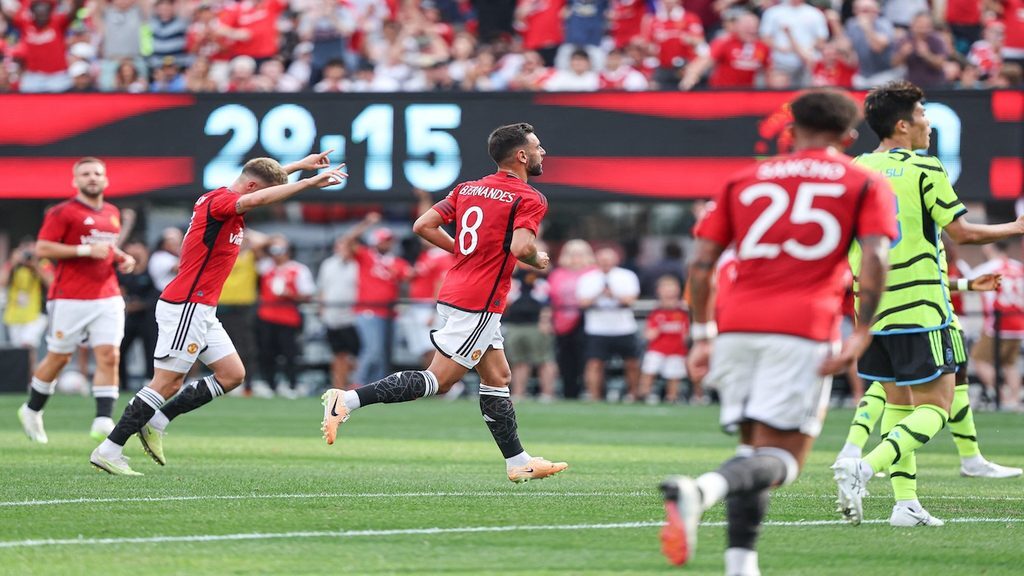
The Argentine has clearly recognized the importance of retaining leadership during an uncertain period. Fernandes can provide continuity while the new coaching staff attempts to restore confidence throughout the squad. United, however, must also establish a succession plan rather than allowing another important contract decision to drift.
The Fernandes situation illustrates why Pochettino’s Manchester United project requires long-term planning. Contract negotiations, squad development and recruitment priorities must complement one another. The club cannot afford to postpone important decisions until another crisis becomes unavoidable.
Anfield Is A Test, Not A Verdict On Pochettino
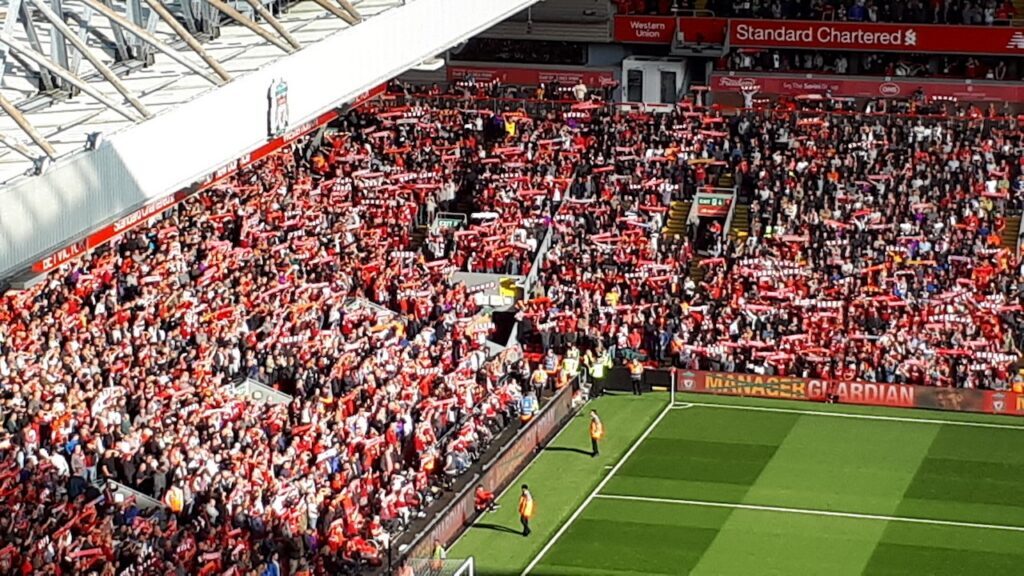
Pochettino’s first assignment could hardly be more demanding. Manchester United travel to Anfield on November 22 to face fourth-placed Liverpool, with the match scheduled for 4:30 p.m. GMT. The official Manchester United match centre lists the fixture details.
United have shown glimpses of their fighting spirit despite a disastrous league campaign. The team secured a remarkable 3-2 Champions League comeback victory against Roma after falling behind. Our Champions League Matchday Four coverage provides further context surrounding that European encounter.
One performance, however, cannot define Pochettino’s Manchester United tenure. Establishing defensive organization, improving confidence, and developing consistent attacking patterns will matter considerably more. Anfield should provide an early indication of the challenge ahead rather than an immediate verdict on his appointment.
End Of My Pochettino’s Manchester United Rant
Manchester United do not need another managerial appointment followed by another expensive squad overhaul. Pochettino deserves the opportunity to establish his philosophy, but the club must finally provide the structural support required to sustain it. The recruitment department, executive leadership and coaching staff must operate with a shared understanding of the club’s long-term objectives.
Pochettino’s Manchester United rebuild could become the beginning of a much-needed transformation at Old Trafford. The Argentine, however, cannot be expected to repair years of inconsistent decision-making without meaningful support from the hierarchy. Unless Manchester United changes the way they operate, another managerial reset could eventually become inevitable.
For more soccer news, updates, analysis and opinion articles, keep tabs on Stadium Rant’s soccer section.
