
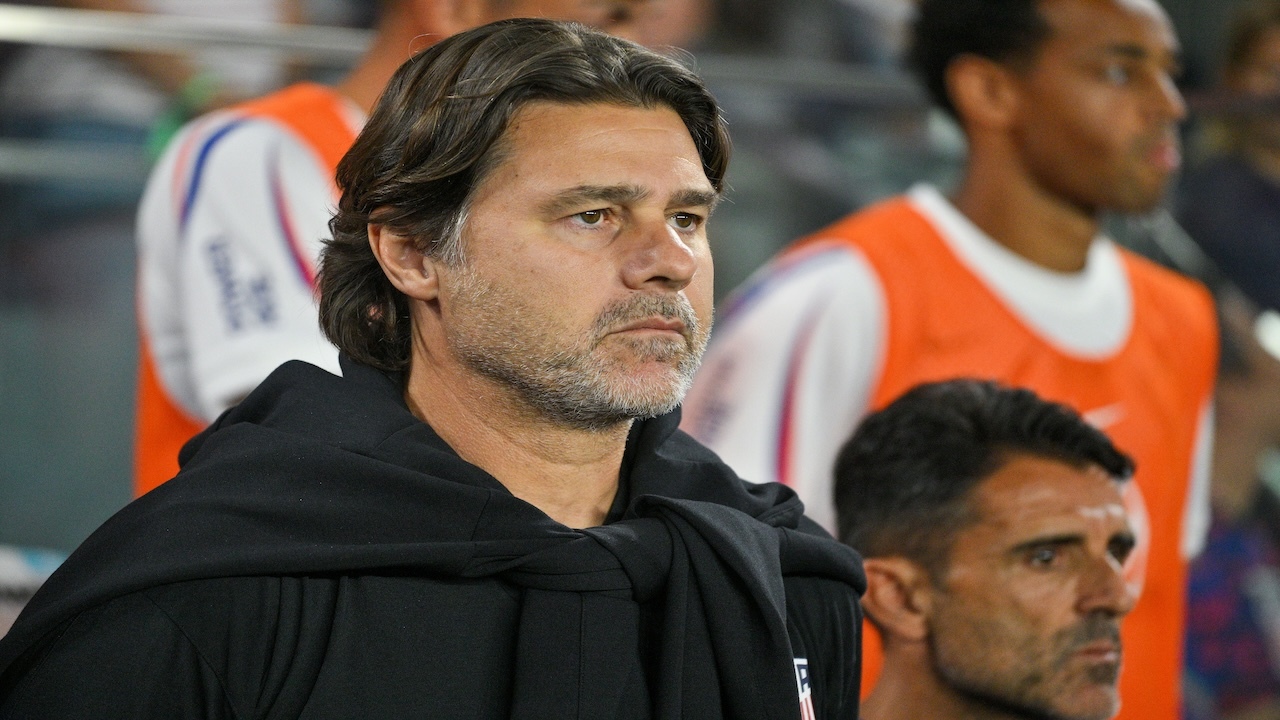
Manchester United have finally got the manager they have wanted for years, but Mauricio Pochettino is arriving at Old Trafford with a problem that has defeated several of his predecessors. The Argentine has agreed to become the club’s new head coach after Michael Carrick’s dismissal, bringing an end to his spell with the United States men’s national team. However, while Pochettino’s appointment will excite supporters, there are reasons to question whether another managerial change is enough to rescue a club that appears to have lost its direction.
United have officially confirmed Pochettino’s appointment, with the 54-year-old expected to begin work on November 18. He has signed a contract running until 2029 and will first complete his remaining international responsibilities with the United States.
For United, this is another attempt to find the right person to restore the club’s former standing. Yet, given what happened to Carrick, itis hard to ignore the possibility that the problems at Old Trafford extend far beyond whoever occupies the dugout.
Mauricio Pochettino Has the Experience, But Manchester United Are a Different Challenge
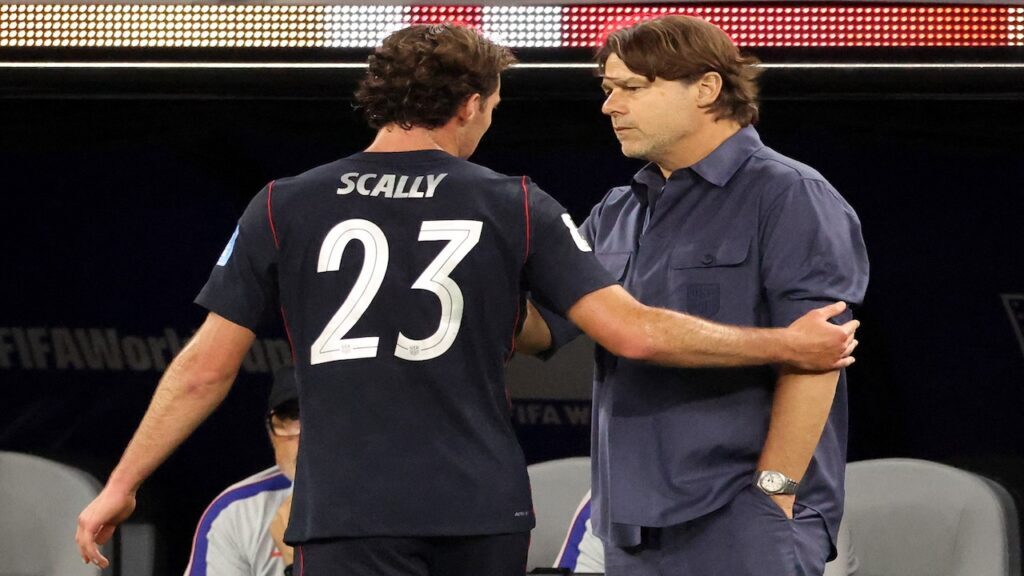
Joe Scally of the U.S. with U.S. coach Mauricio Pochettino after being substituted IMAGN IMAGES via Reuters/Kiyoshi Mio
There is a reasonable argument for believing Pochettino can succeed at Manchester United. His work at Tottenham remains one of the strongest parts of his managerial career, having transformed the North London club into regular Champions League contenders and guided them to the 2019 final.
He also enjoyed success at Paris Saint-Germain, winning the French league title and domestic trophies before moving to Chelsea. His reputation for developing young players, demanding high-intensity football and building competitive teams makes him an attractive appointment.
Manchester United, however, are not simply another club requiring a tactical improvement. They are an organisation where managerial appointments have repeatedly promised a fresh beginning without producing lasting progress.
Pochettino has also never won a major trophy in English football. That does not automatically make him unsuitable, but the expectations at Old Trafford are considerably greater than simply qualifying for the Champions League.
The question is whether he will be given the authority and time required to build something sustainable.
Michael Carrick’s Dismissal Should Worry the New Manager
Perhaps the most uncomfortable part of this appointment is what happened to the man Pochettino is replacing.
Carrick initially appeared to be exactly what Manchester United needed. After taking over in January, he guided the club to third place in the 2025/26 Premier League season. This was done by winning 12 of his remaining 17 matches and restoring some optimism among supporters.
That earned him a permanent contract in May. Just months later, he was gone.
United’s poor start to the new campaign ultimately proved too much. The club managed just one league victory in its opening ten matches and slipped into the relegation zone. A chaotic 4-4 draw against Aston Villa proved to be Carrick’s final game.
According to Sky Sports’ report on Carrick’s dismissal and Pochettino’s appointment, United’s hierarchy believed the squad was considerably better than its performances suggested.
That assessment might be correct, but it raises another question: if the squad is good enough, why have so many managers struggled to get consistent performances from it? Pochettino will now inherit the same group of players and many of the same structural difficulties that contributed to Carrick’s departure.
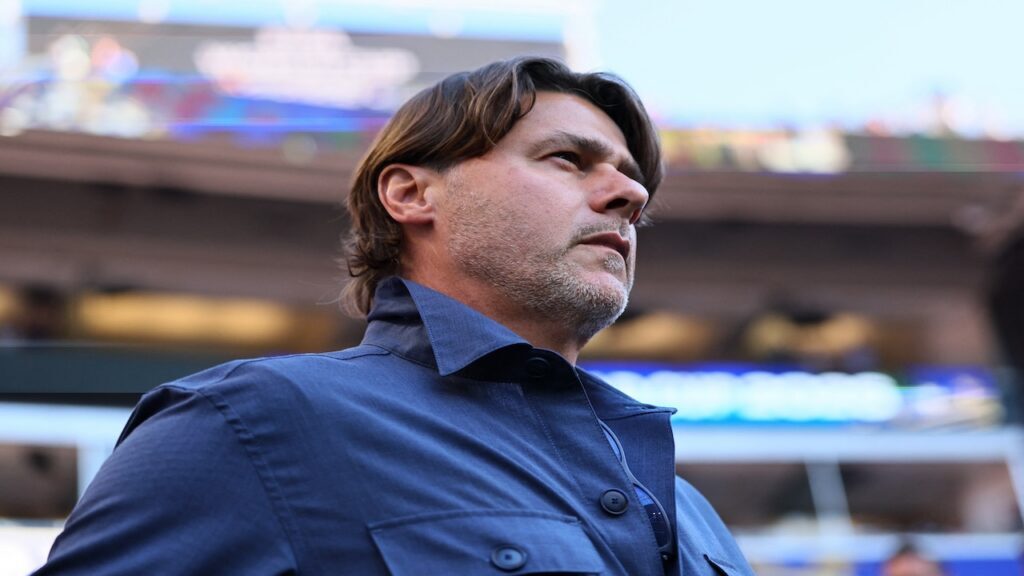
U.S. coach Mauricio Pochettino before the second half IMAGN IMAGES via Reuters/Blake Dahlin
Manchester United’s Problems Go Beyond the Touchline
United’s managerial history since Sir Alex Ferguson retired in 2013 offers little reason for optimism.
David Moyes, Louis van Gaal, Jose Mourinho, Ole Gunnar Solskjaer, Erik ten Hag and Ruben Amorim have all attempted to establish a successful project at Old Trafford. Some delivered trophies, others achieved impressive periods of football, but none managed to restore United’s long-term dominance.
The constant changes have created an uncomfortable pattern. Results deteriorate, the manager becomes the centre of criticism, another appointment follows, and supporters are asked to believe that the next project will finally be different. Changing the manager without addressing recruitment, squad construction, and decision-making risks repeating the same mistakes.
There is already concern among supporters about whether United’s hierarchy understands the scale of the problem. The Guardian’s collection of fan reactions to Carrick’s dismissal captures that frustration, with several supporters questioning the club’s leadership rather than blaming another departing manager.
Pochettino should therefore be judged not only by his tactical decisions but also by whether the club gives him the necessary support to make meaningful changes.
Liverpool Will Provide an Immediate Reality Check
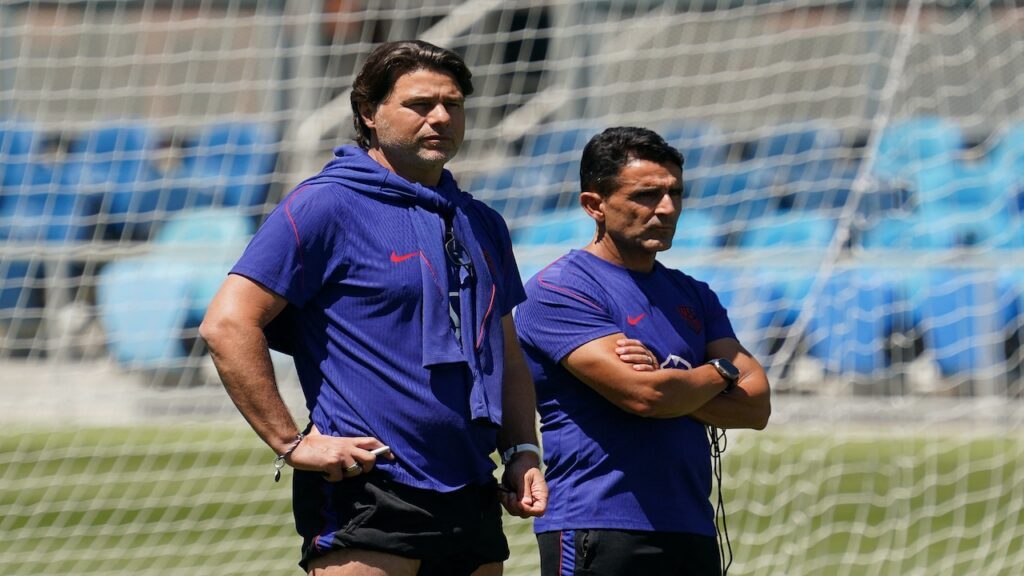
U.S. coach Mauricio Pochettino and assistant coach Jesus Perez during training IMAGN IMAGES via Reuters/David Gonzales
Pochettino will not have much time to settle into his new surroundings before facing one of English football’s biggest challenges. His first match is scheduled to be against Liverpool at Anfield on November 22. That is hardly an easy introduction, particularly for a manager inheriting a team struggling for confidence.
According to Sky Sports, Pochettino is expected to meet his new players and begin training after completing his international commitments with the United States.
The Liverpool fixture could provide an early indication of how much organisation and intensity he can bring to the team. Expecting an immediate transformation, however, would be unrealistic. His first priority should be restoring confidence, improving defensive organisation and establishing a clear identity.
United cannot afford another season of tactical confusion and inconsistent performances.
End Of My Mauricio Pochettino Rant: Pochettino Needs More Than Time to Succeed
Ultimately, Pochettino deserves an opportunity to demonstrate what he can do at Manchester United. His experience in England, his work with young players, and his ability to build competitive teams make him a credible appointment. Still, supporters should be careful about treating his arrival as the solution to everything that has gone wrong at Old Trafford.
The club has already watched several managers arrive with promising ideas before discovering that improving Manchester United requires much more than changing formations and selecting different starting elevens. Pochettino might be the right manager, but United must also prove they are the right club for him.
If the recruitment structure, squad planning and decision-making remain unchanged, his appointment could eventually become another chapter in the same frustrating story.
That is perhaps the biggest question surrounding Manchester United right now. Have they finally found the manager who can fix the club, or have they simply found another person who will be expected to carry its problems?
