
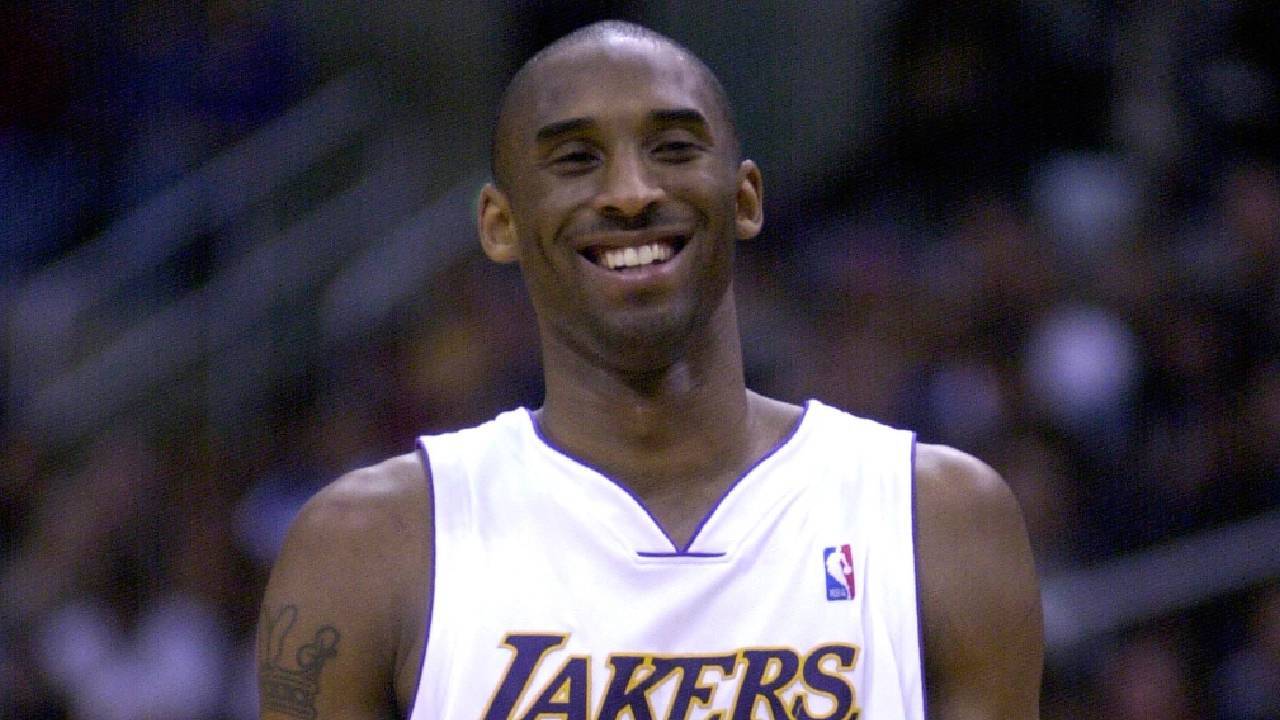
Kobe Bryant MVP history remains surprising because he finished his NBA career with just one regular-season MVP award despite producing several MVP-level seasons. The Los Angeles Lakers icon was not automatically entitled to every MVP trophy debated in hindsight. Tim Duncan, Steve Nash, and Dirk Nowitzki all had legitimate cases in 2003, 2006, and 2007.
Still, Bryant’s peak was strong enough to raise a legitimate question: should he have finished with more than one MVP? The most balanced answer is yes, but only one season stands out as a clear revision. Bryant probably should have finished with two MVPs, with the 2006 award representing his strongest case.
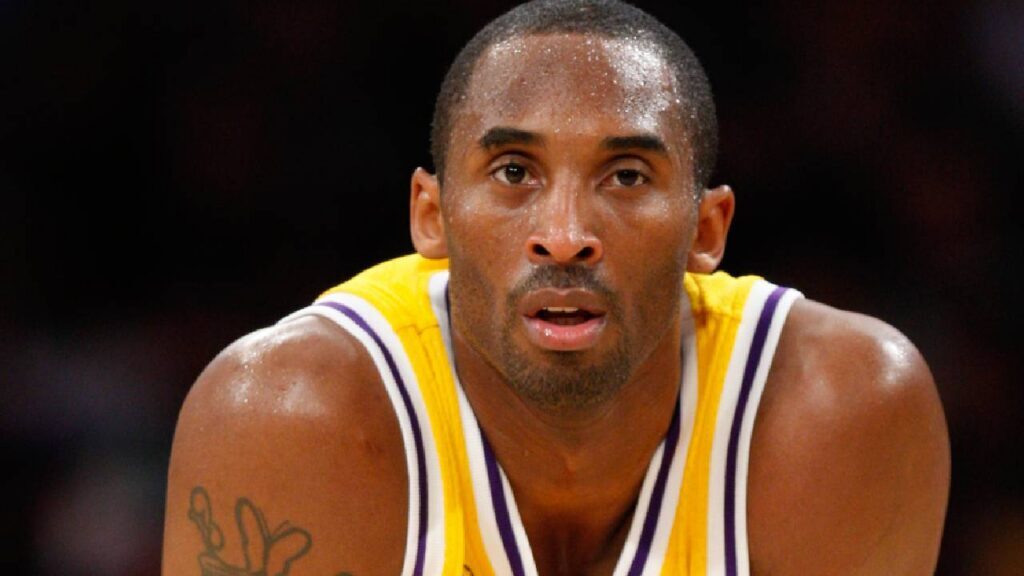
Regular-season MVP voting has never been a pure “best player alive” award. Voters weigh individual production, team record, availability, efficiency, defense, and how much a player elevates his roster. That standard explains why Bryant did not win every season he produced spectacular numbers.
Bryant’s best campaigns collided with dominant big men, elite team success, and Nash’s revolutionary offensive impact. Bryant’s lone MVP arrived in 2007-08, when he averaged 28.3 points, 6.3 rebounds, and 5.4 assists while leading the Lakers to 57 wins. The award was deserved. The more interesting question is whether voters overlooked a stronger season before finally rewarding him. Three earlier races define that debate.
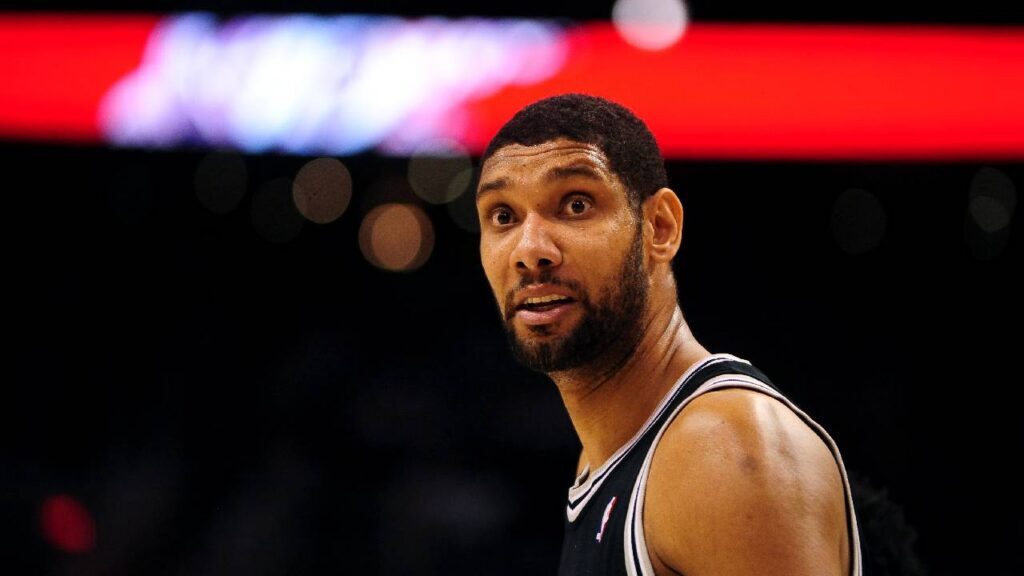
The 2002-03 season gave Bryant a huge statistical argument. Bryant averaged 30.0 points, 6.9 rebounds, 5.9 assists, and 2.2 steals while playing all 82 games. Bryant also earned First Team All-NBA and First Team All-Defense recognition.
The Lakers won 50 games, which was impressive but not dominant. Los Angeles also had Shaquille O’Neal, who averaged 27.5 points, 11.1 rebounds, and 2.4 blocks in 67 games. That supporting-star context made it harder to frame Bryant as a one-man force carrying an ordinary roster.
Duncan had the stronger combination of production and team success. The power forward led the San Antonio Spurs to a 60-22 record while averaging 23.3 points, 12.9 rebounds, 3.9 assists, and 2.9 blocks. Duncan’s 16.5 win shares added another measure of his impact, while 81 games played strengthened an already complete MVP profile
Kevin Garnett also finished ahead of Bryant after averaging 23.0 points, 13.4 rebounds, 6.0 assists, 1.4 steals, and 1.6 blocks for the Minnesota Timberwolves . Bryant placed third with eight first-place votes and 496 voting points, while Duncan received 60 first-place votes and 962 points. The complete 2003 MVP results show just how decisively Duncan won the race.
Bryant had a worthy 2003 season, but calling the result a robbery goes too far. Duncan combined elite two-way production with the Western Conference’s best record, giving voters a compelling reason to choose him.

The 2005-06 Kobe Bryant MVP case is where his argument becomes difficult to dismiss. Bryant averaged 35.4 points per game, the league’s highest scoring average since Michael Jordan’s 37.1-point season in 1986-87. Bryant added 5.3 rebounds, 4.5 assists, and 1.8 steals while playing 41.0 minutes per night. The shooting guard also scored 81 points against Toronto and produced four consecutive 50-point games late in the season.
Los Angeles needed nearly all of it. The Lakers finished 45-37, and Bryant’s supporting cast did not resemble the loaded groups attached to several other MVP candidates. Lamar Odom was productive, but Los Angeles lacked another All-Star-level scorer and relied heavily on players such as Smush Parker and Kwame Brown.
Advanced metrics reinforce how much offensive responsibility Bryant carried. The guard posted a 28.0 PER, a 7.6 Box Plus/Minus, and 8.0 VORP, while finishing with 15.3 win shares. Those numbers do not settle an MVP debate by themselves, but the metrics show that the case went far beyond raw scoring volume.
Nash still had an excellent argument. The Phoenix Suns won 54 games despite Amar’e Stoudemire missing almost the entire season, and Nash averaged 18.8 points and a league-leading 10.5 assists while shooting 51.2 percent from the field, 43.9 percent from three-point range, and 92.1 percent from the foul line. Nash’s 2006 statistical profile explains why voters had a legitimate alternative.
Contemporary MVP coverage also shows how difficult the race was to separate. ESPN’s Marc Stein described Nash, Nowitzki, LeBron James, Bryant, and Chauncey Billups as MVP-caliber candidates before placing Nash first. Stein highlighted Bryant’s 35-point scoring average and his ability to keep the Lakers competitive in a difficult Western Conference despite a thin supporting cast in his MVP analysis.
Nash ultimately won with 924 points and 57 first-place votes from 125 media voters. Bryant finished fourth with 483 points and 22 first-place votes. The MVP voting breakdown shows that Nash’s advantage reflected broad support across the ballot rather than only the first-place vote gap.
The voting system awarded 10 points for first place, seven for second, five for third, three for fourth, and one for fifth. Nash’s lead therefore reflected consistent placement across ballots, while Bryant’s 22 first-place votes demonstrate that a meaningful portion of the voting body viewed his season as the league’s most valuable.
Nash also produced a 12.4 win-share season and a .212 WS/48, while Bryant’s 15.3 total win shares exceeded Nash’s. The difference illustrates the heart of the debate: Nash’s efficiency and playmaking drove a 54-win Phoenix team, while Bryant’s enormous workload translated into historic production for a 45-win Lakers roster.
No argument requires Nash to be labeled undeserving. The Suns remained one of the NBA’s best teams without Stoudemire, and Nash was the central reason that happened. The stronger argument is that Bryant’s individual season was enough to overcome the team-success gap.

The following season gave Bryant another major scoring season. Bryant averaged 31.6 points, 5.7 rebounds, and 5.4 assists while shooting 46.3 percent from the field. First Team All-NBA and First Team All-Defense recognition again placed him among the league’s elite. Nowitzki, however, had an enormous team-success advantage.
Nowitzki averaged 24.6 points, 8.9 rebounds, and 3.4 assists while shooting 50.2 percent from the floor, 41.6 percent from three-point range, and 90.4 percent from the free-throw line. The Dallas Mavericks finished 67-15, one of the greatest regular-season records in NBA history at the time. The 2007 MVP results reflect the strength of Nowitzki’s case.
Dallas did not simply win a few more games than the Lakers. The Mavericks won 25 more games than Los Angeles, which finished 42-40. A 67-win team with an efficient All-NBA centerpiece creates a fundamentally different MVP case from a 42-win team, even when the latter has the league’s leading scorer.
Nowitzki received 83 first-place votes and 1,138 points. Nash finished second with 44 first-place votes, while Bryant placed third with two first-place votes and 521 points. Bryant had a strong case for second, but Nowitzki’s combination of efficiency, production, and overwhelming team success makes the 2007 result much harder to challenge than the 2006 vote.
Kobe Bryant should not have won three additional MVPs. Duncan’s 2003 season was too complete, and Nowitzki’s 2007 Mavericks were too dominant for either result to require revision. The 2006 race is different because Bryant averaged 35.4 points while carrying an offensively dependent Lakers roster into the playoffs.
Nash had a legitimate MVP season, and the voting result reflected the value voters placed on his efficiency, playmaking, and ability to keep Phoenix among the Western Conference’s best teams without Stoudemire. Bryant’s case rests on a different definition of value: individual production combined with an enormous share of his team’s offensive burden.
The 2006 MVP therefore represents the strongest case in the Kobe Bryant MVP debate that his résumé should contain one more regular-season trophy. Bryant’s 35.4-point season remains the clearest example of a Bryant campaign that deserved more recognition from MVP voters. The most balanced conclusion is that Bryant should have finished with two MVP awards, not four. The missing trophy was 2006.
