
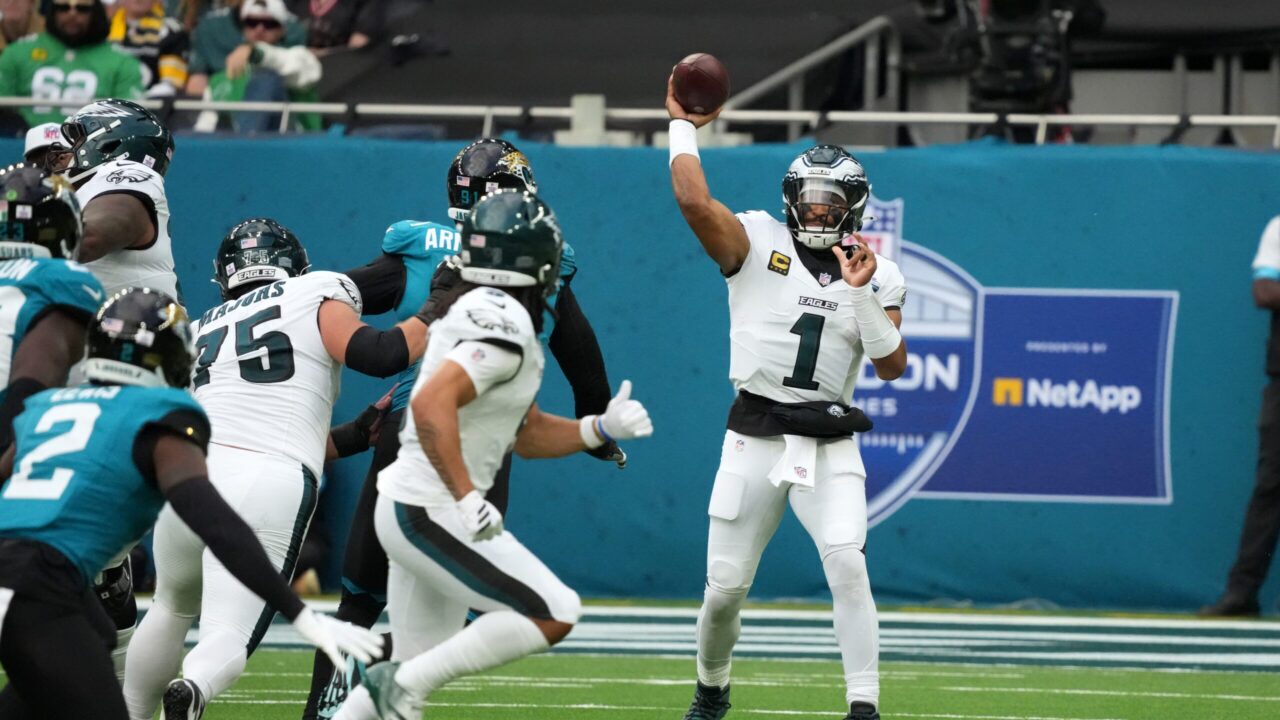
You have to be tough to play in the NFL, and toughness is what Jalen Hurts has emanated since his start with Philadelphia after being drafted second round in 2020. In the NFL, players are praised for battling through broken bones, ignoring pain, and dragging themselves onto the field when their bodies are screaming for them to stop. Somewhere along the way, football developed a dangerous habit of confusing toughness with invincibility. Jalen Hurts just became the latest example. Football has a funny way of making people forget that the men underneath those helmets are human.
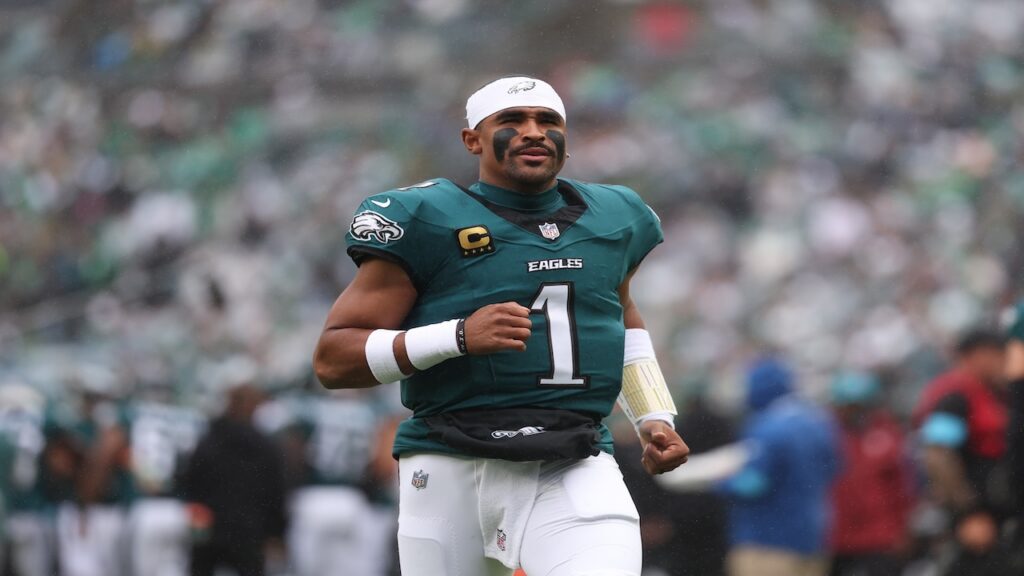
Every Sunday, millions of fans gather around television screens, wearing jerseys with their favorite players’ names across their backs. They cheer for crushing tackles, celebrate impossible touchdowns, and demand that their teams leave everything on the field.
The Philadelphia Eagles quarterback has been at the center of controversy following his absence from Sunday’s game against the Carolina Panthers. What initially appeared to be a relatively minor medical issue involving a blood clot in his calf has turned into something highly concerning and serious. Hurts has now been diagnosed with deep vein thrombosis (blood clots in the deep veins) and bilateral pulmonary emboli (clots obstructing pulmonary arteries in both lungs). This isn’t a sore ankle. It’s not a pulled hamstring. It definitely isn’t something a player can tape up, stretch out, or push through with enough determination or toughness.
Pulmonary embolisms can be fatal; and they are….about 30% of the time. This isn’t a rant about how no one can play football, it’s too dangerous, and there needs to be more pads, switch to two hand touch, protect the sport. The sport has always been tough. So have the players. As fans, we need to stop assuming players are invincible. You’ve heard it before…they get paid millions, they should be tough. They get paid well to perform. They don’t exchange an income for reduced quality of life.
Or death.
Players become legends for playing through broken bones, finishing games with significant injuries, and refusing to leave the field when common sense suggests otherwise. Fans call it heart. Coaches call it dedication. Teammates call it leadership.
It really can be all three.
Somewhere along the way, the line between courage and unnecessary toughness became dangerously blurred. NFL Network analyst Michael Robinson recently questioned whether Hurts was using his injury as an excuse to distance himself from the Eagles’ disappointing season. Following the announcement of Hurts’ more serious diagnosis, Robinson publicly apologized for his unfounded speculation.
An apology was warranted.
The larger issue extends far beyond one analyst’s comments. Why does an athlete have to prove that he’s sick enough to deserve compassion? Why does a medical diagnosis invite suspicion instead of concern? Why has professional football created an environment where choosing to protect one’s health can be interpreted as a lack of toughness? Jalen Hurts has spent years proving that he belongs among the NFL’s elite. He’s led his team to the sport’s biggest stage, endured criticism, battled adversity, and delivered a Super Bowl championship to Philadelphia.
What more could anyone possibly need him to prove?
The apology was appropriate. But the fact that it became necessary highlights a larger problem. When did a professional athlete’s medical diagnosis become an invitation to question their character?
This isn’t the first time this has happened.
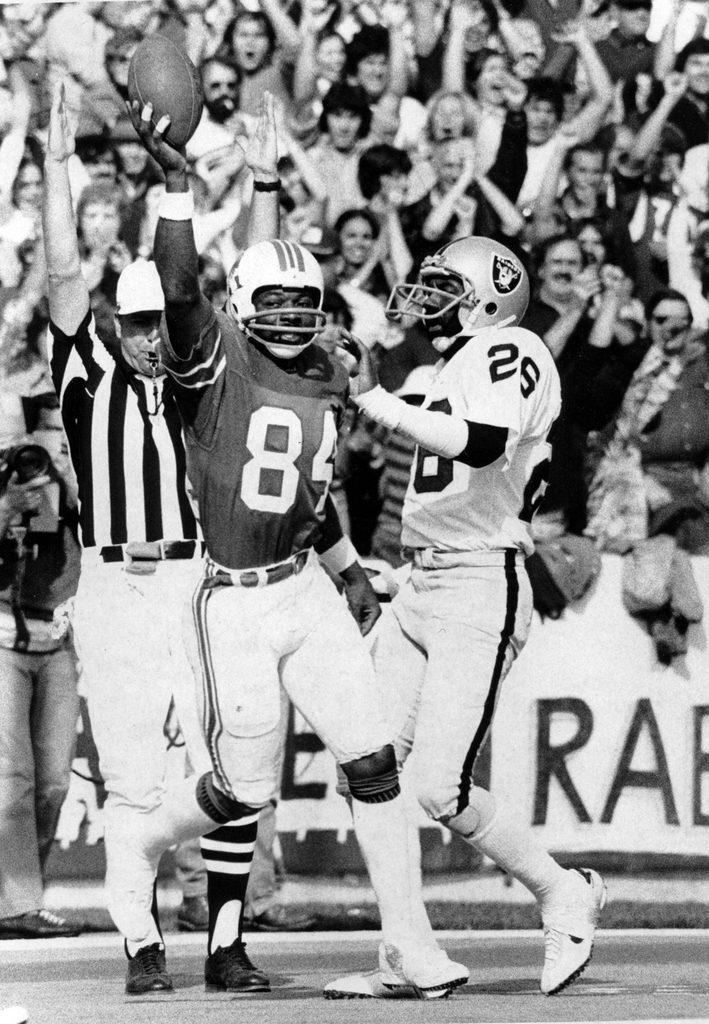
In 1978, New England Patriots wide receiver Darryl Stingley was paralyzed after a hard hit against the Oakland Raiders, ending his career. In 1991, Detroit Lions offensive lineman Mike Utley was paralyzed during a game against the Los Angeles Rams, ultimately ending his career. Utley lost the use of his legs after “an otherwise routine blocking play” when a Rams player ended up on top of him.
In 1999, Dallas Cowboys star wide receiver Michael Irvin was hit face-first by Eagles defensive back Tim Hauck. He was carted off, but the team diagnosed a “non-threatening” spine injury and wanted him to return. He was transported to a hospital anyway. This ended his career despite his Hall of Fame status. Doctors subsequently discovered Irvin had been born with cervical spinal stenosis and told him that this condition put him at higher risk for injury, including paralysis, if he suffered another blow to the neck or head. After being advised to stop playing football, Irvin announced his retirement in May 2000.
In the 2015 Super Bowl, Patriots wide receiver Julian Edelman was hit by Seahawks safety Kam Chancellor and staggered. No one checked on him, and he stayed in the game. The collision was violent, and many immediately speculated it was a concussion, given Edelman’s brief stumble and the fact that he was still able to continue playing. The Patriots later said he passed concussion protocols, but the lack of immediate concern drew criticism.
These incidents reveal a troubling pattern in professional football. Even when injuries are serious, the urgency of protecting players has sometimes been overshadowed by the pressure to keep the game moving. We treat the players more as entertainment than as human beings. Whether injuries were downplayed, players were cleared to return despite lingering concerns, or medical attention appeared dangerously delayed, the message was often the same; the game comes first.
While the NFL has made strides in player safety, these moments raise an uncomfortable question about accountability. How many warning signs have to be ignored before protecting the person inside the helmet becomes more important than the player wearing it?
Jalen Hurts is reportedly clinically stable, with doctors expecting a full recovery. This is encouraging, but his treatment requires anticoagulants, commonly called blood thinners, which help prevent existing clots from growing and new ones from forming. There’s a significant problem with taking those medications while playing professional football. Anticoagulants increase the risk of serious bleeding following an injury. In a sport involving repeated high-impact collisions, even an otherwise routine tackle could have devastating consequences, no matter how tough the player is.
Anticoagulants don’t actually make your blood thinner. They interfere with the body’s clotting process, reducing its ability to form potentially dangerous blood clots. That’s exactly what makes them essential for treating conditions like deep vein thrombosis and pulmonary embolism. Unfortunately, the same medications that help protect Hurts from another potentially life-threatening blood clot also increase his risk of serious bleeding if he suffers an injury.
Under normal circumstances, when a blood vessel is damaged, the body activates a series of clotting mechanisms to help stop the bleeding. Anticoagulants slow that process, meaning bleeding may be more difficult to control. Now consider what happens during an NFL game. A quarterback gets tackled, his head hits the turf, or a 250-pound linebacker introduces himself to his rib cage at full speed. These are relatively ordinary occurrences in professional football. For someone taking anticoagulants, however, the consequences of those collisions could be anything but ordinary.
One of the most concerning risks is internal bleeding, particularly bleeding inside the skull, known as an intracranial hemorrhage. A blow to the head can damage blood vessels and cause bleeding within or around the brain. Because the skull is a rigid, enclosed space, accumulating blood can increase pressure on delicate brain tissue, potentially leading to permanent neurological damage or death. A player doesn’t necessarily have to lose consciousness or immediately appear seriously injured for dangerous bleeding to occur.
Significant trauma to the chest or abdomen can also damage internal organs and blood vessels, creating bleeding that isn’t always immediately obvious from the outside. That’s why the medical concerns surrounding Jalen Hurts extend far beyond whether he feels strong enough to play. He could feel perfectly fine walking onto the field. He could run, throw, complete passes, and feel like the same quarterback who led Philadelphia to a Super Bowl championship. None of that would eliminate the increased bleeding risk associated with anticoagulation.
According to the Eagles, Hurts will not participate in contact activities while receiving blood thinners, and his medical team anticipates that he may resume contact football after completing treatment. He has been ruled out for the season. This isn’t about whether Hurts has the physical or mental toughness to take another hit. He’s already proven that countless times. It’s about recognizing that even the toughest athlete in the NFL can’t outmuscle a medication’s effect on the body’s ability to clot.
There are injuries a football player can push through. There are injuries that require rest, rehabilitation, and patience. And then there are medical conditions where pushing through could create a completely unnecessary, potentially catastrophic risk. Unlike a broken toe, pulmonary embolisms aren’t an injury that can simply be tolerated until the final whistle. Hurts isn’t choosing between playing football and dealing with a little discomfort. He’s facing a medical situation in which the wrong decision could carry consequences far beyond the scoreboard. He’s choosing life over death.
That’s tough.
According to the Eagles, an ultrasound performed in London revealed a superficial blood clot before Philadelphia’s October 11 matchup against the Jacksonville Jaguars. Following evaluations by medical professionals, Hurts was cleared to play. He subsequently participated in the game, and the team maintained that its medical decisions prioritized his safety. Further testing later revealed a more serious diagnosis.
That sequence raises understandable questions about medical decision-making and the pressure surrounding professional athletes. But the eventual diagnosis does not, by itself, establish that the original medical clearance was inappropriate. Those questions deserve careful examination, not speculation or accusations unsupported by the medical record. The NFL says Philadelphia’s medical handling was appropriate, while the NFL Players Association has called for an investigation.
There is????
Hurts is a Super Bowl champion, a franchise quarterback, and one of the most recognizable faces in professional football. He’s also a 28-year-old human being. That distinction gets lost surprisingly quickly when millions of dollars, playoff expectations, and frustrated fans enter the conversation.
The Eagles have football problems to solve. Their season may look very different without Hurts under center. Fans have every right to be disappointed about what his absence means for Philadelphia’s future. Disappointment over a football game should never outweigh concern for someone’s life. Hurts has already demonstrated his toughness on football’s biggest stage. He shouldn’t have to demonstrate it again by prioritizing his health. No touchdown, playoff berth, or Lombardi Trophy is worth a player’s life.
The toughest thing a player might do is to walk away. Professional athletes spend their lives learning to ignore discomfort. They are conditioned to push harder, run faster, and keep going when everyone else would stop. That mentality creates champions. But it also makes stepping away extraordinarily difficult. When an athlete’s identity, livelihood, and public reputation are tied to performance, protecting personal health can feel like surrendering the very thing that defines him.
It shouldn’t.
The NFL has made significant efforts to improve player safety, particularly surrounding concussions and traumatic injuries. But Hurts’ situation serves as another reminder that some of the most dangerous medical conditions aren’t visible beneath a helmet.
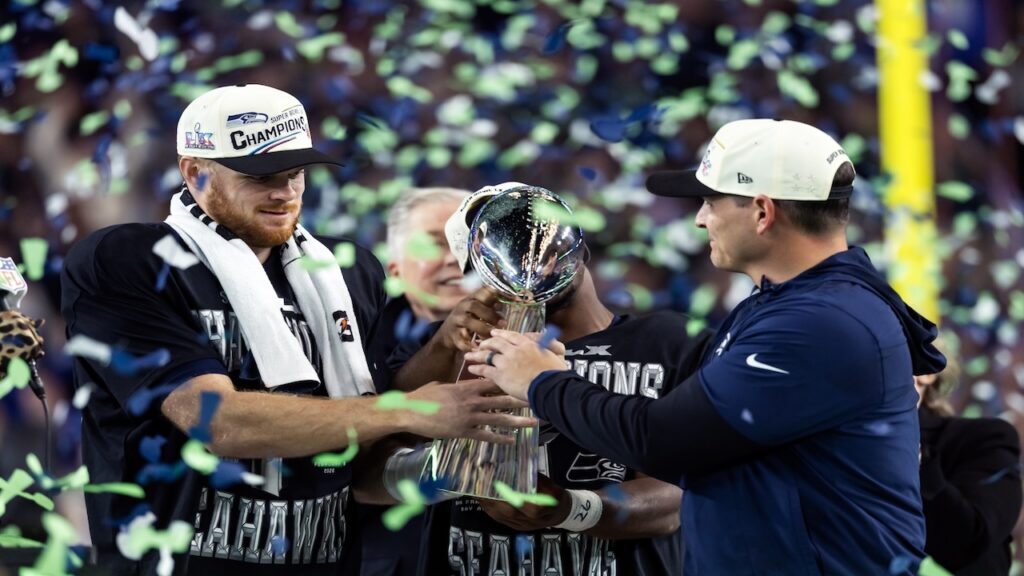
Every player who steps onto an NFL field dreams of the same thing: the confetti falling, the crowd roaring, and the indescribable feeling of lifting the Vince Lombardi Trophy above their head. It’s the culmination of years of sacrifice, determination, and dreams that began long before the bright lights of an NFL stadium. What good is reaching the pinnacle of your career if the price is sacrificing the years that come after it?
The greatest victory shouldn’t be measured solely by the number of championships won or trophies collected. It should also be measured by the opportunity to walk away, watch your children grow up, grow old alongside the people you love, and look back on a career without wishing you had sacrificed a little less of yourself.
Hurts has given fans countless reasons to celebrate. He’s given Philadelphia unforgettable victories, remarkable performances, and moments that turn professional athletes into household names. Now it’s time for football to give something back.
Patience. Privacy. Compassion. And the freedom to recover without having his toughness or commitment questioned.
Nobody knows exactly what Jalen Hurts’ football future will look like. His medical team is optimistic, and there is every reason to hope that his story includes many more Sundays.
Whether he returns this season, next season, or eventually decides that football is no longer worth the risk, his value as a human being will remain exactly the same. A day comes, ultimately, where every player hangs up his helmet. The stadium lights go dark. The cheering stops. The jerseys disappear into closets, and another generation of athletes takes the field. When that day comes for Jalen Hurts, the hope should be that he gets to walk away healthy enough to enjoy everything he worked so hard to build.
The NFL can replace a quarterback. A family can’t replace the person underneath the helmet.
No football game will ever be more important than making it home alive.
