

The India vs Japan T20I result produced a stunning two-run finish at the Sano International Cricket Ground on Tuesday. India made 32/4 in a rain-shortened five-over contest before restricting Japan to 30/3 in the first-ever men’s T20I between the nations. Japan stayed in contention until the final ball, with Axar Patel’s closing over and a disputed wide decision becoming the defining moments of India’s narrow victory.
The match was delayed by more than two hours because of a wet outfield, with repeated inspections required before play could begin. Heavy moisture and a slow surface eventually forced both teams into a five-over shootout. The unusual conditions transformed what was expected to be a routine fixture into one of India’s most uncomfortable contests of the year.
Brief Scores: India 32/4 in 5 overs (Shreyas Iyer 16; Charlie Hara-Hinze 2/17) beat Japan 30/3 in 5 overs (Kendel Kadowaki-Fleming 12; Benjamin Ito-Davis 9; Washington Sundar 2/13) by two runs.
India’s decision to bat first did not go according to plan as Japan’s spinners immediately exploited the difficult conditions. Charlie Hara-Hinze removed Abhishek Sharma for a golden duck, while Ibrahim Takahashi dismissed Sanju Samson for nine after the ball turned sharply. Ishan Kishan followed for three as India’s top order struggled to find timing against Japan’s spin-heavy attack.
India were reduced to 14/3 after three overs, leaving Shreyas Iyer with the responsibility of rebuilding the innings. Iyer top-scored with 16 off 12 balls and struck one of India’s two boundaries, but Japan continued to restrict the scoring rate. Hara-Hinze finished with 2/17 as India eventually reached only 32/4 from their five overs.
The low total reflected both Japan’s bowling discipline and the conditions at Sano. India had little time to adapt in a five-over innings, while the surface offered sharp turn, uneven bounce and limited value for attacking shots. Japan’s spinners consistently forced India’s batters to manufacture scoring opportunities rather than play naturally.
Japan needed 33 to create one of the biggest upsets in the fixture’s history, but the hosts approached the chase without backing away from the challenge. Captain Kendel Kadowaki-Fleming scored 12, while Benjamin Ito-Davis added nine to keep Japan within striking distance. The chase remained alive because Japan found boundaries during the middle overs despite India’s decision to rely heavily on spin.
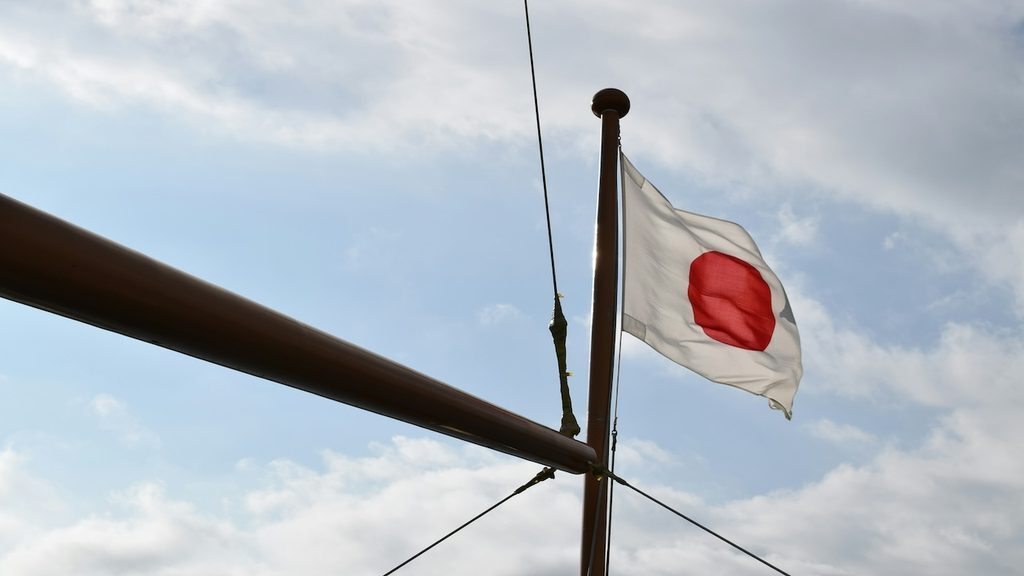
Axar Patel opened India’s defence with an economical over that also featured a run-out involving Lachlan Yamamoto-Lake. Washington Sundar then removed Ibrahim Takahashi after the batter had earlier struck him for four. Sundar also dismissed Kadowaki-Fleming for 12 at the end of the fourth over, leaving Japan needing eight runs from the final six balls.
The required equation still gave Japan a realistic chance of completing the upset. Japan had reached 25/3 after four overs, while India’s bowlers had little margin for error with only 32 on the board. Sundar finished with 2/13, making his spell one of the key reasons India were still ahead entering the final over.
Axar Patel returned to bowl the final over with India defending eight runs. The over began with a dot ball before Benjamin Ito-Davis and Alexander Shirai-Patmore collected singles. The tension increased when a delivery down the leg side was initially called a wide.
India captain Shreyas Iyer questioned the decision, and the officials subsequently reversed the call. The delivery was declared legal, meaning Japan lost the additional run and the ball counted among the remaining deliveries. The decision became a major talking point because Japan eventually finished only two runs short.
The controversy also raised questions about whether an umpire could reverse a wide decision after signalling it. ICC T20I playing conditions allow an umpire to correct a decision promptly when the correction is made within the permitted window. The reversal therefore did not automatically mean the officials had breached the playing conditions.
The final over still demanded excellent execution from Axar. Japan could not find the boundary required to complete the chase, and India held on for a 32-30 victory. Axar conceded only seven runs across his two overs, while the final six deliveries turned an uncomfortable contest into a narrow Indian escape.
The India vs Japan T20I was historic before the result was decided because it marked the first men’s T20I meeting between the nations. The fixture was also part of events marking 75 years of India-Japan diplomatic relations. Japan’s performance gave the occasion additional significance by turning the match into a genuine contest.
India also registered a landmark statistical achievement with the victory, becoming the first men’s team to reach 200 T20I wins. The milestone was almost overshadowed by the manner in which the result arrived. India entered the final over with only a narrow advantage and needed Axar to protect a total that looked below par.
The result also highlighted the importance of adapting to conditions rather than relying purely on batting depth. Japan’s spinners prevented India’s top order from establishing control, while India’s own spin attack eventually proved decisive during the chase. The difference between the teams came down to execution in the most important moments rather than a dominant performance from India.
Two runs separated India from one of the biggest upsets of the T20I year. Japan took the chase to the final ball despite facing a three-time T20 World Cup-winning side, while India’s batting lineup managed only 32 runs in five overs. The narrow margin also ensured that the late wide reversal became impossible to ignore when assessing the final result.
India ultimately held their nerve, but Japan left Sano with considerable credit after exposing weaknesses in India’s batting approach. The Japanese spinners controlled the opening innings, and their batters continued attacking during a chase that could easily have disappeared after early wickets. The performance suggested Japan will not be an easy opponent when the teams meet during the Asian Games.
India now turn their attention to the Asian Games, where their men’s campaign begins in the quarter-finals on September 28. Japan will begin its Asian Games campaign against Afghanistan on September 24 before facing Nepal on September 26. The two teams leave this historic T20I with very different results, but Japan’s two-run defeat has given the hosts plenty of confidence heading into the tournament.
