
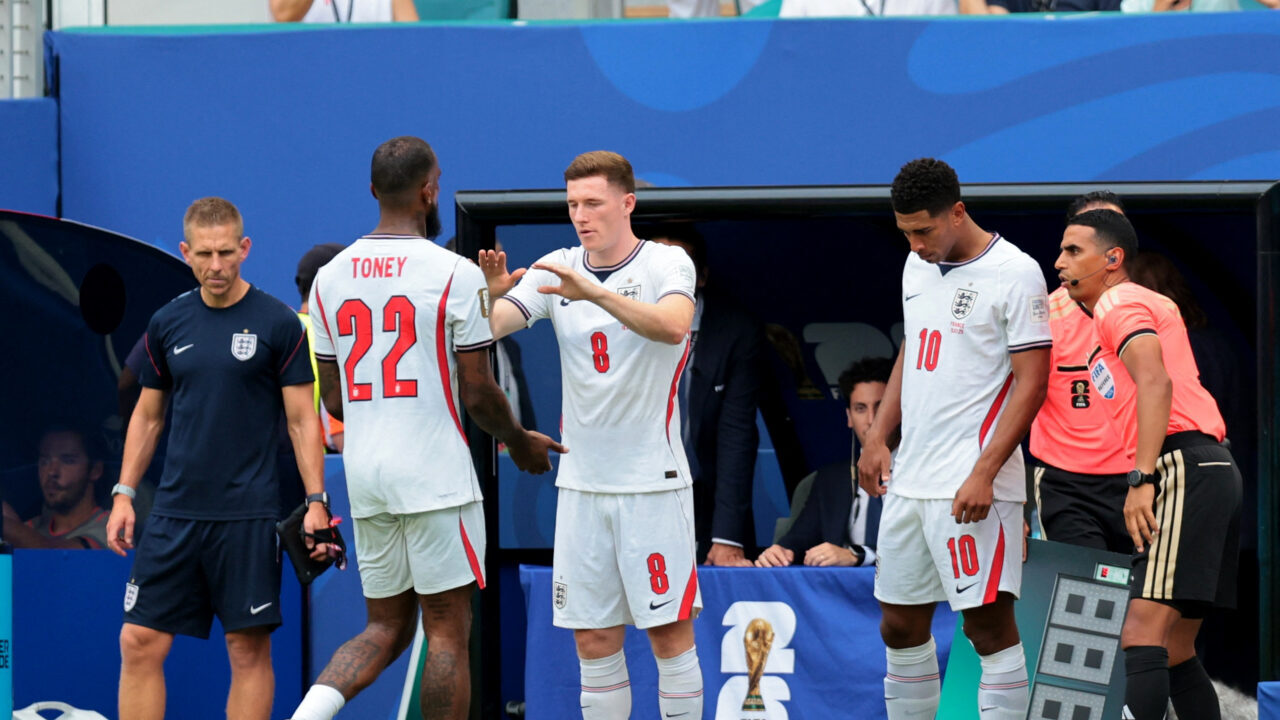
Spend five minutes looking at this summer’s biggest transfer stories and a pattern quickly emerges.
Chelsea, Arsenal, Manchester United, Manchester City, and Real Madrid aren’t simply buying the best footballers available — they’re chasing remarkably similar profiles.
Versatility, athleticism, and positional flexibility have become more valuable than pure specialism with recent football transfer trends. Modern football has changed, and recruitment departments are adapting with it.
Here’s why this is happening, which player profiles are suddenly worth the most, and which clubs are leading the shift.
The tactical backdrop to all of this is simple: elite football is played at a higher intensity, with more pressing and faster transitions, than it was even five years ago.
Teams that press aggressively need players who can do more than one job in the ten seconds after losing the ball — chase back, cover a teammate’s position, and then immediately help build the next attack once possession is won back.
A specialist who only excels in one phase of play, attacking or defending, becomes a liability the moment the game shifts out of his comfort zone. That single shift in how matches are actually played is the root cause of almost everything else in this piece.
Chelsea’s pursuit of Morgan Rogers wasn’t framed by reporting as a hunt for a winger, or a No. 10, or a second striker specifically.
It was described simply as the club actively pursuing a versatile attacking player — someone capable of playing across th e front line depending on what a given match required.
Arsenal wanted him too, with England teammate Declan Rice reportedly working to recruit him to the Emirates, before Chelsea won the race with a £117 million bid.
Two of the Premier League’s biggest clubs fighting over one player is normal. Both of them wanting him for the same reason — his ability to play No. 10, left-sided attacker, or second striker without a system needing to be rebuilt around him — is the more interesting story.

The clearest version of this trend is happening in central midfield, where the old distinction between a defensive No. 6, a box-to-box No. 8, and a creative No. 10 is breaking down into a single job description: a midfielder who can do all three depending on the phase of play.
At this year’s World Cup, 18-year-old Ayyoub Bouaddi drew attention for exactly that reason, controlling Morocco’s midfield against Brazil by winning duels, carrying the ball forward, and dictating tempo in the same 90 minutes.
Switzerland’s Johan Manzambi did something similar coming off the bench, contributing goals while remaining tactically disciplined enough for his manager to trust him defensively.

Manchester United and Manchester City were both reportedly monitoring Nottingham Forest’s Elliot Anderson before City won the race with a £116 million bid.
He is a player valued as much for his passing range and ability to both break up play and drive forward as for fitting one narrow defensive-midfield job description.
The same logic has reshaped what clubs want from wide attackers. A traditional winger whose entire game is beating a full-back on the outside and crossing is a much narrower asset than a forward who can operate wide, cut inside as a second striker, or drop deeper to combine through midfield.
Yan Diomandé’s breakout World Cup for Ivory Coast fits this mold exactly — Opta confirmed he became the only player this century to record 10-plus dribbles and create 10-plus chances across his first three tournament matches, production that came from drifting across the width of the pitch rather than staying pinned to one touchline.
He was reportedly linked to top clubs after the tournament ended, with a market valuation reportedly climbing past €100 million — exactly the kind of multi-club scramble that tends to follow a player whose game isn’t limited to a single position.
If clubs needed final proof this profile works under maximum pressure, the World Cup provided it in real time.
Bouaddi outplaying Brazil’s veteran midfield, Diomandé’s record-setting dribbling and chance creation numbers, Freeman’s progressive passing for the United States.
Manzambi’s swing from bench player to matchwinner for Switzerland, even 40-year-old Cabo Verde goalkeeper Vozinha’s calm distribution from the back — every one of those breakout stories involved a player doing more than his position traditionally required.
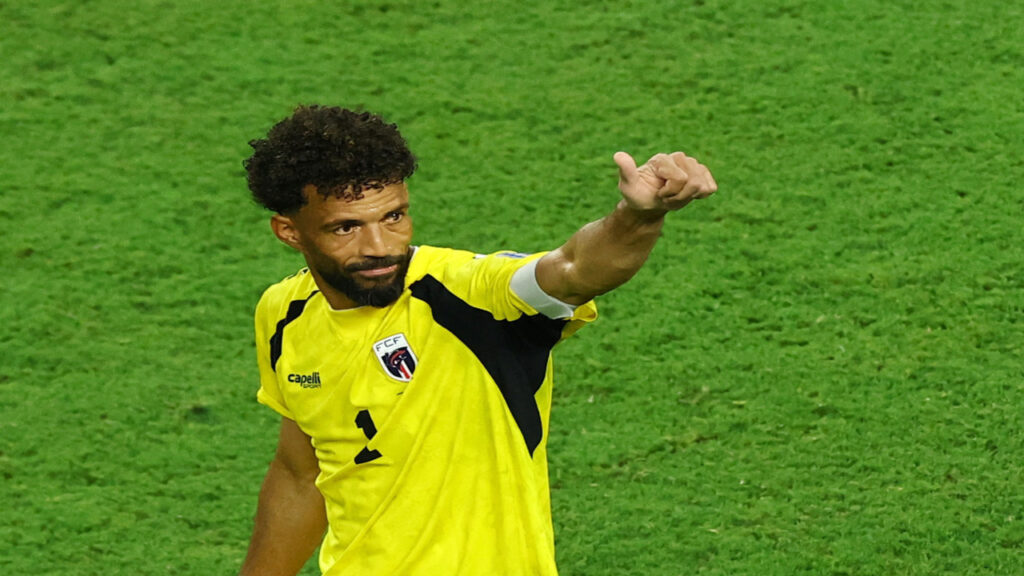
Watching those qualities hold up against elite opposition on the sport’s biggest stage only sharpened recruitment departments’ conviction that this is where value in the transfer market currently sits.
A handful of clubs are setting the pace when it comes to football transfer trends, embracing multifunctional players rather than specialists.
Andoni Iraola, who took over at Liverpool this summer, has prioritized young, versatile footballers capable of filling multiple tactical roles as his rebuild takes shape.
Chelsea’s business under Xabi Alonso has centered on players who can occupy several attacking positions instead of one fixed role, while Manchester City’s pursuit of Elliot Anderson reflected the same emphasis on midfield flexibility.
These football transfer trends suggest that identifying adaptable players before they become global stars offers a significant competitive advantage in the transfer market.
One of the clearest consequences of modern football transfer trends is the declining demand for the classic No. 10.
Traditionally, creative midfielders were judged almost entirely on vision and chance creation, with little expectation to defend or carry the ball over long distances.
Today’s elite clubs expect attacking midfielders to press aggressively, win duels, progress possession, and cover multiple zones during transitions. As a result, a purely creative playmaker has become increasingly difficult to accommodate in top-level systems.
The players still thriving in advanced roles are those who have evolved into complete, all-phase footballers—further evidence that today’s football transfer trends reward versatility over specialization.
The modern obsession with versatility marks a significant shift from how Europe’s elite clubs built squads a decade ago. During the early 2010s, recruitment focused on specialists — players expected to dominate one position rather than multiple roles.
When Real Madrid signed Mesut Özil in 2010, they acquired one of the world’s purest No. 10s. Özil’s value came almost entirely from his vision, creativity and final pass.
Two years later, Chelsea’s move for Eden Hazard followed a similar philosophy.
Hazard was signed as a left-sided attacker whose job was to beat defenders, create chances and score goals. While he often drifted centrally, few expected him to contribute heavily in pressing or defensive transitions.
Even Kevin De Bruyne’s rise into one of football’s greatest midfielders began with a more clearly defined creative role.
During his early years at Wolfsburg and the beginning of his Manchester City career, his reputation rested primarily on elite chance creation and crossing rather than being the complete all-phase midfielder he would later become under Pep Guardiola.
Today’s recruitment landscape looks very different. Instead of searching for the next specialist playmaker or winger, clubs increasingly prioritize footballers capable of influencing every phase of the game.
The modern transfer market is no longer about buying the biggest name.
I’s about buying the most adaptable footballer. As tactics continue evolving, clubs aren’t competing for identical players by accident — they’re responding to the same tactical demands with the same solution.
The teams that identify those profiles first, rather than chasing them after a breakout World Cup or a bidding war with a rival, are the ones most likely to define the next era of European football.
