
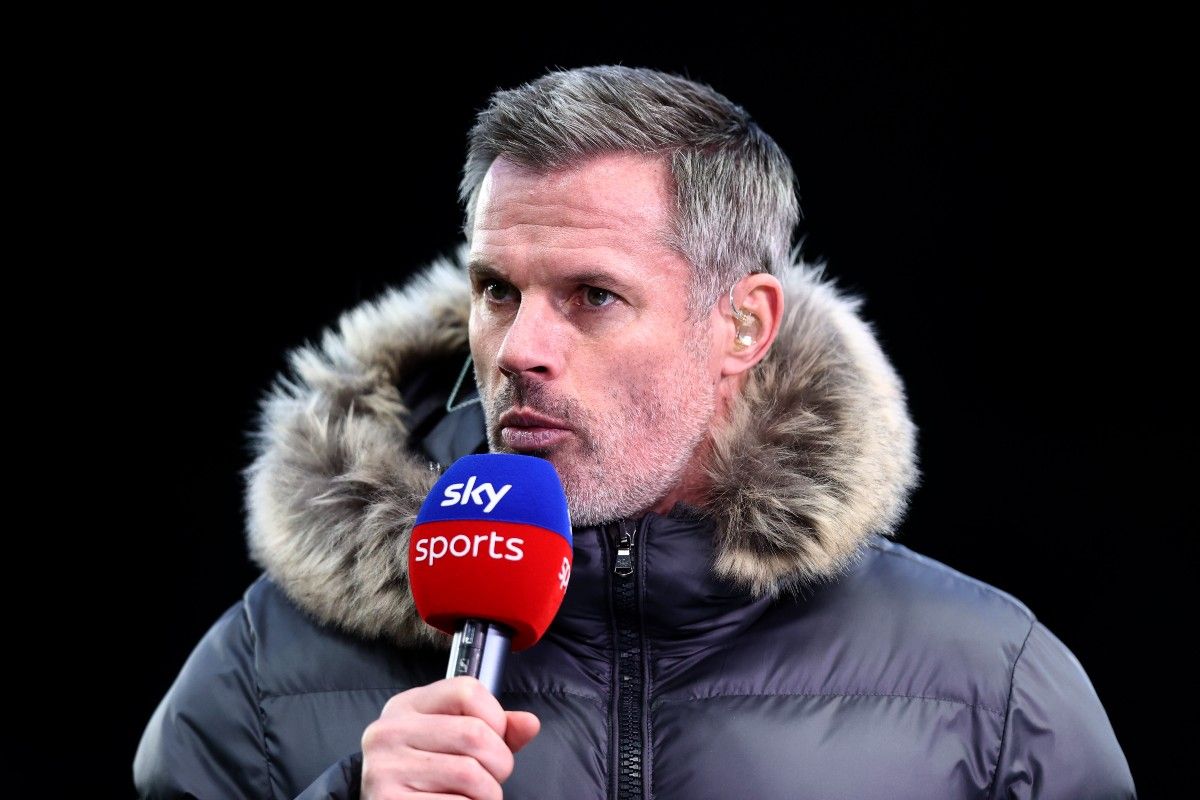
Football (soccer) punditry makes up a considerable amount of the media coverage, whether through sports radio, podcasts, or major network panels. Pundits and analysts aim to serve as a link between the complex nature of professional football and its fans. This form of commentary has been around the game for decades, but it is facing the unique challenge of competing for consumer attention with more and more sources. Like any media, there’s a spectrum of quality and truth, but this spectrum seems to widen continually with the help of social media.
Pundits know that social media can take the most innocuous comments and turn them wicked. This, however, does not spur them to be more responsible with their opinions or careful with their words. On social media’s many football accounts, one can often see an image of a pundit and their quote chopped up with ellipses and brackets.
This is one way that many football memes and troll accounts weaponize punditry to spew hate. Football and the media have had a contentious relationship, whether it be from small rags publishing fake stories, to managers storming out of press conferences. Without fail, these instances end up on social media, contorted to whatever end fits a specific narrative.
Just use the case of England’s Myles Lewis-Skelly or Ethan Nwaneri. These two teenagers have been starting weekly for Arsenal, the second-best team in the English Premier League, and have remained humble considering their achievements at such a young age. Nevertheless, former players turned pundits take every opportunity to tell these kids to “keep their feet on the ground.”
To those who have been around the game, this isn’t friendly advice and speaks to a knee-jerk reaction to tear down. This is just a recent example, but those types of comments have been haunting players for years. It almost creates a self-fulfilling prophecy, by which a player shows his confidence, but it is instead viewed as arrogance because of the reporting.
Footballers, especially those who break into the first team so young, must be confident in their abilities, so to weaponize that quality is dangerous for a player’s progress. None of this is new information, but the risk that these false perspectives make their way to casual or less knowledgeable fans potentially limits interest in the professional game, particularly in the United States.
The footballing misinformation comes at a time when soccer in the USA has never been more popular. For example, the number of people who have been soccer fans for 5 years or fewer is up 57% compared to 2023, and the number of first-time fans is up 400% year-over-year (Forbes). This means that a lot of novel fans are taking to the game, which is amazing and necessary considering the talent in the country. This also means, however, that the number of interactions with one of those distorted quotes, memes, or even articles increases as well.
Therefore, professional punditry and its pundits have an even greater responsibility to foster positive comments for players. While these observations may seem well-known, the problems remain and in some ways, strengthen. Part of the problem is that consumers engage more readily with the negative, and this is something fans need to change too.
Readers fuel the reporting, so engaging less with the stories that highlight flaws will alter the connotation of the stories As the game grows, rightfully so, pundits and analysts need to find a balance between annihilation and worship so that the new fans can, too.
If you love sports, download Stadium Rant from the Apple App Store and join one of the fastest-growing social sports communities. Be sure to follow us on socials too — you can find all our profiles on our Linktree.
