
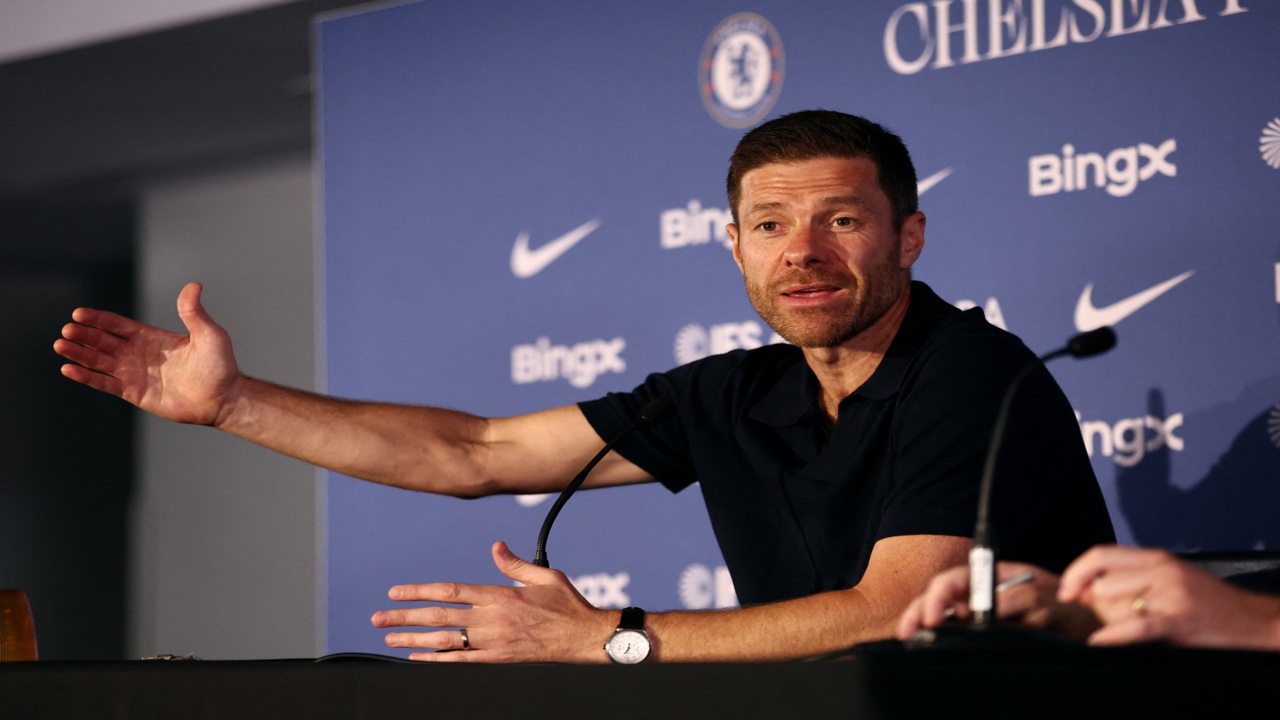
Chelsea 6-3 Leeds was, on the surface, a chaotic Carabao Cup thriller that had no business being close after Leeds led 2-0 early in the second half.
Inside a nine-goal, four-substitution fightback was a smaller, more interesting story: the midfielder Xabi Alonso started in a heavily rotated XI wasn’t just there to make up numbers.
Valentin Barco scored, he played the full 90, and he did it days after Chelsea’s midfield had been exposed in defeat to Arsenal.
Daniel Farke’s Leeds led 1-0 at half-time through Tarik Muharemovic’s header, then made it 2-0 three minutes into the second half via Brenden Aaronson.
Alonso responded by making four changes at the interval — Cole Palmer, Pedro Neto, Morgan Rogers and Reece James all came on — and the game turned completely.
Palmer scored twice in two minutes, the first a penalty, to level it at 2-2. Pedro Neto put Chelsea ahead, Danny Welbeck made it 4-2.
Dominic Calvert-Lewin pulled one back for Leeds at 4-3, and then Valentin Barco scored his first goal for the club to make it 5-3, before Welbeck completed the scoring deep into stoppage time.
Barco wasn’t part of that half-time substitution wave. He started the match in midfield alongside academy prospect Reggie Watson, in a Chelsea XI showing nine changes from Sunday’s defeat to Arsenal.
The Argentinian played the full 90 minutes and got his goal only after Palmer, Neto and Welbeck had already turned the game around — which matters, because it means Barco wasn’t the headline act of the comeback.
Barco was the player still on the pitch, still contributing, once the game had already been won.

This goal doesn’t happen in a vacuum. Two days earlier, Chelsea’s midfield had been identified as the team’s biggest vulnerability in the 2-1 defeat to Arsenal, with Alonso having to improvise in the middle of the pitch because of Moisés Caicedo’s continued absence.
Caicedo and Jordan Henderson remain unavailable, and Enzo Fernández left for Manchester City for a reported £125 million fee without a direct replacement arriving before the deadline.
Alonso himself addressed this depth question directly last week, and his answer is worth revisiting now: “We have different qualities and personalities.
Players like Valentin — he’s young but has come with great energy… And with Rom, Moi, Reece, Malo can play there, Watson as well, Mahdi from the Academy, we have options.
We need to have the right balance and within that we have quality and competitiveness for all the season and to face each opponent,” Alonso told Chelsea’s official site.
Barco was one of the names Alonso specifically volunteered when asked about his midfield options — not an afterthought, but part of the answer he already gave before this game was even played.
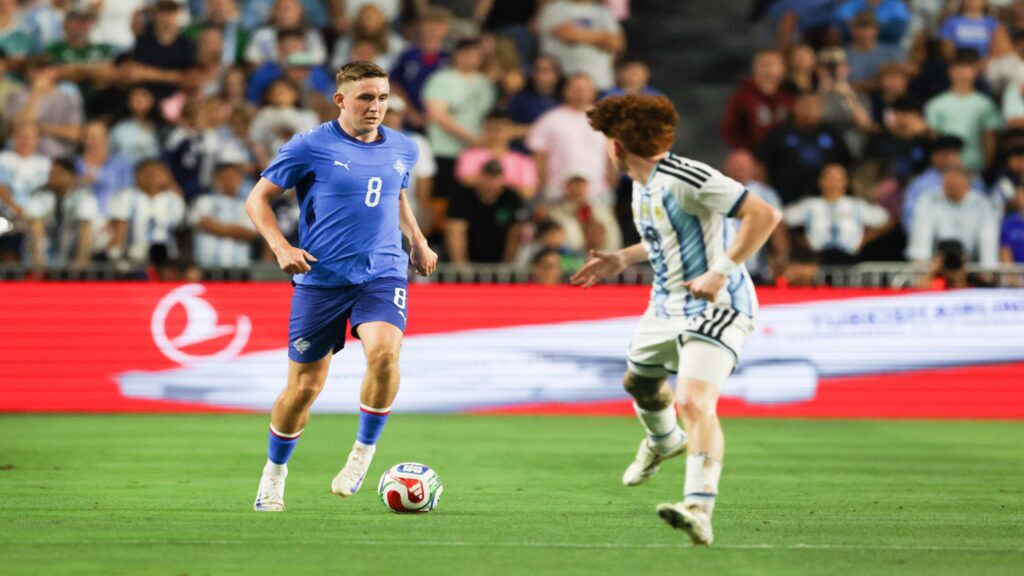
It would be easy — and wrong — to argue Barco is now a solution to Chelsea’s biggest midfield hole.
Barco isn’t a Caicedo replacement, and nothing about a Carabao Cup goal against second-tier opposition changes that. Caicedo’s absence is a defensive and ball-winning problem;
Barco, by Alonso’s own description, is valued for his energy and technical qualities, not for shielding the back line.
The more interesting question is narrower: does Chelsea’s midfield need a different profile at times — someone offering progression and passing quality rather than another pure defensive midfielder — and is Barco already doing enough to be trusted with that role more regularly?
Alonso has already used four different midfield combinations across his first four matches in charge, with Barco, Romeo Lavia, Malo Gusto and James all starting there at various points.
That’s a manager actively searching for the right balance, not one who’s settled on an answer.
Barco’s goal against Leeds won’t force Alonso’s hand — a Carabao Cup third-round tie against a heavily changed Leeds side isn’t the evidence that reshapes a Premier League midfield.
It’s a data point in a system that’s clearly still being worked out, at a moment when Chelsea’s midfield is under real scrutiny. Was Barco actually part of the solution Alonso needed after Arsenal? Not on his own.
Barco did exactly what you’d want from a squad option in a rotated cup lineup: he started, he lasted the full game, and he found the net.
Whether that’s enough to change how often he features in Alonso’s Premier League midfield is the question this result raises rather than answers.
