
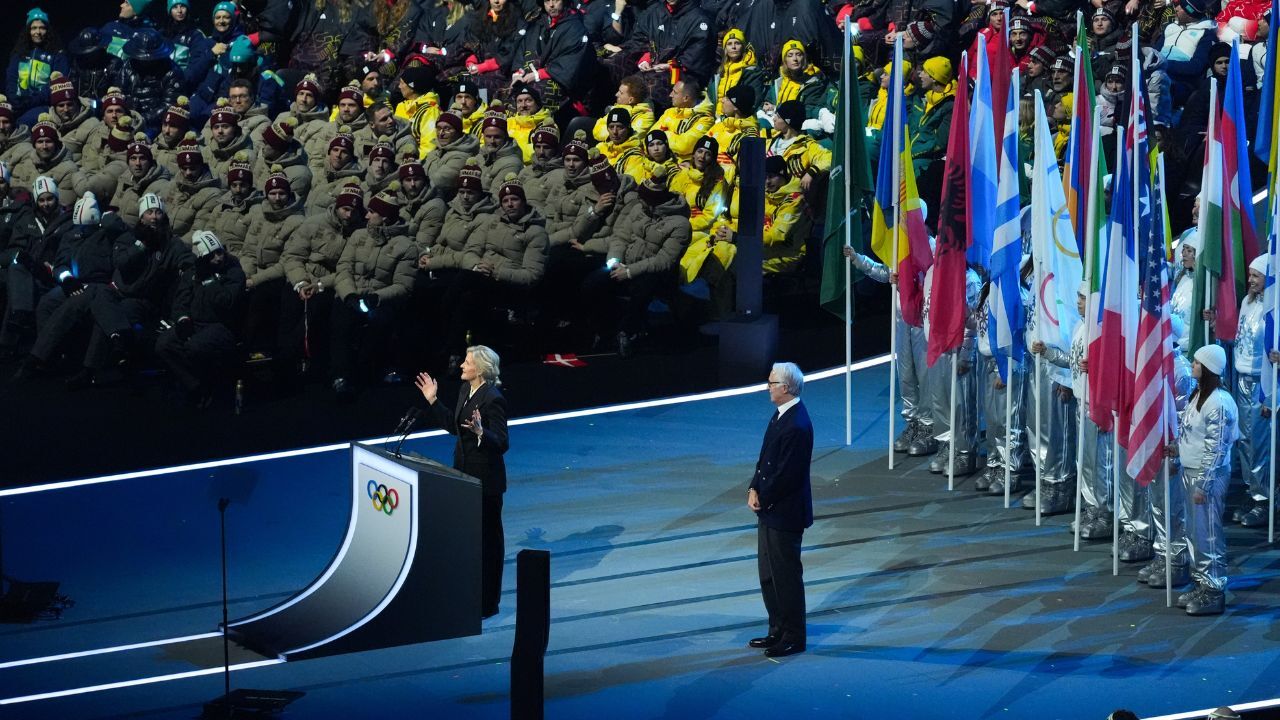
Asian Games 2026 accommodation is under real strain as Typhoon Dujuan approaches Japan. The Costa Serena, an Italian cruise liner docked at Nagoya Port, has become the biggest talking point of the Games. About 4,000 athletes and officials are staying aboard the 290-metre ship, while roughly 2,000 more sleep in shipping container-style huts at Garden Pier. Organizers scrapped a traditional athletes’ village to control costs, and record rain last week already forced participants to evacuate the huts briefly.
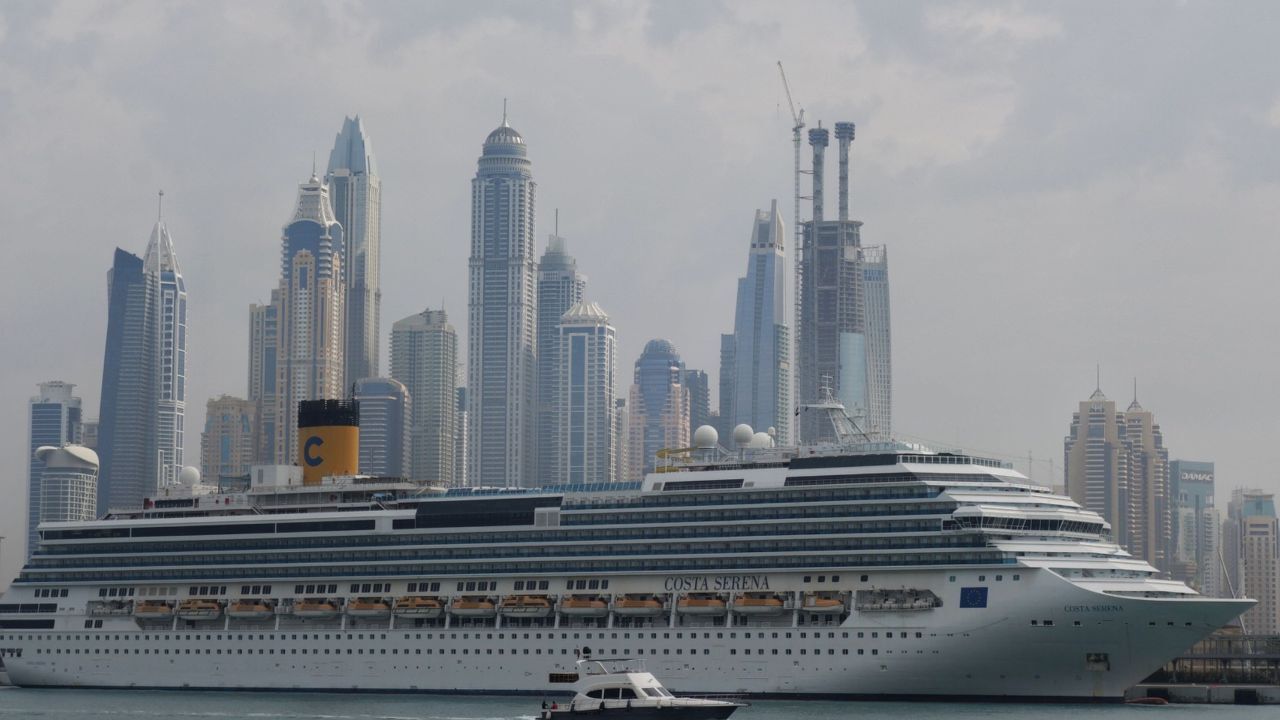
IOC president Kirsty Coventry defended the arrangement on Sunday after touring the huts, calling them “beautiful” and saying the cabins were “better than some of the (athletes’) villages I’ve ever stayed in.” She conceded they are slightly smaller than the cabins used at Milano Cortina, and said she had not been aboard the ship. The Olympic Council of Asia (OCA) has also backed the model. Director General Husain Al-Musallam argued that a purpose-built village would have left organizers with a white elephant once the Games ended.

Nagoya Mayor Ichiro Hirosawa, the Games’ deputy president, told Reuters that if torrential rain triggers emergency alerts, organizers “will arrange for the athletes to evacuate temporarily.” He also said the cruise ship will move offshore if typhoon-level winds arrive, under protocols already in place. Organizers deserve credit for having a plan. A village-free model where the plan involves moving a ship carrying 4,000 people, though, leaves little margin if the weather turns.
The problems go beyond the huts. The housing committee has said it planned for around 15,000 athletes and officials, but numbers grew as new sports were added, according to Al Jazeera. Team Japan also sought alternative arrangements after some male and female athletes were assigned to shared rooms, Reuters reported. Philippine Olympic Committee president Abraham Tolentino said all of his athletes had rooms, but some coaches and officials were moved to other hotels and Airbnbs.
India’s men’s cricket team is the clearest example of how teams have coped. Cricket was supposed to be one of the better-housed sports, with Japan’s cricket association head Naoki Alex Miyaji saying in early September that the tournament would get better accommodation than other sports. Even so, rooms provided for the men’s squad reportedly had no space for kit bags. The Board of Control for Cricket in India (BCCI) booked its own hotel shortly before departure, while the women’s team has stayed in IOA accommodation without problems. India’s chef de mission also said 30 to 35 Indian athletes faced lodging difficulties.
The Indian men’s cricket squad is navigating last-minute logistical challenges ahead of their Asian Games departure. Alongside kit sizing mismatches being rectified by supplier JSW Inspire, the BCCI stepped in to book separate hotel accommodations in Nagoya after official… pic.twitter.com/8WjQ7WDer5
— The Daily Jagran (@TheDailyJagran) September 19, 2026
South Korea has been the loudest critic of the huts. Its officials called the beds the “worst-ever,” and the South Korean basketball chief said they were too short to stretch out in. Basketball player Byeon Jun-hyeong also posted a video showing a leaking sink and a soaked floor in his hut, according to Al Jazeera.
Japan’s chef de mission Kosei Inoue has already acknowledged that some competitions have seen delays or postponements, and that a typhoon could approach on September 21. The Asahi Shimbun quoted an unnamed sports federation official saying all anyone can do is “pray that the worst-case scenario will not happen.”
⚠ Typhoon Dujuan is moving northwest toward Japan and is expected to reach the Kanto and Tokai regions on Monday. The storm could bring heavy rainfall and very strong winds, with gusts of up to 180 km/h in the Izu Islands and Kanto region. Follow the latest forecast and track… pic.twitter.com/hPRMkSjKZg
— Ventusky (@Ventuskycom) September 20, 2026
The latest reports suggest Dujuan is drifting away from Nagoya toward the eastern coast and the Tokyo region, so the immediate threat to the ship has eased. It has not gone away, though. The storm’s effects are expected to run from September 20 through September 23. The Japan Meteorological Agency has told residents along the Pacific coast from Tokai to Tohoku to stay alert for landslides, flooding in low-lying areas, and rising rivers. If the forecast shifts again, the ship’s 4,000 residents become a relocation problem on top of a weather problem.
Dujuan’s track toward the Kanto region puts the Games’ outer venues in the rain zone. The Games use 54 venues, roughly 80% of them in Aichi, with specialist sports staged in Tokyo, Shizuoka, Gifu and Osaka. Equestrian organizers in Tokyo have already moved the eventing dressage session from Monday to Tuesday because of the expected heavy rain and delays in preparing the riding arenas. Track cycling sits outside the storm window, since it starts on September 29 at the indoor Izu Velodrome.
Monday, September 21 carries the tightest weather exposure, though the storm’s window runs through September 23. The mixed relay triathlon is scheduled at Gamagōri, and rowing, moved from Sunday after heavy rain forced the docks at Nagaragawa to be dismantled and reconfigured, now falls on the same day. Cricket has already lost one fixture to rain, with the Bangladesh versus China women’s match abandoned after a waterlogged pitch at Korogi Athletic Park. Soft tennis at Higashiyama Park continues through September 23, so more rain-sensitive matches are ahead.

Each of those sessions also depends on athletes getting from scattered lodgings to venues. South Korea’s men’s basketball team reportedly missed a light practice session after its shuttle bus never reached the venue. Athletes were also stranded at the airport earlier when transport failed to turn up.
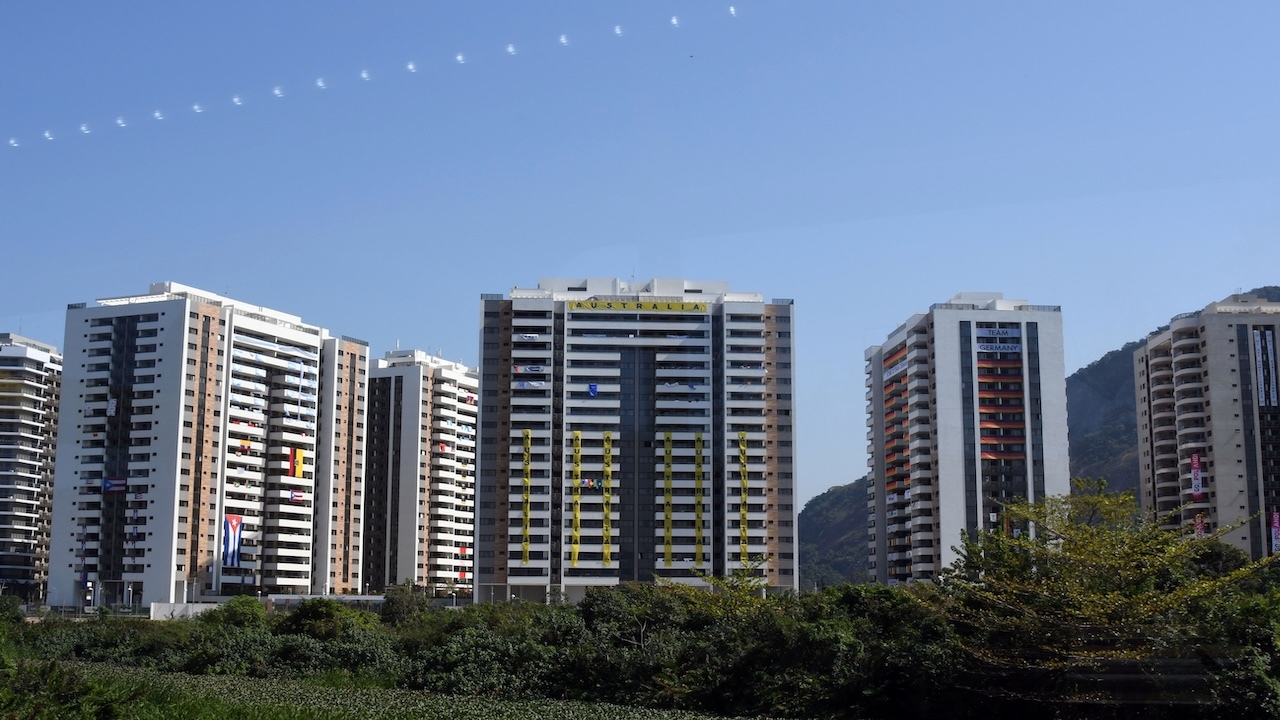
Accommodation has derailed big events before. At Rio 2016, Australia’s delegation initially declined to move into its village apartments over plumbing and electrical faults. What is different in Nagoya is that the housing model itself was the cost-saving decision. Coventry pointed to the near-identical cabins used at Milano Cortina as a precedent, but those were built for a winter Games. Nagoya’s huts and ship are sitting in typhoon season, which makes them a much more exposed test.
What’s your take? Post it in our free sports community at stadiumrant.app, or download Stadium Rant on the App Store.
Asian Games 2026 accommodation has become the Games’ first real test, and Typhoon Dujuan is exposing how little slack the plan has. Our earlier report on the Asian Games 2026 logistics crisis showed how skipping a village contributed to the arrival chaos. Now the same decision has organizers holding a plan to move a cruise ship, evacuate athletes and reschedule sessions if the storm turns.
Whether Dujuan delivers a direct hit or a glancing blow, three things will show if the model holds. Watch whether Monday’s triathlon and rowing go ahead, whether the Costa Serena has to sail, and whether the shuttle buses reach the venues on time. Coventry’s praise and the OCA’s defence will only stand up if the ship, the huts and the transport all cope without a repeat of the early chaos.
