
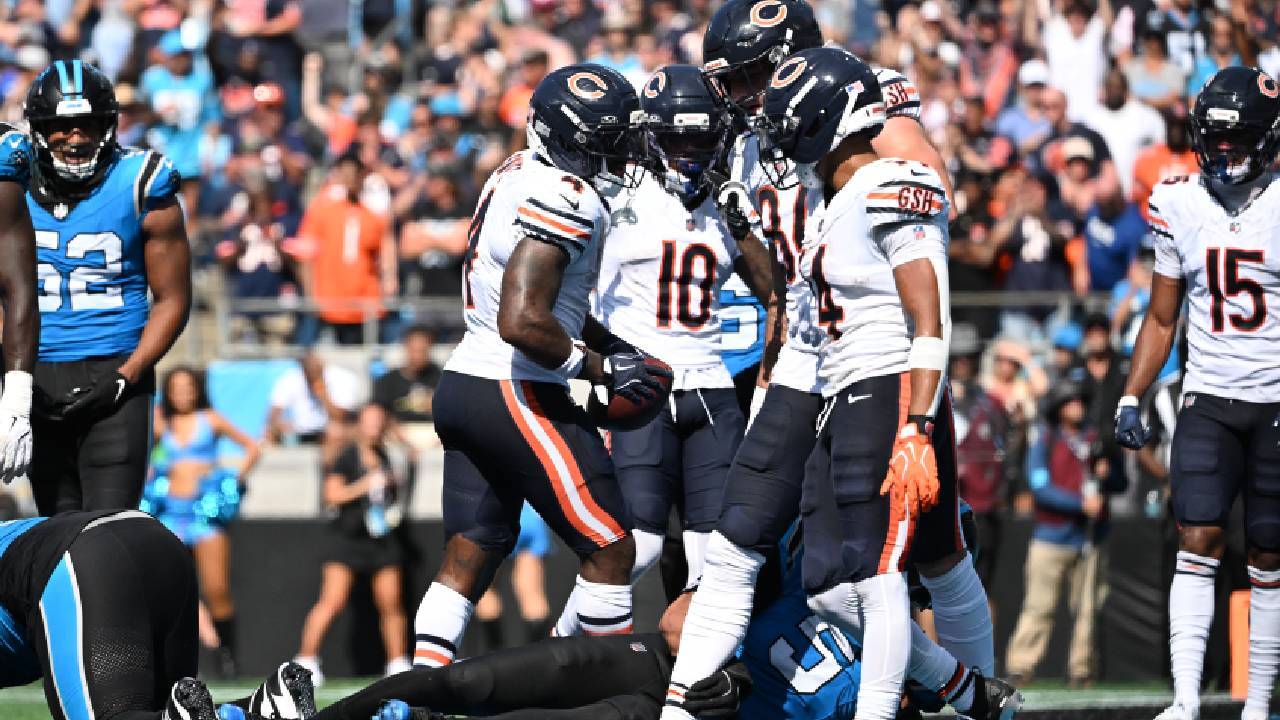
Luther Burden Week 1 stats displayed a strong injury return. He produced five catches for 63 yards as the Chicago Bears receiver came back from his preseason groin injury during Sunday’s historic 59-37 victory over the Carolina Panthers.
Burden also lost a fumble on an early bubble screen that helped Carolina score, but Chicago continued using him throughout the game. Caleb Williams targeted Burden five times on 29 pass attempts, with all five targets becoming receptions. The Bears had already provided a late-August injury update before Burden returned to practice and ultimately suited up for the season opener.
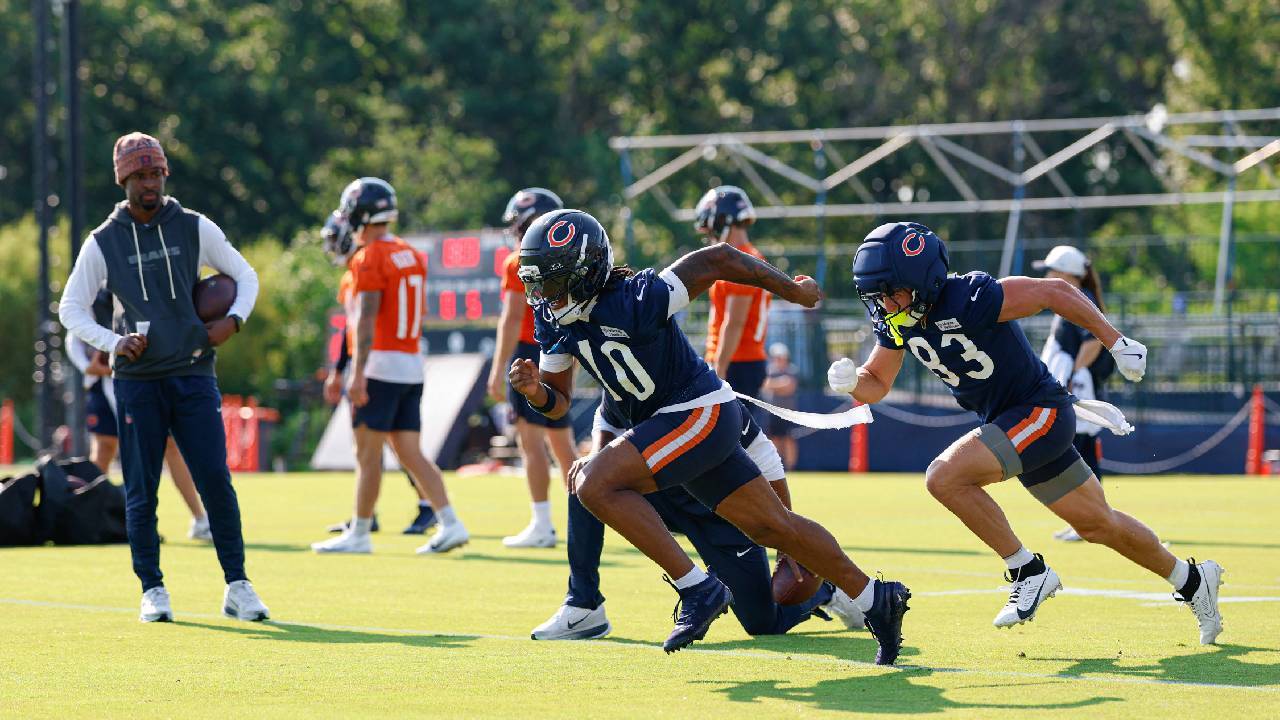
Burden missed all three preseason games after suffering a groin injury during training camp. A late-August practice return provided the first indication that the second-year receiver could be ready for Week 1.
Chicago ultimately used Burden on 56% of its offensive snaps against Carolina. The figure represented a significant jump from his 39.7% snap share as a rookie, giving him a 16.3-percentage-point increase in playing time immediately after an injury-shortened preseason.
Five Burden targets accounted for 17.2% of Williams’ 29 pass attempts, while Burden finished with 63 receiving yards, including a 24-yard reception. Burden also added two rushing yards on one carry, showing that the Bears were willing to use him in multiple ways.
Kalif Raymond led Chicago with eight receptions for 84 yards, while Burden finished second on the team in targets. Rome Odunze and Colston Loveland also remained involved, making Burden’s workload notable without suggesting the receiving hierarchy has already been settled.
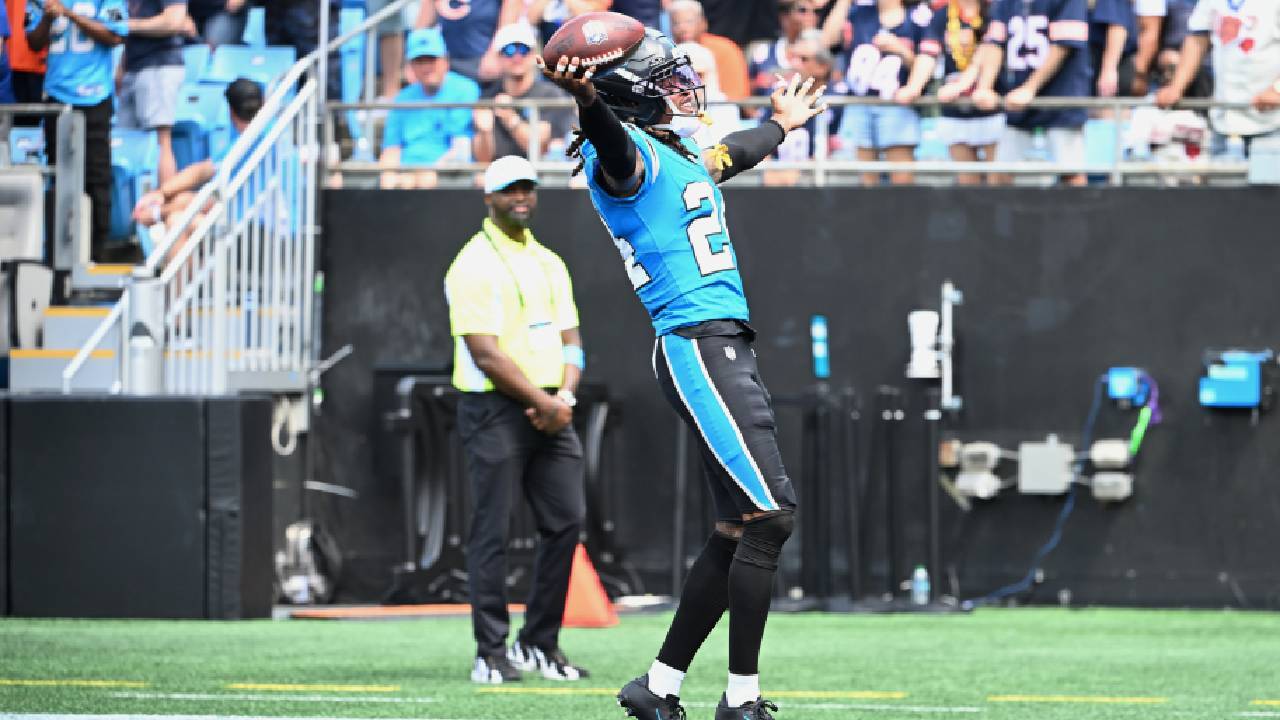
Burden’s biggest mistake came early when a bubble screen ended with a fumble that the Panthers turned into a touchdown. The Bears nevertheless kept Burden involved, with Williams continuing to target him and the offense maintaining his role after the turnover.
The response mattered because a costly early mistake could have reduced opportunities for a young receiver returning from an injury. Burden instead finished with five catches on five targets and remained part of the passing game.
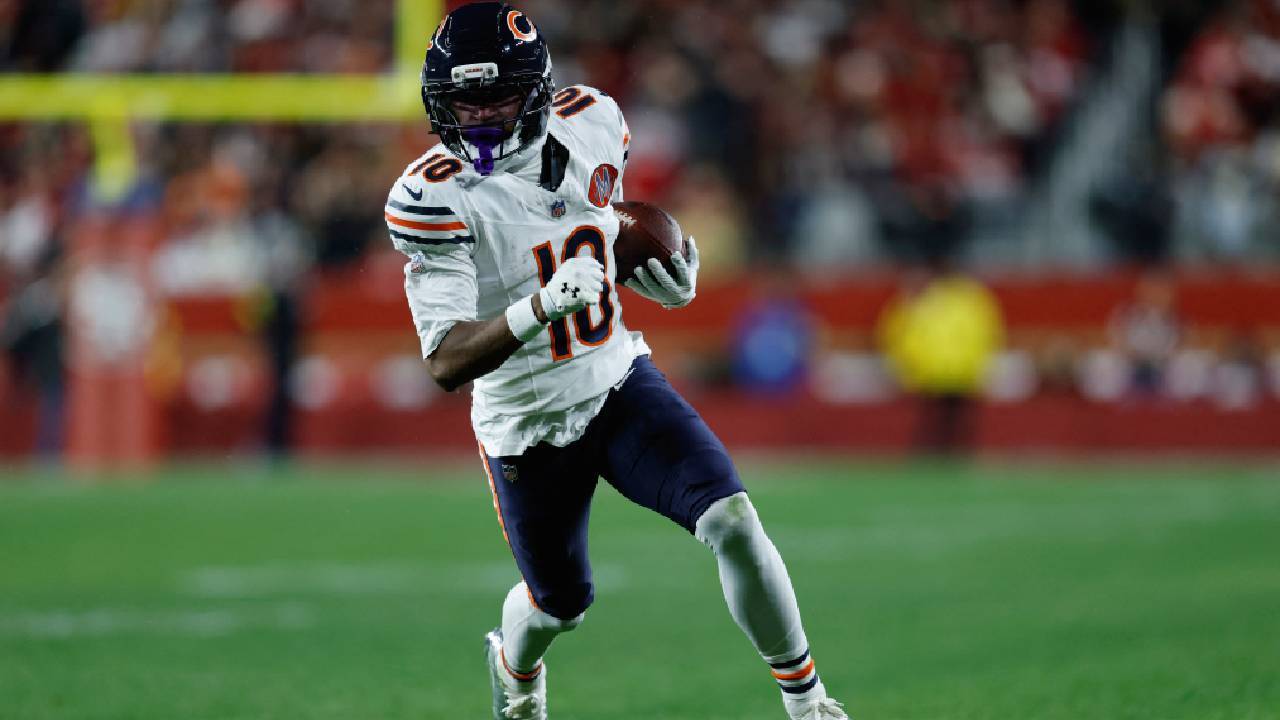
Burden’s rookie season established an unusual combination of limited playing time and strong efficiency. The receiver finished 2025 with 47 catches for 652 yards and two touchdowns on 60 targets, while his 39.7% snap share and 44.6% route participation rate reflected a relatively small role.
PlayerProfiler credited Burden with 2.79 yards per route run in 2025, third among qualified wide receivers, along with 13 explosive plays of at least 20 yards. The efficiency created a clear case for increased usage entering Year 2.
The Bears also have more available open wide receiver opportunities after moving on from D.J. Moore. Burden, Odunze, and Loveland are positioned to absorb portions of the passing-game workload, giving Burden a chance to build on his rookie efficiency without needing to immediately become the offense’s top receiver.
Williams has already shown strong efficiency when targeting Burden. During the 2025 regular season, Williams completed 46 of 59 attempts to Burden for 651 yards and two touchdowns without an interception, producing a 123.9 passer rating on those throws.
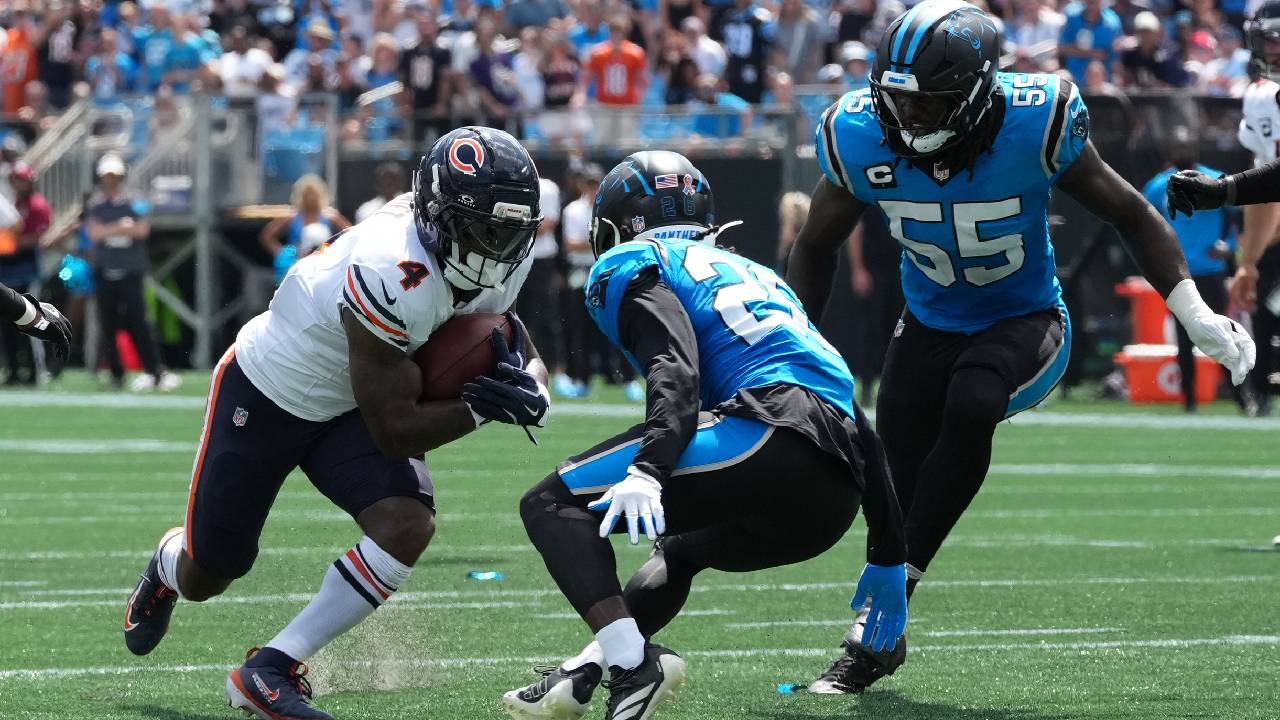
Chicago’s 59-37 victory produced the highest-scoring season opener in NFL history, with the Bears and Panthers combining for 96 points. The unusual scoring environment provides important context when evaluating Burden’s five-target workload.
Williams finished with 269 passing yards, 65 rushing yards, and four total touchdowns, while D’Andre Swift rushed for 124 yards and three touchdowns. The offensive explosion created plenty of production throughout the Bears lineup, meaning Burden’s 63 receiving yards should not automatically be treated as his expected weekly ceiling.
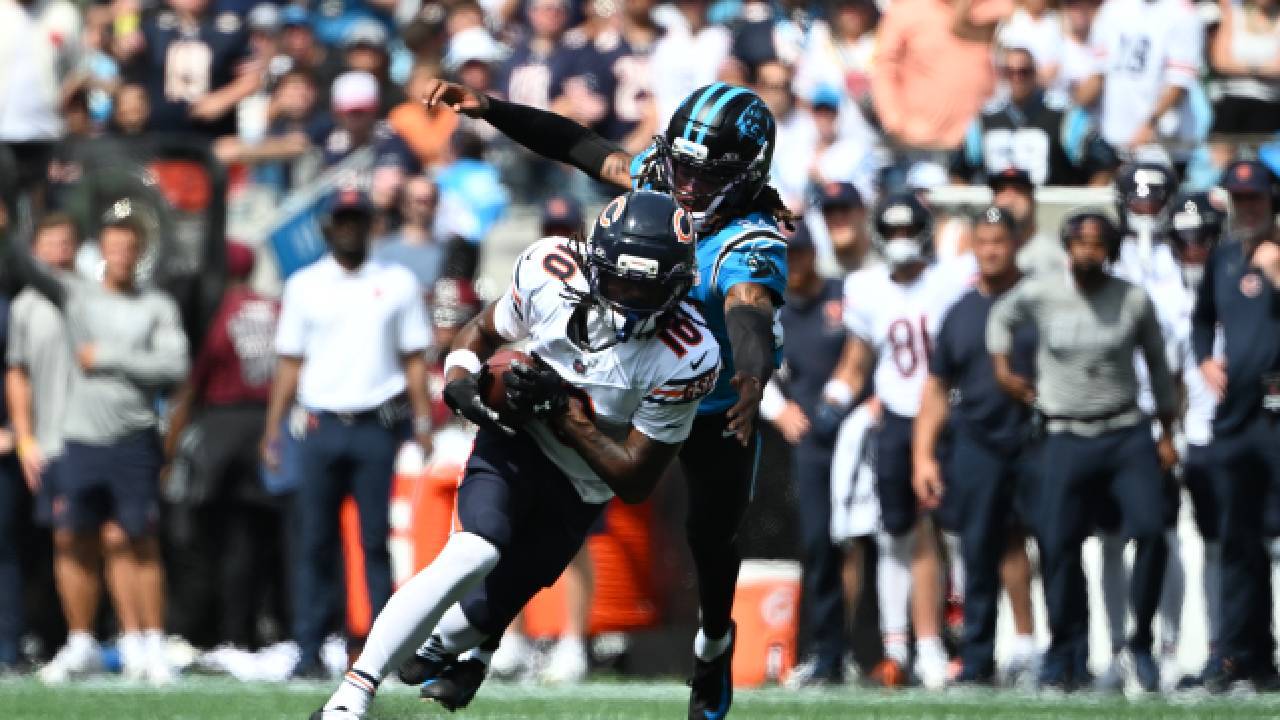
The biggest question now is whether Burden’s 56% snap share becomes a regular part of his role or remains a product of the season opener. Sustaining that workload over several games would provide stronger evidence that Chicago has genuinely expanded his role entering his second season.
Burden still has to compete with Odunze, Loveland and Raymond for opportunities. A larger route workload and rising target share would provide a clearer indication that Burden has moved beyond the rotational role he occupied for much of his rookie season.
Week 1 also cannot establish that Burden’s groin injury is completely behind him. The game did show, however, that the injury did not prevent the Bears from giving him a meaningful offensive role immediately after missing the preseason.
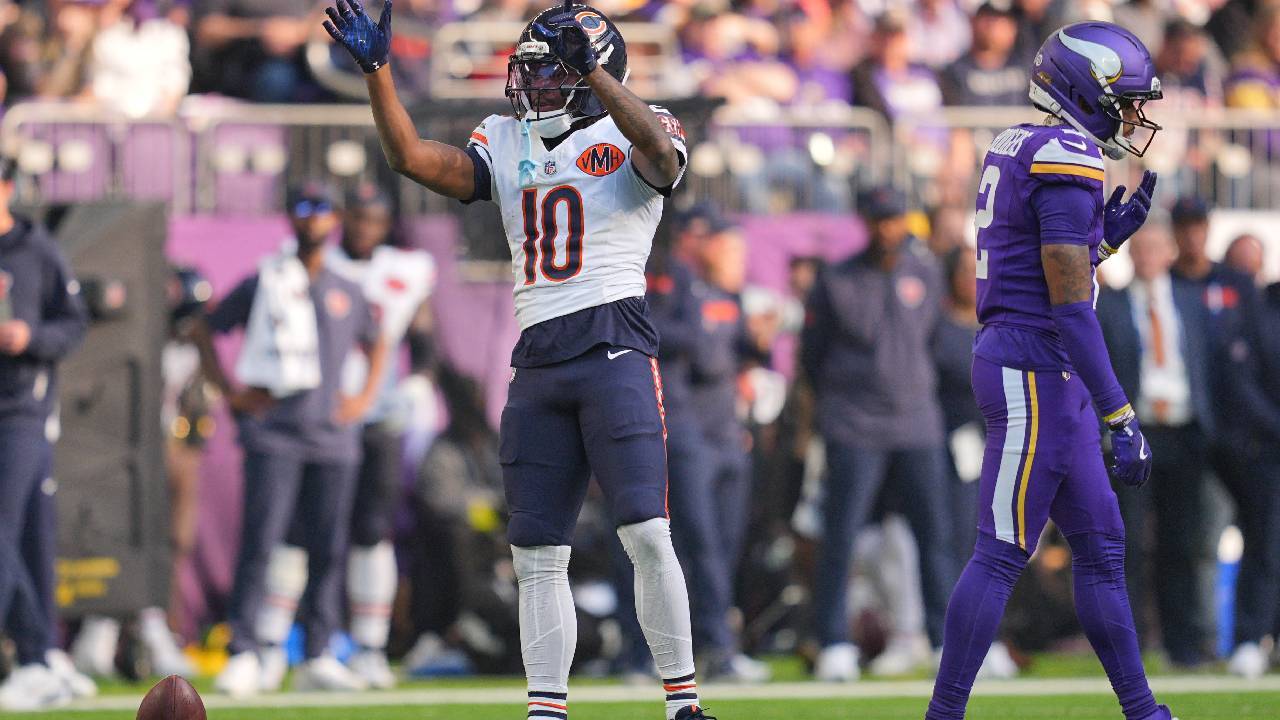
Five catches for 63 yards makes Burden an encouraging fantasy option heading into Week 2, but the performance alone does not establish a breakout. Increased playing time remains more important for his long-term fantasy outlook because additional snaps can create more opportunities for targets and production.
A perfect five-for-five catch rate also deserves some caution after a game in which Chicago scored 59 points. Burden’s future value will depend more on route volume, snap share, and target opportunity than on maintaining a perfect catch rate.
Burden remains a viable flex option in deeper leagues when the Bears host the Minnesota Vikings at Soldier Field on Sept. 20. Another substantial snap share would strengthen the argument that Week 1 represented a genuine expansion of his year two role rather than a one-game spike.
What’s your take? Post it in our free sports community at stadiumrant.app, or download Stadium Rant on the App Store.
The encouraging part of Luther Burden’s Week 1 was not simply the 63 receiving yards. Chicago gave Burden 56% of the offensive snaps after an injury-shortened preseason, continued to use him after an early fumble, and trusted him with five targets.
A second-year receiver does not need to become the Bears’ No. 1 option overnight. Burden already demonstrated impressive efficiency as a rookie, and a sustained increase in playing time could be the piece that turns that efficiency into significantly greater production.
