
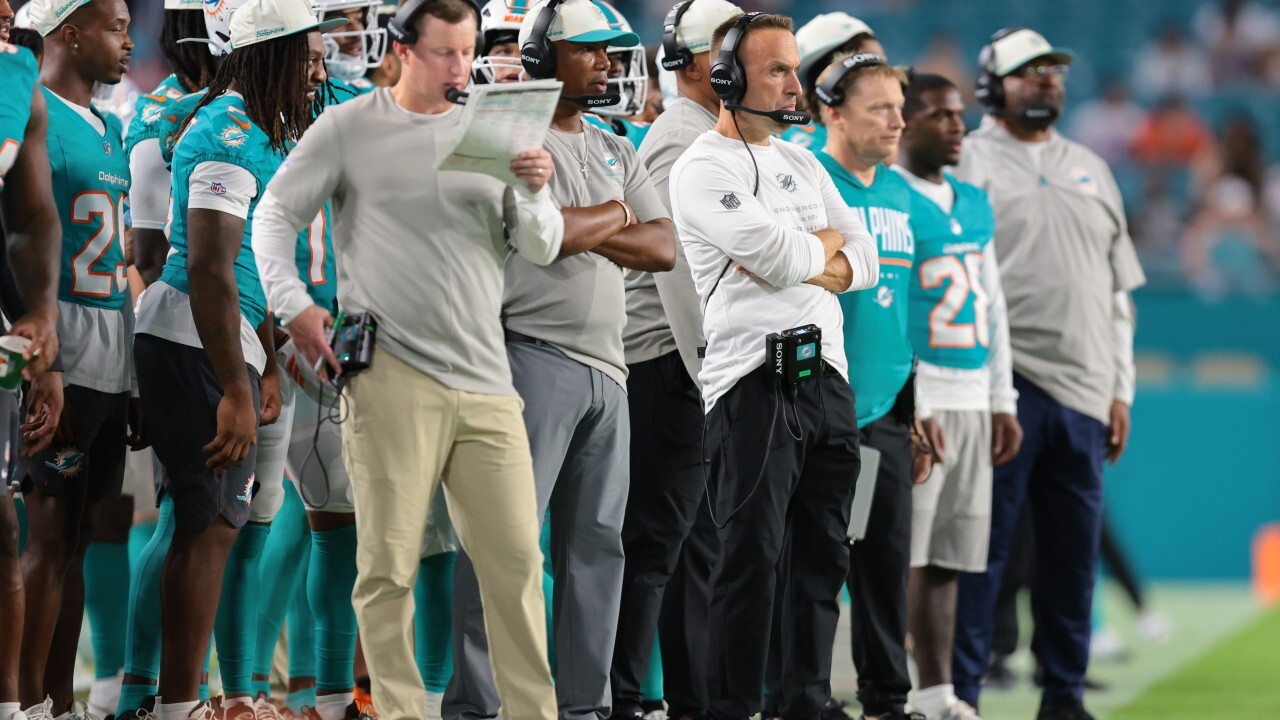
This Miami Dolphins preseason breakdown shows that August isn’t about predicting a season—it’s about highlighting repeating habits under stress. More importantly, it reveals whether your depth supports the starters or exposes them. It’s not about outcomes. It’s all about tendencies—the precise habits that carry over when the games actually matter.
Across three games—against the Washington Commanders, New York Giants, and Atlanta Falcons—Miami didn’t create mystery. They produced patterns. Add the Quinn Ewers trade and Kyle McCord acquisition to the mix, and the Dolphins’ identity comes into focus. They rely heavily on timing and precision, leaving almost no room for error when execution lapses.
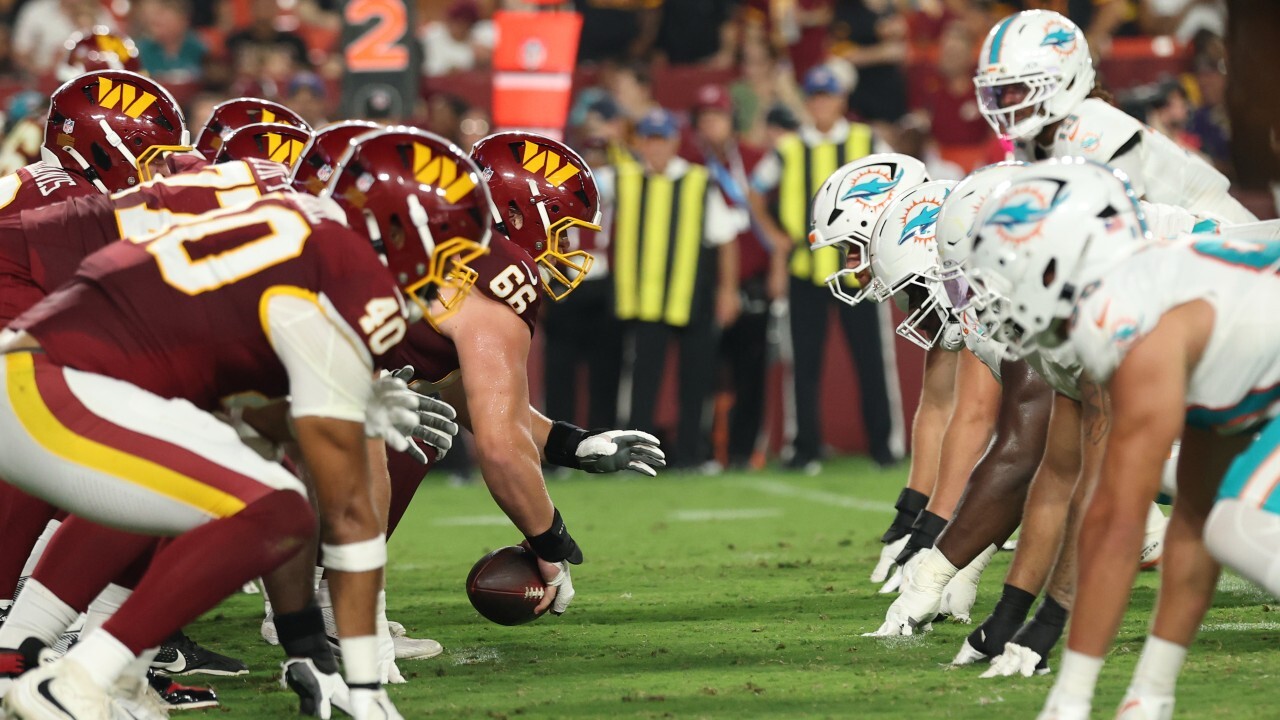
Miami opened the preseason with a game that turned before the break. Washington scored once in the first quarter and twice more before halftime. A competitive start turned into a chase the Dolphins couldn’t reverse. Miami opened with tempo—quick decisions, defined reads, and early pressure on defense. The moment the offense stacked short possessions, the entire structure tilted.
Field position flipped. The defense couldn’t reset the pace once the Commanders controlled it. The Dolphins’ offense didn’t generate sustained movement, and the defense absorbed the consequences snap after snap.
The takeaway wasn’t catastrophic. It was simple: when Miami’s offense stalls, the rest of the team absorbs the consequences—a theme that would repeat across all three weeks.
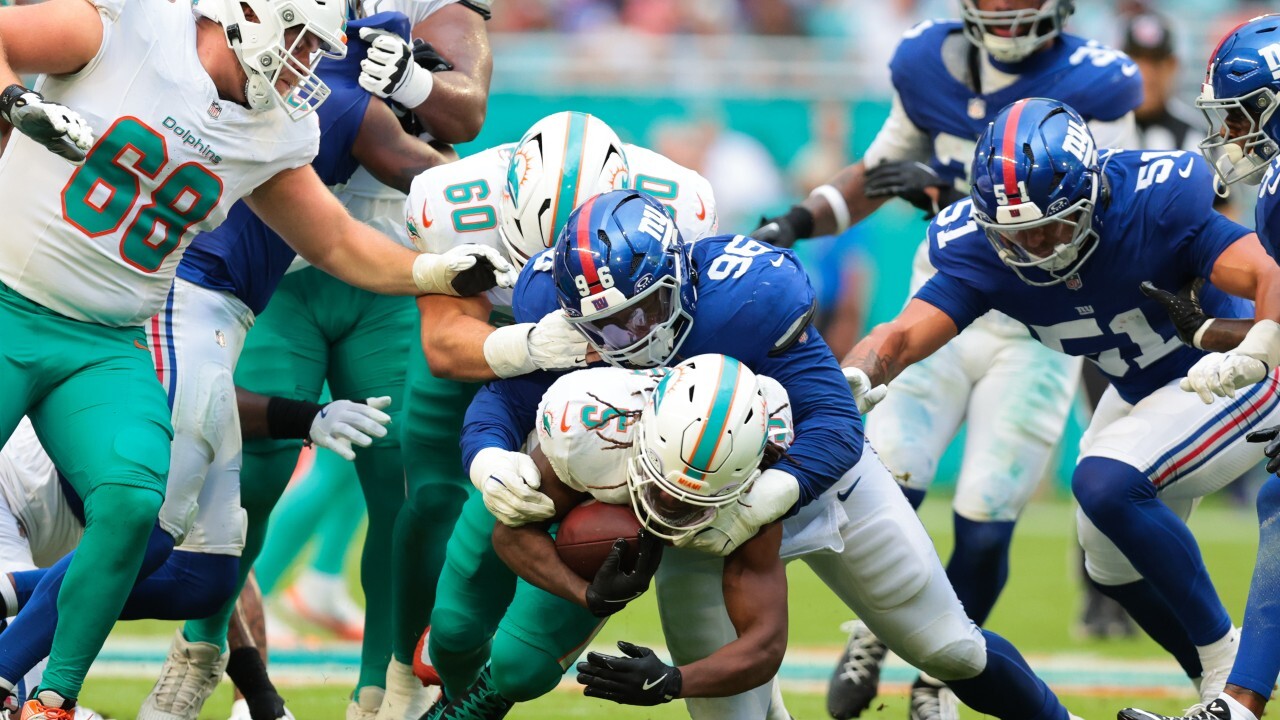
The Giants’ game didn’t introduce anything new to this Miami Dolphins preseason breakdown. It confirmed what the Dolphins already showed: when the offense loses rhythm early, everything tightens.
New York won 26–3 and outgained Miami 390 yards to 102. Pressure showed up early, including multiple first‑half sacks, and the Dolphins had difficulty maintaining a consistent offensive rhythm. The Giants generated repeated chunk gains on the ground, forcing Miami’s defense into extended possessions and compressing the offense’s options.
Nothing unraveled dramatically. It was pure accumulation. Protection wavered, the Dolphins’ defense lost ground at the line of scrimmage, and the quarterback was forced to react before plays could develop. Stuck behind the sticks, Miami never recovered. The offense didn’t collapse—it constricted.
The evidence is clear: when the Dolphins’ timing breaks, the offense loses access to what it wants to be. That’s the question behind every preseason snap — are they actually better than last year at preventing these stalls?
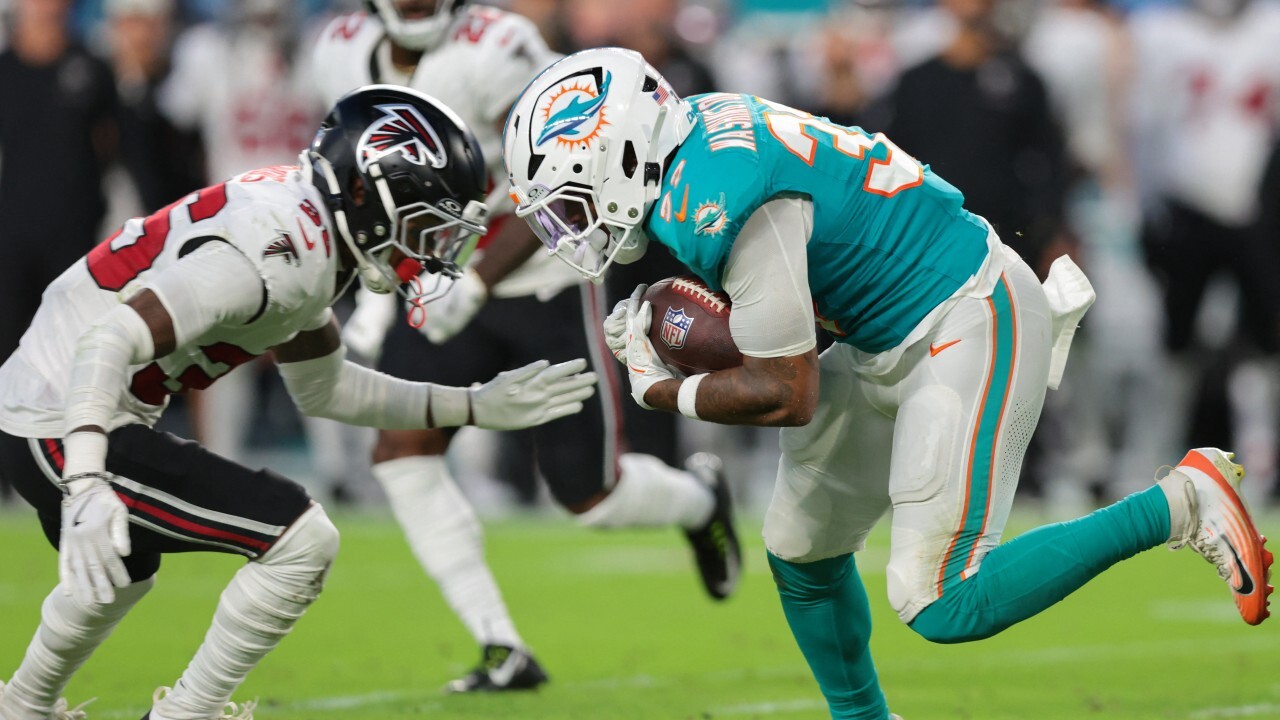
The Falcons game—a 17–12 loss—was the most honest of the three because it was the preseason finale. It didn’t swing wildly. It didn’t collapse. It simply showed where Miami’s second layer sits.
Atlanta kept drives alive with repeated third‑down conversions. That included a 3rd‑and‑8 pickup against CB Ethan Bonner and a 3rd‑and‑6 completion over LB Channing Tindall. This stretched the Dolphins’ defense past the point where the front seven could mask the gaps behind it. On offense, Miami managed only one sustained drive. Skylar Thompson finished 6‑of‑14, and Chris Brooks’ 11‑yard burst was the only run that broke the pattern. Special teams added their own contrast: a clean return followed by a 29‑yard Falcons runback that flipped field position.
This wasn’t inconsistency born from chaos. It was an inconsistency born from depth. The Dolphins’ starters elevate the system. The backups can only hold it briefly. And in a preseason finale, that truth is unavoidable.
Miami will have to win with precision more often than power—not as a season prediction, but as the clearest truth this Miami Dolphins preseason breakdown offered.
What’s your take? Post it in our free sports community at stadiumrant.app, or download Stadium Rant on the App Store.
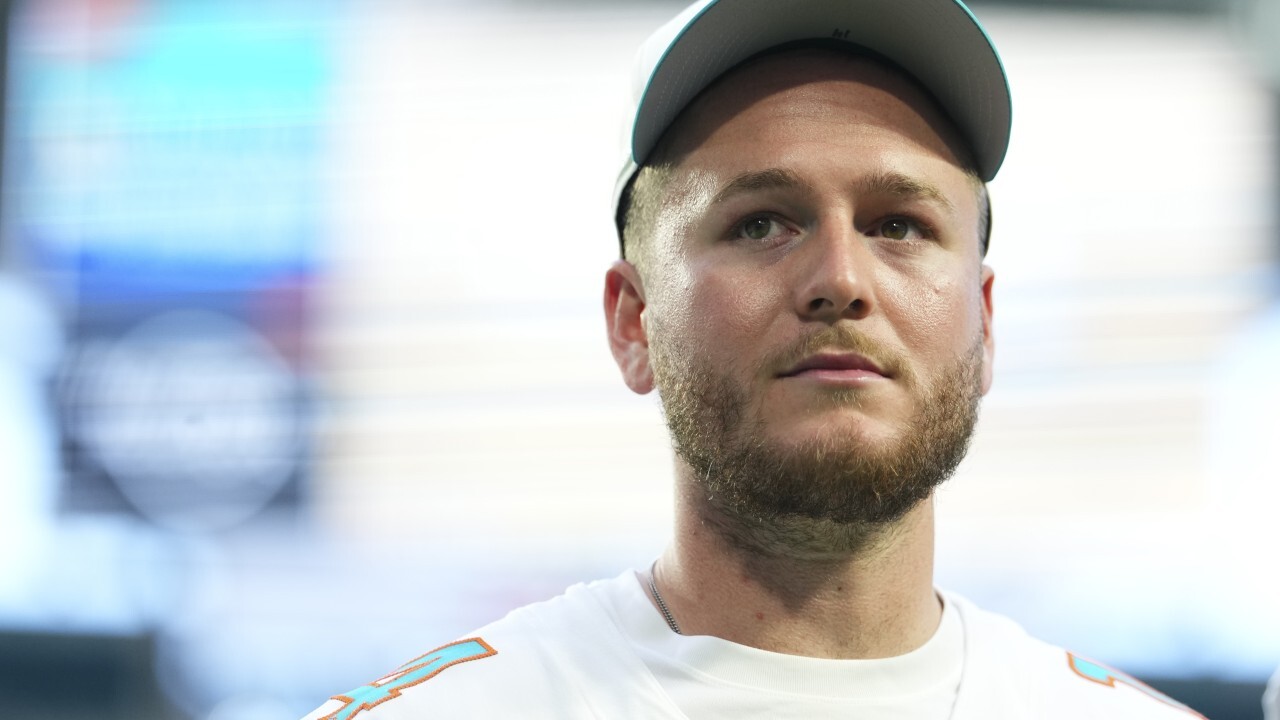
The Ewers trade wasn’t a verdict on his talent—it was a recalibration of the Dolphins’ game plan. Ewers’ preseason amounted to one incomplete outing and a groin injury suffered against Washington. He went 1‑of‑8 for 27 yards with an interception, then missed Weeks 2 and 3 entirely. With no additional tape to evaluate and no momentum heading into roster decisions, Miami made its move after the preseason finale: they traded Ewers to Jacksonville for a 2028 sixth‑round pick. The Dolphins acquired Kyle McCord from Green Bay within hours.
Miami didn’t simply remove a quarterback; they reshaped the position in real time. The front office replaced an injured developmental prospect with a quarterback who better fits their immediate priorities. The Dolphins stabilized the backup role behind Malik Willis and ensured the offense can function if the starter misses snaps.
In that context, the trade becomes less about Ewers himself and more about Miami’s urgency.
At the end of three preseason games, Miami didn’t look lost. They looked exposed. The roster isn’t weak. The Dolphins’ core structure makes them dangerous. That same structure collapses the moment timing slips. Miami’s margin for error is razor-thin, and it shows up fast. Stalled drives, early sequence breakdowns, and wavering protection under pressure. Just one disrupted possession forces the entire offense into reactive mode.
The takeaway is simple: the Dolphins aren’t a bad football team, but they are a team with zero margin for bad football. When execution lapses, their edge vanishes. Miami isn’t built to survive chaos. They’re built to punish you when everything is clean. In a league where disruption is the default, that’s the razor’s edge they’ll live on all season.
