
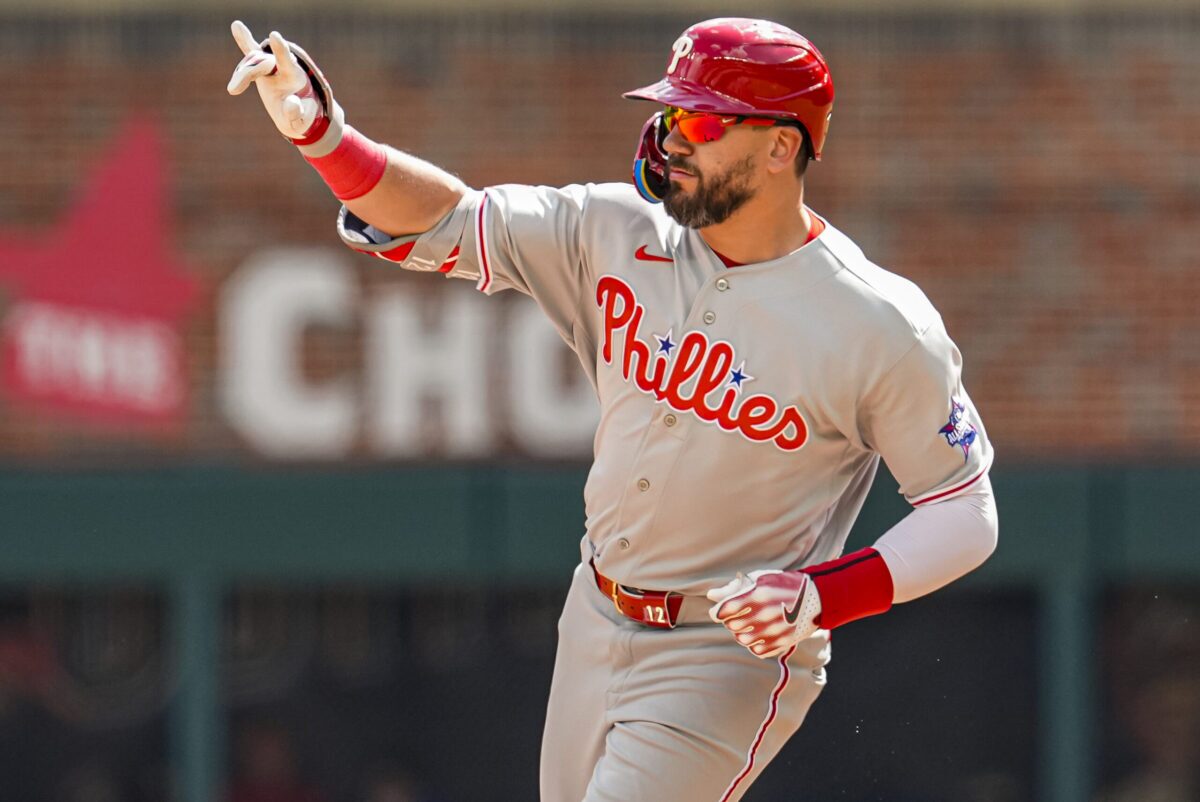
It’s that time of year once again baseball fans! The 2026 T-Mobile Home Run Derby is about to take over Citizens Bank Park in Philadelphia! We will witness a major difference in the event this year. The countdown clock is gone. In its place, Major League Baseball has implemented a volume-capped structure. Stadium Rant can help you Understand the new 2026 MLB Home Run Derby rules. If you are tracking the event, it’s crucial to know the changes, whether betting on matchups, sitting in the bleachers, or tuning in from couch at home.
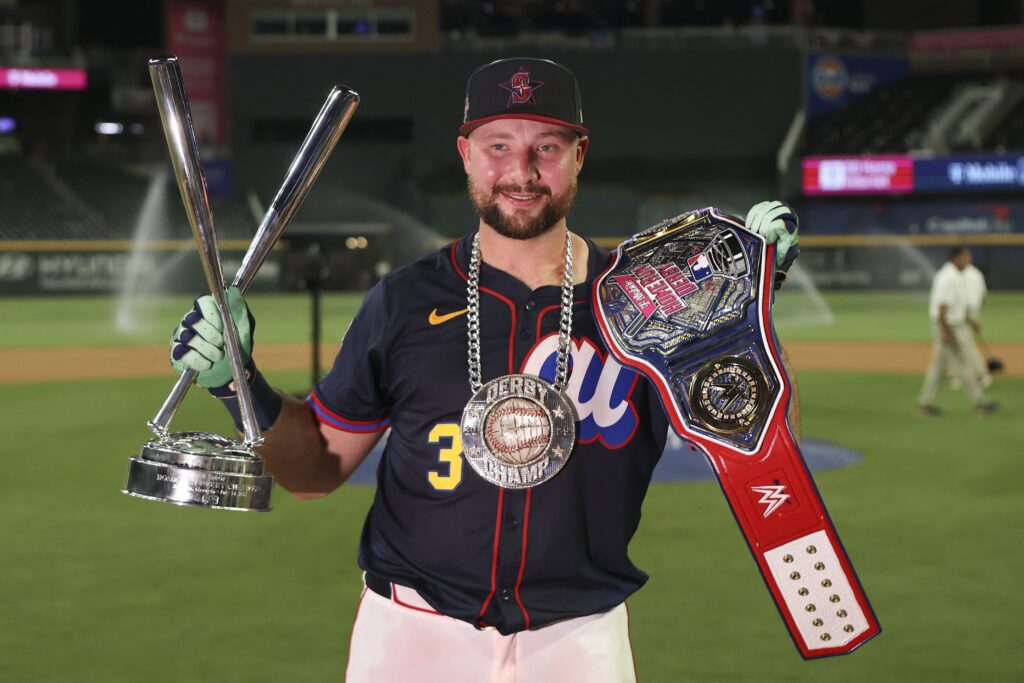
The cardio needed from the sluggers that defined this tournament for over a decade has been thrown out this year. The previous format forced hitters to swing continuously against a ticking clock, often ruining their swing mechanics and causing severe physical exhaustion.
This year, the batter who shows efficiency is king. Hitters receive a certain number of swings per round. Every swing counts against the player’s cap, regardless of whether it results in a home run, a swing-and-miss, or a weak pop-up.
Because there is no timer, hitters no longer need to rush their pitching targets. Batters can actively take bad pitches, reset their posture, and wait exclusively for ideal pitches across the heart of the plate.
The structural breakdown of the competition follows a strict limits structure:
| Phase | Max Allowed Swings | Bracket Layout | Tiebreaker Mechanism |
|---|---|---|---|
| Round 1e | 20 swings max | Single 8-man pool; top 4 advance | Longest individual home run distance |
| Semifinals | 15 swings max | Head-to-head (No. 1 vs No. 4; No. 2 vs No. 3) | 3-swing “Swing-Off” shootout |
| Finals | 15 swings max | Last two players head-to-head | 3-swing “Swing-Off” shootout |
Two new regulatory adjustments have changed how players approach their final swings in each round:
So now, A player’s turn can no longer end on a home run. If a batter hits a ball over the fence on their 20th swing in Round 1, or their 15th swing in rounds after, they unlock an automatic extension. The hitter continues to swing until they fail to clear the wall. This brings an unpredictable momentum factor, allowing a hot hitter to pile on additional home runs while their opponent looks on from the dugout.
So, this is pretty important, so pay attention! Automatic distance bonuses are dead. In prior years, hitting balls past 425 feet earned players extra time. Under the updated format, Statcast distance has no impact on active play. It is utilized strictly as an escape hatch for first-round ties. If two hitters finish deadlocked within the 8-man opening pool, the player with the single longest home run advances. For ties in the head-to-head semifinals or finals, players settle the score via a high-stakes, three-swing shootout.
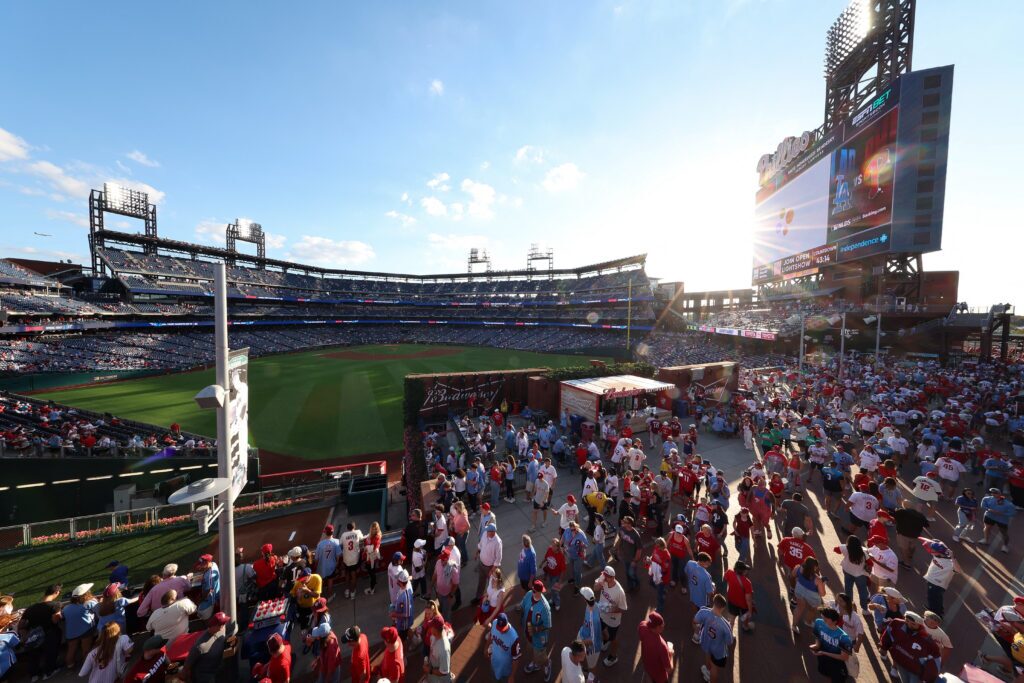
Hosting this new format in South Philly will almost definitely alter player strategy. Citizens Bank Park is historically known as a hitter’s park, but its specific dimensions heavily favor power hitters.
The foul lines sit at the standard 329 feet to left field and 330 feet to right field. But, lucky for you, I am highly knowledgeable when it comes to this ballpark. Most people don’t know that the right-center power alley aggressively indents to a shallow 369 feet. For left-handed batters with optimal launch angles, this shallow porch is key. Because hitters are completely untimed, lefties can consciously cheat inside, sit back on their legs, and repeatedly target the close right-center stands.
This new expanded eight-man field does now bring a balance of elite bat speeds, hometown favorites, and heavy barrel percentages.
| Slugger (Team) | Handedness | 2026 Home Runs | Max Bat Speed |
|---|---|---|---|
| Gunnar Henderson (Orioles) | Left | 28 | 77.9 mph |
| Kyle Schwarber (Phillies) | Left | 27 | 78.2 mph |
| Junior Caminero (Rays) | Right | 26 | 80.0 mph |
| Ben Rice (Yankees) | Left | 25 | 76.5 mph |
| Marcell Ozuna (Braves) | Right | 24 | 78.5 mph |
| Shohei Ohtani (Dodgers) | Left | 29 | 79.8 mph |
| Rafael Devers (Red Sox) | Left | 22 | 77.1 mph |
| Nick Kurtz (Athletics) | Left | 19 | 79.2 mph |
here at Stadium Rant, we want you to understand why the league switched the tournament layout, you only have to look at the physical damage and exhaustion regular participants faced over the last four years.
Players were sustaining significant muscle fatigue, blistering, and disrupted regular-season mechanics while trying to rush 40+ swings into a strict three-minute window. Multiple high-profile stars consistently declined invitations to avoid altering their mid-season approaches.
Nothing. Because there is no active countdown clock, a poorly located pitch costs the hitter nothing. The player simply watches the ball pass and resets. Swings are only deducted from the cap when a player physically commits to a hack.
No. Automatic distance bonuses have been removed from active play. Total home run distance matters exclusively as a tiebreaker mechanism within the opening 8-man pool.
The event is streaming live globally on Netflix. It will not air via traditional linear cable channels or legacy sports networks.
