
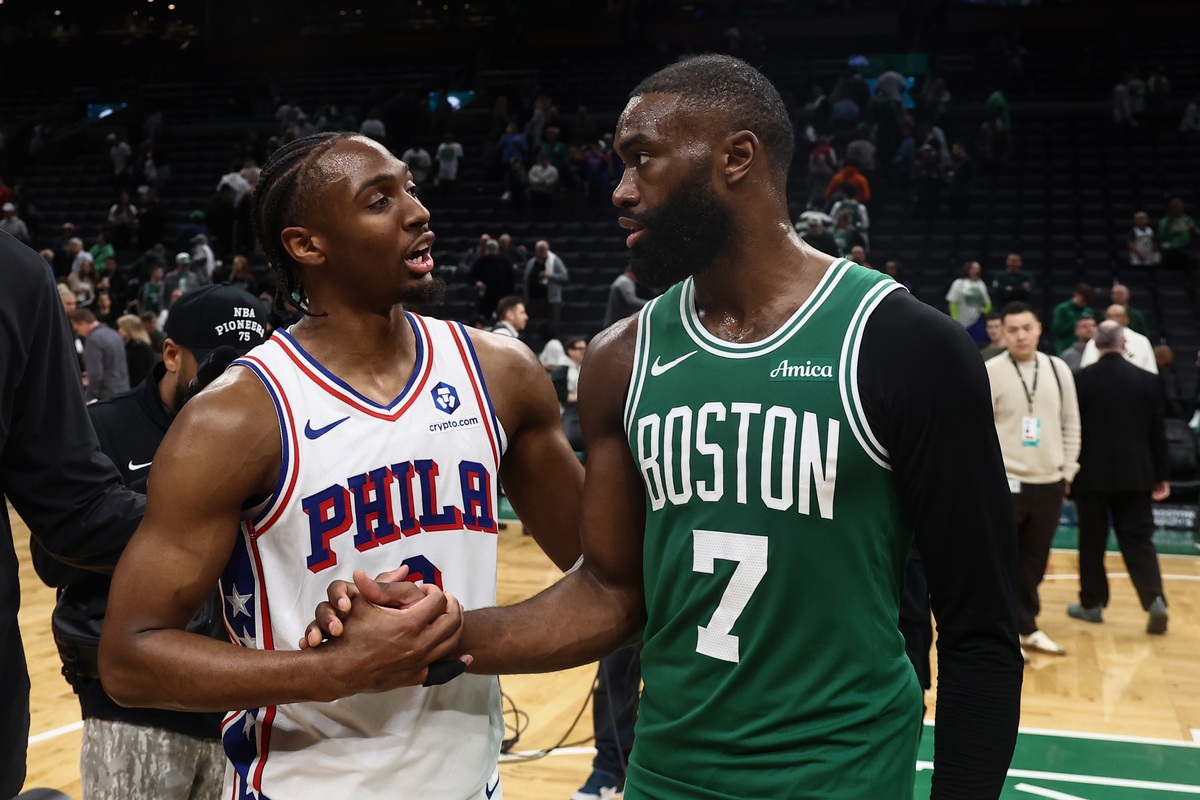
The Boston Celtics made headlines this past week when they traded their superstar, Jaylen Brown, to the division rival, Philadelphia 76ers. The writing was on the wall; a trade was going to happen. It was only a matter of when and where Brown was going to be shipped to. A return of Paul George and draft picks followed suit, and it left everyone wondering why they traded Brown in the first place. Celtics president of basketball operations Brad Stevens and team owner Bill Chisholm came out and gave everyone the answer.
Stevens made it clear that it was a tough decision to move on from Brown, as he has been great for Boston for a decade, both on and off the court. “I told him if we were ever to trade Jaylen that would be a sad day for me personally,” Stevens said. The reason they moved on from Brown was salary cap issues and the need for future roster flexibility. Stevens claims that it would have been extremely difficult to build a competent roster when two players are making up 70% of the cap space.
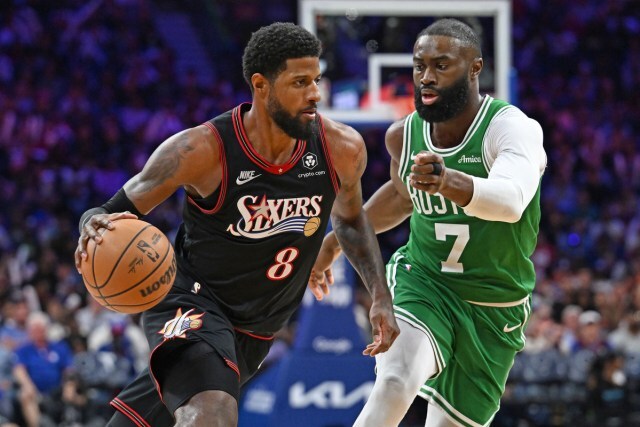
The NBA’s second apron is a punitive salary cap threshold that strictly limits roster-building and trade flexibility to discourage overspending. Teams exceeding it lose access to the taxpayer mid-level exception, cannot aggregate player salaries in trades, and cannot trade future first-round picks. If Brown were to get the extension from the Celtics, it would severely limit the talent they can obtain around them because they wouldn’t be able to afford other pieces. George was the preferred return because he has one year less on his deal than Brown, but he also allows the team to stay competitive, due to his defense and three-point shooting.
Contract details:
Jaylen Brown
Paul George
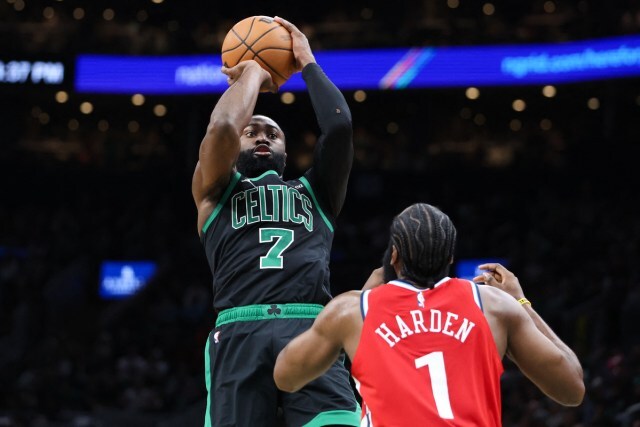
Jaylen Brown Celtics Accolades:
“At the end of the day, those guys aren’t Jaylen, but I understand that ultimately, there’s a lot of small steps that it’ll take to build out the depth in the team that we ultimately want to.” Stevens knows how important depth is, and making a move like this will help with that in the future. “I can say it and I’ll keep saying it, but I’ll also prove it to you. When we have the opportunity, we’re gonna.” Chisholm owes it to the fans of Boston to spend on the right targets when that time presents itself.
It’s clear that Boston didn’t want to give Brown the two-year extension that he was eligible for, which was worth $142 million. Add that number to the Jayson Tatum contract, which is worth $314 million across five years, the Celtics didn’t say a way they could build around their two stars. Chisholm on not being afraid to spend the money, “The mandate is to win. And I just have to keep saying that. We’ll spend whatever it takes to do that. The mandate is to win.”
Boston’s front office and ownership will have to gain the trust of their fans back after making such a big decision like that. They know they were going to be scrutinized by basically everyone, but they feel this was the right decision. Don’t expect this team to just roll over because of the trade; they have plenty of talent on the roster and can easily be in contention for a title next season if things go their way. Time will tell whether this was the best move they could’ve made, but being able to have financial flexibility is important if you want to become a championship-caliber team.
