
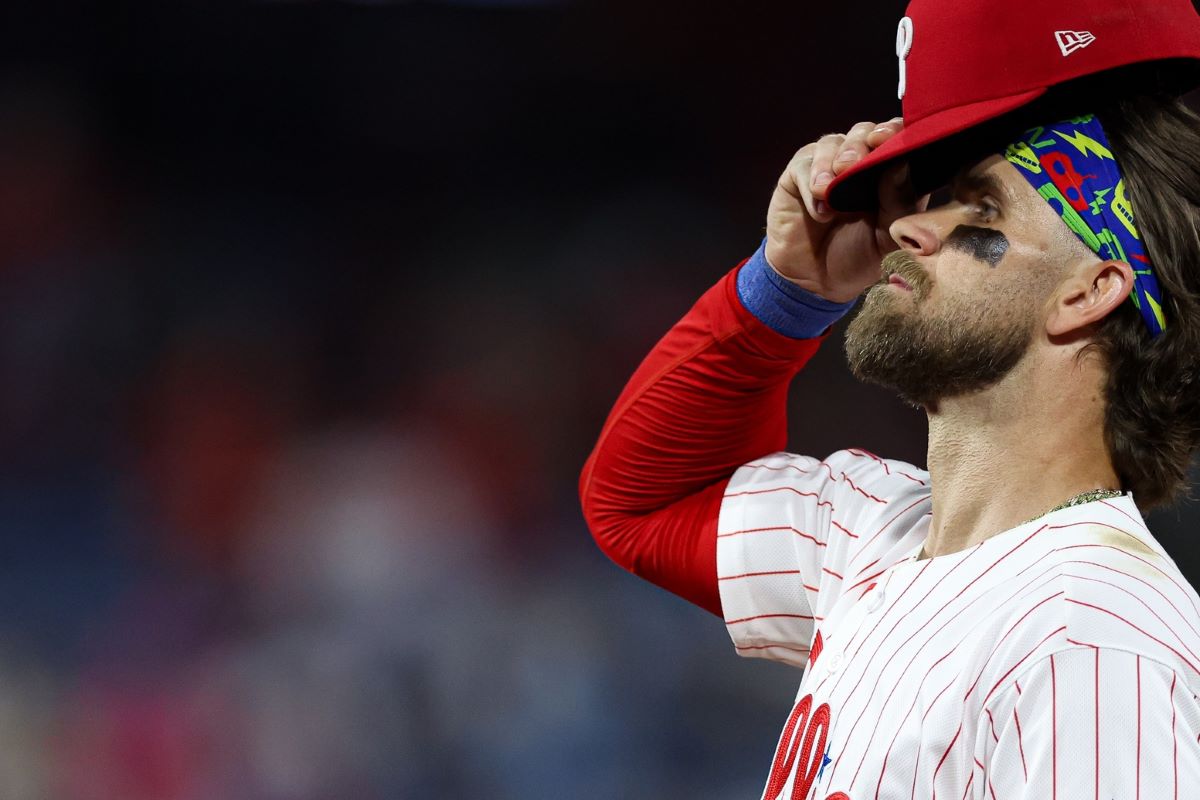
What comes to mind when you think about Bryce Harper?
Is it “arrogance” or perhaps Harper’s five-tool ability on the baseball field? If you remember the late 2000s, could it be a certain Sports Illustrated cover that dubbed him the next “Chosen One”?
Maybe it is Harper being the best current player to never win a World Series?
Our next case study in the world of sports prodigies takes us off the hardwood and onto the dirt and grass of the baseball diamond.
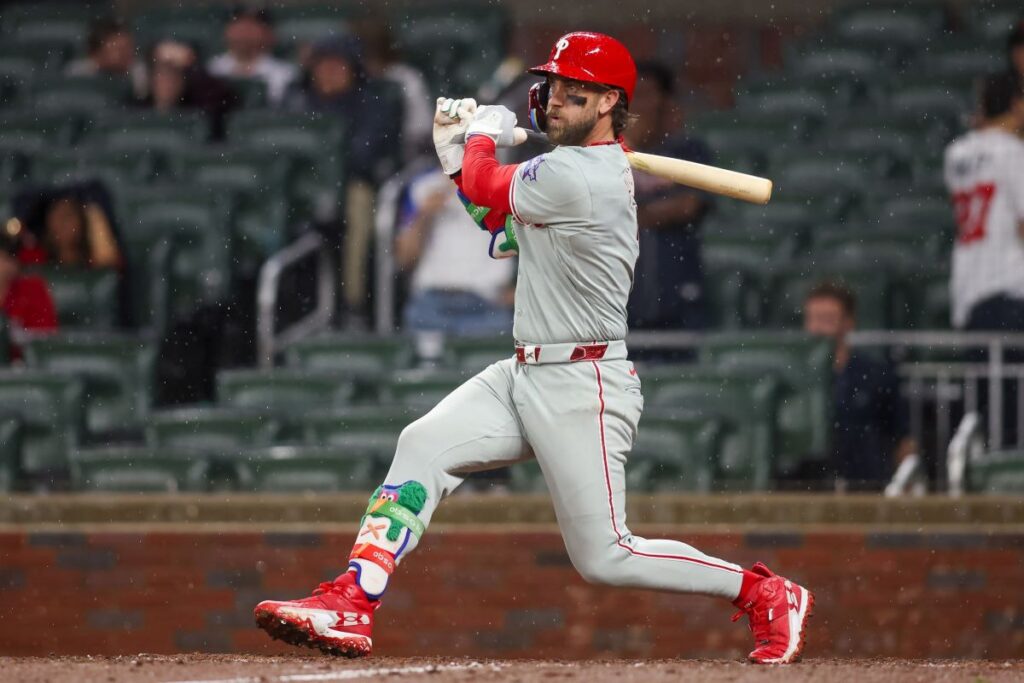
A sports prodigy is an athlete bred for success. You’ve heard of the horror stories behind Todd Marinovich, the unmet expectations of Lonzo Ball, and the parental pride of Tiger Woods’ upbringing.
Every one of these stories has an unhappy, or at least questionable ending–yet Harper seems to be the outlier.
It’s not his fault Harper’s damn good at baseball. Like, historically good. When SI’s Tom Verducci wrote his now-famed cover article on Harper in 2009, he was just 17-years-old and making headlines for his godlike ability with a baseball bat. The phenom from Las Vegas was hitting balls into different zip codes and batted .569 in his freshman year–on Las Vegas High’s varsity squad.
Before we get to his college career, we need to look back at Harper’s upbringing–how he was molded into one of the best current baseball players.
Every person on Earth is afforded the chance to be something great. I firmly believe, however, parenting can make or break any child.
A case in point is Marinovich.
We discussed Ball’s upbringing in the previous case study–the constant media-meddling and basketball focus enforced by father LaVar Ball. Those factors led to injuries and unfair expectations for the L.A-based point guard.
On the other hand, Harper garnered inspiration from his father, Ron (not that Ron Harper). Ron was a blue-collar worker, an iron worker, and a union man. One of Bryce’s earliest memories is seeing Ron carry his lunch pail to work every day. That image cultivated a sense of hard work and grit, both of which Bryce carried to the diamond.
Prior to the Verducci-written SI article in May 2009, Harper was committing baseball homicide and getting away with it.
I already mention Harper’s freshman year batting average: .569. Did I mention he was also a pitcher?
Yes, Harper was Shohei Ohtani before Ohtani. In four appearances–small sample size, I know–Harper posted a 1.40 earned run average and a save. His five-tool ability was on full display; he bounced between catcher and shortstop, where he showed the early makings of a defensive star.
Harper shone the most at the plate. If you thought his .569 freshman average was stupid, what if I told you he batted .625 with 14 homers, 26 runs batted in, and an on-base percentage of .689 in his 2009 sophomore year?
Verducci certainly had something to say about it.
Cover boy. Role model. Media star. Ambassador. The world is spinning quickly for the high-school catcher. And he is very happy, if a little tired physically, about all of it. Baseball fans now know what the scouts have known for more than a year: Bryce is a once-in-a-generation talent, maybe the best amateur player to come along since Alex Rodriguez, only more advanced than Rodriguez at the same age.
Tom Verducci, “Baseball prodigy Harper’s jump to junior college makes perfect sense“, SI.com, June 2009
Imagine being so good at baseball, you have the chance to dropout of high school to pursue your dream? That’s what Harper did, opting instead to get his GED so he could enroll in the College of Southern Nevada.
Harper didn’t last long there, either…because he was already MLB-ready.
The Washington Nationals entered the picture next.
Before they arrived in D.C, the Nationals were more commonly known as the Montreal Expos. After financially floundering north of the border and watching their primo talent (Vladimir Guerrero, Nick Johnson, Pedro Martinez) slip through the cracks, the Expos found new digs.
Washington also discovered new sorrow.
Coming into the 2011 MLB Draft, the Nationals had two bright spots on their roster: Ryan Zimmerman and a young Stephen Strasburg. They needed a third, young face to carry Washington back to the promised land.
Harper now entered.
Harper’s rookie year set the precedent for things to come. He hit for a .270 batting average, 22 home runs, and won the eventual NL Rookie Of The Year. He made his first of eight All-Star appearances and even notched 30 Most Valuable Player votes.
Harper’s time in D.C was big in terms of personal success, but team-wise? The Nationals struggled to find their footing. In four playoff series, Washington won none. Zilch, nada. In a sad twist of ironic fate, the Nationals won their first and only World Series the same year Harper went to Philadelphia.
Off the diamond, Harper was turning heads, for the “wrong reasons.”
Heavy is the head that wears the crown of being “The Chosen One.” Baseball is a sport. Sports are competitive. If there’s even a hint of incoming baseball royalty, you bet your ass pitchers and media pundits are going to use that to bring their critical A-game.
Harper drew ire for pimping home runs–he’d stare and admire his work before heading to first base. He made “kissy faces” at pitchers. The general idea is that he should’ve been “acting like he’s been there before.”
C’mon. When you’re 17 years old, and on the road to being one of the greatest baseball players of all time, you’re supposed to act like you’ve been there before? It’s hard not to believe in yourself.
Joe Namath said it best: if you don’t have confidence in your team, in yourself, you can’t win. Broadway Joe knows a thing or two about winning and confidence. So does Harper, who exudes both.
Over time, Harper’s matured into a respected locker room leader. For a time early on, however, it looked like we were dealing with a diva.
Yet neither Harper’s play nor attitude has influenced the Philadelphia Phillies into winning a World Series. The onus isn’t just on him. Philadelphia just hasn’t been able to put it all together. He performed well in the 2022 World Series against Houston (ugh), but one man can’t carry a nine-man team and a bullpen.
That’s been the only blemish against Harper, and it’s not even his fault. Just 15 years ago, he was crowned “The Chosen One.” It’s hard to live up to that title without a ring, but to his credit, he’s met the moniker’s expectations.
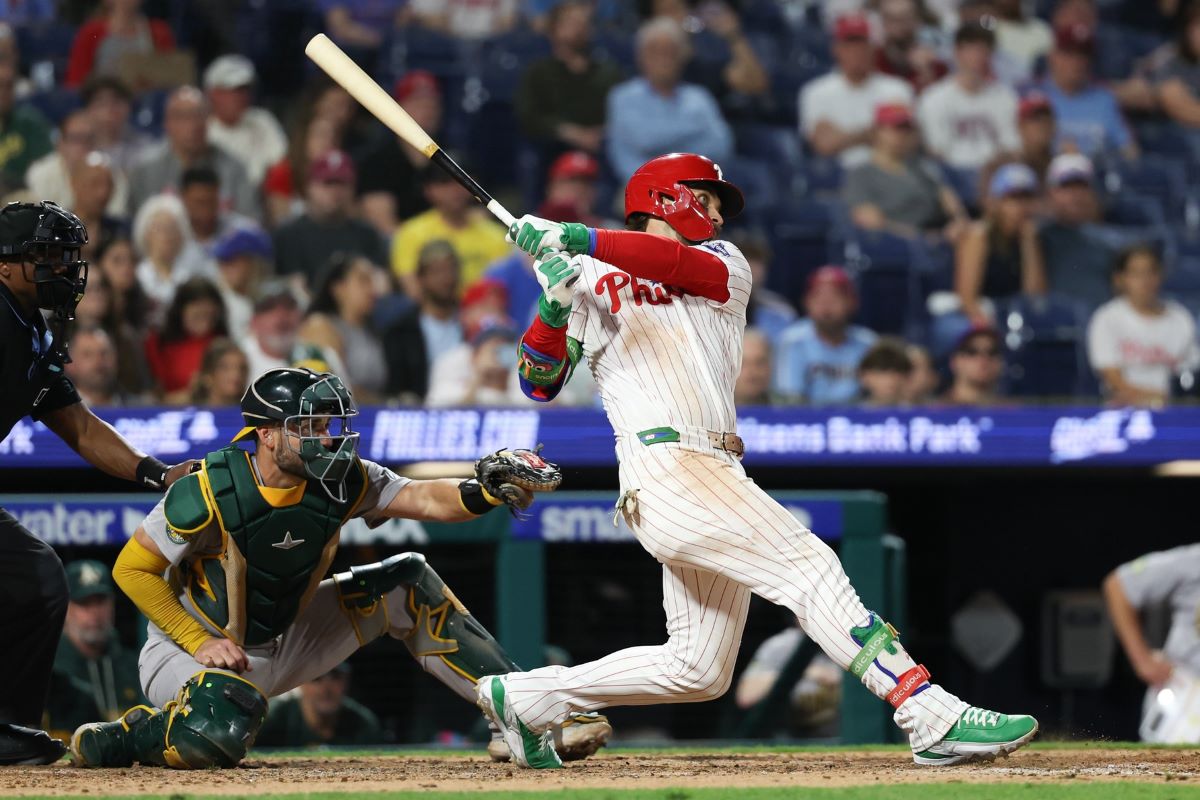
This concludes my weekly case study on sports prodigies. Harper’s a generational talent that’s lived up to the expectations, no doubt. A World Series ring is probably the only thing that remains on his baseball bucket list.
Can Harper win a title in Philadelphia, or will he need a change of scenery to ascend the Mount Rushmore of baseball’s greatest?
