

The 2026 NHL season produced one of the most competitive Norris Trophy races in recent memory. Three elite defensemen separated themselves from the rest of the league through dominant two-way play, offensive production, and leadership. The Norris Trophy is awarded annually to the NHL’s top defenseman. It has increasingly become a blend of traditional defensive value and offensive impact, and this year’s nominees perfectly reflect that evolution.
Zach Werenski, Cale Makar, and Rasmus Dahlin each built compelling cases throughout the season. Werenski carried the offensive load in Columbus. Makar continued to redefine modern defense in Colorado. Dahlin emerged as the emotional leader of Buffalo’s playoff resurgence. All three players demonstrated why they belong among hockey’s elite.
What makes this Norris Trophy race especially fascinating is how different each candidate’s path has been. One relied on offensive dominance, another anchored a Stanley Cup contender, and the third became the face of a franchise finally returning to relevance. The debate surrounding who deserves the award has become one of the NHL’s most compelling storylines of the 2026 Stanley Cup Playoffs.
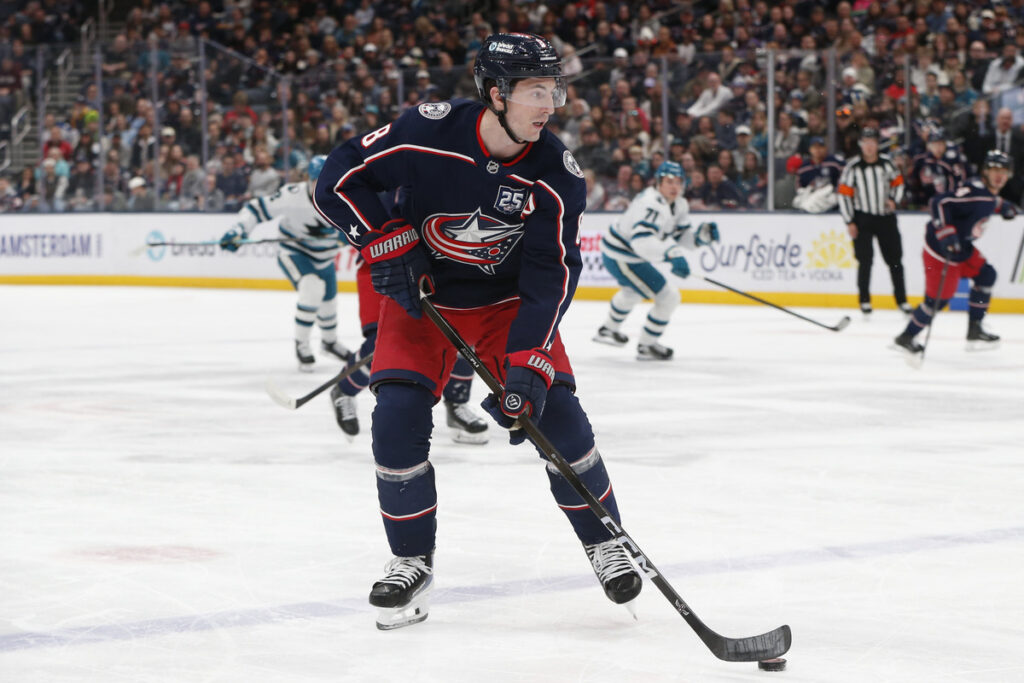
Werenski has always possessed elite offensive instincts from the blue line, but the 2026 season elevated his game to another level, securing him a Norris Trophy nomination. The Columbus Blue Jackets defenseman became one of the league’s most productive offensive players regardless of position, using his skating, vision, and puck-moving ability to transform Columbus’ attack completely.
Werenski consistently drove offense in transition, quarterbacked the top power-play unit, and played massive minutes in every situation. The 28-year-old’s ability to create scoring opportunities from the point became the backbone of the Blue Jackets offense, as he tallied 81 points in 75 games played in 2025-26. Whether it was threading cross-ice passes through traffic or jumping into the rush as a fourth forward, Werenski looked unstoppable for long stretches of the season.
Werenski’s Norris Trophy case is strengthened even further by the workload he handled nightly. Columbus relied heavily on the blueliner against top competition. Despite that responsibility, he still maintained elite offensive production, scoring 22 goals to tie for the third-most among defensemen during the regular season. Few defensemen in the NHL can simultaneously generate offense while also logging shutdown minutes against opposing stars.
Werenski’s season also represented a significant step forward in leadership. With the Blue Jackets continuing their transition into a younger core, Werenski emerged as the stabilizing veteran presence on the roster. The assistant captain dictated tempo, controlled puck possession, and often looked like the only player capable of changing the momentum of a game with one shift.
Critics of offensive defensemen often point to defensive inconsistencies, but Werenski improved considerably in his own zone this season. The Michigan native’s gap control looked sharper, his positioning more disciplined, and his overall awareness away from the puck noticeably better. While Werenski’s offense remains the headline, his all-around development is what truly pushed him into the Norris Trophy conversation.
Most importantly, Werenski made Columbus relevant on many nights they otherwise may not have been competitive. Elite defensemen elevate entire systems, and that is exactly what he accomplished throughout the 2026 campaign, leading to his second straight Norris Trophy nomination.

At this point in his career, Makar almost feels like the standard every modern NHL defenseman is measured against. The Colorado Avalanche superstar once again delivered a remarkable season in 2026. He combined elite skating, dynamic offensive creation, and strong defensive play while helping Colorado remain among the NHL’s elite teams.
Makar’s impact goes far beyond traditional statistics. The 2017 4th overall pick controls the pace of games every time he touches the puck, and few players in hockey transition from defense to offense as smoothly as he does. Colorado’s system thrives on speed and puck possession, and Makar remains the engine that powers both.
Makar’s offensive production was once again among the league leaders for defensemen with 79 points in 75 games, but what separates him from many offensive blueliners is how efficient he is defensively. Makar rarely looks overwhelmed in his own zone despite facing top competition nightly. His skating allows him to recover quickly, close passing lanes, and erase mistakes before they become dangerous scoring chances.
The Avalanche dealt with injuries and lineup inconsistency throughout portions of the season, yet Makar remained the constant that held everything together. Makar generated offense himself when the Avalanche struggled offensively. The blueliner stabilized the back end when the defensive structure slipped. Very few players in the NHL can influence every aspect of the game the way Makar can.
Another factor working heavily in Makar’s favor is consistency. While some players go through scoring droughts or defensive lapses, Makar delivers elite performances almost every night. That reliability is a huge reason why Colorado continues to enter every season viewed as a Stanley Cup contender.
Makar has already established himself as one of the defining defensemen of his generation, and this season only strengthened that reputation. The scary part for the rest of the league is that he still appears to be improving. Makar’s hockey IQ, composure under pressure, and ability to dictate play make him arguably the most complete defenseman in the world today.
The Norris Trophy ultimately goes to the player who best combines offensive dominance, defensive reliability, and team impact. Makar’s case, therefore, may be impossible to ignore, especially considering this is his sixth consecutive Norris Trophy nomination.
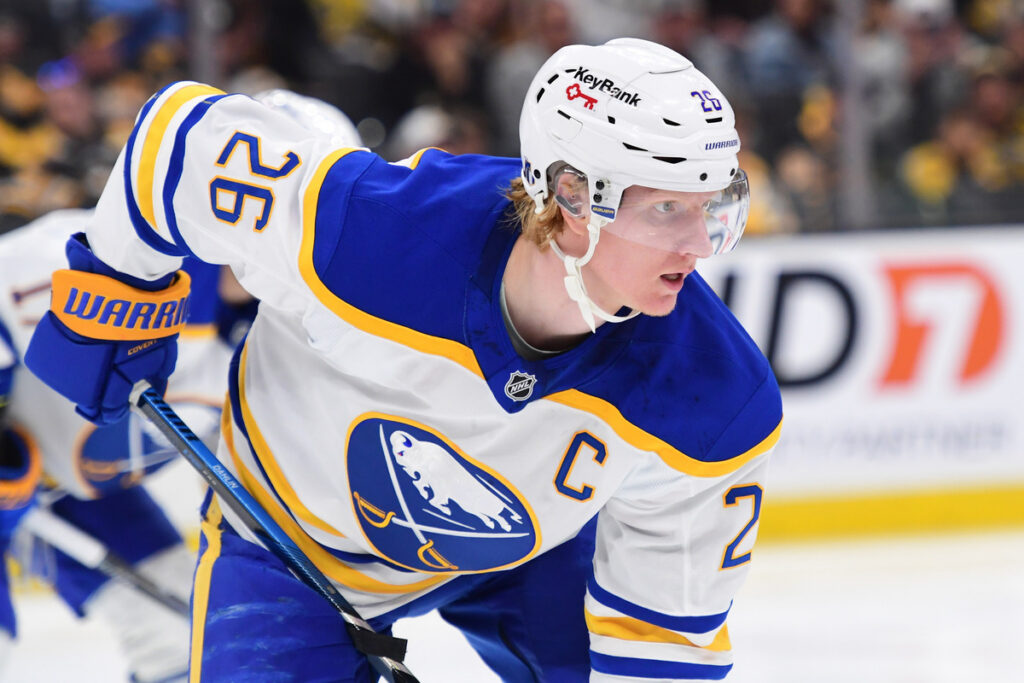
The Buffalo Sabres finally gave their fans something meaningful to believe in during the 2025-26 season, and Dahlin sat at the center of that resurgence. After years of rebuilding frustrations and missed expectations, Buffalo emerged as one of the NHL’s most exciting teams, with Dahlin serving as both the emotional and on-ice leader.
Dahlin’s evolution into a complete superstar defenseman has been remarkable to watch. Long viewed as an elite offensive talent, the 26-year-old has matured significantly defensively while still maintaining the creativity that made him a top draft pick. For most of the season, Dahlin’s confidence with the puck became contagious for the entire Sabres lineup, an asset that led to the captain’s first Norris Trophy nomination.
Buffalo’s transition game revolved around Dahlin. The blueliner constantly initiated breakouts, carried the puck through the neutral zone, and created offensive opportunities. He did all this without sacrificing defensive structure; in addition, his decision-making improved dramatically this season, particularly in high-pressure moments late in games.
The Sabres’ playoff push gave Dahlin even greater national recognition. Meaningful hockey in Buffalo brought renewed attention to just how dominant he has become. Every big moment seemed to involve Dahlin making a critical defensive stop, delivering a key assist, or controlling possession during momentum swings.
Dahlin’s physicality also became a bigger part of his game. He looked stronger along the boards, more aggressive protecting the front of the net, and far more confident defending elite forwards. That added edge helped round out his overall game and made him one of the NHL’s most complete defensemen.
What separates Dahlin from many offensive-minded defensemen is his creativity under pressure, as he consistently finds passing lanes that other players simply do not see. That vision allows Buffalo’s offense to remain dangerous even against structured defensive teams.
For a franchise desperate to return to relevance, Dahlin became the centerpiece of the turnaround. His Norris nomination represents not only individual excellence but also the Sabres’ arrival as a legitimate threat in the Eastern Conference.
This year’s Norris Trophy debate perfectly captures the ongoing evolution of the defenseman position in the NHL. The days of judging defensemen solely on blocked shots and physical play are long gone. Today’s elite blueliners must drive offense, control possession, defend top players, and play massive minutes every night.
Werenski carried Columbus offensively in ways few defensemen could. Makar once again proved he might be the NHL’s most complete player at the position. Dahlin became the face of Buffalo’s long-awaited rise back into playoff relevance.
All three players have legitimate cases, which is exactly what makes this year’s race so compelling. If there is one takeaway from the 2026 Norris Trophy conversation, it is this: the NHL has entered a golden age of elite defensemen, and the position has never been more entertaining to watch.
