
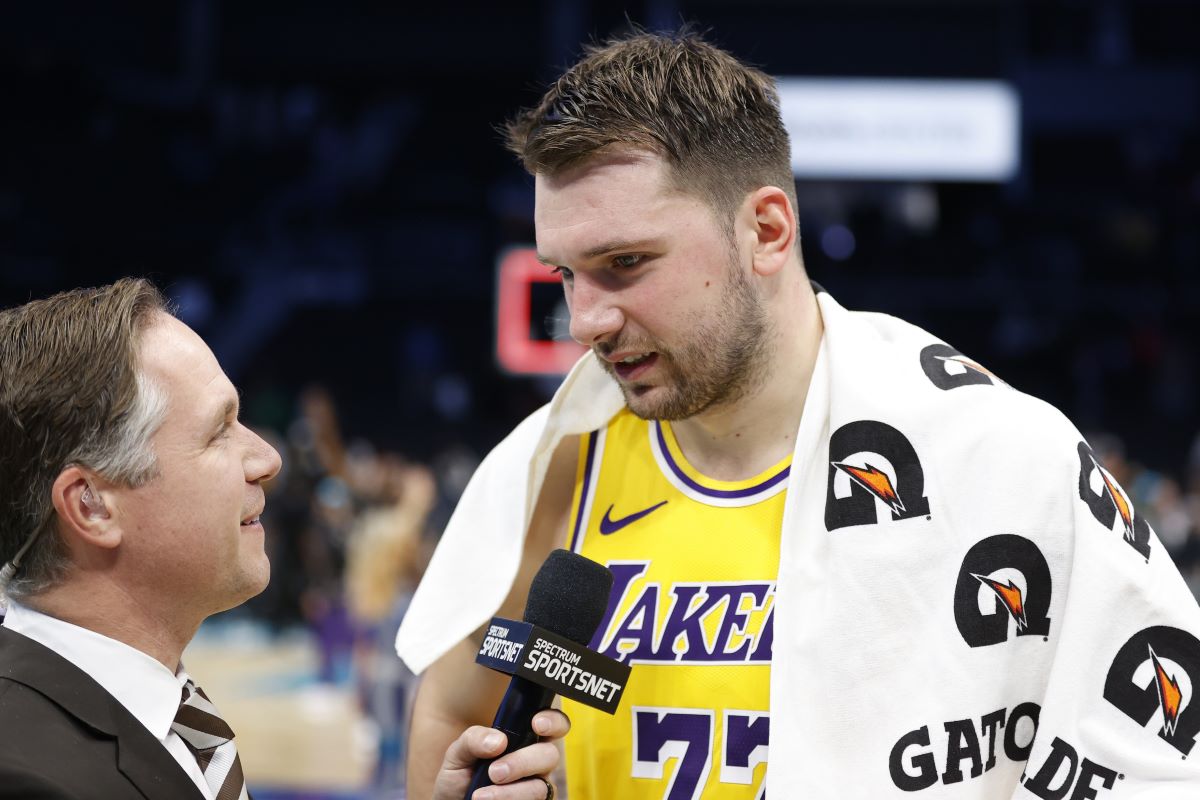
The NBA is one of the largest and most prominent sports leagues not only in America, but in the entire world. This, of course, leads to massive numbers of people watching games and paying money for the NBA’s product every year.
With a company this big, the league (or rather, particular events) has become intertwined with different conspiracy theories. Whether it be landing a certain player on a certain team or ensuring a certain team advances in the playoffs, the NBA has had a lot of accusations thrown its way.
Here’s a look at the NBA’s three biggest conspiracy theories. This is not an endorsement of these theories, but rather a look into each and why they are believed.
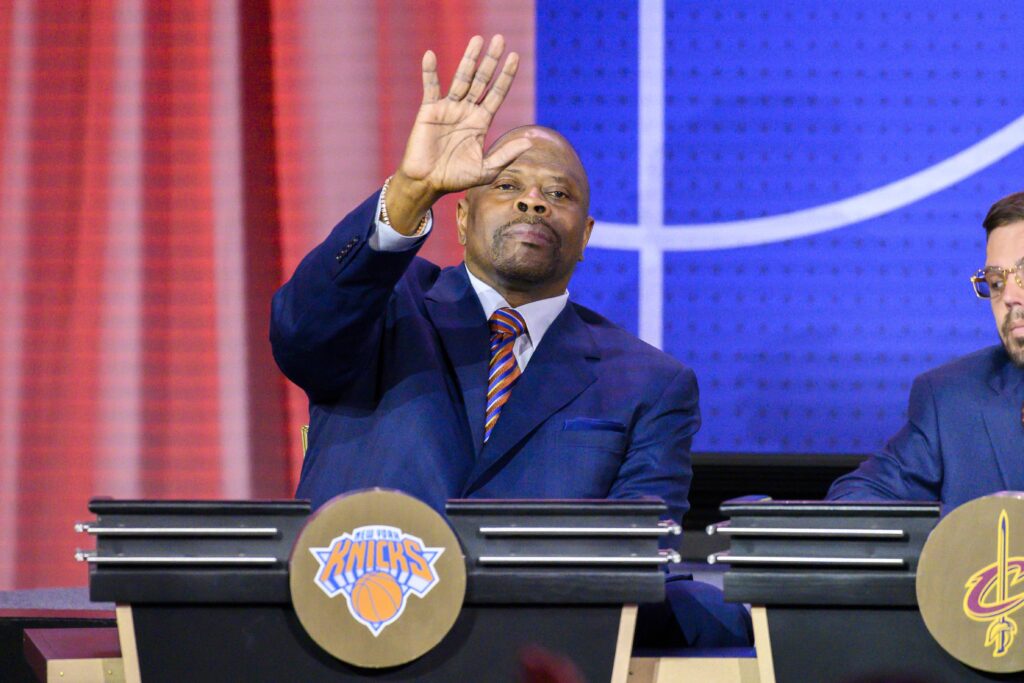
In 1985, the NBA held its first-ever draft lottery in which the top overall picks would’ve been determined by the random pulling of envelopes. While this structure seems fair for all teams involved, this particular ceremony would lay the groundwork for NBA conspiracies as we know them today.
The top prospect in this draft class was Patrick Ewing, who seemed poised to be a historically good big man. The New York Knicks would end up with the top pick and lucked into a franchise-altering player. Coincidence? Many think not.
For perspective, the Knicks had routinely failed to live up to their 1973 championship season and were regularly struggling with both winning and drafting. For a team needing to rebuild, this is the absolute worst-case scenario.
New York is the largest market on the planet, and the potential for profit with a successful sports franchise is abundant. Davis Stern, former owner of the NBA and New York native, with an exhale and the flip of an envelope, would spark a conspiracy that’s lasted generations.
Two theories are widely believed by those who question the event. The first is that the Knicks’ envelope was intentionally altered (with a bang against the side of the container), and the second is that the envelope was frozen beforehand.
Regardless of the theory, people point to the way in which the New York envelope (fourth) was thrown into the container, Stern’s sharp exhale before picking, and his method of choosing as suspect. While there isn’t much tangible evidence to support the frozen envelope theory, the coincidental banging of only the Knicks’ envelope (along with the feeling of Stern’s choosing hands) is hard to ignore. Ewing went on to win zero NBA championships.
This may be the first of the NBA’s major conspiracies, but it certainly wasn’t the last. It would, however, provide the foundation for the NBA’s motive for conspiratorial acts going forward: driving up views and profits at the expense of legitimate competition and league parity.
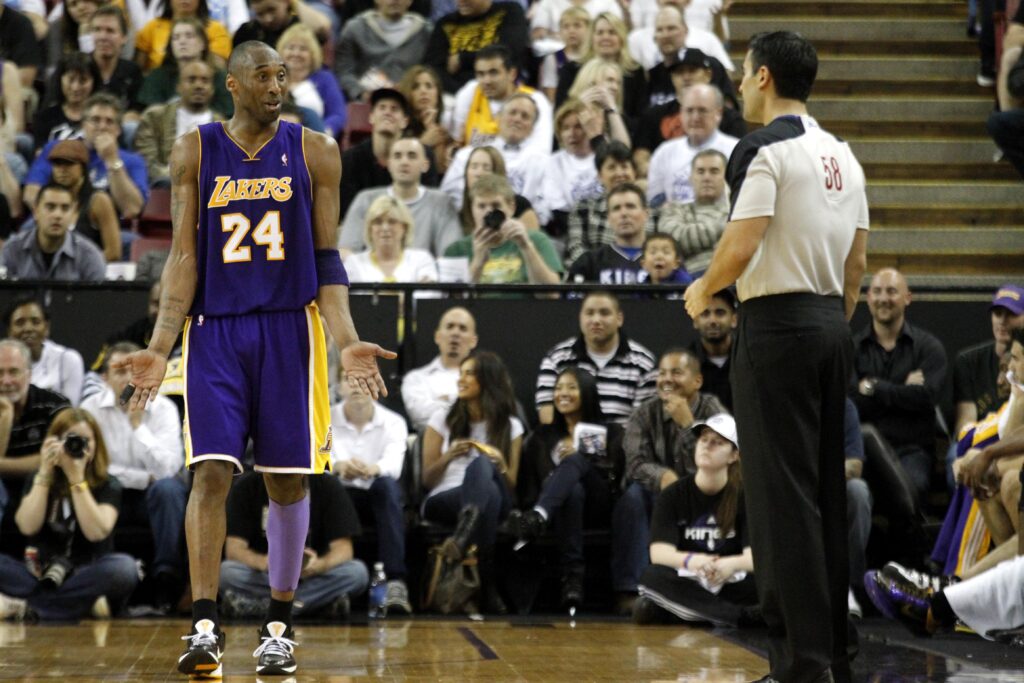
Our next event occurred on May 31, 2002, in a Western Conference Finals Game Six matchup between the Los Angeles Lakers and the Sacramento Kings. The Lakers would win the game 106-102, and eventually the series with a Game Seven victory.
The reason this game is remembered is not because of Los Angeles’s resolve and ability to fight back in a series, however, but because of the horrendous officiating. Particularly in the fourth quarter, it appeared that the referees were ignoring Lakers fouls while blatantly fabricating Kings fouls.
Fans (especially from Sacramento) were quick to point this out and suggested that the NBA was pushing for a Game Seven to extend Los Angeles’ season. The Lakers, with Kobe Bryant and Shaquille O’Neal, undoubtedly had more star power and would have a celebrity presence that the Kings simply lacked.
This was all just noise until Tim Donaghy, a former NBA referee who was fired for his involvement in a gambling scheme, began to talk. He, having personally officiated that series, suggested that this theory was in fact true.
Avoiding naming any names or teams directly, Donaghy alleged that two referees (who were known to be “company men”) were intentionally ignoring calls while making up fouls to give Los Angeles more free throw attempts. While his credibility is safe to question, it’s also important to take his accusations seriously, as he would have been close to the situation.
The fact remains, though, that the Lakers shot a record-setting 27 free throws in the fourth quarter alone, the Kings’ centers accrued 20 fouls compared to O’Neal’s four, and Game Seven occurred. Whether or not Donaghy was being honest with his assertions, all the smoke around this game certainly seems to suggest a fire of collusion occurred.
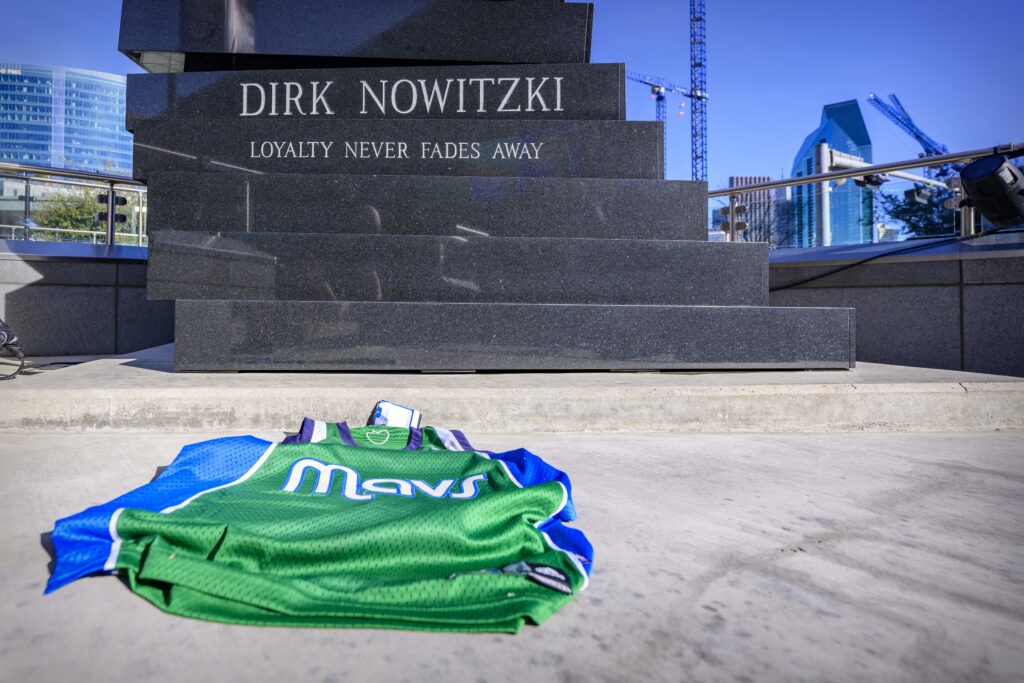
In the dead of night, between February 1 and 2, the Dallas Mavericks traded Luka Doncic to the Lakers in exchange for Anthony Davis. Aside from upsetting almost every single sports fan in Dallas, this trade also quickly became entangled with conspiracy theories.
While Davis is an NBA champion and the kind of player that could help any team, Doncic is the kind of player that you never trade away. He’s a generational talent who already (spiritually) accepted the torch passing from both the fanbase and former face of the franchise, Dirk Nowitzki.
It was a move so shocking that essentially every tier of those involved assumed it must be a mistake. Shams Charania (the reporter who broke the news) admitted to thinking it was fake when he initially heard, and the millions who follow his socials concluded that his account had been hacked.
Nico Harrison, the Mavericks GM, was heavily criticized, mocked, and ridiculed by the city as they felt the move was severely unwarranted. This led to Harrison’s firing, but to what extent was he involved? It’s this question that opens the door for conspiracy.
The first, and most prominent, theory is that the decision was ultimately made not by Harrison, but by Miriam Adleson, who currently holds primary ownership of the franchise. Having taken over as a 73 percent owner from Mark Cuban in 2023, she’s known for her family’s involvement in the casino industry.
Involvement is somewhat of a euphemism, as her late husband was the CEO of Las Vegas Sands casino, and her family now owns the majority of Las Vegas Sands Corporation. When she first liquidated more than $2 billion in Sands shares for the acquisition of a sports franchise, it was initially believed to be for a team based in Las Vegas.
While this wasn’t the case, it didn’t stop speculation that Adelson wanted to open a casino/arena hybrid. This was only fueled by the fact that she and her family purchased property to open a resort that would include a casino if gambling were legalized in Texas.
There’s the catch, though, as this casino mogul (who owns multiple large-scale casinos around the world) purchased a team in one of the few states where gambling isn’t legal. That hasn’t stopped Adelson from trying to change this, however, as it was reported that she made $13.7 million in political donations ahead of the 2025 sessions.
When looking at all these facts, a lot of fans are suggesting that this move was made to intentionally tank the franchise’s value to justify a move to Las Vegas. A lot of Adelson’s money has been invested in this team, and the thought that she would want to move to where gambling could provide a baseline revenue isn’t too inconceivable.
The other theory gaining traction, albeit not as much, is that this move was dictated by the NBA higher-ups, who wanted to drive revenue to one of the league’s biggest markets. This flame is no doubt fanned by the pre-existing (previously mentioned) conspiracy surrounding the Lakers and Kings, but still has many convinced of its merit.
The idea with this theory is that Los Angeles, with LeBron James (presumably) certain to retire soon, would enter an era of poor performances, which would inevitably lead to lower ratings.
Considering that the Lakers have one of the largest fan bases in the entire NBA, this would result in significant drops in revenue for both the franchise and the league as a whole. This is where, in many fans’ minds, the NBA stepped in and decided to send one of the players with the brightest futures to the league’s most profitable franchise.
Whether or not either (or neither) of these events unfolded this way is moot, as this trade will likely remain shrouded in conspiracy for the indefinite future.
While there are still more theories out there surrounding the NBA, these three are easily the most prominent. When talking to anyone about professional basketball, it’s almost impossible to find someone who doesn’t believe at least one of these to an extent.
That doesn’t mean any of these theories are true, but it does mean that there’s enough evidence out there to convince a lot of people that they are. With news and details about the current gambling scandal still being broken, it’s safe to say conspiracy theories and the NBA are only going to get more acquainted.
As of now, though, the first draft lottery, 2002’s Game Six of the Western Conference Finals, and the Luka trade remain the biggest conspiracy theories in NBA History. Maybe, just maybe, there will be a future NBA event so outrageously packed with collusion that it will make this list.
