

An East Tennessee Judge ruled against Zakai Zeigler’s preliminary injunction on Thursday. Zeigler was suing the NCAA to receive a fifth year of eligibility to play basketball at the University of Tennessee.
Zeigler was challenging the NCAA’s Four Seasons rule, arguing that it would cause him “irreparable injury” by costing him between $2 million and $4 million in NIL deals. The lawsuit claimed that every athlete should receive a fifth year of eligibility and that they should not be required to take a redshirt year to achieve that.
Lawyers for Zeigler claimed Tennessee was holding a roster spot on the team for him. The judge stated that his claim failed to provide enough evidence that the NCAA’s Four Seasons rule violated the Sherman Act and “produced substantial anticompetitive effect.”
The judge’s decision was likely the right one for college sports. The NCAA came into existence in 1906, helping provide an even playing field to all colleges. Before then, larger schools and those in larger cities had an unfair advantage. While people have many complaints about the NCAA(rightly so), they have served their purpose to this point.
The ruling against Zeigler will help to keep that competitive advantage even by forcing teams to build with youth instead of older players who have likely already graduated. Recent changes in roster spot limitations, like the 105-player cap for college football teams, point out the scarcity of those roster spots.
In an age where NIL has already changed college sports, there has to be a limit on how far athletes can push the system. The transfer portal has already diluted the field by allowing players, often upperclassmen, to transfer to new teams. If teams were then allowed to give a fifth year to players, even possibly a sixth if they can still redshirt, then scholarships for freshmen would be reduced.

Zeigler was an outstanding college basketball player. He is a two-time All-SEC selection, a two-time SEC Defensive Player of the Year, and a four-time SEC All-Defensive Team member. There is no doubt that he can play at a high level.
The scouting report on him, however, shows major concerns when he transitions to the NBA. Zeigler’s size at only 5’9” is a red flag for most professional teams. Being small in stature creates issues with finishing at the rim, especially over taller interior players. A major part of Zeigler’s game has been getting into the paint, so it’s understandable why teams might hesitate.
Another knock on Zeigler is his inconsistent shooting, especially around the perimeter. He only shot 39% from the floor in his Tennessee career, slightly below the 40-50% average. His two-point shooting did increase year-over-year, ending his senior year at 50%, but his three-point shooting dipped during his senior season to 32%.
Taking into account the concerns that NBA teams have about Zeigler, the picture starts to become clear on why he filed the lawsuit. His lawyer’s evaluation of $2-$4 million in NIL opportunities available to him would far exceed his estimated yearly earnings as a rookie in the NBA. He’s likely not a first-round talent because of the aforementioned concerns, and the 30th pick of the draft averages roughly $2 million for the year.
Some coaches, like former Florida State head coach Jimbo Fisher, have historically supported college athletes playing for five years. He and many proponents of extending an extra year claim it would give the players more time to develop not only their game but also their mental capacity to handle the jump to professional sports.
If Zeigler’s lawsuit had been successful, it would have continued to blur the line between collegiate and professional players. With NIL deals, the transfer portal, and then unlimited eligibility potential, college athletes have no reason to leave early to pursue a professional career. This also changes the attitude of athletes to consider college more of a business venture instead of an academic endeavor.
The average NFL rookie is 23 years old when they’re drafted. Because of COVID, we’ve seen players entering their professional careers at a more advanced age, some as old as 27. Those extra years provided by COVID could mirror what would happen if players received regular extra years. While NIL payments continue to increase each year, they still don’t compare to the higher earnings in the NFL. Starting a professional career later limits that higher earning potential.
Another factor often mentioned is the higher opportunity for career-ending injuries. Most professional contracts have clauses built in to recoup at least some of the losses financially. Some of the bigger college players might have insurance policies to protect their arms or legs, but most don’t. There are already college players sitting out postseason games so they don’t get injured, and adding additional years would likely exacerbate the issue.
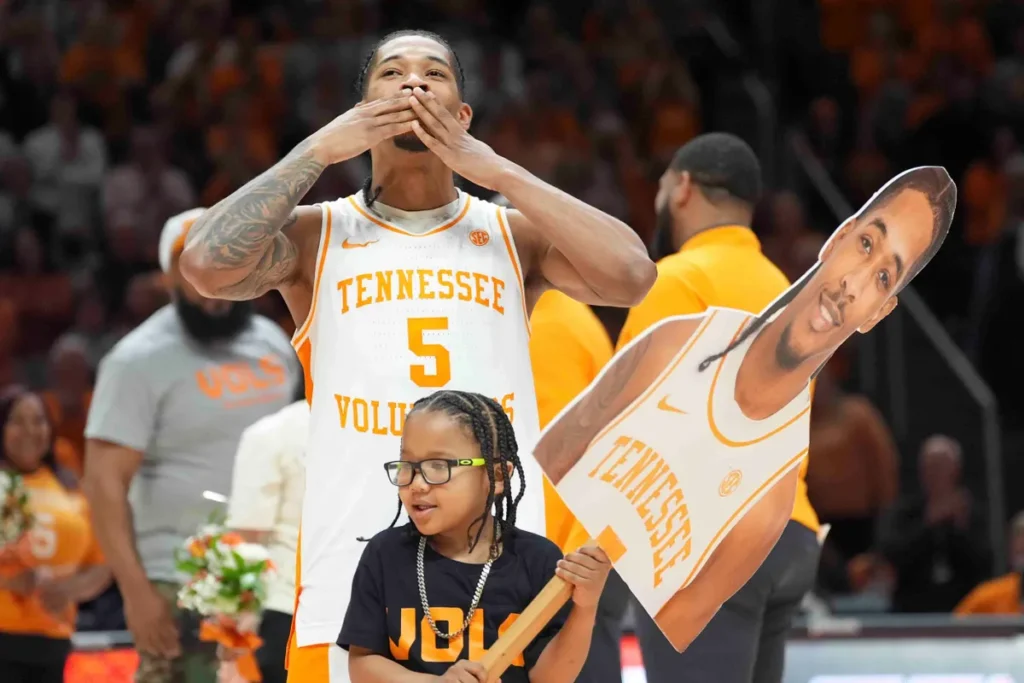
While the NCAA isn’t perfect, the ruling against Zeigler helps to maintain a competitive balance and distinguish between professional and amateur athletes. His lawsuit likely will not be the last that challenges the Four Seasons rule, especially as NIL money continues to increase.
Sometime in the future, the NCAA will likely fail and be replaced by a new system, for better or worse. There have been too many challenges to its power, while conferences have gotten larger and increased their negotiating power. In the meantime, they went to bat for the average college athlete, and the courts made the right decision to side with them. It’s time for Zeigler to take his ball and go home.
